Chinatown rewards people who let a meal become a walk. In a few compact blocks, San Francisco still makes fortune cookies by hand, still serves family-style Cantonese classics, and now stages one of the city’s sharpest modern Chinese dinners. That old-and-new tension is the point: you can start with a warm paper fortune and end under a polished ceiling at a Michelin-starred table, with a divey nightcap in between. This is the neighborhood at its most legible and most surprising, all in one evening.
Karpo maps the smartest Chinatown sequence, from the fortune-cookie line to the dinner reservation and the right after-dark stop. Open it when you want the best order, timing, and table strategy.

Sweet Start, Narrow Alley
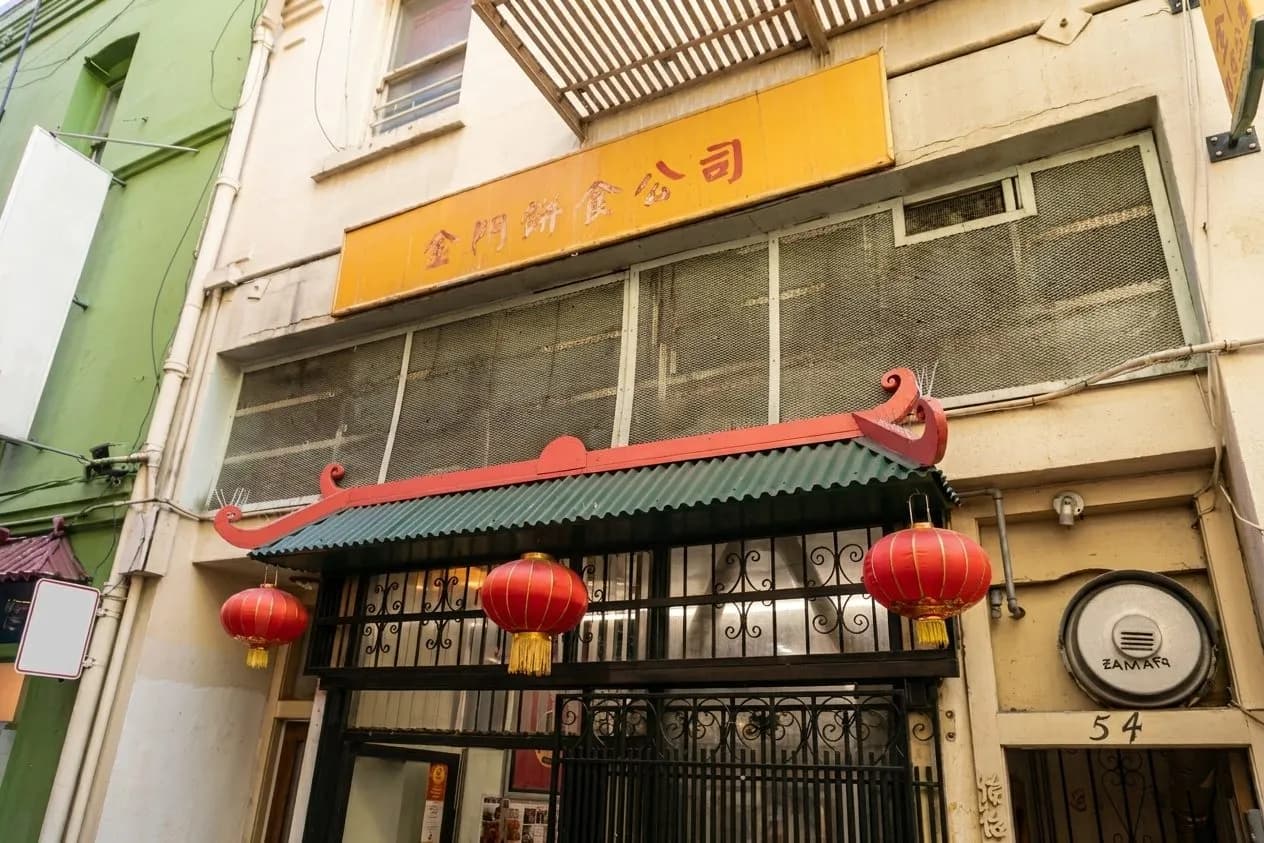
Golden Gate Fortune Cookie Factory is the Chinatown stop everyone thinks they already know, but the appeal is in the scale. You are not looking at a museum piece; you are watching a working room where cookies are folded while they are still warm, then stamped and stacked for a stream of visitors. The factory sits in the oldest, most walkable part of the neighborhood, which makes it an easy first stop before lunch, especially if you want the place almost to yourself before the midmorning crowd arrives.
The etiquette here is simple: stay out of the workers’ way, keep your camera polite, and buy a bag if you linger. The best part is that the cookies still feel immediate, not nostalgic merchandise, and the slips inside still carry the tiny theater Chinatown is famous for. If you want a sweet opening to the day, this is the rare tourist magnet that still behaves like a neighborhood craft stop rather than a performance made for you.
The Banquet Era Still Breathes
R&G Lounge keeps the older Chinatown dining logic alive: big tables, decisive dishes, and food meant to move with conversation. It is the sort of place locals use for birthdays, visiting relatives, and the kind of lunch that quietly becomes dinner. The room has the energy of a restaurant that knows exactly what it is, which is why it still matters in a neighborhood where newer places get the press. Order like a group even if you are only a few people, because the menu is built for sharing.
The move here is to lean into the dishes that made the room famous rather than trying to overthink it. Salt-and-pepper crab is the headline for a reason, but the real pleasure is how the kitchen handles the comfort-food spectrum around it: crisp, saucy, and never coy. If you land at peak meal time, expect a bit of a wait and a lot of families moving with purpose. Chinatown dining rewards patience more than speed, and R&G is a perfect example.
Mister Jiu's Changes The Script
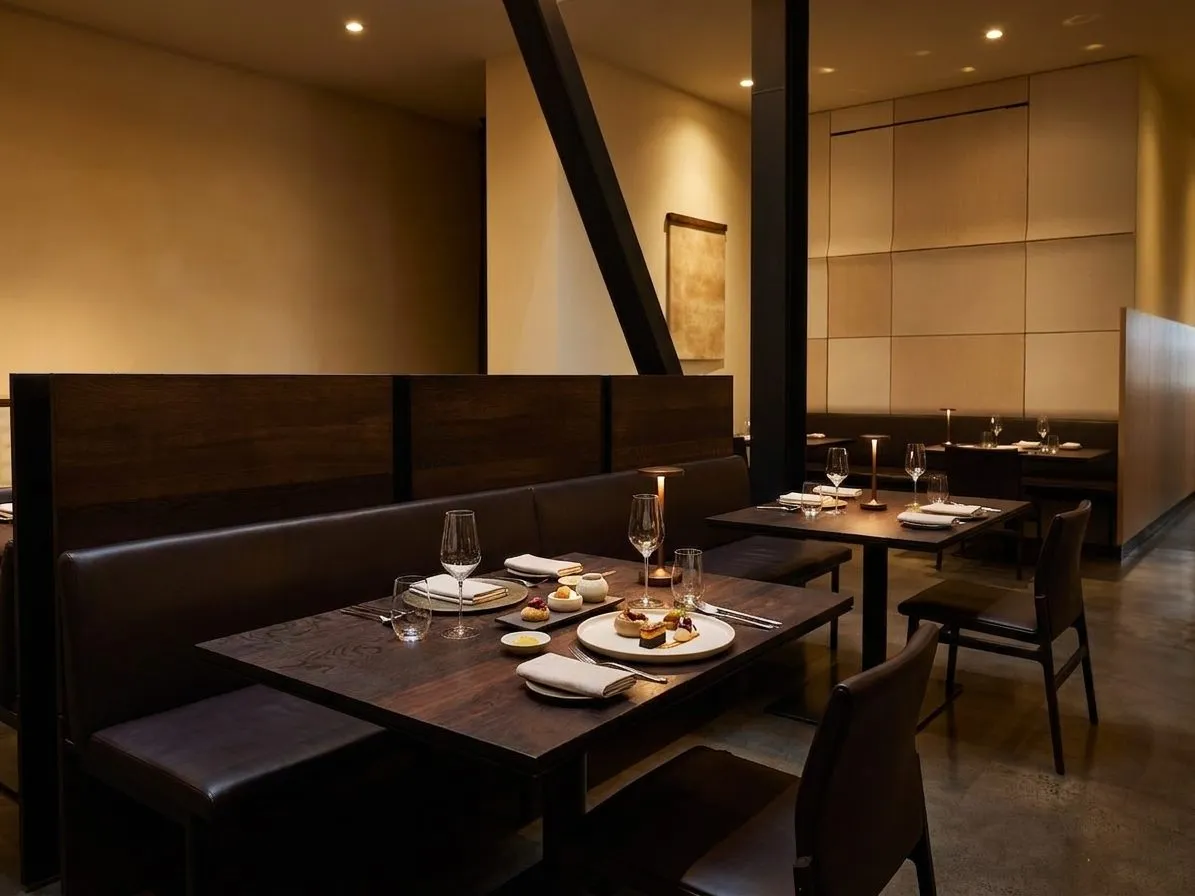
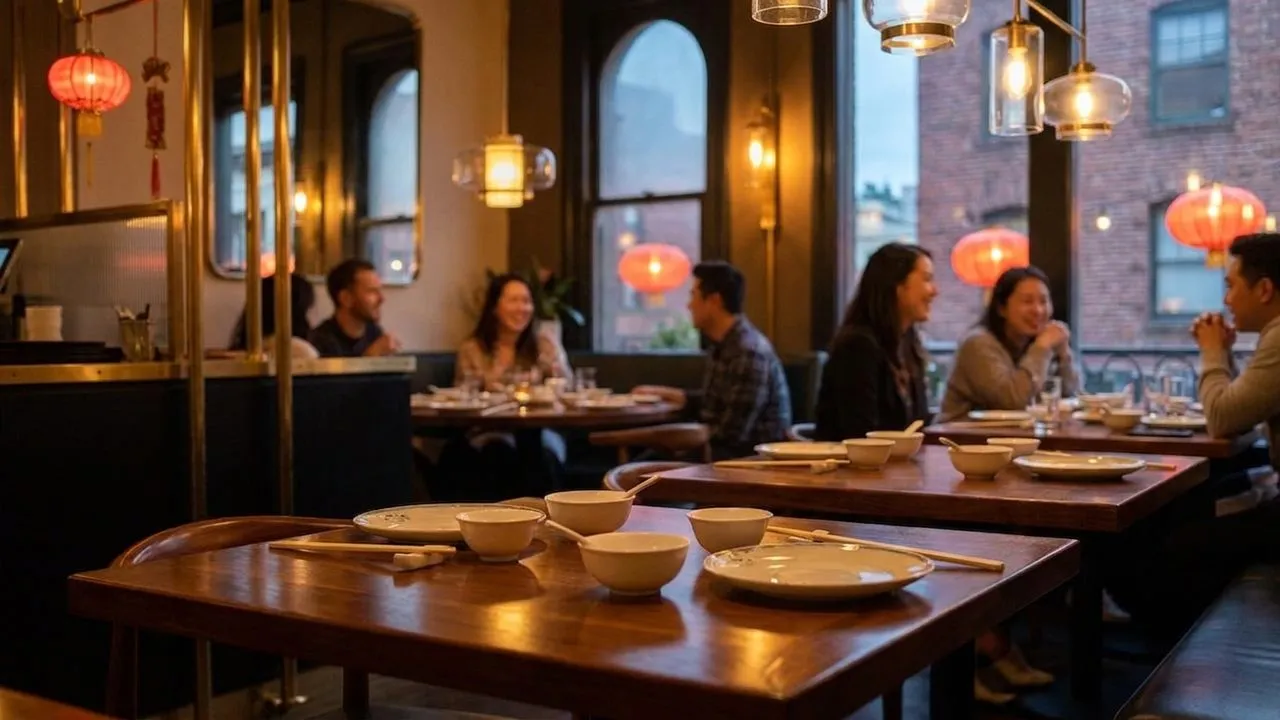
Mister Jiu's is the modern counterpoint to all that banquet energy, and its power comes from how confidently it sits inside Chinatown instead of hovering above it. The dining room feels tailored without being stiff, and the cooking reads as a conversation with Cantonese and Chinese-American memory rather than a rewrite. That is why it became a destination: it does not treat the neighborhood as a backdrop. It treats it as source material, then turns that into a dinner that feels both polished and grounded.
If you go, go with intent. This is the place for a reservation, for sitting still long enough to notice the pacing, and for trusting the kitchen to build a meal that does not need extra decoration. The room rewards diners who want detail, not volume, so resist the urge to rush. Chinatown’s old dining rooms are about abundance; Mister Jiu's is about precision, which makes the contrast with R&G feel especially vivid when you visit both in the same night.
A Nightcap At Li Po
Li Po Cocktail Lounge gives the route a different kind of ending: less polished, more lived-in, and far closer to the Chinatown after-hours mood most visitors never see. It is known for strong drinks, a compact room, and the kind of old-school character that survives because nobody tries too hard to modernize it. After dinner, it feels like a release valve. The lights are lower, the conversation gets looser, and the neighborhood’s tempo shifts from tasting and touring to lingering and talking.
The etiquette here is to keep expectations simple and your volume lower than you would in a flashy cocktail bar. Li Po is not about a long menu dissertation; it is about ordering something straightforward and letting the room do the rest. If you arrive later in the evening, you will feel the place in its natural rhythm, when dinner traffic has thinned and the bar starts pulling in people who are not in a hurry to leave Chinatown yet.
How To Thread The Whole Loop
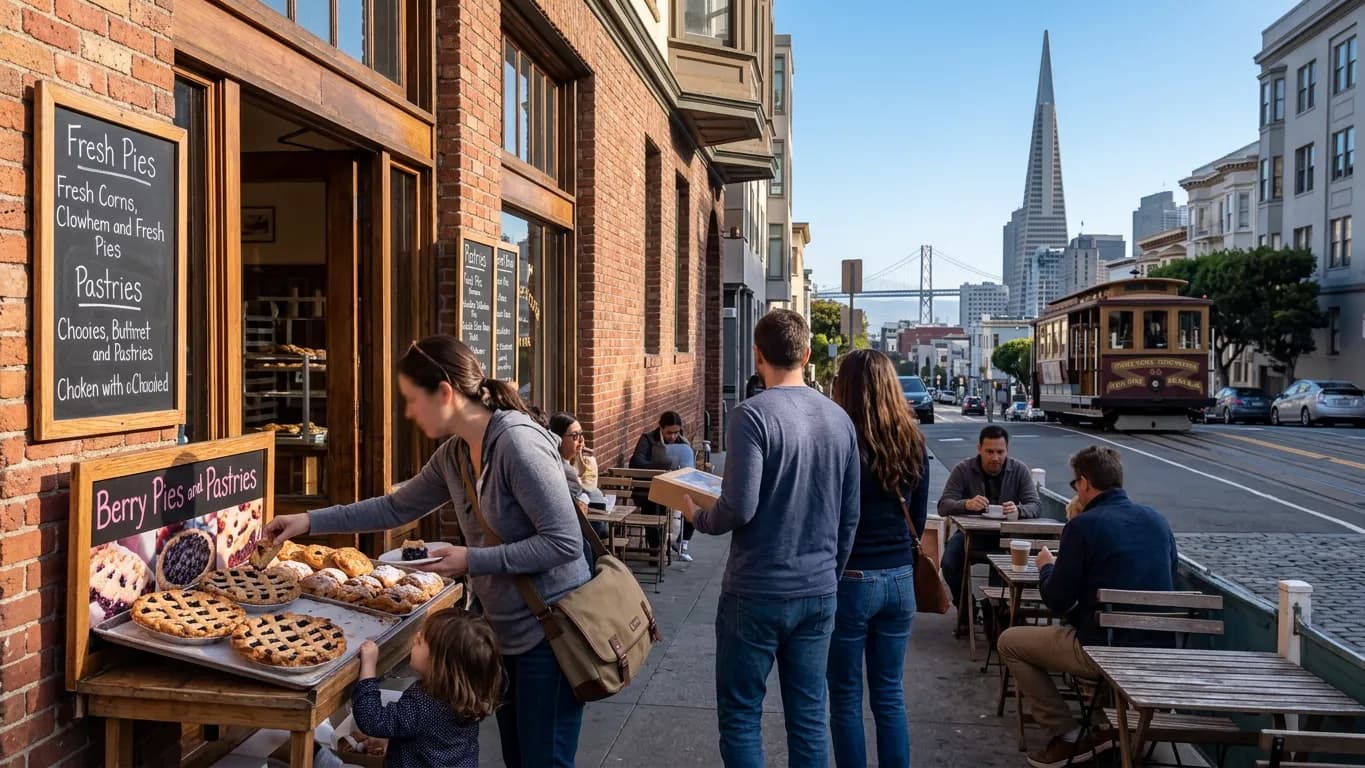
The cleanest Chinatown sequence is this: start with fortune cookies, move to an early or midafternoon meal, then save the fine-dining reservation or the drink stop for later. That rhythm works because the neighborhood still runs on transitions. You can pair the sweet opening with tea, almond cookies, or another bakery case stop nearby, then let R&G or Mister Jiu's define the savory center of the day. The point is not to cram every famous name into one block. It is to feel how old and new Chinatown feed each other.
If you are coming from elsewhere in the city, give yourself walking time between stops. Chinatown is compact, but the best part is the drift: narrow alleys, red gates, window displays, and sudden pockets of calm between packed dining rooms. This is also why coffee and dessert fit so well here. The neighborhood does not separate sweet from savory as strictly as a trendier district might. It lets you snack, sit, share, and then go on to the next room without breaking the spell.
Practical notes
For the easiest version of this route, start in the earlier part of the day and keep it on foot once you reach Chinatown. Golden Gate Fortune Cookie Factory is best before the crowds stack up, while R&G Lounge and Mister Jiu's both benefit from planning ahead if you want a smoother meal. If you are doing dessert first, leave room for something savory later; Chinatown’s sweets are often modest, but the meals are not. Transit is simple, parking is not. Come hungry, but not rushed, and let the neighborhood set the pace.
Tags: #sanfrancisco #chinatown #chinatownsf #foodguide #fortunecookies #misterjius #rglounge #lipo #dessert #coffee #cantonesecuisine #michelin #bayarea #cityguide
Please drink responsibly. Must be of legal drinking age.
All trademarks are the property of their respective owners.
Ask Karpo first
Ask Karpo for the freshest Chinatown food loop: which new openings are worth a reservation, when the fortune-cookie line is shortest, and how to stitch the stops together on foot without wasting a meal.