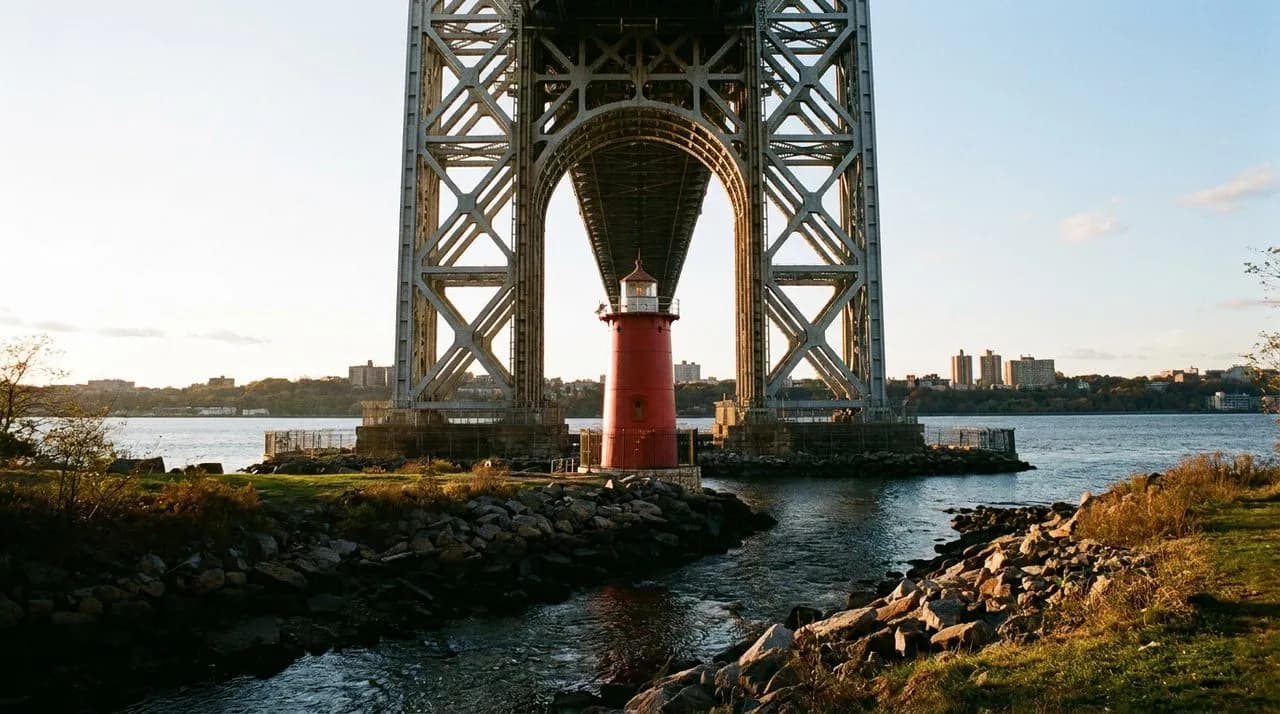
The Little Red Lighthouse looks misplaced, a toy structure beneath the George Washington Bridge's eastern tower. Built in 1929 as Jeffrey's Hook Light, it stands forty feet tall and painted barn-red, a beacon that once guided boats along a treacherous bend of the Hudson. Now it guides no one—the bridge took over that duty when it opened in 1931—but it remains, charming and incidental, a footnote in steel and concrete. The loop through Fort Washington Park is about two miles, mostly paved, and the real subject isn't the lighthouse. It's the walk beneath the bridge, the shadow and hum and scale of infrastructure overhead, the river moving south while you walk slow.
Getting down to the water
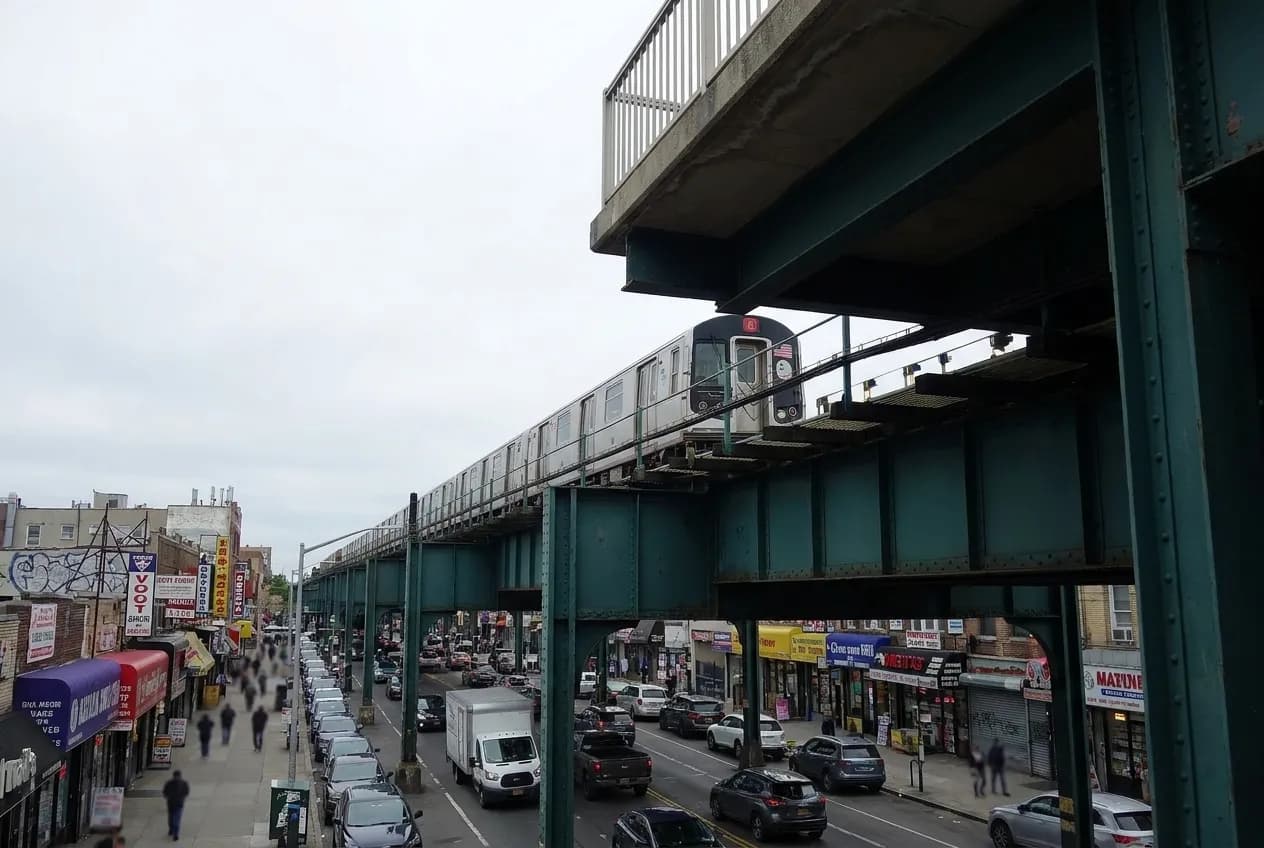
The A train to Dyckman Street is the closest stop, but the walk down to the river level adds five minutes and a steep staircase descent. You emerge at street level in Inwood, then follow the signs west toward the Hudson. The descent is abrupt—metal stairs with a handrail, the kind that clang underfoot. By the time you reach the greenway, you've dropped a full story and the bridge is already looming, grey steel against whatever sky late 2026 offers.
The entrance to Fort Washington Park is at the waterfront, where the greenway opens south. The path is wide, smooth asphalt meant for runners and cyclists, but it's walkable at any pace. The bridge is directly ahead, and the lighthouse sits beneath its eastern tower, waiting.
The rhythm of the greenway
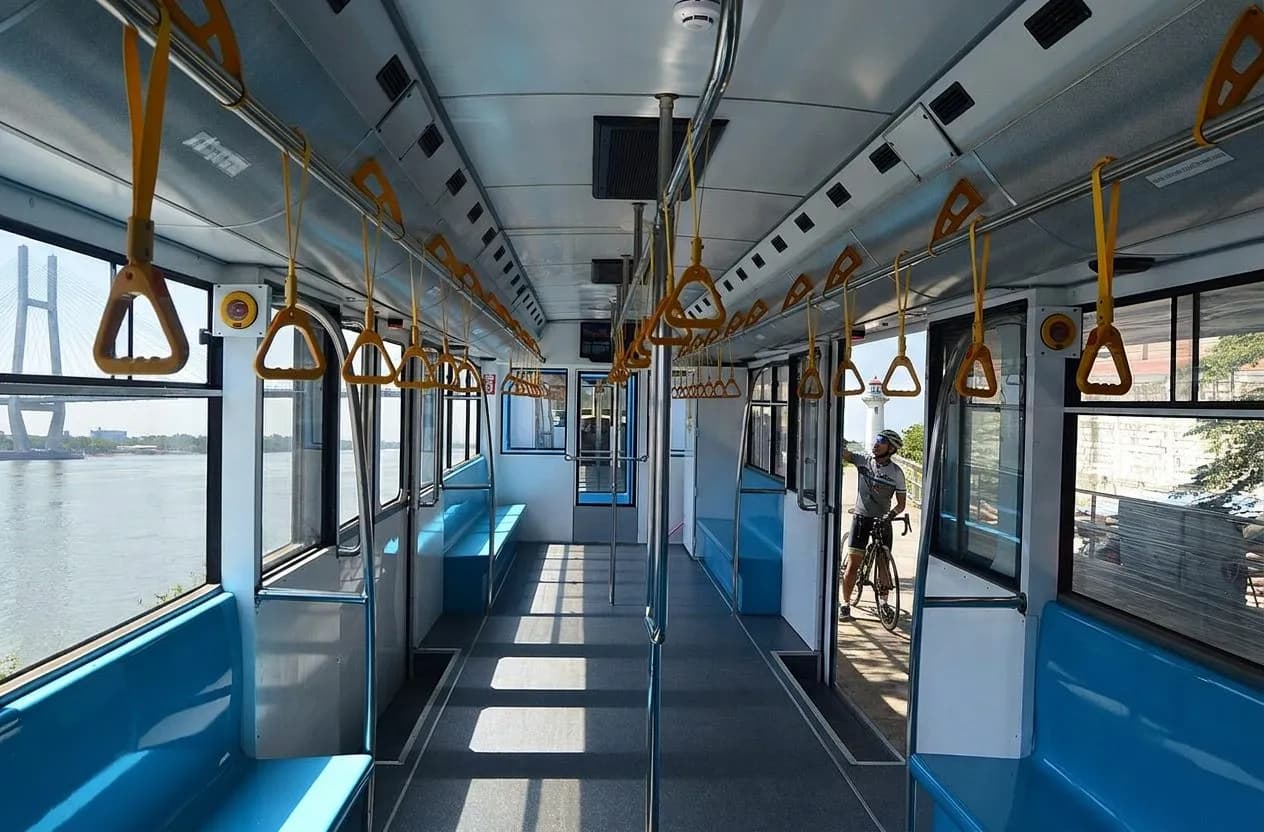
The greenway path is busiest on weekends after ten in the morning; early morning walks before eight offer the quietest bridge and river views. If you arrive before the joggers and the cyclists with their tight kits, you get the path to yourself—just the river, the bridge, and the occasional gull. The light in summer comes low and warm across the water, catching the bridge cables and turning them gold. The hum of traffic overhead is constant but distant, a white noise that doesn't intrude.
The path follows the river south, bordered by trees on the inland side and the water on the west. The Hudson is wide here, silvered or grey depending on the hour. Across the water, the Palisades rise dark and green, cliffs of basalt that predate the city by millions of years. The contrast is the point: stone and steel, old and new, the slow curve of the river against the straight lines of the bridge.
The lighthouse beneath the tower
The lighthouse sits at the base of the bridge's eastern tower, fenced but visible from the path. It's smaller than you expect—forty feet feels diminutive when the tower above rises more than six hundred. The red paint is bright, maintained by the Parks Department, and the structure is intact: lantern room, catwalk, cast-iron door. It looks like a lighthouse from a children's book, which is fitting—it became famous after Hildegarde Swift's 1942 story *The Little Red Lighthouse and the Great Gray Bridge*, in which the lighthouse worries it's obsolete until the bridge reassures it otherwise.
The lighthouse is open to the public only during occasional Urban Park Rangers tours and special events; check NYC Parks for current dates. Outside those hours, you can walk the perimeter, peer through the fence, take your photos. The interior is a single room with a spiral stair to the lantern. When the Rangers do open it, the line forms early. But even from the outside, the lighthouse does its job: it anchors the walk, gives you a reason to pause.
Beneath the bridge
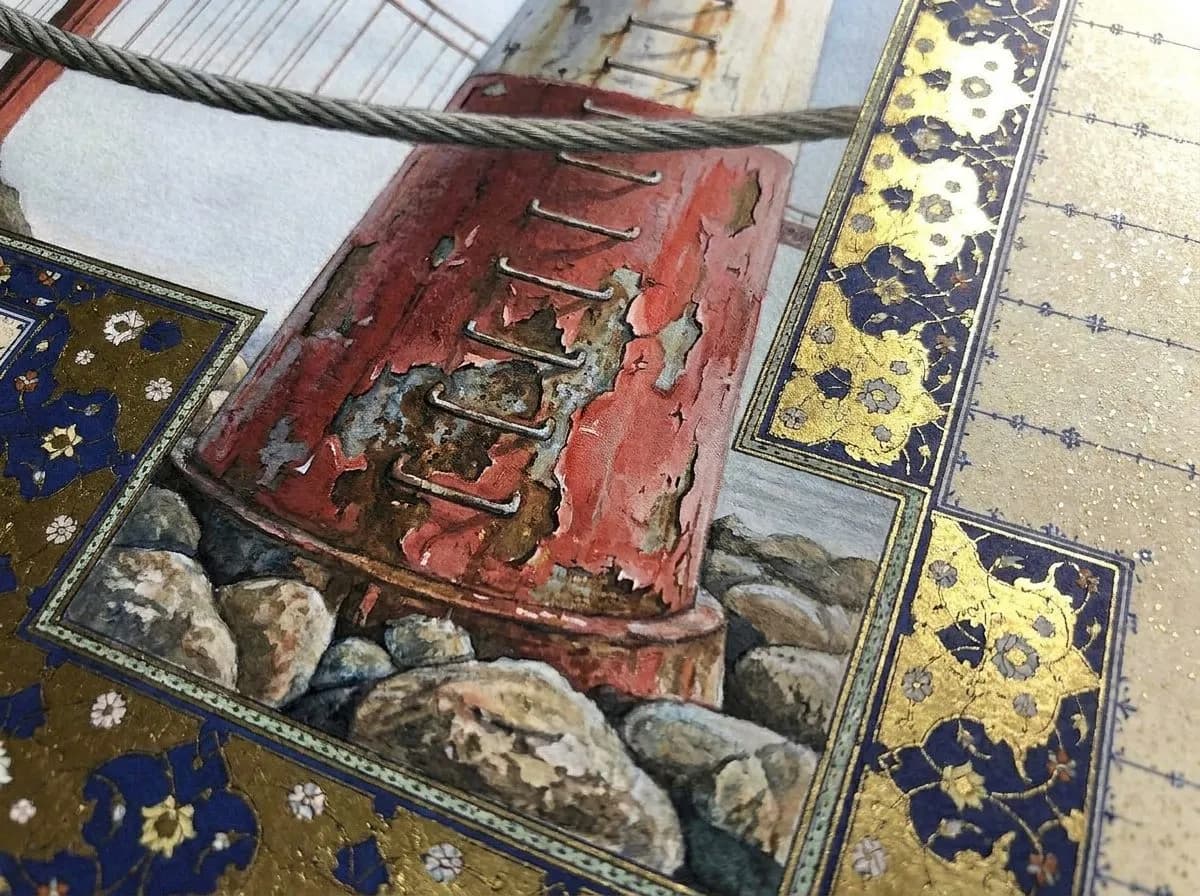
The path passes directly beneath the bridge, and the scale shift is visceral. The tower's base is massive, concrete poured in forms that taper upward, and the cables sweep down from above in long steel arcs. The sound changes—traffic hum becomes a roar, then fades again as you emerge on the south side. The shadow is cool even in summer. You can see the bolts, the rivets, the joins where steel meets stone. Infrastructure this close becomes sculptural, a monument to engineering that wasn't meant to be beautiful but is.
The south stretch of the loop curves away from the bridge, following the river through a quieter section of the park. Trees lean in, and the path feels less exposed. Benches face the water. This is the section where you lose the bridge's hum and gain the sound of the river lapping against stone. By late 2026, the city guide momentum has brought more visitors to the loop, but it remains mostly local—Inwood residents, Washington Heights walkers, the occasional cyclist heading to the Battery.
The return north
The loop turns back north through the park's inland section, a dirt path beneath oaks and maples that parallels the greenway. The footing is softer here, roots and packed earth, and the bridge reappears through the trees. This stretch feels slower, less purposeful. You can cut back to the greenway at any point, or stay beneath the canopy and walk the long way. Either route brings you back to the lighthouse, to the bridge, to the stairs that climb back to Dyckman.
The loop doesn't demand much—two miles, an hour if you walk slow, less if you clip along. But the rhythm stays with you: the river's pull, the bridge's shadow, the lighthouse standing small and stubborn beneath steel. It's a walk about scale, about what endures and what gets dwarfed, about taking the long way when the long way is the point.
Practical notes
The loop begins at Fort Washington Park, accessible from Dyckman Street and the Hudson River Greenway near Dyckman Street and the waterfront. Nearest subway: A train to Dyckman Street. Street parking is available on Riverside Drive but fills quickly on weekends. The greenway is open dawn to dusk; the lighthouse grounds are fenced but visible year-round. Interior access only during Urban Park Rangers events—check the NYC Parks event calendar. The path is paved and mostly flat; the staircase descent from Dyckman is steep. Bring water, sun protection, and layers; the river breeze cuts cool even in summer. Restrooms near the park entrance.
Tags: #FortWashingtonPark #LittleRedLighthouse #HudsonRiverGreenway #GeorgeWashingtonBridge #InwoodNYC #WashingtonHeights #TheLongWayHome #NYCWalks #RiversideWalks #CityGuide #HudsonRiver #NYCParks #Summer2026 #SlowTravel #UrbanHiking
Sources consulted: Little Red Lighthouse · Hudson River Greenway · Fort Washington Park · George Washington Bridge · Hudson River - NYT
All trademarks are the property of their respective owners.