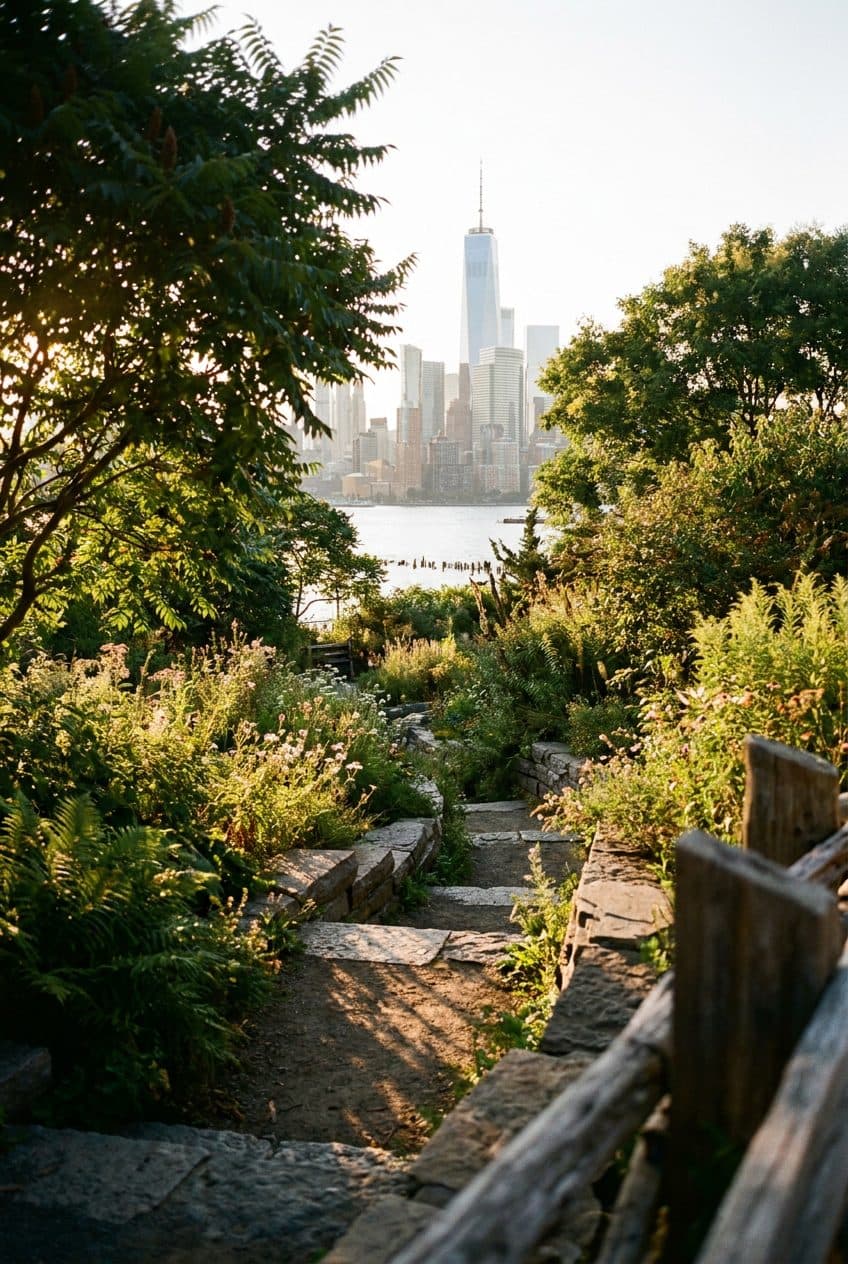
The Heather Garden sits 250 feet above the Hudson River in Fort Tryon Park, a terraced expanse of stone and bloom that most New Yorkers have never heard of. At eight acres, it holds the title of largest public garden in the city parks system — a fact that seems impossible until someone stands at its southern edge and watches the river traffic crawl toward the George Washington Bridge without a single building interrupting the frame.
Stone Walls That Remember a Different City
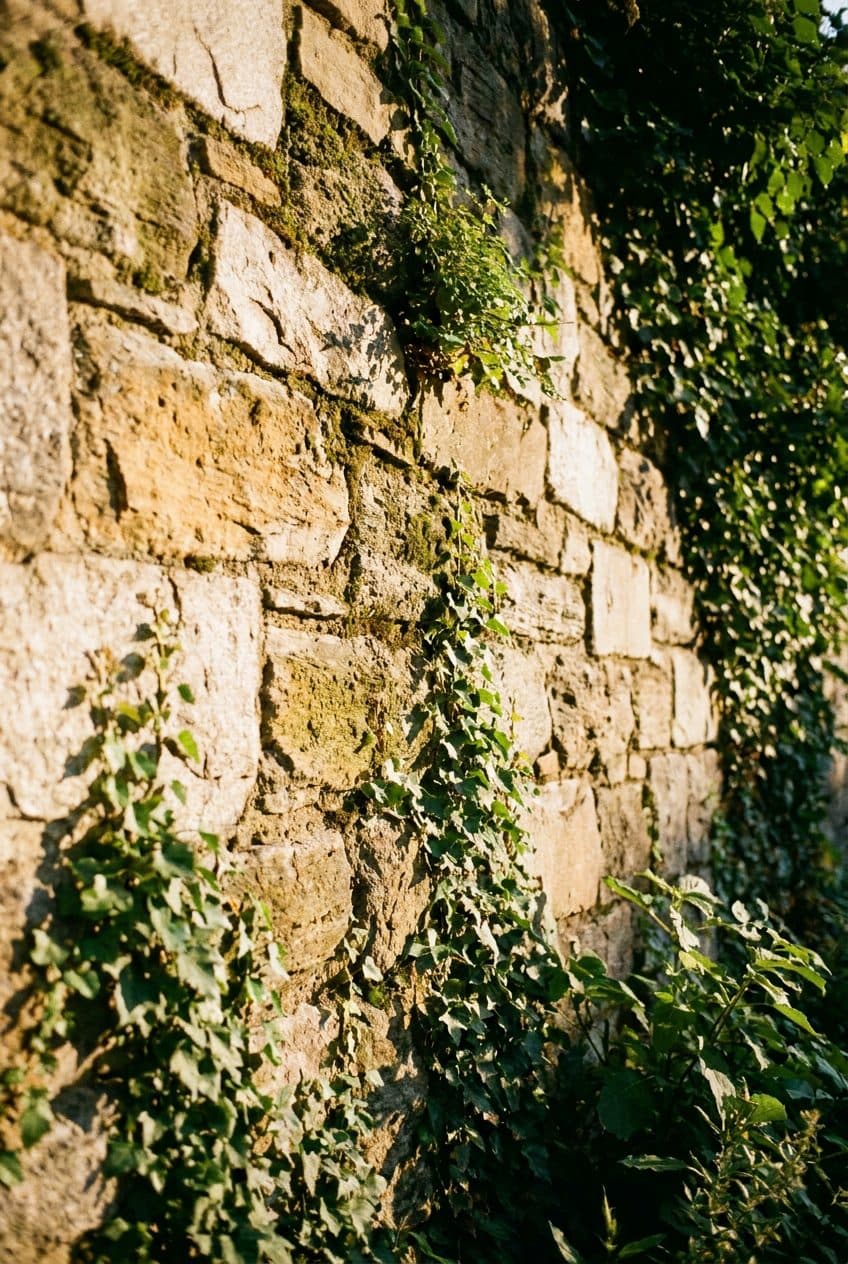
The garden's bones are medieval in spirit, though the stone terracing dates to the 1930s. The Rockefeller family funded the park's construction, and the landscape architects carved these walls into the ridge with a deliberate Old World sensibility — the same aesthetic that would later inform the Cloisters museum just north of here. Walking the garden's switchback paths, visitors encounter walls that look lifted from a Tuscan hillside, weathered by ninety winters. Moss creeps into the mortar joints. The effect is disorienting in the best way: a pocket of ancient Europe tucked into Washington Heights, accessible by the A train. The terracing creates distinct garden rooms, each with its own microclimate and planting scheme, so the experience shifts every thirty feet of elevation gained.
The Heather Beds and Their Brief, Brilliant Window
Heather dominates the lower terraces, which explains the garden's name but undersells its complexity. The collection includes dozens of varieties — Calluna vulgaris, Erica carnea, cultivars in shades from deep purple to pale pink to white. Most of the year, the heather beds read as textured green groundcover, pleasant but unremarkable. Then late summer arrives. Somewhere between mid-August and early September, depending on the weather's mood, the entire lower garden ignites. The bloom window lasts perhaps three weeks at peak intensity. Regulars time their visits accordingly; first-timers who stumble in during this period often stop mid-path, recalibrating what they thought a New York park could look like. The rest of the year, the garden offers different rewards — spring bulbs, summer perennials, autumn foliage — but the heather bloom remains the main event.
A Hidden Approach From the East
Most visitors enter Fort Tryon Park from the main entrance near the 190th Street subway station, following the central promenade north toward the Cloisters. This route is lovely but crowded on weekends, and it deposits people at the Heather Garden's northern end — the top of the terraces, working downhill. There is another way. A quieter entrance exists from the Cabrini Boulevard side, accessible via a path that cuts through the park's eastern edge. Fewer tourists know about it. The approach feels almost residential, passing apartment buildings before ducking into the tree cover. Entering from this direction means arriving at the garden's lower terraces first, then climbing up through the stone rooms — a reversal that changes the entire rhythm of the visit. The Hudson view reveals itself gradually rather than all at once.
The Southern Terrace and Its Particular Bench
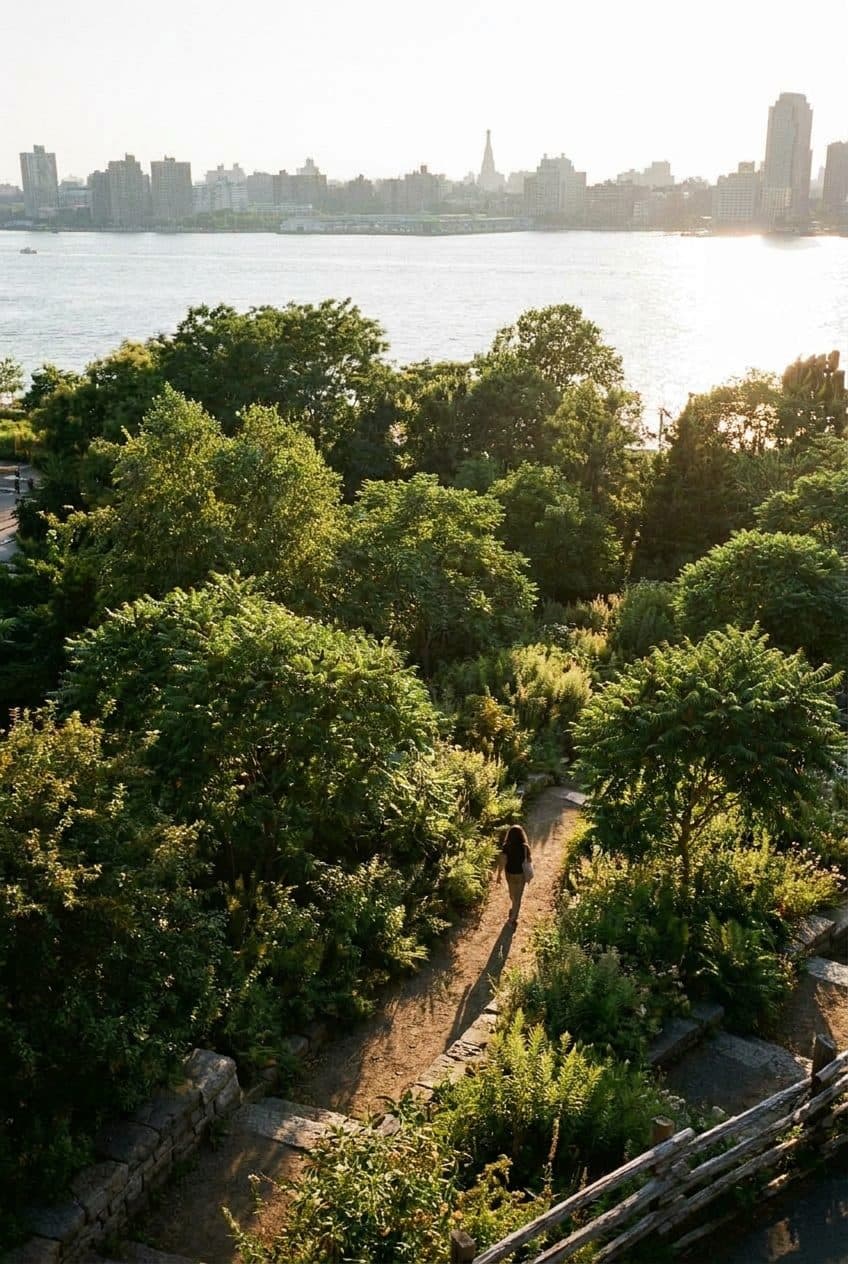
At the garden's southern terminus, the terracing flattens into a small overlook. The plantings thin out here, giving way to a simple stone wall and a few benches. One bench in particular — positioned at the terrace's far corner, angled slightly southwest — offers the widest unobstructed view of the Hudson. The Palisades cliffs rise across the water. The George Washington Bridge hangs in the middle distance. On clear days, the light off the river in late afternoon turns the whole scene bronze. This bench fills quickly when the weather cooperates, but early mornings and weekday visits improve the odds. The regulars — mostly neighborhood residents who treat the garden as an extension of their living rooms — know to arrive before ten on Saturdays.
The Crowd That Finds Its Way Here
Fort Tryon Park draws a specific slice of the city: Washington Heights locals walking dogs, architecture students sketching the stonework, European tourists making the pilgrimage to the Cloisters who wander south and discover the garden by accident. The Heather Garden itself tends quieter than the park's main lawns. Families with children gravitate toward the playground areas; joggers stick to the perimeter paths. What remains in the garden are the readers, the sketchers, the couples having slow conversations on the terraces. The pace here runs slower than Central Park, less performative than the High Line. Someone looking for solitude in a city of eight million could do worse than a Tuesday morning on these paths.
Seasonal Layers Beyond the Heather
The garden operates on multiple bloom calendars. Early spring brings crocuses and daffodils pushing through the terraces. By May, the alpine plants in the rockery sections hit their stride — sedums, sempervivums, tiny saxifrages tucked into stone crevices. Summer shifts attention to the perennial borders: coneflowers, black-eyed Susans, ornamental grasses catching the breeze. Autumn turns the surrounding trees into a backdrop of orange and gold, making the stone walls pop against the foliage. Even winter has its partisans: the garden's bones show most clearly when the plants die back, and the terracing reads as pure architecture. The horticultural staff maintains the beds year-round, though the intensity of the planting varies by season. There is always something happening, but knowing when to arrive for specific effects separates the casual visitor from the devoted.
Practical Notes
The A train to 190th Street deposits riders closest to the park; an elevator from the station platform rises to street level, a small mercy given the neighborhood's hills. The garden keeps park hours — roughly dawn to dusk — with no formal entry fee, no tickets, no reservations required. Restroom facilities exist near the park's main entrance but not within the garden itself. The paths are paved but uneven in places; the terracing involves stairs and slopes that require reasonable mobility. Food vendors occasionally set up near the Cloisters on busy weekends, but bringing provisions from the neighborhood's bakeries and bodegas remains the smarter play. The garden works in any weather, though rain turns the stone paths slick and fog erases the Hudson view entirely — a different experience, atmospheric in its own right, but not the one most visitors come seeking.
Tags: #HeatherGarden #FortTryonPark #WashingtonHeights #HudsonRiverViews #FreeNYC #NYCParks #HiddenNewYork #UpperManhattan #PublicGardens #MedievalArchitecture #SeasonalBlooms #QuietNYC #OutdoorNYC #WeekendWalks #LocalFinds
Sources consulted: nycgovparks.org · timeout.com · ny.curbed.com
All trademarks are the property of their respective owners.
Ask Karpo first
Want to know what's blooming at the Heather Garden this week, the best time of day to arrive for the Hudson light, and how to string this into a full Fort Tryon afternoon? Ask Karpo for a current conditions update and a walking route that starts at the A train and ends at the view.