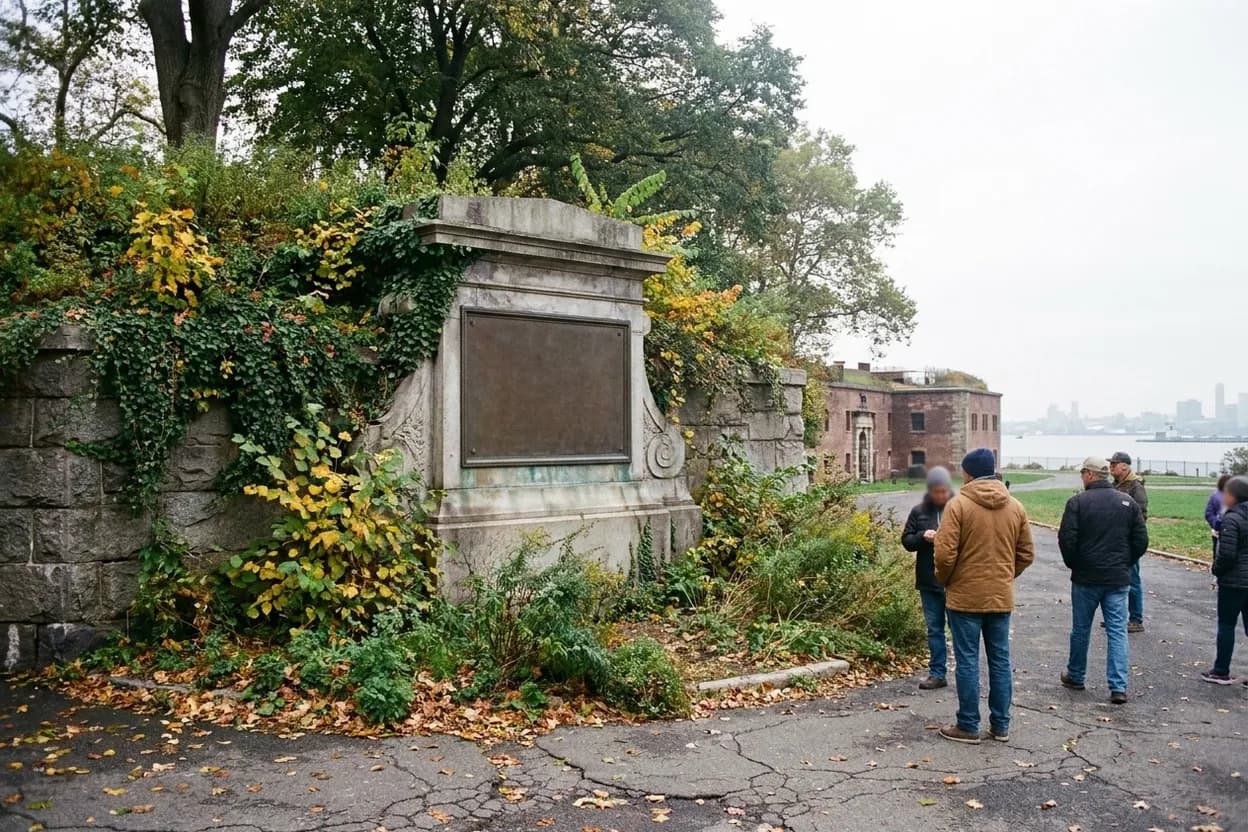
Governors Island, a verdant escape just a short ferry ride from Manhattan, is widely known for its recreational offerings—sprawling lawns, scenic bike paths, and public art installations. Yet, nestled within its landscape lies Fort Jay, a star-shaped coastal bastion that often goes unexamined by casual visitors. This historic fortification, the island's oldest surviving defensive structure, encapsulates centuries of New York's military history, from its 18th-century origins defending Upper New York Bay to its role as a major military post. For those seeking to delve deeper than the surface, Fort Jay offers a compelling narrative etched in stone, inviting a more deliberate exploration.
Want to navigate Governors Island and Fort Jay with a curated itinerary? Text Karpo and let us craft a seamless plan for your visit, highlighting key historical insights.
Understanding Fort Jay's Strategic Significance
Fort Jay’s distinctive star shape is not merely aesthetic; it is a meticulously engineered design for coastal defense. Originally built in the late 1790s, this fort was strategically positioned to guard the critical waters of Upper New York Bay. Its construction marked a significant period of American military infrastructure development, reflecting the nascent nation's commitment to protecting its vital shipping lanes and urban centers from naval threats.
The fort’s location on Governors Island, approximately half a mile from the southern tip of Manhattan, underscores its pivotal role in protecting the nascent city. While its primary function was defense, its presence also contributed to the broader military significance of Governors Island, which housed fortifications from various periods and served as a major military post for centuries. This historical context enriches any visit, transforming a walk around the ramparts into a journey through a crucial chapter of New York's past.
A Fort Reborn: Evolution of a Landmark
Fort Jay has undergone significant transformations throughout its history, reflecting evolving military needs and architectural styles. Though records indicate its completion in 1798, the fort was substantially rebuilt in 1806, contributing to the robust structure visible today. This rebuilding phase highlights an era of vigorous fortification efforts in the early 19th century, ensuring its continued relevance as a defensive asset for the harbor.
Adding to its intriguing narrative, Fort Jay was known as Fort Columbus from 1806 until 1904, when its original name was finally restored. This dual naming history is unusually visible in historical documents and signage, offering a unique opportunity for visitors to trace the fort’s identity through different periods of military occupation and national sentiment. Understanding these phases allows for a deeper appreciation of the structure's enduring legacy.
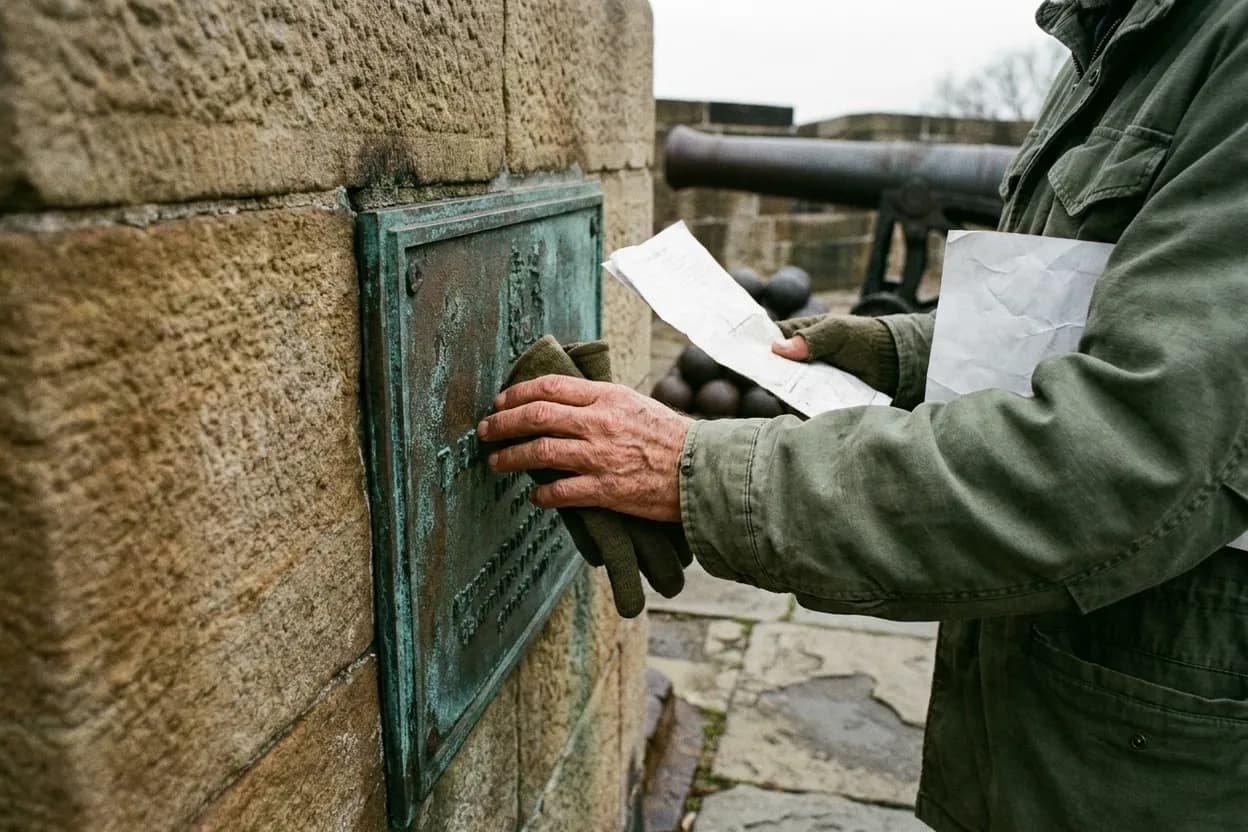
Governors Island National Monument: A Broader Context
Fort Jay is not a standalone attraction but an integral part of the Governors Island National Monument, administered by the National Park Service. This designation, established by presidential proclamations in 2001 and 2003, recognizes the island's profound historical and cultural importance. Visitors should consider their trip within this broader monumental context, exploring not just the fort but also the surrounding landscape that has shaped its purpose.
The island’s history as a major military post, encompassing more than just Fort Jay, provides a rich backdrop for understanding the fort’s role. The National Monument status ensures the preservation of these significant sites, offering a cohesive historical experience that extends beyond individual structures. Planning a visit with this in mind allows for a more comprehensive engagement with the island's past, rather than merely passing through.
Beyond the Battlefield: The Modern Fort
Today, Fort Jay stands as a monument to history, no longer actively defending the harbor but serving as an educational and recreational asset. The National Park Service manages the site, providing interpretive elements that help visitors understand its military legacy. While the fort’s primary purpose has shifted, its imposing structure and strategic placement continue to convey a sense of its historical importance.
Visitors can appreciate the fort's architectural details, from its star-shaped bastions to its internal structures, which offer a glimpse into the daily life and defensive strategies of soldiers from centuries past. The fort’s transition from an active military installation to a preserved historical site within a public park reflects a broader trend of repurposing historical assets for cultural and educational benefit.

Pacing Your Exploration of Fort Jay
To truly appreciate Fort Jay, consider allocating more than a cursory glance as you traverse Governors Island. A focused visit might involve dedicating an hour or two specifically to the fort and its immediate surroundings, allowing time to walk the ramparts, read interpretive panels, and imagine its historical context. This deliberate pacing ensures that the intricate details of its construction and its historical significance are not overlooked.
Given that the fort sits within the larger Governors Island National Monument, planning your visit around the monument's offerings, rather than just the recreational areas, is advisable. This approach allows for a richer understanding of Fort Jay's place within the island's expansive military history, providing a more layered and rewarding experience than a simple stop-and-go visit.
Unexpected Insights and Planning Details
One particularly specific planning detail is to orient your visit around the fort's construction phases. The landmark designation records its completion in 1798 and subsequent rebuilding in 1806. This allows for a deeper appreciation of how military engineering evolved in the early 19th century, rather than viewing the fort as a static, single-period structure. Another unique aspect is its dual naming history: Fort Jay was called Fort Columbus for nearly a century before reverting to its original name in 1904. This historical tidbit can add a fascinating layer to your exploration, prompting reflection on how places and their identities evolve over time.
The National Park Service notes Fort Jay is about half a mile from Lower Manhattan, a geographical detail that contextualizes its strategic importance and also explains why it's a convenient pairing for a short, ferry-based visit. Understanding this proximity can help visitors appreciate the fort's role in defending the growing metropolis, and also assists in planning a seamless trip from the city's financial district. These specific details, gleaned from historical records, offer a richer narrative than a general overview.
Practical Notes and Current Access Verification
Governors Island has been open year-round since November 1, 2021, rather than operating only during a May-to-October season. Services and facilities within Governors Island National Monument can still be limited, as noted by the National Park Service, and Fort Jay interior access may follow its own schedule. The island is accessible by ferry from Lower Manhattan and Brooklyn, making it a convenient day trip for city residents and visitors.
Before your visit, always verify current access information directly on the official National Park Service website for Governors Island National Monument. While Fort Jay is managed by the NPS, specific opening hours for interior access, potential ranger-led tours, or any reservation requirements for the fort itself can change. Confirmed information on 2026-day-specific hours, ferry fares, and timed-entry requirements were not available in the provided sources, so checking official sources is crucial for the most up-to-date details to ensure a smooth and enjoyable experience.
Tags: #FortJay #GovernorsIsland #NYCHistory #MilitaryHistory #StarFort #NationalMonument #NYCExploration #HistoricalArchitecture #NYCAttractions #IslandEscape #TravelNYC #HiddenGemsNYC #AskKarpo #BeforeYouGo
Sources consulted: Source 1: nps.gov · Source 2: nps.gov · Source 3: museum.dmna.ny.gov · Source 4: s-media.nyc.gov · Source 5: nan.usace.army.mil · Source 6: en.wikipedia.org · Source 7: s-media.nyc.gov · Source 8: en.wikipedia.org · Source 9: s-media.nyc.gov · Source 10: nps.gov · Source 11: starforts.com · Source 12: de.wikipedia.org
All trademarks are the property of their respective owners.
Ask Karpo first
Tell Karpo your date, group size, budget, and starting neighborhood. We’ll check current access, timing, transit, and the cleanest plan for Fort Jay before you head out.