Most mornings in Fort Greene Park begin with conversation—the dog walkers, the joggers circling the perimeter path, the toddlers already testing the limits of parental patience near the playground. But at the base of the Prison Ship Martyrs Monument, before most of Brooklyn has finished its first coffee, there's a different kind of opening act: the metallic scrape of a chain being lifted, the creak of an iron gate swinging wide, and the invitation to climb 148 steps into solitude. It's one of the city's free things to do that requires only punctuality and a willingness to arrive before the crowds.
The unlock ritual
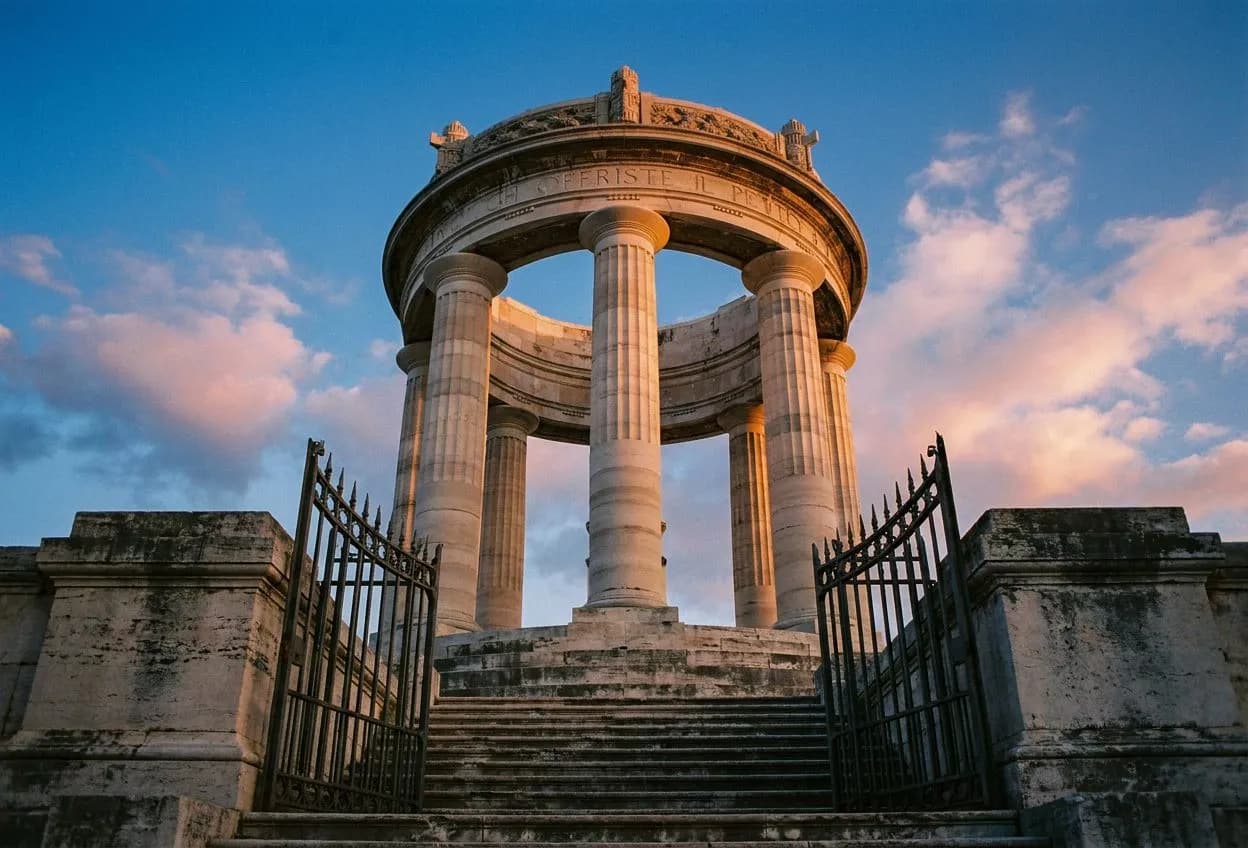
The stair gate unlocks at 6:30am year-round, a constancy rare enough in New York to merit appreciation. Maintenance staff arrive from the Myrtle Avenue entrance, and the unlock takes place at the southwest gate post first—a detail you notice only if you've been standing there, breath visible in the cold months, watching the process unfold. The chain comes off with a practiced efficiency, no ceremony, no announcement. By 6:32 the gate stands open and you're free to begin.
The ritual matters because it frames the hour that follows. This isn't about beating a reservation window or securing a coveted table. It's about claiming a sliver of urban geography before it becomes communal again, before the park's social contract resumes and you're sharing the experience with a dozen strangers and their unleashed terriers.
The climb itself
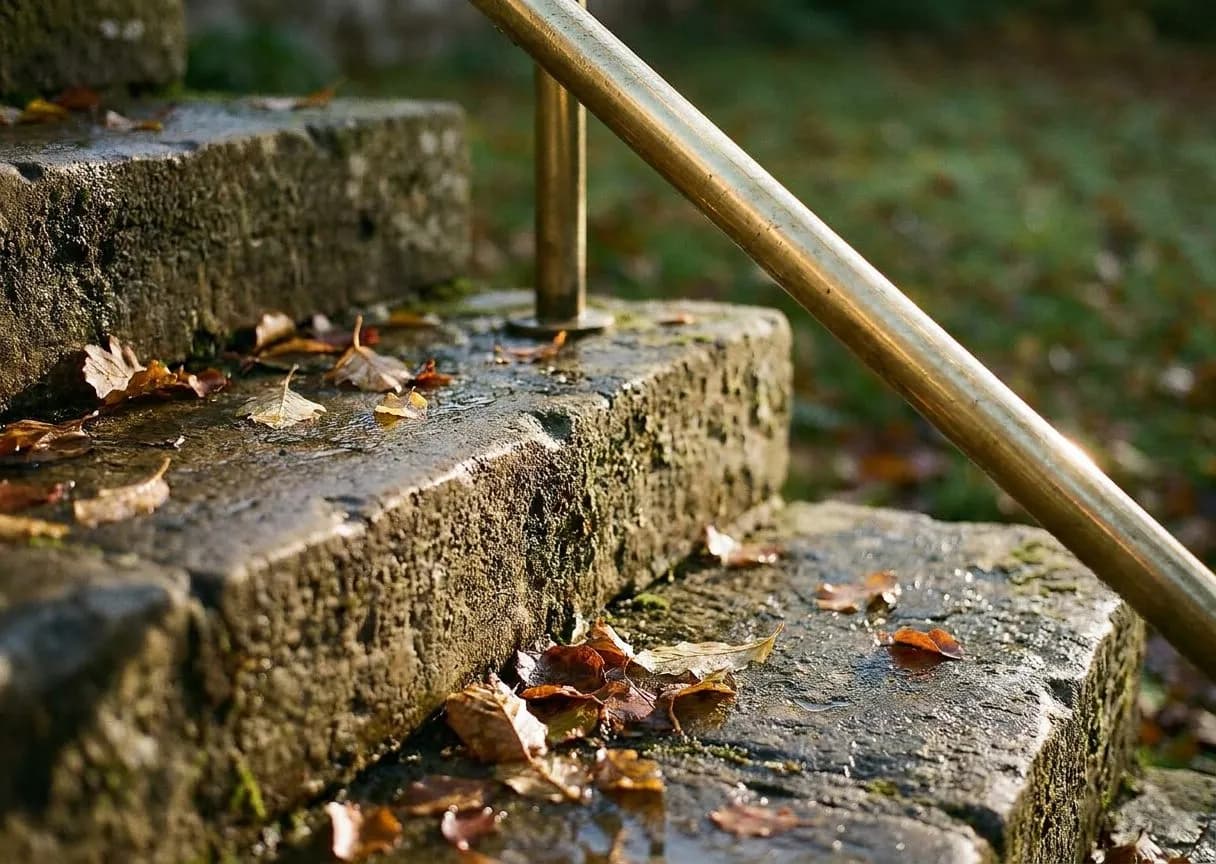
The 148 steps gain 75 feet of elevation, and the climb takes approximately three minutes at a moderate pace. The stairs are granite, worn smooth in the center where generations of feet have traced the same line. Early morning light—when it arrives from the east—catches the monument's Doric column above you, that 149-foot granite spike commemorating the eleven thousand prisoners who died on British ships anchored in Wallabout Bay during the Revolution. The history is heavy, but the climb is not. Your thighs will remind you of the effort, but it's manageable, rhythmic.
In late 2026 the stonework shows its age gracefully. There's no pretending this is freshly restored civic infrastructure. The monument was dedicated in 1908, and it looks every year of it—which is part of the appeal. You're not climbing through a simulation of history; you're moving through the thing itself, patched and maintained but fundamentally unchanged.
The solo hour
The observation deck remains nearly empty until 7:30am, when the first wave of dog walkers completes the hill loop. Until then, early climbers have the platform to themselves. The top platform holds a maximum of 12 people comfortably, but between 6:35 and 7:25 you're unlikely to share it with more than two or three others, if that. On some mornings—midweek in winter, or during that uncertain week between Christmas and New Year's—you may have it entirely alone.
What you do with that solitude is your own business. Some people stretch. Some people take photographs of the skyline, the harbor, the grid of Brooklyn rooftops extending toward Prospect Park. Some people simply stand at the railing and let the wind do its work. There's no agenda here, no optimal use of the time. The value is in the absence of negotiation, the temporary suspension of the city's usual density.
The view across Brooklyn
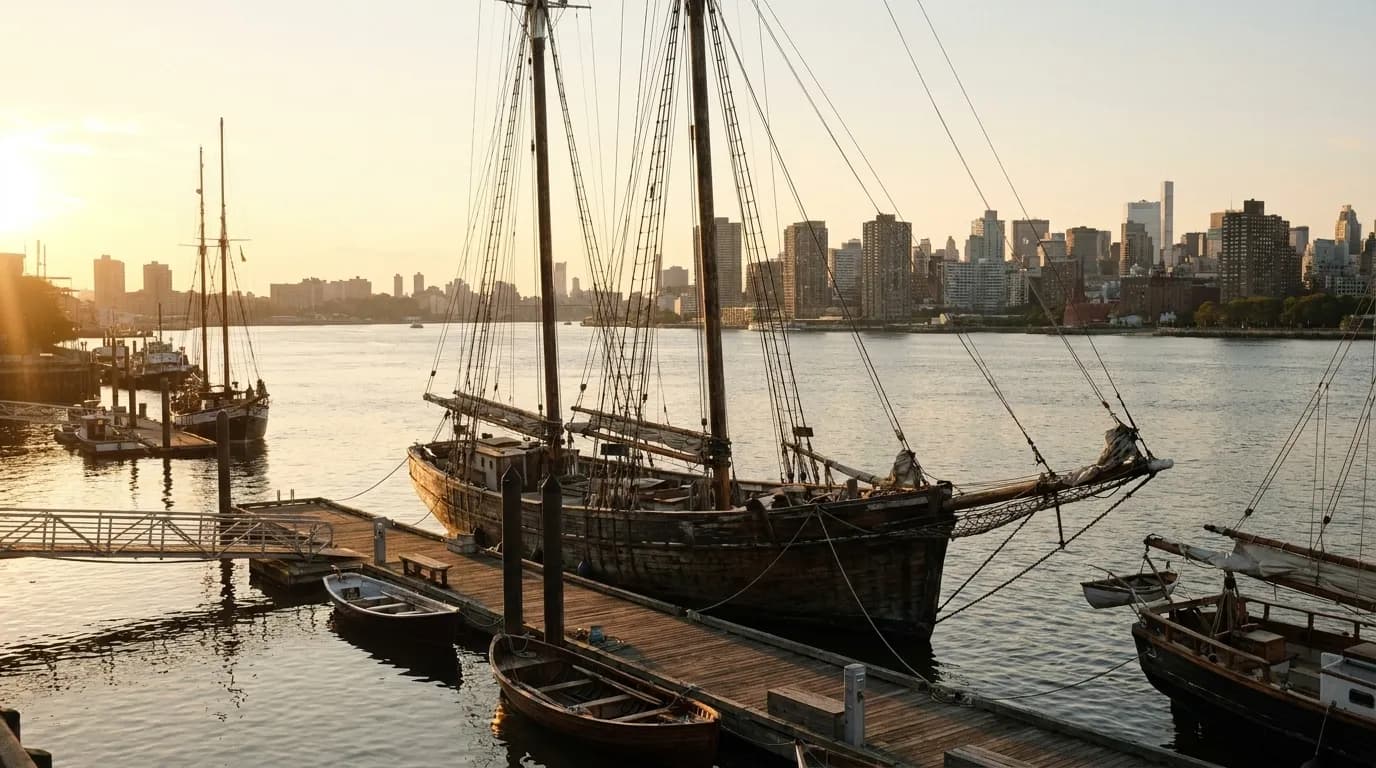
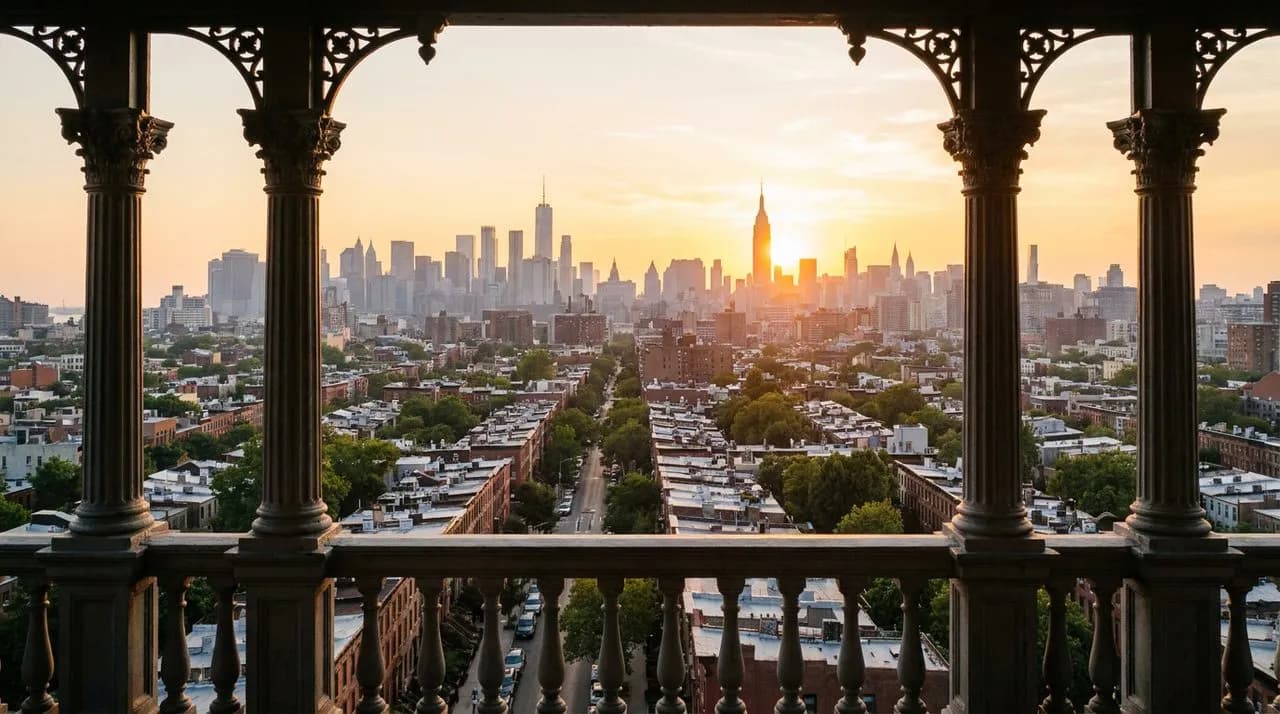
From the observation platform the view stretches across Brooklyn rooftops toward the harbor, unobstructed by the towers that crowd other vantage points. To the west you'll see the Manhattan skyline, predictably dramatic. But the real pleasure is closer in: the architectural jumble of brownstones and mid-rise apartment buildings, water towers punctuating the horizon, the occasional church steeple asserting itself. In certain light the harbor catches silver. In other moods it's flat gray, industrial, honest.
The perspective matters because Fort Greene sits at a sweet spot in Brooklyn's geography—close enough to downtown's commercial density to feel urban, far enough from the waterfront's relentless development to retain neighborhood scale. From up here you see both: the cranes working the Navy Yard, the quiet blocks where nothing much has changed in thirty years. It's a lesson in layers, in how a city holds multiple eras at once.
The sound of morning
By 7:30 the park's soundscape shifts. You'll hear the dog walkers first—voices calling commands, the jingle of leashes, the occasional bark echoing up the hill. Then the runners, breathing hard as they take the stairs two at a time, training for something. Then the families, slower, the children counting steps aloud or complaining halfway up. The gate that opened in near-silence an hour earlier now frames a steady stream of visitors, and your window has closed.
There's no resentment in this. The park is designed to be shared, and it performs that function beautifully from mid-morning through dusk. But the early hour operates under different terms, and once you've experienced it, the later crowds feel like a different park entirely. You'll descend the stairs passing people on their way up, and you'll know something they don't: that they've missed the best part, the version of the monument that belongs to whoever shows up first.
What it costs
Nothing, in the literal sense—no ticket, no reservation, no suggested donation. But it costs the willingness to set an alarm, to move through the dim streets before your corner coffee shop has opened, to trade an extra half-hour of sleep for an experience that cannot be replicated later in the day. Whether that trade feels worthwhile depends entirely on what you value. If you're the sort of person who believes that a city reveals itself most honestly in its margins—the early hours, the in-between seasons, the moments when no one's performing for an audience—then this will feel like a bargain. If you prefer your parks populated and your mornings leisurely, there are plenty of other hours to visit.
Practical notes
The Prison Ship Martyrs Monument stands at the center of Fort Greene Park, bordered by Myrtle Avenue, DeKalb Avenue, St. Edwards Street, and Cumberland Street. The stair gate is located on the monument's south side. Nearest subway: verify current service and walking time before visiting Street parking is typically available on surrounding blocks before 8am. The stairs are not wheelchair accessible; the climb is steep and may not be suitable for visitors with mobility concerns. Bring water if you're sensitive to exertion, and dress in layers—the observation deck is significantly windier than ground level. The monument’s hours should be verified with NYC Parks before visiting Verify current hours with NYC Parks if planning a visit outside typical schedules.
Tags: #FortGreenePark #PrisonShipMartyrs #Brooklyn #NYCParks #EarlyMorning #FreeThingsToDo #BrooklynViews #UrbanHiking #RightOnTime #NYCSecrets #FortGreene #HiddenGems #MorningRituals #BrooklynHistory #NYCFall2026
Sources consulted: Prison Ship Martyrs Monument · Fort Greene Park · NYC Parks - Fort Greene Park · Brooklyn Tourism & Visitors Center · NYC Public Design Commission - Monuments
All trademarks are the property of their respective owners.