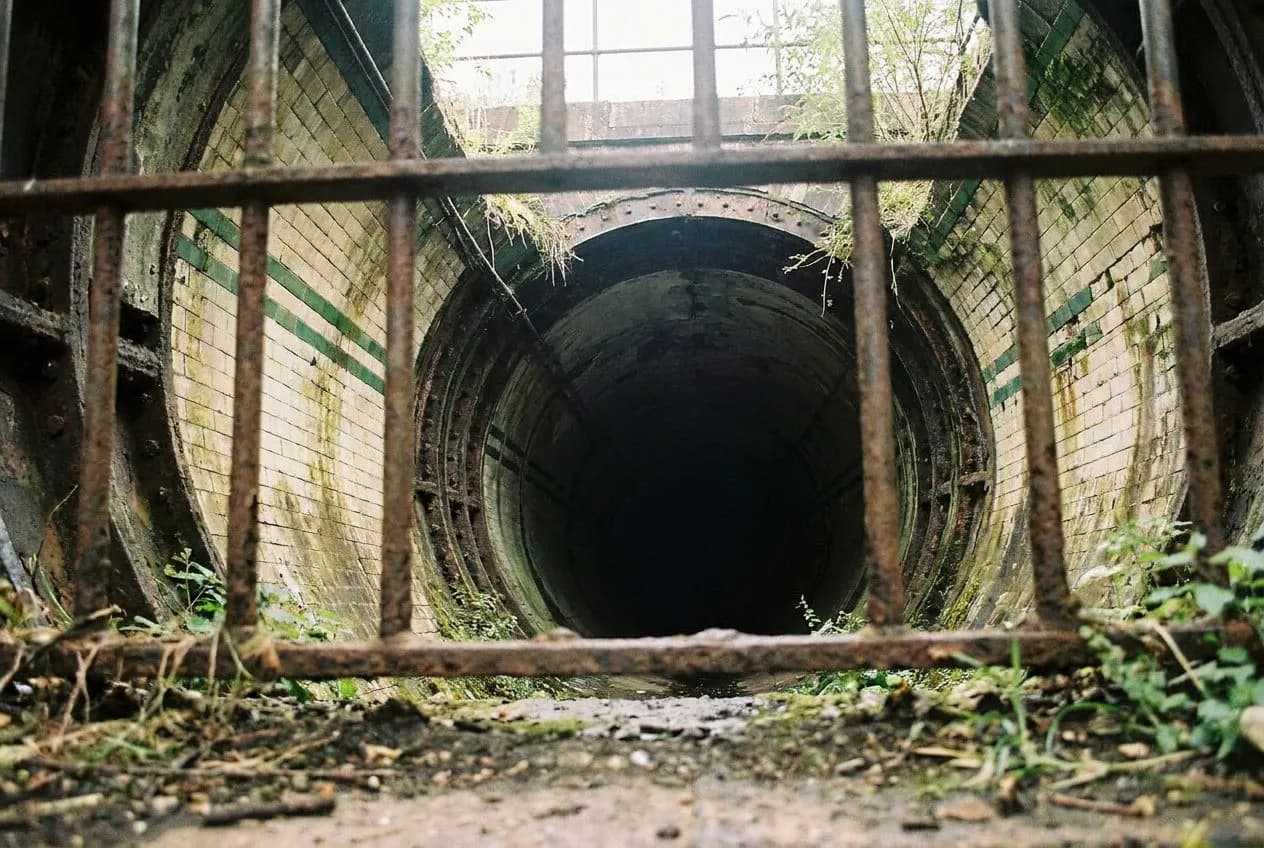
Beneath a nondescript office tower on William Street, behind a locked utility door most tenants will never notice, lies a fragment of New York's most ambitious—and most forgotten—communication infrastructure. Four hundred feet of cast-iron pneumatic tubes snake through tile-lined corridors in the sub-basement darkness, their 8-inch diameter chambers silent now but once capable of hurtling mail canisters at thirty miles per hour between post office stations across lower Manhattan. The system, which connected twenty-three locations at its peak in the early twentieth century, shut down in 1953. No one bothered to excavate it. It simply stayed, sealed behind brick and grate, waiting.
The Network That Predated Email
New York's pneumatic tube mail system launched in 1897, an engineering marvel that promised to solve the gridlock choking horse-drawn mail wagons in the densest square miles of the young metropolis. Compressed air propelled cylindrical leather carriers through underground cast-iron arteries, delivering letters and lightweight parcels in minutes rather than hours. This particular William Street segment formed part of the critical artery running from the General Post Office near City Hall Park—to the Produce Exchange near Bowling Green, a route that handled thousands of business communications daily when the Financial District was the undisputed engine of American commerce.
The system never expanded as ambitiously as planners hoped. Cost overruns, political squabbles, and the arrival of the telephone all conspired against it. By mid-century, the post office deemed it obsolete. The system was shut down in the early 1950s. Workers bricked over access points, rerouted HVAC ducts around the old tube corridors, and moved on. The tubes themselves—tons of cast iron embedded in bedrock—were simply too expensive to remove.
What Remains Behind the Grate
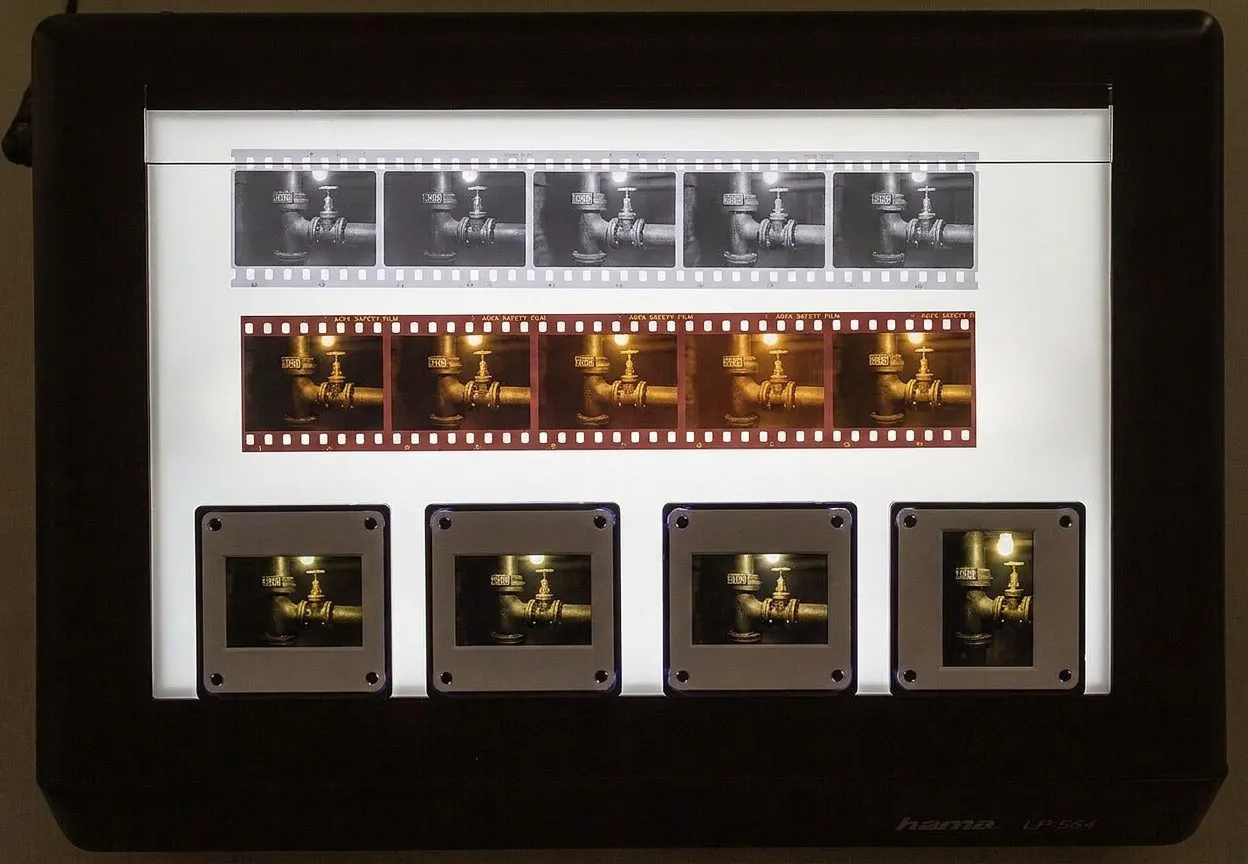
The access point visible from the William Street loading dock stairwell offers a narrow sightline into this industrial archaeology. Through the metal grate, you can make out brass junction valves tarnished to a dull gold, their surfaces stamped with alphanumeric codes that once directed carriers to specific stations. The valve marking appears to indicate a Produce Exchange terminal near Bowling Green. The valve's lever arms are frozen in place, untouched for seventy years.
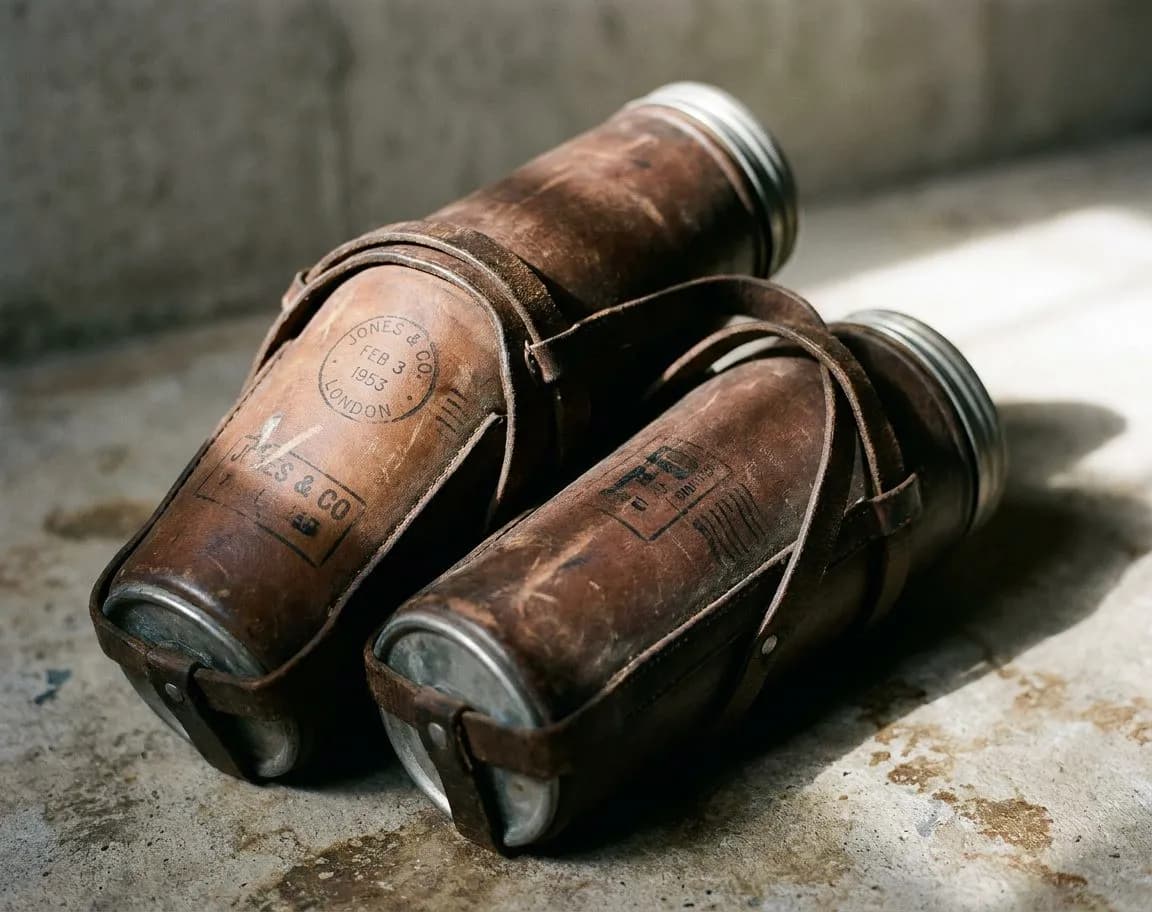
More striking still are the leather carriers themselves—cylindrical capsules roughly the size of a wine bottle, their hide straps dried and cracked but structurally intact. Three of these carriers, lodged against a junction elbow where they likely jammed during the final weeks of operation, still contain interoffice memos dated March 1953, visible through split seams in the leather. The memos are too faded to read from the grate, but their presence is unmistakable: onionskin paper, the ghostly blue of carbon copies, the bureaucratic detritus of a system's last breath. No one has retrieved them. No one has tried.
Thursday Morning Glimpses
The building engineers who maintain the HVAC systems occasionally unlock the utility door for maintenance calls, and the timing follows a loose pattern. The William Street access grate is typically unlocked during service rounds early Thursday mornings between 6am and 8am, when technicians check airflow in the sub-basement zones that abut the old tube corridors. There are no public tours, no official acknowledgment that the tubes even exist. But if you happen to be in the loading dock stairwell during that narrow window—perhaps delivering a package, perhaps simply curious—the door may be propped open with a rubber wedge, and the tile-lined darkness beyond becomes briefly, tantalizingly accessible.
It's worth noting that this is not a sanctioned visit. Building management does not advertise the access point, and trespassing regulations apply. But for those interested in one of the city's more peculiar free things to do—observing, from the threshold, a piece of infrastructure that predates the subway system and survives in functional obsolescence—the Thursday morning pattern is the closest thing to a viewing opportunity that exists.
Cast Iron and City Memory
The materiality of the pneumatic system speaks to an era when infrastructure was built to last centuries, not decades. The cast-iron tubes, each segment roughly ten feet long and joined with flanged bolts, could withstand internal pressures of fifteen pounds per square inch—more than enough to accelerate a two-pound carrier to highway speeds in the span of a city block. The tile linings in the tube corridors, white glazed ceramic now furred with decades of dust, were installed to facilitate maintenance access and reflect the dim incandescent bulbs that once lit inspection rounds.
Walking the Financial District today, it's easy to forget that nearly every block south of Fulton conceals layers of abandoned infrastructure—old subway spurs, coal chutes, water mains from the Croton Aqueduct, and yes, pneumatic tubes. The city builds over itself in sedimentary fashion, each era leaving fossils. This particular fossil network is exceptionally well preserved precisely because it was never repurposed. No fiber optic cables thread through these tubes, no steam pipes co-opted the corridors. The system simply stopped, and stayed stopped, a sealed time capsule in cast iron.
Context for Fall 2026
As lower Manhattan continues its residential conversion—office towers reimagined as luxury condos, street-level retail churn accelerating—the question of what to do with relics like the pneumatic tubes grows more pressing. A handful of preservation advocates have floated the idea of a small museum installation, perhaps in the lobby of a renovated William Street building, but funding and access remain thorny. For now, the tubes endure in a peculiar limbo: protected by sheer neglect, invisible to all but the engineers who step over them during maintenance rounds and the occasional urban explorer who knows where to look.
The irony, of course, is that the pneumatic system was designed to speed communication in an age when a crosstown letter might take half a day. Now we send messages at the speed of light, and the tubes that once seemed like science fiction are curiosities, their thirty-mile-per-hour transit quaint beyond measure. Yet standing at that grate, peering into the tile-lined darkness where leather and brass and cast iron wait in silence, you feel the tug of a different kind of speed—the slow, geological patience of infrastructure that outlasts its purpose and simply endures.
Practical Notes
The William Street access point is located in the sub-basement loading dock area of an office tower between Maiden Lane and John Street; verify current building access policies directly, as loading dock entry is typically restricted to tenants and service personnel. Nearest subway: Wall Street (4/5), Fulton Street (A/C/J/Z/2/3/4/5). Street parking is scarce and expensive; public garages exist on nearby Gold and Pearl Streets. No official hours or tours exist. The grate itself is visible from the loading dock stairwell during business hours, though the utility door behind it is locked except during maintenance windows. Accessibility: the stairwell involves one flight of stairs; no elevator access to this sub-basement level. Bring a flashlight if you hope to see detail through the grate.
Tags: #TheOddEdit #ForgottenNYC #PneumaticTubes #FinancialDistrict #UrbanArchaeology #NYCHistory #HiddenNewYork #LowerManhattan #InfrastructureHistory #WilliamStreet #Fall2026 #PostalHistory #CastIron #BowlingGreen #NYCExploration
Please drink responsibly. Must be of legal drinking age.
Sources consulted: Wikipedia: Pneumatic Tube Mail in NYC · Smithsonian: History · NYC Landmarks Preservation Commission · New York Times: NY Region · Wikipedia: Financial District
All trademarks are the property of their respective owners.