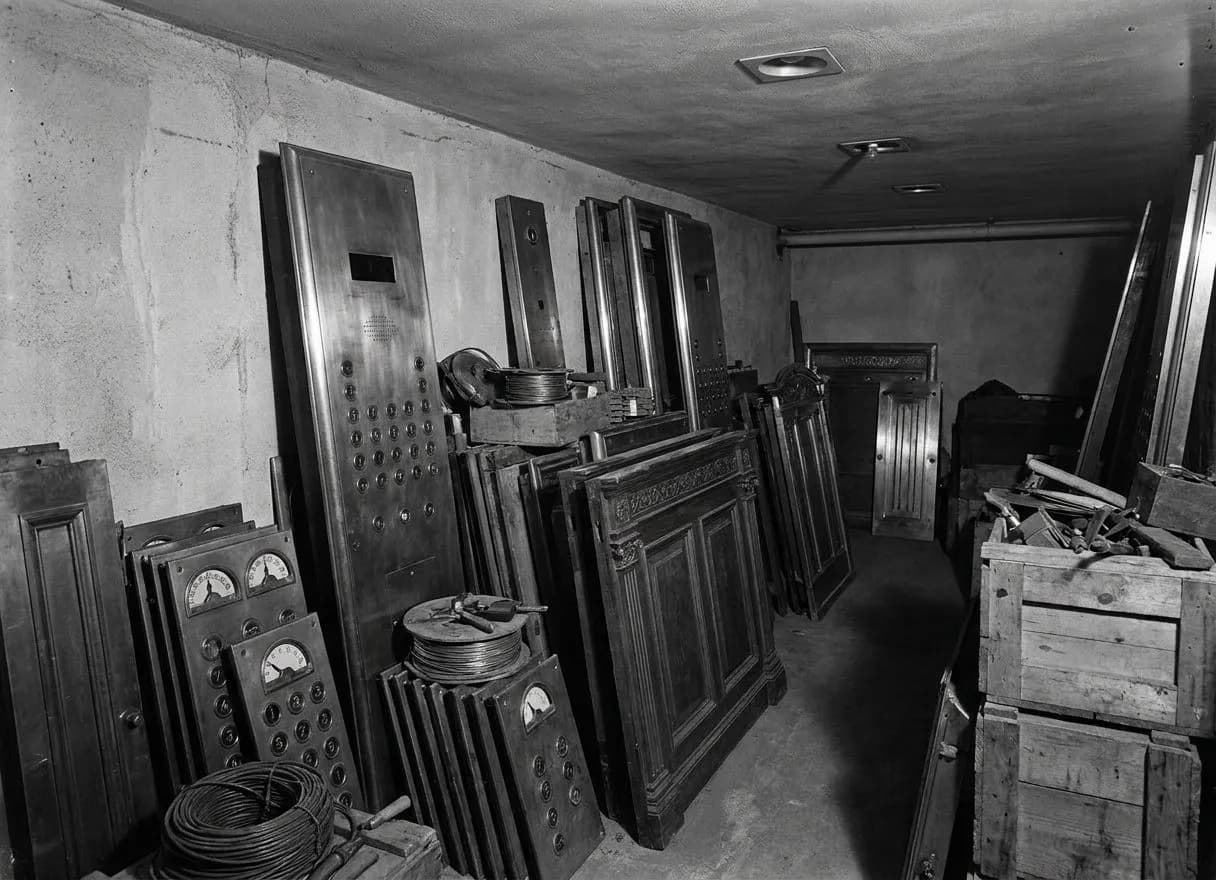
Most people photograph the Flatiron Building from Madison Square Park, admiring Daniel Burnham's triangular profile against the sky. Few realize that beneath the marble lobby lies a different kind of architectural treasure: a basement storage room housing the building's original elevator components, preserved since the day they were decommissioned in 1964. The brass operator control panels, floor indicator dials, and mahogany cab paneling represent more than vintage hardware. They're tactile records of sixty years of vertical transit, complete with wear patterns from thousands of gloved hands guiding Manhattan's earliest white-collar commuters between floors. It's industrial archaeology in the most literal sense—and one of the city's quieter acts of preservation.
The 1902 Otis Installation
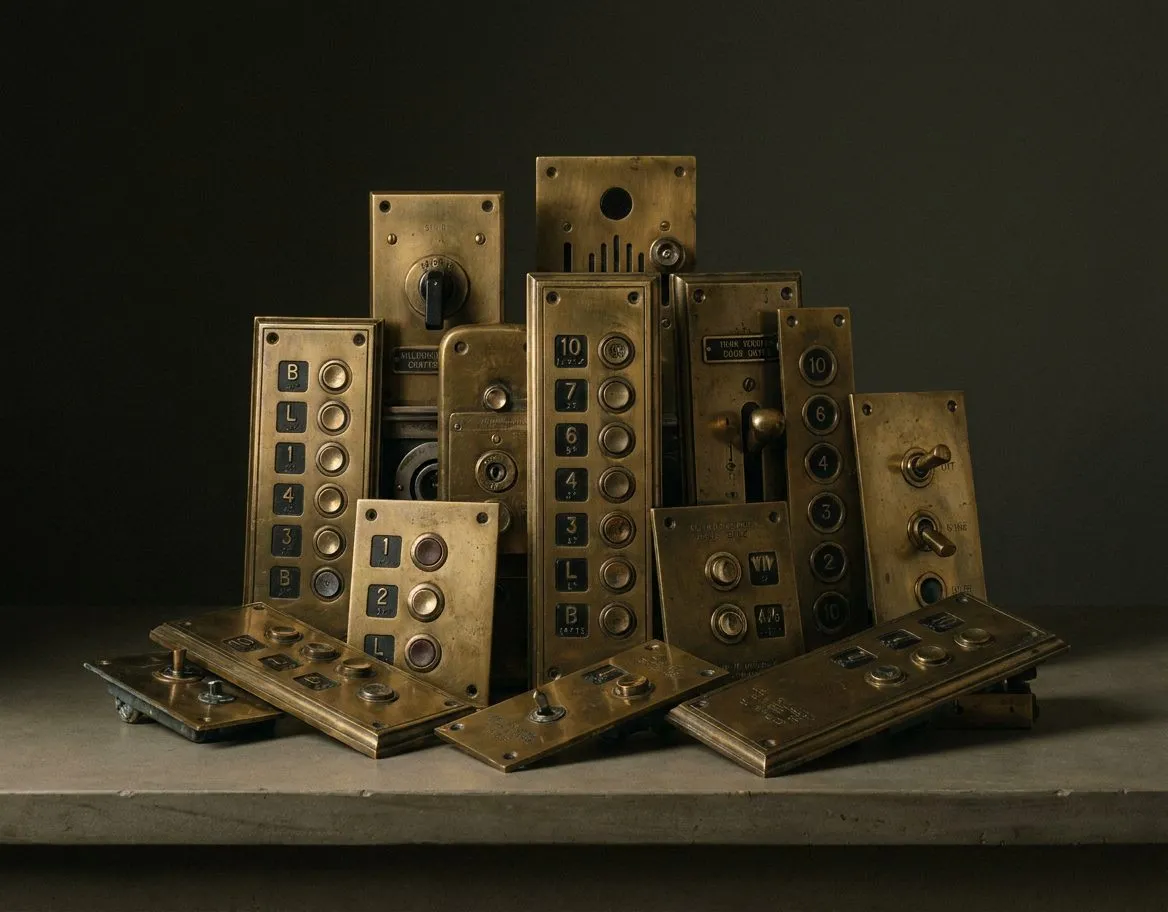
When the Flatiron opened in 1902, its elevator system was a marvel of Gilded Age engineering. Otis designed twelve hydraulic elevators operated by trained attendants who controlled ascent and descent through brass panels mounted inside each cab. The operator faced a vertical array of hand-engraved floor buttons, a dial indicating cable tension, and a master lever that regulated speed. Mahogany paneling lined the interior walls, and the floor indicators used serif typeface that matched the building's limestone and terracotta ornament. For six decades, these elevators were the building's circulatory system, moving tenants and visitors through twenty-two stories of office space.
The components in the basement collection show the evolution of that daily choreography. Cable drum fragments still bear grease marks. Operator instruction plates, mounted originally at eye level inside each cab, outline protocols in meticulous detail. The typeface alone—crisp, authoritative—speaks to an era when mechanical systems required human interpretation and split-second judgment.
What Sixty Years of Gloved Hands Leave Behind
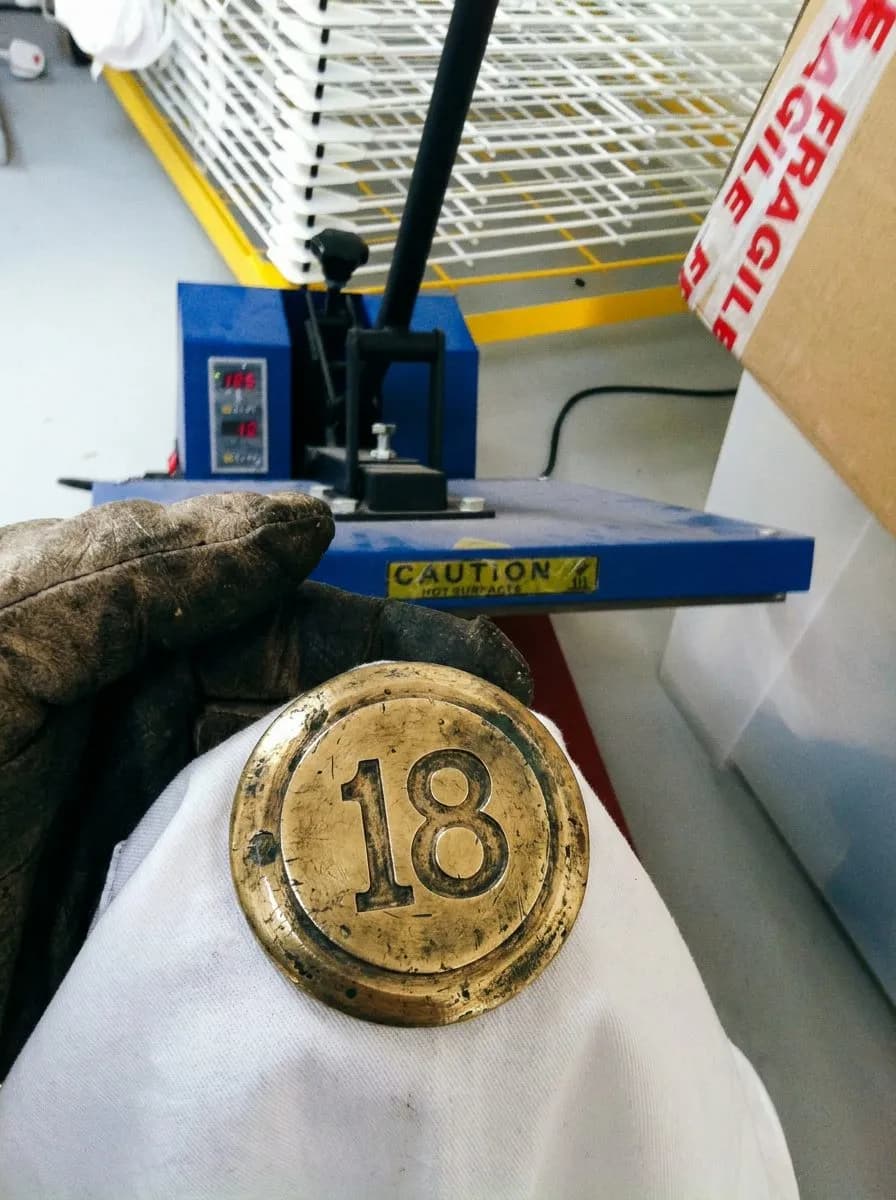
Stand close to the brass floor buttons and you'll notice something the building's historian loves to point out: the brass retains a green patina from decades of gloved operator hands pressing the same controls, shift after shift. But the wear isn't uniform. Buttons for floors two and eighteen show the most erosion, their engraved numerals softened by friction. The second floor housed tenant mailrooms and reception desks; the eighteenth held executive suites and legal offices. The material record tracks human traffic patterns as clearly as any ledger.
The patina itself has a kind of beauty—teal-green blooms against golden brass, each button a small landscape of oxidation. It's the aesthetic of use, not decoration. In an age when most vintage elevator panels get polished into ahistorical shine or sold to salvage dealers, these pieces retain their working scars. The building management resisted the urge to restore them, understanding that the wear was the story.
Emergency Protocols and High-Wind Warnings
The original 1902 operator instruction plates deserve their own examination. Mounted inside each cab at shoulder height, they specified hand signals for emergency stops and included warnings about cable slack during high winds—a concern for a narrow, twenty-two-story building exposed to gusts sweeping across Madison Square. Operators were trained to recognize the subtle sway and adjust speed accordingly, a blend of mechanical skill and bodily intuition that no automation could replicate. The plates also detailed protocols for power failures, a frequent occurrence in early-century New York when electrical grids were still unstable.
Reading those instructions today, you're struck by the level of responsibility placed on a single person. An elevator operator wasn't just pressing buttons; they were managing physics, reading weather, and ensuring passenger safety in a system with narrow tolerances. The serif typeface and formal phrasing underscore the seriousness of the role. It was a skilled trade, unionized and respected, before the profession vanished almost overnight in the 1960s.
The 1964 Conversion and the Decision to Save
When the Flatiron converted to automatic push-button elevators in 1964, most of the original components were slated for scrap. But someone—likely a forward-thinking building superintendent or preservation-minded tenant—made the call to store rather than discard. The brass panels, mahogany cab interiors, and floor indicators were crated and moved to a basement room where they've remained for more than six decades. It wasn't a formal archive at the time, just pragmatic salvage. Over the years, as interest in early-twentieth-century infrastructure grew, the collection gained recognition among architecture historians and transit enthusiasts.
Building management occasionally displays pieces in the lobby during Flatiron history events, giving the broader public a glimpse of the mechanical past. But the full collection stays below grade, climate-controlled and cataloged. It's a reminder that preservation doesn't always require a museum. Sometimes a basement and institutional memory are enough.
Accessing the Collection
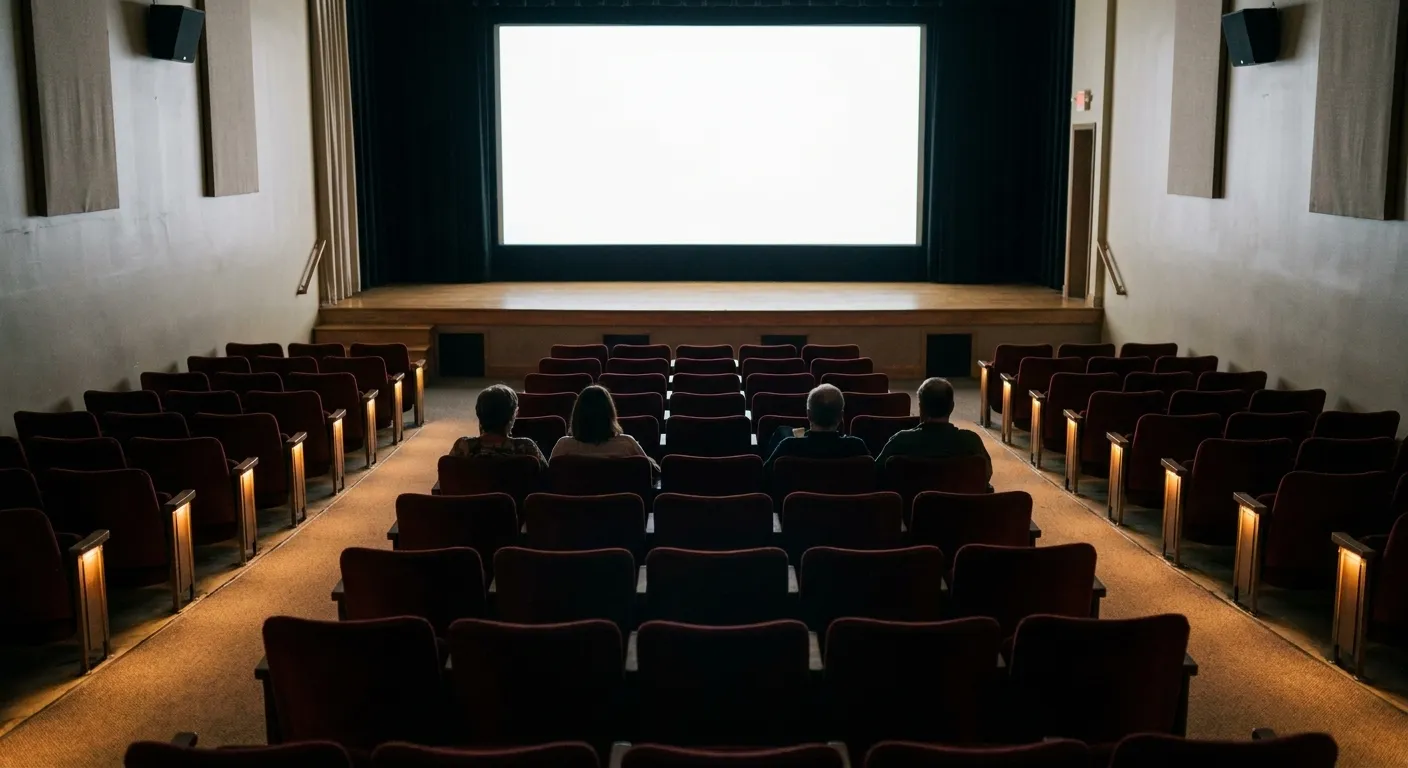
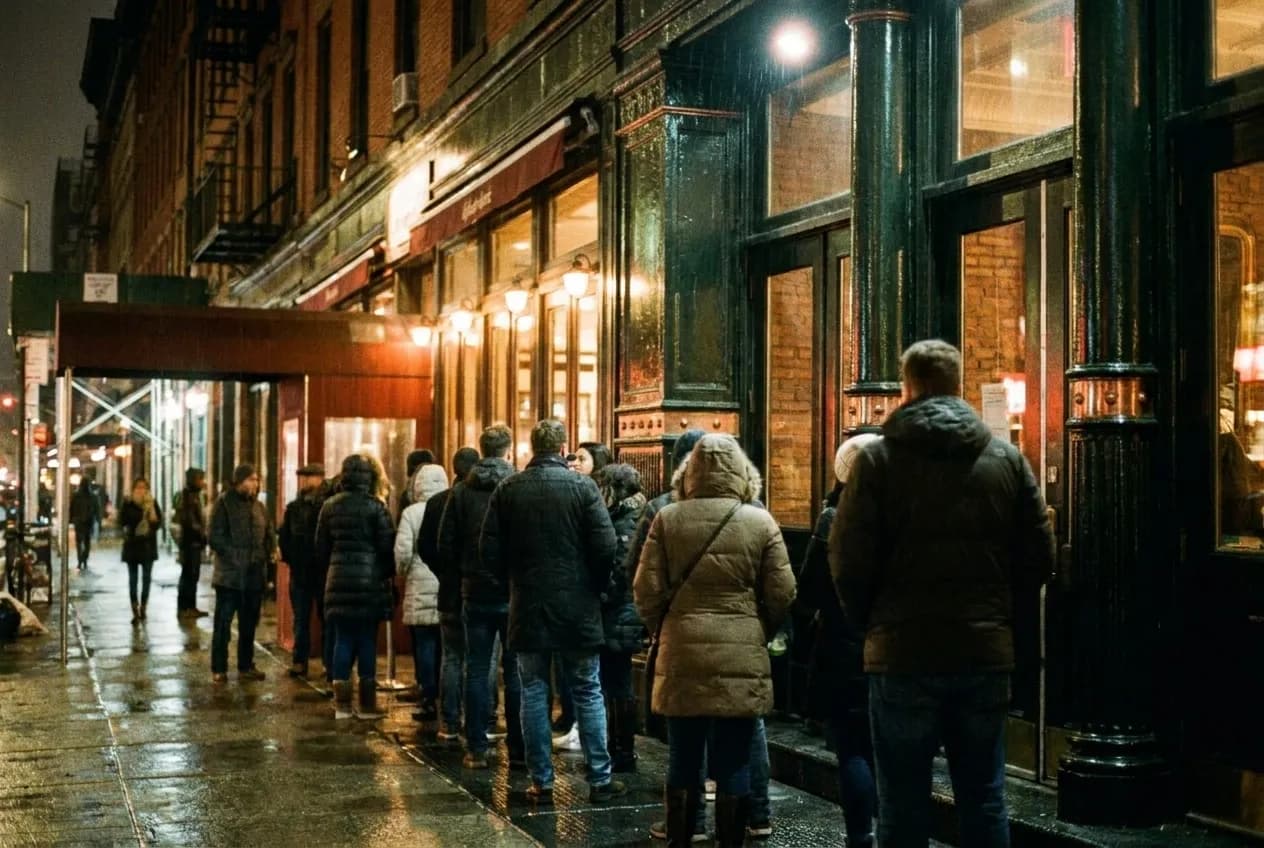
Access to the basement archive is restricted, which makes sense given the building's active status as a commercial property. But the building's historian leads occasional tours by appointment for architecture and transit history groups, and those sessions offer a rare chance to see the components up close. During Open House New York weekend in October, the building may offer special tours that provide forty-five-minute access to small groups, allowing visitors to examine the panels, read the instruction plates, and trace the wear patterns on the brass buttons. It's one of the weekend's quieter offerings, appealing to the kind of visitor who values material history over Instagram backdrops.
There are no public hours, and you won't find this collection listed on most maps of free things to do in the city—though technically, when access is granted during open-house events, admission is free. The experience depends on timing, persistence, and a bit of luck. Inquire via building management for details on special access during preservation events, and be prepared to wait. The best approach is patient interest rather than expectation.
Why It Matters Now
In a city that constantly erases and rebuilds, the Flatiron's elevator archive is a small act of resistance. It's not glamorous preservation—no velvet ropes, no wall text, no gift shop. Just components stored in a basement because someone decided they mattered. As the city moves deeper into 2026 and conversations about infrastructure, labor history, and adaptive reuse intensify, collections like this one offer grounding. They remind us that buildings are lived systems, shaped by the people who operated them, and that the objects we choose to save say something about what we value. The brass patina, the worn buttons, the hand-engraved numerals—they're all evidence of care, repetition, and the dailiness of working life in early Manhattan. That's worth a basement tour.
Practical notes
The Flatiron Building stands at 175 Fifth Avenue at East 23rd Street. Nearest subway: N, R, W, and 6 trains to 23rd Street / 23rd Street area (verify exact station access). Street parking is limited; consider public transit. The basement archive has no regular public hours. Access is limited and may be available only through special events such as Open House New York weekend in October. Tours are limited to small groups and require advance inquiry. The basement is not ADA-accessible due to narrow stairways. Bring a notebook if you're interested in architectural detail; photography policies vary by event. Verify access directly with building management well in advance of any planned visit.
Tags: #FlatironBuilding #TheOddEdit #NYCHistory #ElevatorHistory #IndustrialArchaeology #ManhattanArchitecture #OpenHouseNewYork #PreservationNYC #TransitHistory #OtisElevators #GildedAgeNYC #HiddenNYC #ArchitectureTour #FlatironDistrict #Summer2026
Sources consulted: Flatiron Building - Wikipedia · Elevator Operator - Wikipedia · NYC Landmarks Preservation Commission · Otis Elevator Company History · 6sqft - Flatiron Building
All trademarks are the property of their respective owners.