 Events Near Me in Little Havana: Calle Ocho Closes the Street for Miles
Free Things to Do
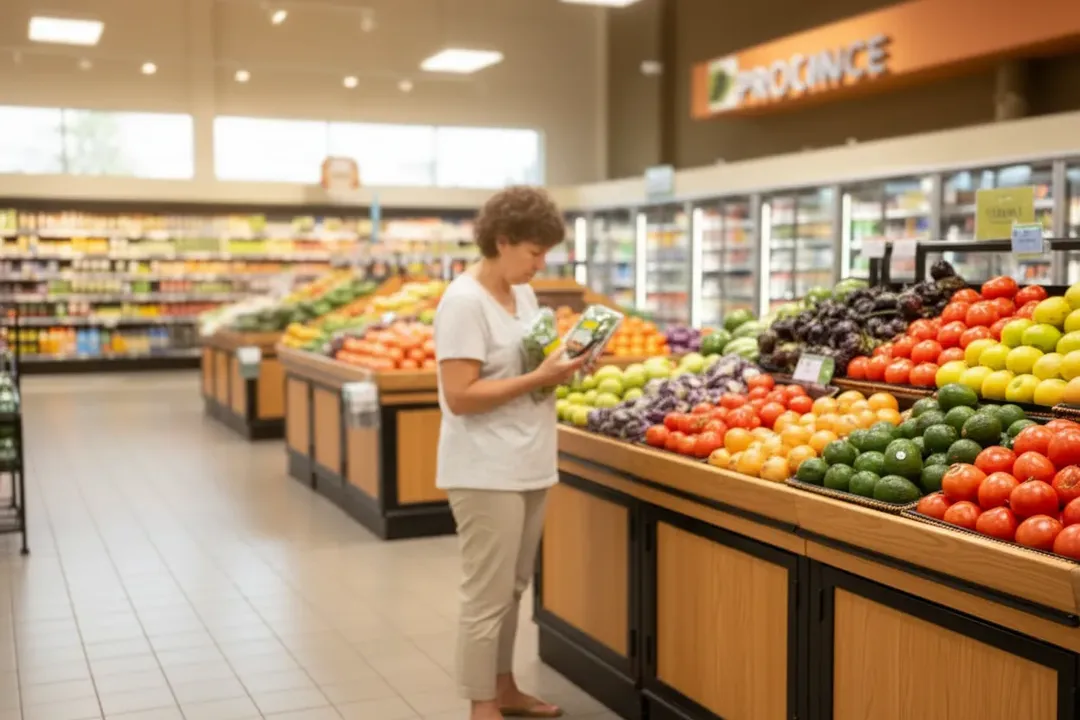
food recalls: Miami Grocery Safety and Picnic Planning Guide
A Miami grocery and picnic checklist for checking official recalls, keeping food cold, and changing plans when heat or storms move in.
Miami shoppers searching food recalls on Thursday, August 6, 2026, should treat the alert as a verification task, not a panic signal. The practical move is to check the product name, brand, lot code, package size, and recall reason against official databases before building a grocery run or packing food for a park. That matters here because Miami picnic plans often mix supermarket stops, rideshare or transit time, outdoor heat, sudden storms, and coolers that sit open too long. This guide keeps the decision local: confirm the recall, shop with labels visible, pack cold food conservatively, and choose public spaces or indoor backups that still work if the weather turns.
Want a Miami recall-and-picnic check before you leave? Text Karpo for official-source prompts, cooler timing reminders, and park backup ideas built around your grocery stop.
FDA Recall Table on Your Phone at Publix, Presidente, or Sedano's
Start with the FDA recalls page before assuming a Miami shelf is affected. The page lists FDA-regulated recalls, market withdrawals, and safety alerts, but it also warns that not every recall has a press release or appears there. That means the shopper's job is narrow: match the exact brand, description, package size, date, and lot information on the item in hand, then follow the company's listed return or disposal instructions.
At the store, do not rely on a headline, a repost, or a photo of similar packaging. If the recall entry names an allergen, contamination risk, or foreign material issue, treat mismatched lot codes as unresolved until verified with the retailer or manufacturer. Solo shoppers can do this quickly at the cart; families should assign one adult to label-checking while another handles children and cold items so refrigerated food is not left warming during the search.
USDA Meat and Poultry Recalls Before a Tropical Park Cooler
For burgers, deli meat, poultry, and prepared meat products, check USDA FSIS recall information separately from FDA listings. FDA covers many foods, but FSIS handles meat, poultry, and some egg products, so one database is not enough for a mixed picnic cooler. If a product page is unavailable, slow down and verify through the store service desk, the brand's recall notice, or FoodSafety.gov's recall tools before buying or serving it.
The tradeoff is time, but the payoff is avoiding a vague yes-or-no decision. Miami grocery trips often include multiple stops, especially when families split produce, bakery, and meat purchases across stores. Keep receipts until the meal is over, photograph lot codes for shared dishes, and avoid repacking meat into unlabeled containers before the picnic. If someone else bought the food, ask for the label details instead of guessing from memory.
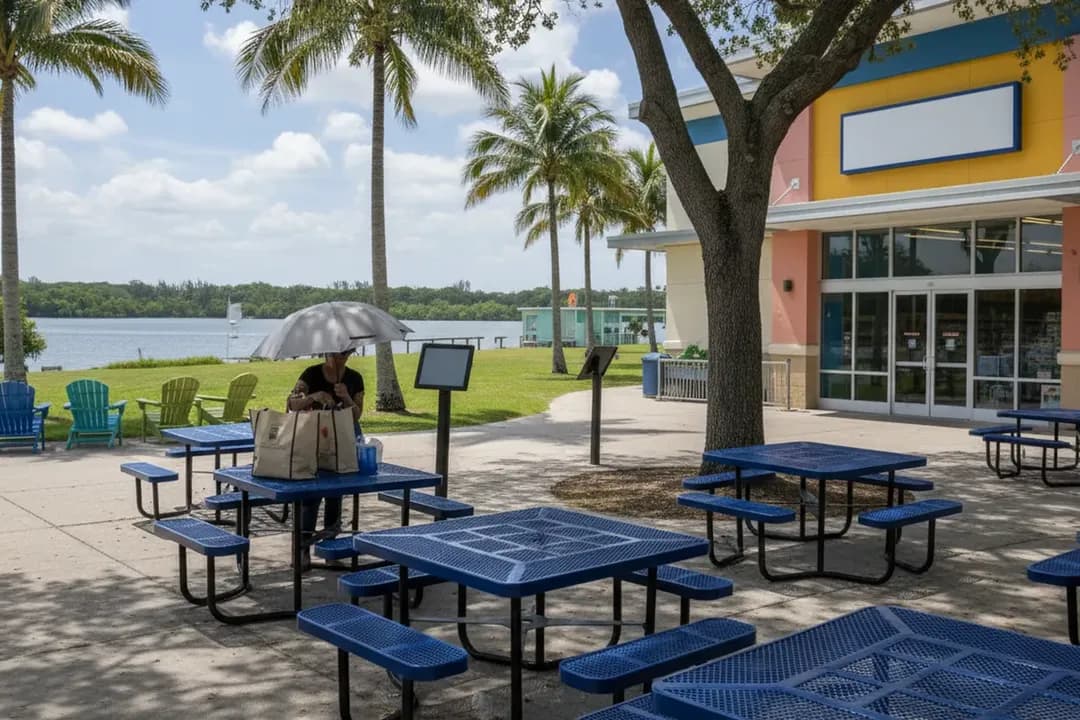
Cooler Timing for Bayfront Park, Maurice A. Ferre Park, or Virginia Key
FoodSafety.gov says bacteria that cause food poisoning grow rapidly between 40°F and 140°F, and it recommends two cold sources for perishable lunches when refrigeration is not available. In Miami, that guidance should shape the route. Buy cold items last, use insulated bags even for a short drive, and put picnic food directly into a cooler rather than leaving it in a trunk while parking, unloading, or waiting for friends.
For waterfront parks such as Bayfront Park, Maurice A. Ferre Park, or Virginia Key, plan a shorter menu instead of a longer spread. Shelf-stable snacks, whole fruit, sealed drinks, and foods served straight from the cooler create fewer failure points than trays that sit out while people swim, take photos, or wait for shade. If the cooler ice is melting fast or food feels warm, the backup is simple: skip serving it and buy a fresh indoor meal.
Miami-Dade Park Rules for Picnic Tables, Grills, and Shelters
Miami-Dade park rules make the picnic location part of the safety plan. Picnicking and cooking are limited to designated areas, and larger picnic shelters normally require advance reservations for a specific time and duration. The rules also say shelters can be used without charge during unreserved periods, but reserved use controls access. Before inviting a group, verify the specific park page or reservation status rather than assuming every table or shelter is open.
Grill plans need the same caution. County rules restrict fires to approved grills, stoves, fireplaces, or suitable containers, and require fires to be extinguished before leaving. That makes ready-to-eat cold food easier for solo visitors, seniors, and families with strollers. For larger groups, a reserved shelter can reduce crowding and shade uncertainty, but it adds permit responsibility, cleanup rules, and vendor limits that should be checked before anyone brings equipment.
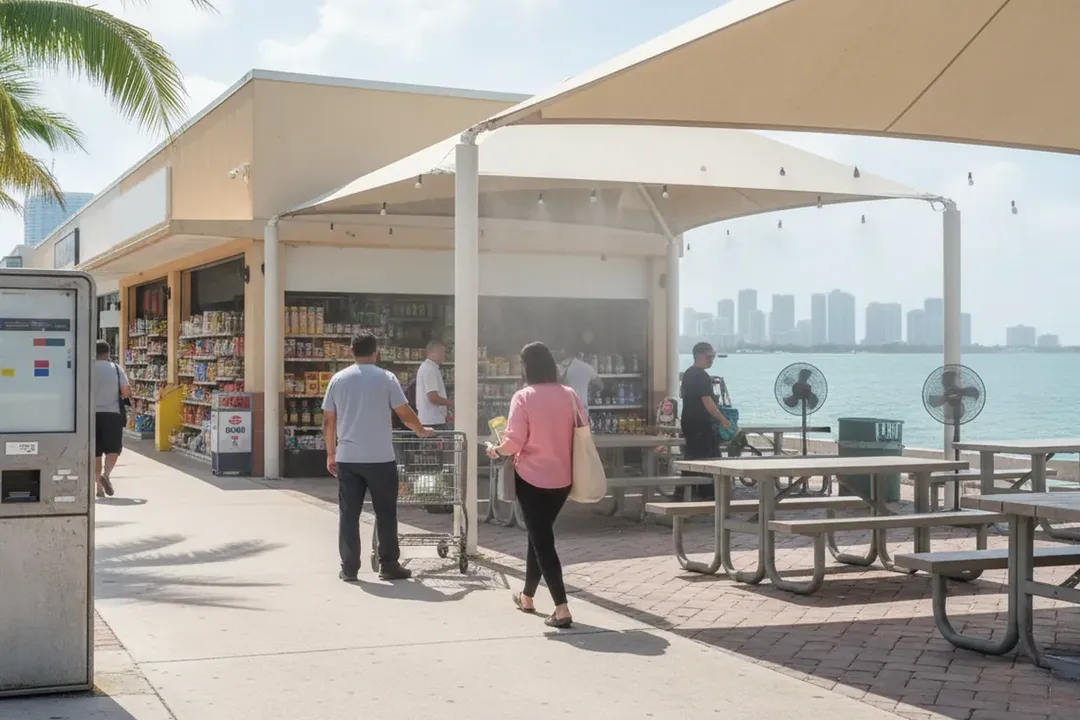
Metromover and Trolley Choices for Downtown Picnic Stops
If the plan is Downtown, Brickell, or the Biscayne corridor, transit can reduce parking stress but adds timing risk for cold groceries. Miami-Dade describes Metromover as a free elevated people mover serving Downtown Miami, Omni, and Brickell, with stations near major destinations. It also posts service messages and elevator or escalator status, so check alerts before carrying a cooler, stroller, or mobility device to a station.
The City of Miami trolley can also help around the Biscayne and Brickell area, including stops listed for Bayfront Park and Maurice A. Ferre Park, but route hours and service conditions should be confirmed the day of travel. Transit works best for shelf-stable food, sealed drinks, and compact coolers. If the route requires long waits, transfers, or stairs during an elevator outage, switch to a nearby indoor meal or a shorter park visit.
NWS Miami Heat, Radar, and Storm Checks Before Leaving Home
The National Weather Service Miami-South Florida page is the weather gate for this plan, not a casual glance at the sky. Its local page links to current hazards, radar, hourly forecasts, heat information, beach forecasts, and tropical weather. On an August afternoon, a picnic can fail because of heat, lightning, or heavy rain even when the grocery list is safe, so check conditions before packing perishable food.
Build the plan around a clear stop rule. If a heat alert, fast-building storm, or nearby lightning risk appears, move the meal indoors before the cooler is opened. Families with children, older adults, or anyone using mobility aids need extra margin because shade, restrooms, and shelter may not be close together. A successful Miami picnic is not the one that pushes through weather; it is the one that changes location early.
Receipt, Lot Code, and Return Check at Home After the Picnic
The last step happens after the grocery trip, not after someone feels unwell. Keep product packaging or a photo of the label until leftovers are handled, especially for nut butters, frozen desserts, prepared meals, deli items, and imported snacks where allergen or lot details matter. If a new recall appears later, the label and receipt let you compare exact information and contact the retailer without relying on memory.
Before eating leftovers, repeat the verification action: check FDA for FDA-regulated products, USDA FSIS for meat and poultry, FoodSafety.gov for recall links and outdoor handling guidance, Miami-Dade park rules for future reservations, and NWS Miami for the next weather window. If product exposure cannot be confirmed, do not diagnose or speculate. Separate the item, follow official disposal or return instructions, and choose a fresh meal.
Tags: #Miami #FoodRecalls #GrocerySafety #PicnicPlanning #FDARecalls #USDARrecalls #FoodSafety #MiamiParks #HeatSafety #StormReady #TransitMiami #FamilyPlans #AskKarpo #BeforeYouGo
Sources consulted: Source 1: fda.gov · Source 2: foodsafety.gov · Source 3: weather.gov · Source 4: miamidade.gov · Source 5: miamidade.gov · Source 6: fsis.usda.gov
All trademarks are the property of their respective owners.
Ask Karpo first
Tell Karpo your date, group size, budget, and starting point. We’ll check current access, timing, transit, and the cleanest Miami plan for official recall databases, Miami grocery stops, and public picnic spaces with practical heat-safe backup plans before you head out.
Ask Karpo for more information.
Keep reading
- Events Near Me in Little Havana: Calle Ocho Closes the Street for Miles
 Fast Food Near Me in Miami: Sergio's Runs a Cuban Drive-Thru Ventanita
 Things To Do Near Me: Máximo Gómez Park Open Games, Little Havana