 Mediterranean Food Near Me in Fort Greene: Miss Ada's Garden and Hummus
Neighborhood Guides
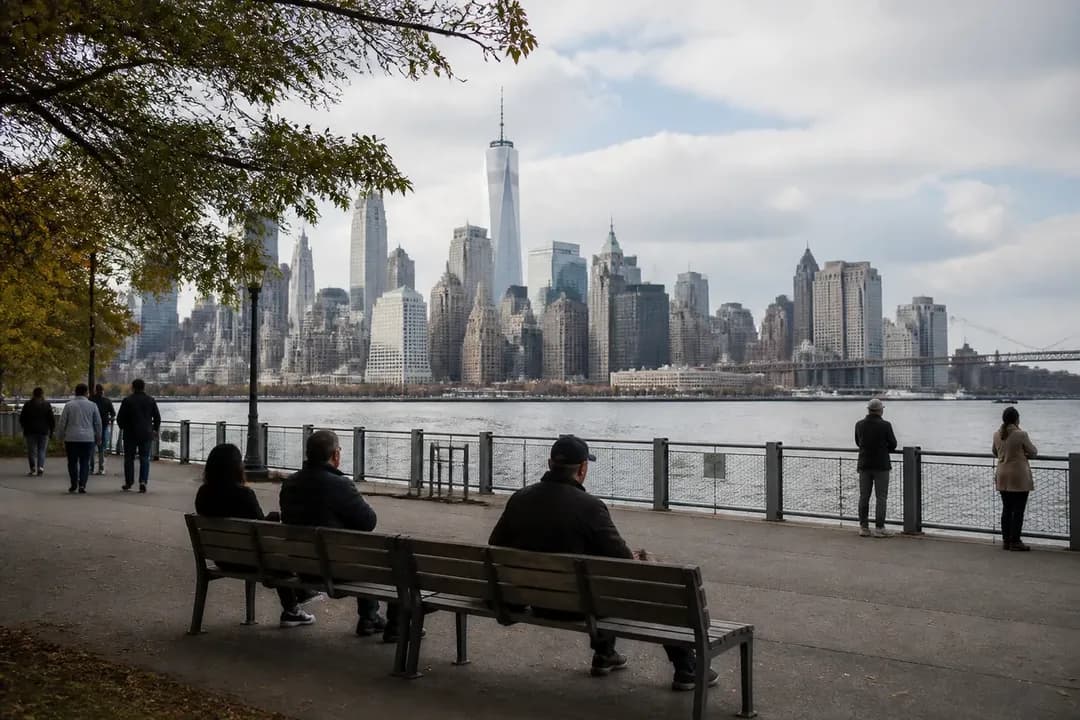
food recalls: How to Navigate NYC Without Guessing
Use food recalls as a prompt to plan NYC meals, neighborhoods, transit exits, and backups with verification before you go.
A food recalls headline can make a New York plan feel suddenly less simple, especially when the day already involves a subway ride, a meal, visitors, kids, or accessibility needs. The useful move is not to panic or assume the headline is about the restaurant you wanted. It is to turn the news into a better planning question: where are you going, what kind of food or activity is the real reason for the trip, and what can you verify before crossing borough lines? The official NYC Tourism material supports a broad truth: New York City offers many choices across five boroughs, from dining and culture to parks, Broadway, museums, shopping, sports, nightlife, waterfront attractions, and budget activities. That variety is helpful only when you separate confirmed details from online noise and treat schedules, tickets, menus, transit conditions, and access needs as live information to check before you go.
Want a tighter plan before you leave? Text Karpo to check neighborhood fit, transit logic, restaurant or venue details, indoor backups, outdoor backups, and what still needs verification for this NYC route.
Translate the headline into a neighborhood question
Start with what the headline actually changes. Food recalls may affect what you decide to buy, serve, or ask about, but they do not automatically prove that a particular NYC restaurant, market, venue, or neighborhood is involved. Treat the phrase as a prompt to verify, not as a local accusation. That distinction matters in a city where one trip can involve a national dining brand, an independent counter, a shop, a park, a ticketed attraction, and a transit ride, each with its own current details.
A useful neighborhood question sounds like this: do we need a dining-heavy route, a culture-heavy route with food nearby, or a backup-friendly route where we can pivot fast? NYC Tourism describes New York City as five boroughs. Manhattan is associated with Broadway, Central Park, and the skyline. Brooklyn is described through nightlife and boundary-pushing cuisine. Queens is presented as a place with a wide range of old-world cuisines and scenic surf. The Bronx is tied to New York City history and culture, hip-hop, baseball history, and its own Little Italy. Staten Island is described as having historic attractions, beach views, global dining options, and a ferry ride away from the rest of the city. Those are broad planning signals, not guarantees about any specific business or hour.
Choose the area by the actual task
If the task is simply dinner, choose a food-dense area and keep the plan compact. NYC Tourism points readers toward Chinese cuisine in Chinatown, Sunset Park, and Flushing. That gives you a practical three-neighborhood decision tree. Chinatown keeps the food plan in Manhattan. Sunset Park makes sense for a Brooklyn-focused day. Flushing is the Queens option when the point is exploring that borough’s food scene. The official extract supports the neighborhood names, but not a specific restaurant, wait time, dish, price, or service schedule, so those details still need confirmation.
If the task is culture plus a meal, build the meal around the venue or area rather than the other way around. NYC Tourism lists a culture-focused Prospect Heights and Crown Heights idea: move from Prospect Park to Brooklyn Botanic Garden to museums for a tour of borough highlights. That sequence is useful as a planning shape because it gives you an outdoor place, a garden or museum idea, and nearby food decisions without turning the whole day into a hunt for one specific table.
If the task is a timely dining promotion, verify the program first. The official NYC Tourism extract says NYC Restaurant Week Summer 2026 runs from July 20 to August 16, with 2-course lunches and 3-course dinners across all five boroughs, starting at $30. That is a precise and useful official detail. It does not mean every restaurant, time, menu, or seating option is available when you want it. Use the program as a shortlist, then confirm the restaurant page, date, menu, and booking or entry details before committing.
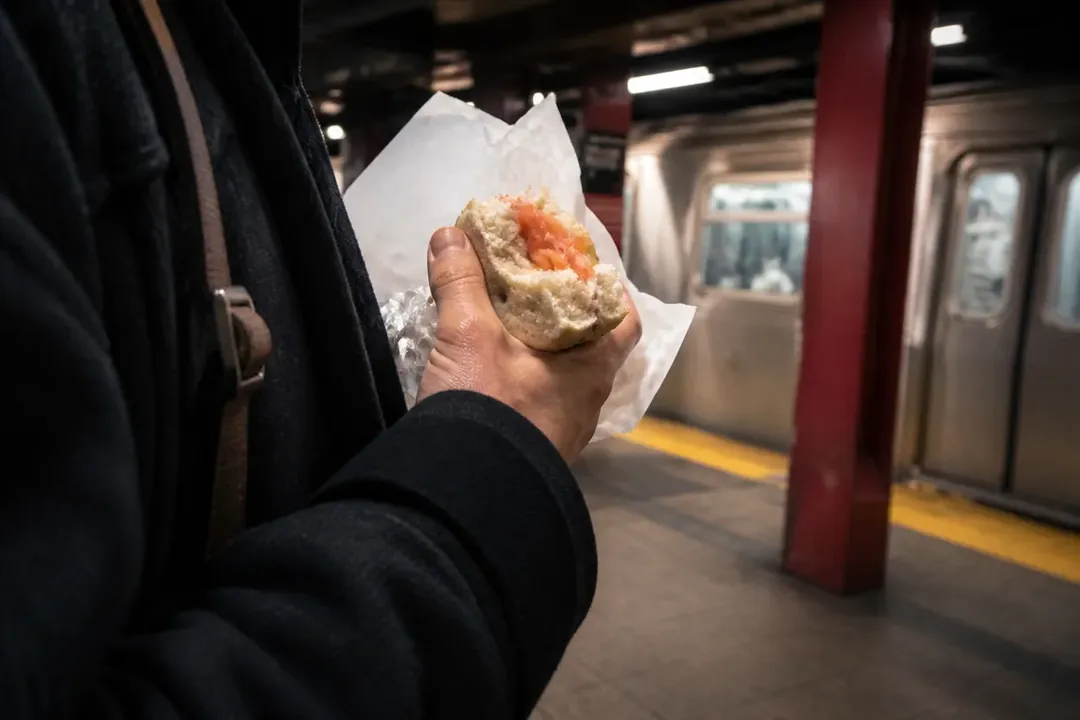
Use transit exits as planning anchors
In New York, a meal plan can feel harder when the arrival point is vague. The official MTA extract available here does not provide route, elevator, service, fare, transfer, or station-exit information. Because of that, do not claim a subway route, travel time, best exit, or accessibility condition from this source set. Treat transit as a current-condition check that belongs on your final pass before departure.
Anchor the day by the first public-space decision after transit. For a Times Square or Broadway plan, the question is whether you are eating before or after the show area and how close you want to remain to the theater district. For a Chinatown plan, decide whether the first stop is food, a walk, or a shop. For Flushing, decide whether the food trip is the whole point or part of a broader Queens day. These are planning choices, not official transit instructions.
Keep the route legible: arrival area, first stop, second stop, backup, return area. That format helps when a food recalls story makes you more cautious about where to eat, because you are not redesigning the city from scratch. You are swapping one food stop inside a neighborhood plan you already understand. Before leaving, check the transit provider directly for current service, route, station, elevator, and exit information.
Add one indoor and one outdoor backup
A strong NYC plan needs two kinds of backups because weather, crowding, closures, comfort needs, and menu concerns do not fail in the same way. Your indoor backup should be a place where the trip still feels worthwhile if food plans change. NYC Tourism’s categories make this easier: Broadway and performing arts, museums and galleries, tours and attractions, events and festivals, shopping, sports, nightlife, and budget arts options all give structure to a day that should not depend on one meal.
Your outdoor backup should be simple and nearby, but the official extracts here do not provide current park hours, closures, permits, conditions, or event impacts. Prospect Park is named within NYC Tourism’s Prospect Heights and Crown Heights cultural route. Central Park is identified as part of Manhattan’s appeal. Brooklyn Bridge Park is described as a waterfront attraction with magnificent views, cultural activities, nature, and spaces for relaxing. Those are supported location ideas, not real-time operating guarantees.
Do not make the backup more fragile than the original plan. If the first restaurant depends on a specific menu, the backup should be easier to verify. If the first activity is outside, the indoor backup should be close enough that you will actually use it. If the group includes a wheelchair user, stroller, older relative, or tired visitor, verify access details from the relevant venue or official source before making the backup official. The NYC Tourism extract includes accessibility-related articles, but it does not provide access instructions for your specific route.
Avoid treating online attention as a local promise
Online attention is good at telling you what people are talking about. It is bad at confirming what will happen on your block at a particular time. A headline about food recalls does not tell you that a specific NYC venue is unsafe, participating in a recall, changing its menu, or expecting unusual crowds. Likewise, a viral restaurant mention does not prove seating, special menus, appearances, affiliations, discounts, or walk-in availability.
This is especially important during citywide dining moments. NYC Tourism describes NYC Restaurant Week Summer 2026 as taking place across all five boroughs from July 20 through August 16, with 2-course lunches and 3-course dinners starting at $30. The practical details still live at the restaurant level. Confirm whether the place you want is participating on your date, whether lunch or dinner applies, and whether the available menu matches the person in your group with the strictest need.
The same skepticism applies to entertainment and sports hooks. NYC Tourism mentions Broadway, 2026 Tony Award winners, TV show tapings with free tickets, NYC Baseball 101, observation decks, walking tours, shopping, nightlife, and budget arts options. Those mentions support the idea that these categories exist as trip anchors. They do not confirm a specific ticket, broadcast, audience seat, performance time, ballpark entry rule, attraction schedule, or availability for your chosen day. Use official guides as starting points, then verify the current page for the specific place or event.
Verify conditions before crossing the city
Before you leave, make a short verification pass. Check the restaurant or venue’s current listing, address, menu or program page, ticket or booking status, entry instructions, and accessibility details. Check transit service, route, elevator information, and the station exit you intend to use from the transit provider directly. If your plan touches a park, waterfront, museum, garden, ballpark, show, taping, or special event, verify current operating conditions from the relevant official source because the extracts here do not provide live conditions.
Then choose your threshold for pivoting. If the restaurant cannot confirm the menu, go to the backup. If the transit route becomes too indirect, move the plan to a closer neighborhood. If the indoor venue has a ticket or entry problem, use the outdoor backup first and eat afterward. Good NYC planning is not about locking every minute. It is about knowing which decision comes next and which details are still unconfirmed.
For a practical route, pick one neighborhood spine and stay honest about the day’s purpose. Chinatown, Sunset Park, and Flushing are supported by NYC Tourism as Chinese cuisine neighborhood options. Prospect Heights and Crown Heights are supported as a culture-filled route moving from Prospect Park to Brooklyn Botanic Garden to museums. Manhattan works when Broadway, Central Park, observation decks, or skyline-oriented sightseeing is the priority. Staten Island should be planned with the ferry ride in mind because NYC Tourism describes its attractions and dining options as all just a ferry ride away.
Tags: #AskKarpo #BeforeYouGo #NYC #NewYorkCity #NeighborhoodGuides #FoodRecalls #NYCDining #NYCRestaurantWeek #Manhattan #Brooklyn #Queens #TheBronx #StatenIsland #TransitPlanning
Sources consulted: nyctourism.com · new.mta.info · nycgovparks.org
All trademarks are the property of their respective owners.
Ask Karpo first
Ask Karpo first when a food recalls headline makes your NYC plan feel uncertain. Karpo can help turn the noise into a route: the right neighborhood, the nearest practical transit anchor, one indoor backup, one outdoor backup, and the exact details to verify before you go.
Ask Karpo for more information.
Keep reading
- Mediterranean Food Near Me in Fort Greene: Miss Ada's Garden and Hummus
 Places To Eat Near Me in Chelsea: The Market Fills a Nabisco Factory
 Seafood Near Me in the East Village: The Mermaid Inn's Dollar Oysters