The single most common way a late meal fails in San Francisco is arriving at a restaurant that is technically open. The door is unlocked, the lights are on, people are still at tables — and the kitchen stopped taking orders twenty minutes ago. Every listing you can search shows a closing time. Almost none of them show the last-order time, which is the number that decides whether you eat. Understanding the gap between those two clocks is most of the skill of eating late in this city.
The gap between a posted closing time and the real last order is where most late meals in San Francisco go wrong. Tell Karpo what time it is and where you are standing, and it will tell you what is genuinely still cooking rather than just still unlocked.
Two clocks, and only one of them is published
A restaurant runs on a closing time and a last-order time, and the distance between them is a business decision. A full-service dining room usually stops the kitchen thirty to sixty minutes before the posted close so the line can break down, the dishwasher can catch up and the last table can finish without staff standing around at double time. A bar with a kitchen stops food earlier still, because the bar keeps earning after the kitchen stops.
This is why walking in fifteen minutes before close so often fails, and why the polite phone call — asking what time the kitchen closes rather than what time you close — is worth the thirty seconds every time. The person who answers will give you a straight answer, and it is frequently different from the number on the internet.
San Francisco's late clock is neighbourhood-shaped
This city stops eating earlier than its size suggests, and it does so unevenly. The areas that keep genuinely late kitchens are the ones with a resident late-working population: parts of the Mission, Chinatown and the surrounding blocks, the Tenderloin's dense restaurant grid, and pockets of the Richmond where the customer base keeps its own hours. Downtown and the financial blocks empty out early and their kitchens follow the office clock, not the clock on the door.
The practical version of that rule: after about 10pm, stop searching by cuisine and start searching by neighbourhood. Choosing the right few blocks first and eating whatever is genuinely cooking there beats picking a dish and driving across town to find a dark pass. It also gives you a fallback within a two-minute walk, which is the whole game late at night.
Signals that a kitchen is really still running
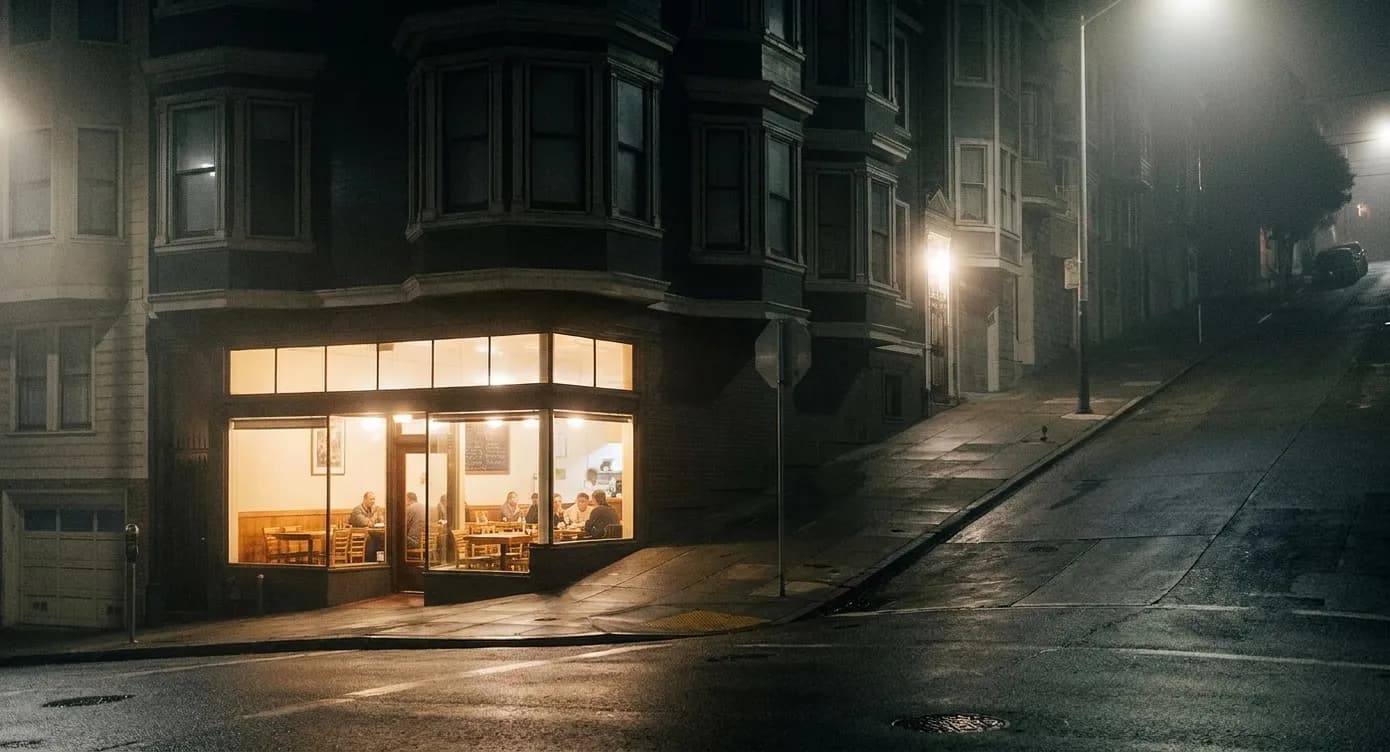
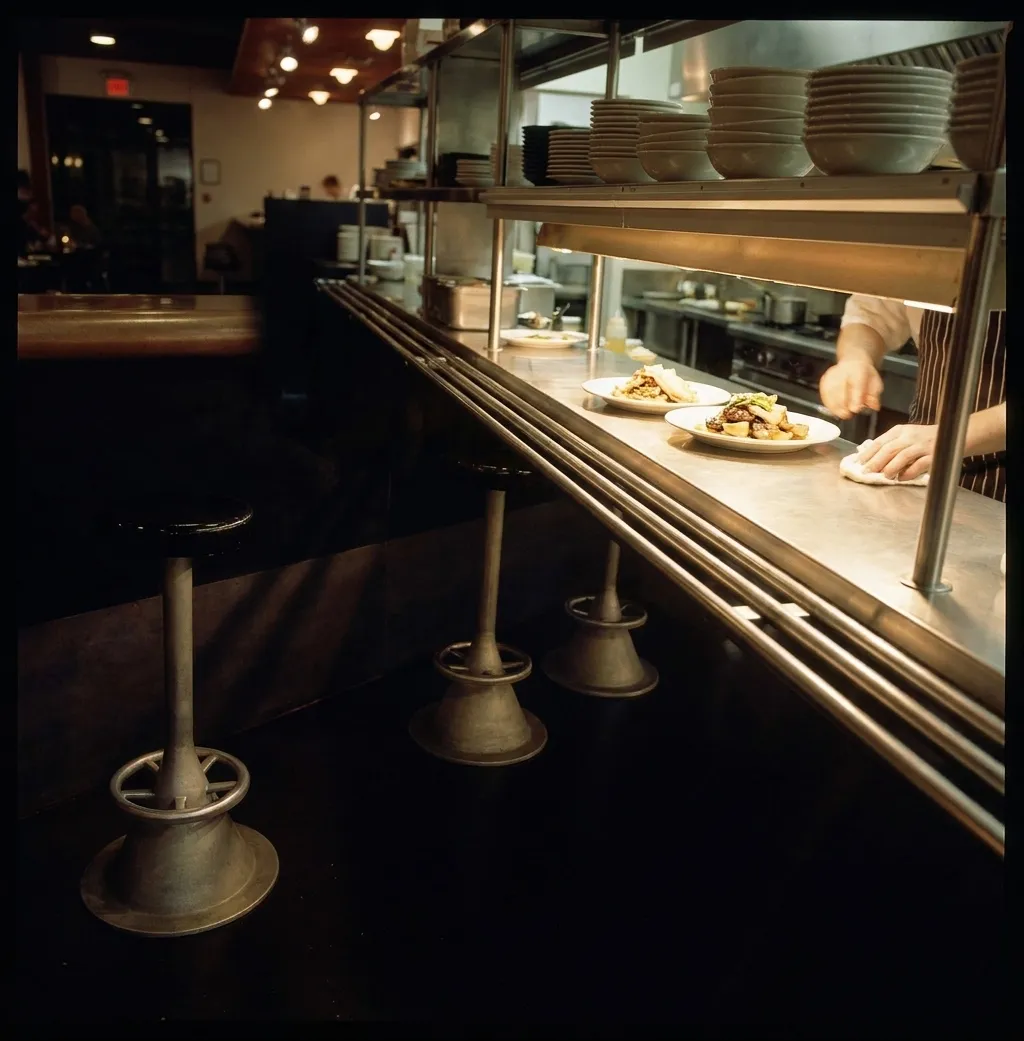
You can read a live kitchen from the sidewalk. Chairs still down rather than stacked on tables, a host stand still staffed, plated food arriving at a table rather than just drinks, and a visible pass with lamps on all mean the line is up. Stacked chairs, a mop bucket out, dining lights raised to full brightness and a bartender doing inventory mean the opposite, regardless of what the door says.
Delivery apps are a second useful signal, and an underrated one. If a restaurant is still accepting delivery orders, its kitchen is by definition still cooking. Checking whether a place will accept an order right now is a faster and more reliable test than reading its posted hours, even if you then walk in and order at the counter instead.
What is dependable when everything else has closed
The formats that stay open latest in San Francisco are the ones with the least to shut down: taquerias with a single griddle, pizza counters selling by the slice, noodle and congee kitchens where service is assembly rather than cooking, and the handful of diners that treat late night as their main shift rather than an afterthought. These places are late because their whole operation is built for it, not because they are stretching.
Weeknights and weekends are also two different cities here. A kitchen that runs to 1am on Friday and Saturday may stop at 9:30 on a Tuesday, and the posted hours often show only the weekend version. Assume the weeknight clock is at least an hour earlier than whatever you read, and you will be wrong less often.
Build a two-option plan, always
The reliable late-night method in San Francisco is to pick a block rather than a restaurant, confirm one place is taking orders right now, and know the second door within a short walk before you leave. Hours change with staffing week to week, holidays scramble everything, and a single closed kitchen should never end the evening.
The reservation trick that buys you an hour
A booking made for the last slot of the evening changes your relationship with the kitchen's clock entirely. A restaurant that stops walk-ins at 9 will still cook for a 9:15 reservation, because that table is already on the books and staffed for. Booking platforms usually show these late slots as available long after the room looks full, precisely because most people do not want them.
It works in the other direction too. If you want to eat late without booking, the window that reliably exists is the one just after the main rush thins — roughly the half hour before last orders, when tables are turning and the kitchen would rather take one more ticket than start cleaning early. Walking in then is far more successful than walking in at the actual cut-off.
Tags: #SanFrancisco #SF #BayArea #Restaurants #WhereToEat #Dining #SFEats #SFGuide #ExploreSF #SFLocal #SFWeekend #SFNights #SFFood #SFLife
Sources consulted: sfchronicle.com · eater.com · sfstandard.com
All trademarks are the property of their respective owners.
Ask Karpo first
Karpo is a proactive AI assistant that lives in iMessage. Ask what is actually cooking near you right now, not just what is unlocked.