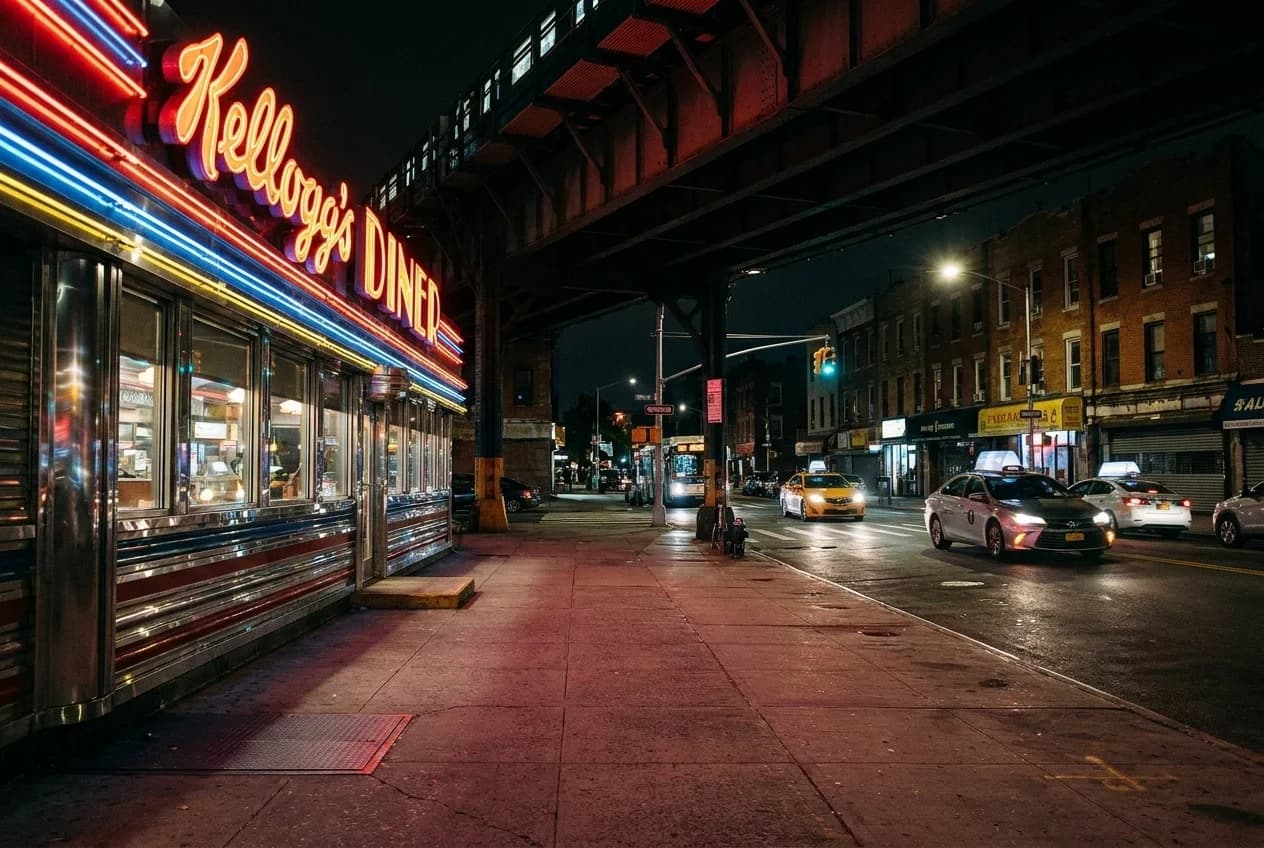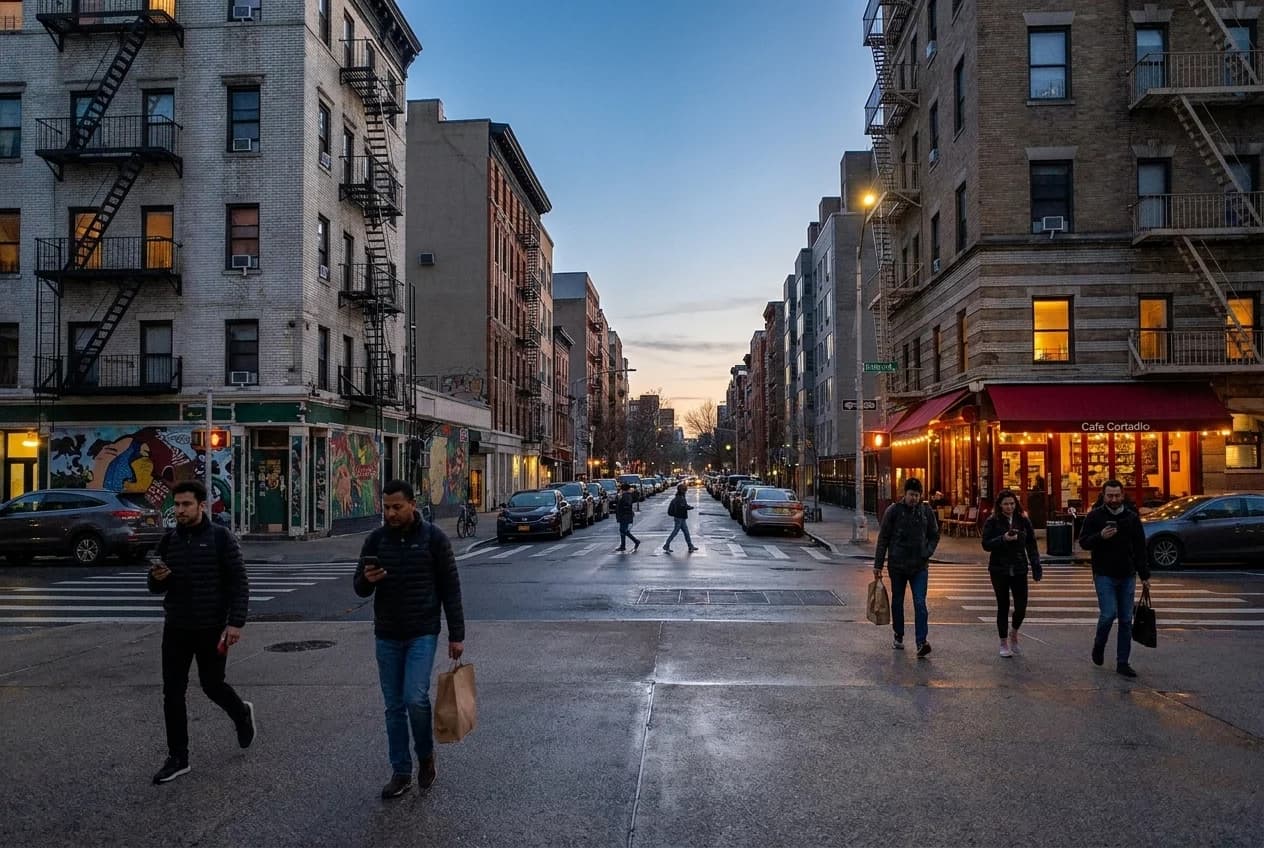
New York does not really have four seasons on its menus. It has two changeovers, and the September one is the bigger of them. Somewhere between the first week of the month and the end of it, a large share of the city's kitchens swap their menus at more or less the same time, for reasons that are only partly about the weather. The result is a two- or three-week window where what is worth ordering is genuinely different from what was worth ordering in August, and where a lot of the internet's advice about this city is quietly out of date.
Menu changeovers are almost never announced anywhere you would find them, and photographs of a dish stay online for years after the dish has gone. Ask Karpo what a kitchen is actually cooking this week rather than what it cooked when the photograph was taken, and you will stop ordering things that no longer exist.
Why everything changes at once
The synchronised part is structural. Restaurant staffing in this city resets in early September - summer cover leaves, people come back from the long August break, and the industry's own calendar treats the week after Labor Day as the start of the working year. A kitchen that wants to introduce a new dish or a new section wants a full brigade to run it, so the changes queue up behind that date and then all land within a fortnight.
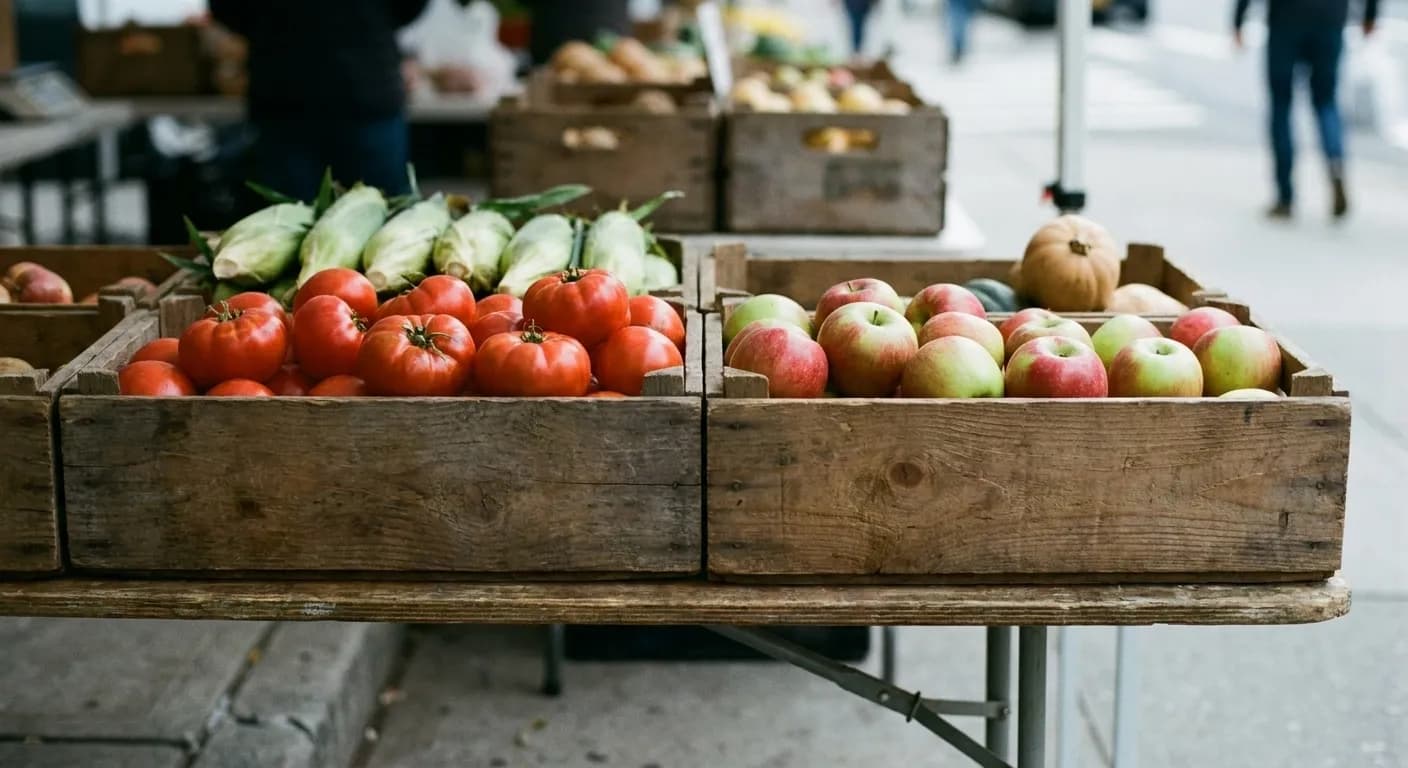
Overlaid on that is a genuine agricultural handover. Early September is the only point in the year when the peak of one season and the start of the next are both on the same market table: tomatoes and corn and stone fruit are still at their best for another two or three weeks, while the first of the apples, the winter squash and the hard greens have already arrived. Nothing else in the calendar gives a cook both halves at once, and the better kitchens spend the window deliberately putting them on the same plate.
What is briefly at its best
The tomato is the obvious one and it is worth being unsentimental about the timing. Field tomatoes in this region peak late and end abruptly - the difference between the second week of September and the first week of October is not gradual. If a menu is running a dish that is essentially raw tomato, this is the fortnight to order it and the rest of the year to avoid it.
Less obvious: this is the best moment of the year for the city's Mexican and Central American kitchens working with fresh corn rather than dried, for anything built on shell beans, and for the small-scale fish that come closer inshore in late summer. It is also, quietly, the best month for a green salad in New York, because the second planting of lettuces arrives before the cold does and it is not stressed by heat the way the July crop is.
What quietly disappears
The rooftops go first, and they go earlier than people expect - a lot of them stop taking bookings well before it gets cold, because the economics of a half-full terrace on a chilly Tuesday do not work. Frozen desserts thin out. Cold noodle dishes come off. The all-day outdoor-heavy formats that carried the summer either fold back inside or shut a section.
The one to watch is the summer pop-up. A considerable number of the most-photographed food experiences in this city between June and August are seasonal by design and simply cease to exist in September, without ever updating a listing or a page. If something you read about looked temporary, it probably was. Check that it exists before you build an afternoon around it.
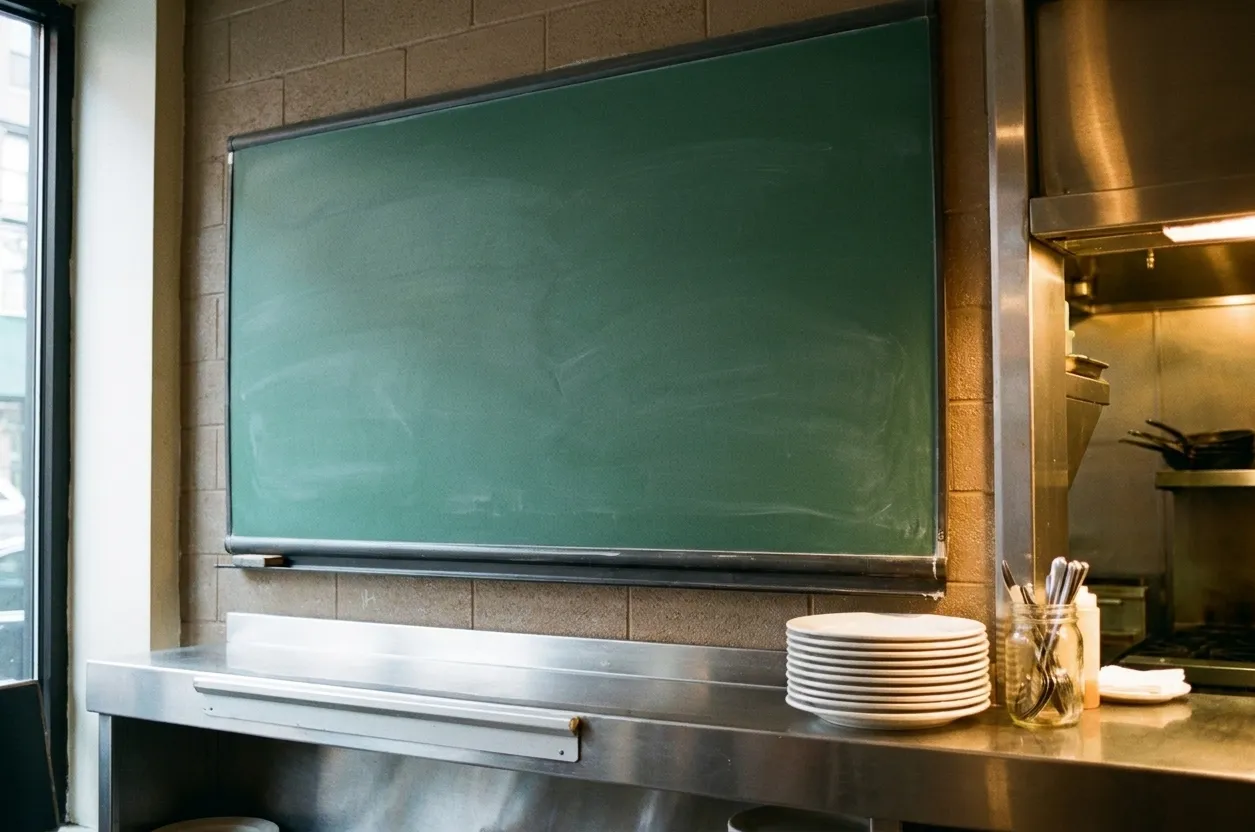
Where the changeover is most visible
The greenmarkets are the cheapest way to watch it happen, and you do not have to buy anything. A market table in the second week of September carries the whole handover in one glance - the last of the peaches next to the first of the apples - and it tells you what the restaurants three blocks away will be cooking about ten days later, because that is roughly the lag between a market and a menu.
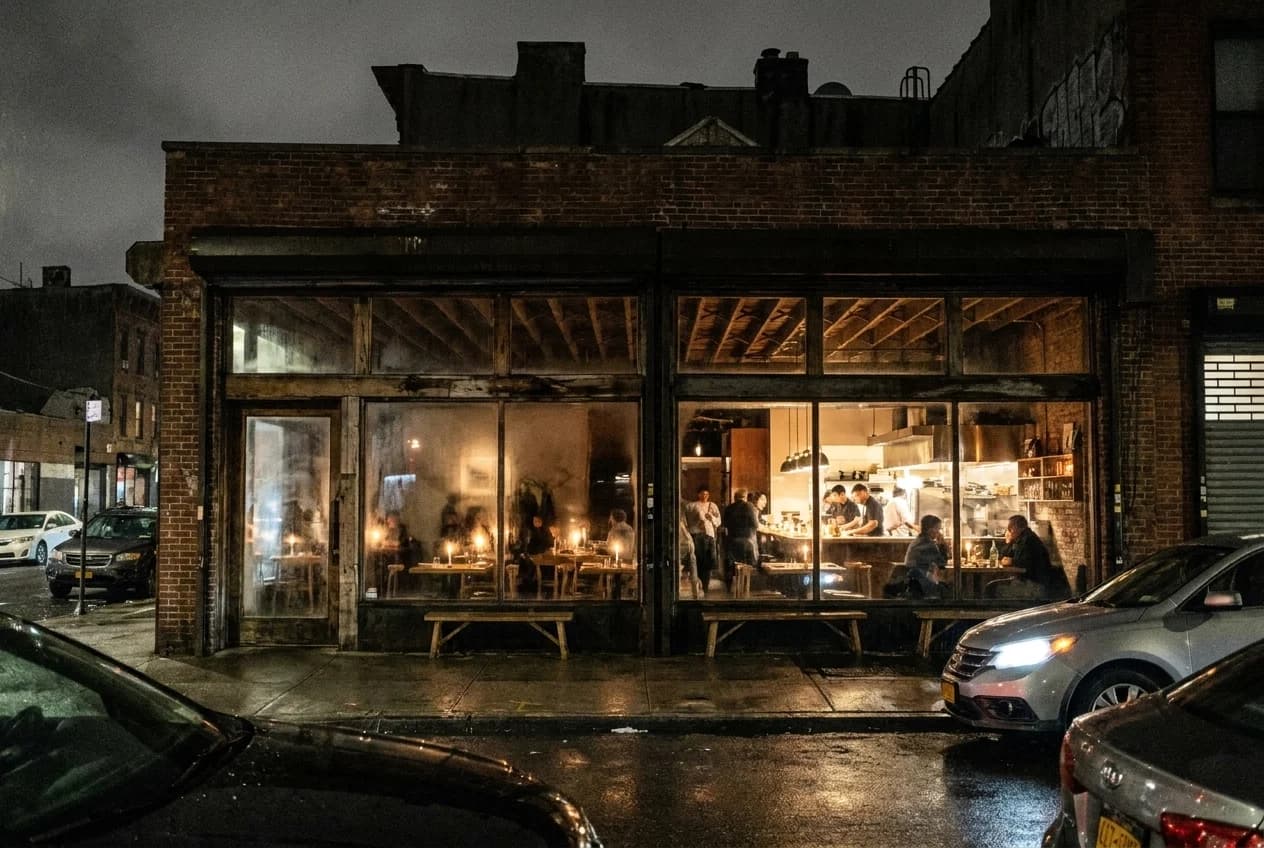
The second place to look is a small restaurant's specials rather than its printed menu. Printed menus are expensive to change and lag the season by weeks. Specials are where a kitchen puts the thing it just found, and in September the specials board is doing more work than at any other point in the year. If you are choosing between two rooms, choose the one that is clearly cooking off the market rather than off the printer.
How to eat the window well
Order the thing that is about to end rather than the thing that is about to start. The first squash dish of the year is usually a little tentative; the last tomato dish of the year is a kitchen at the end of three months of practice. The same logic applies to the corn.
Second, this is the best fortnight of the year for a walk-in. The summer visitor volume has dropped, the autumn booking season has not started, and the city's own population is back but still settling. Rooms that are impossible in October have tables in the middle of September, and the food is arguably better. It is the most underrated dining window in the New York year and it lasts about three weeks.
Practical notes
The useful window runs from roughly the second week of September to the first week of October. Tomatoes, corn, shell beans and stone fruit are ending; apples, squash and hard greens are starting; both are available simultaneously for about a fortnight. Rooftop and outdoor-only formats begin closing well before the temperature justifies it. Summer pop-ups mostly no longer exist and their listings mostly still do.
If you are choosing a single week to eat ambitiously in New York without fighting for a table, this is it.
Tags: #FoodNearMe #NYCFood #SeptemberInNewYork #SeasonalEating #Greenmarket #NewYorkCity #WhatToEatNYC #FarmToTable #NYCDining #AutumnInNYC
All trademarks are the property of their respective owners.
Ask Karpo first
September menus in New York move faster than anything written about them. Ask Karpo what is actually being cooked near you this week, which summer formats have already closed for the year, and where the walk-in tables are while the window is still open.