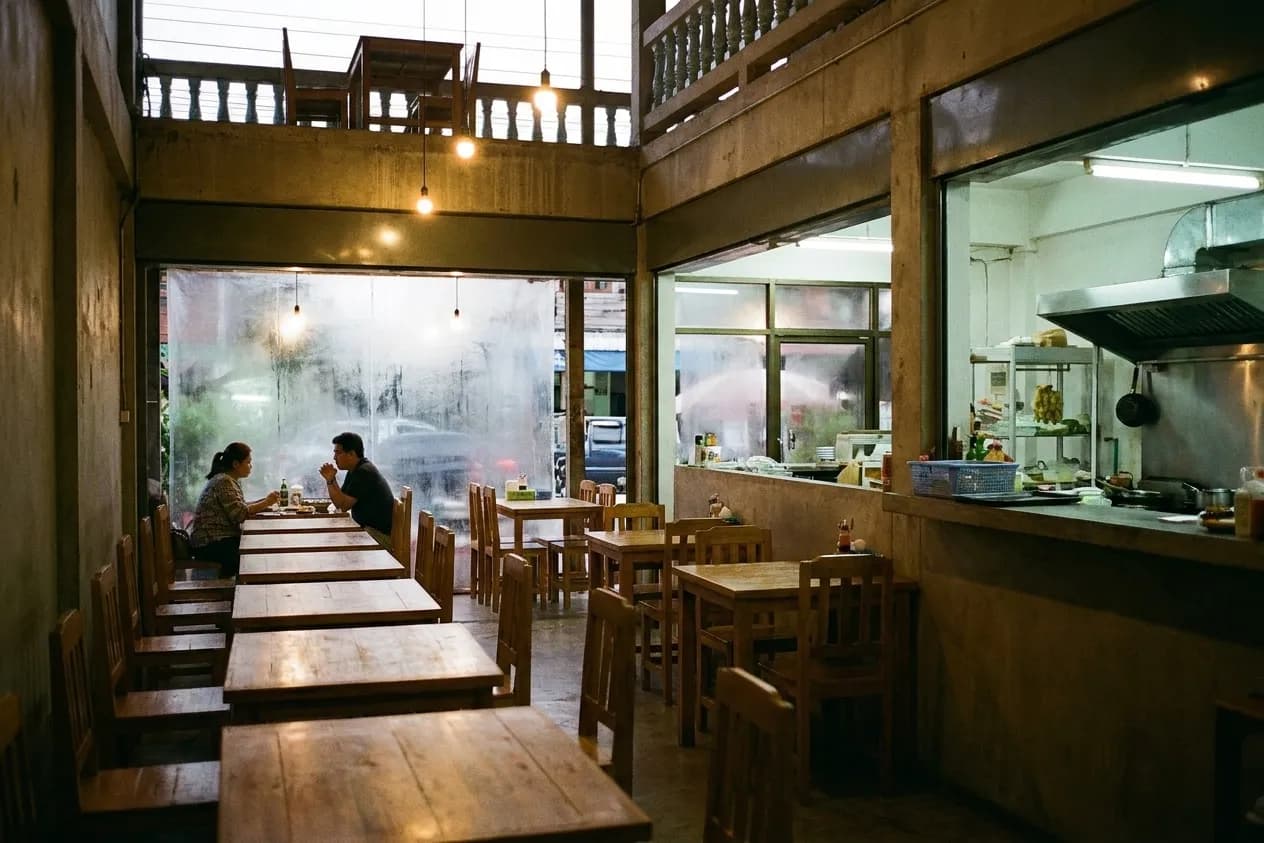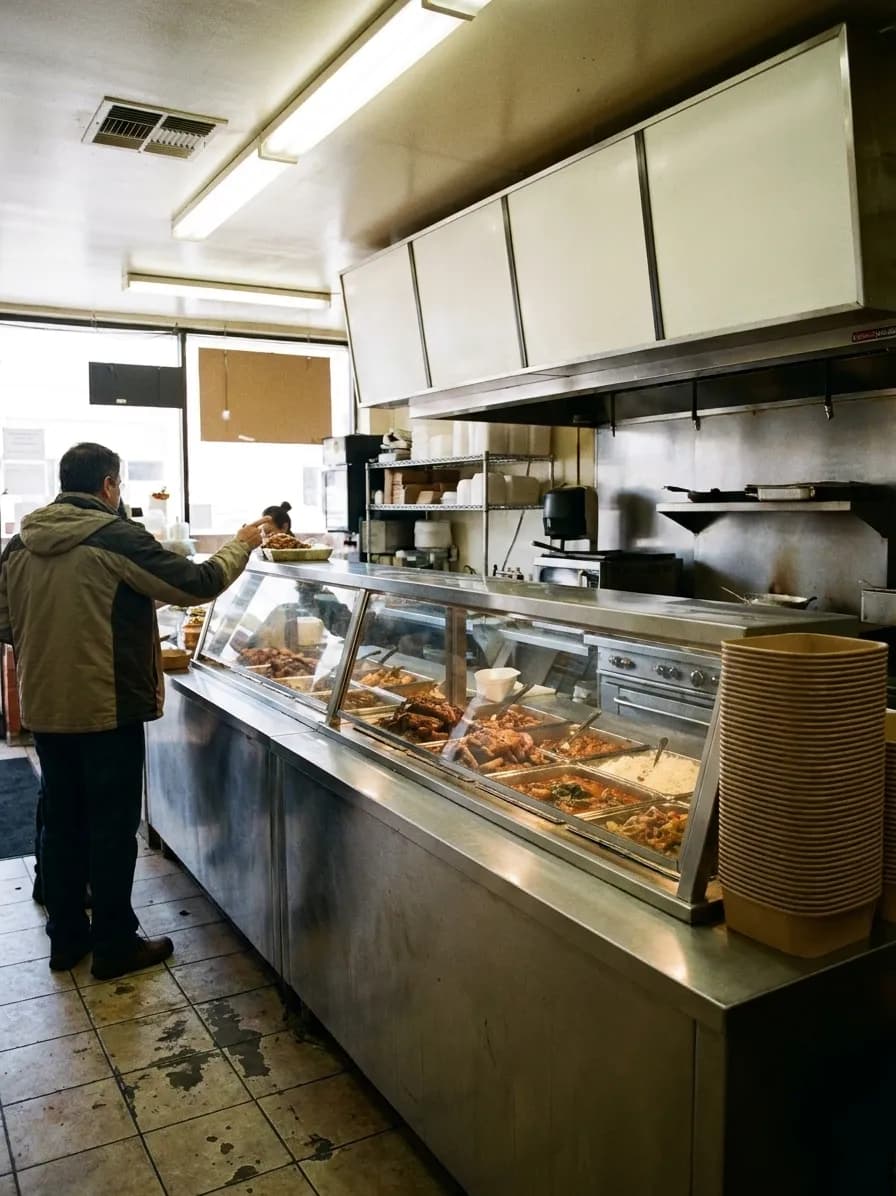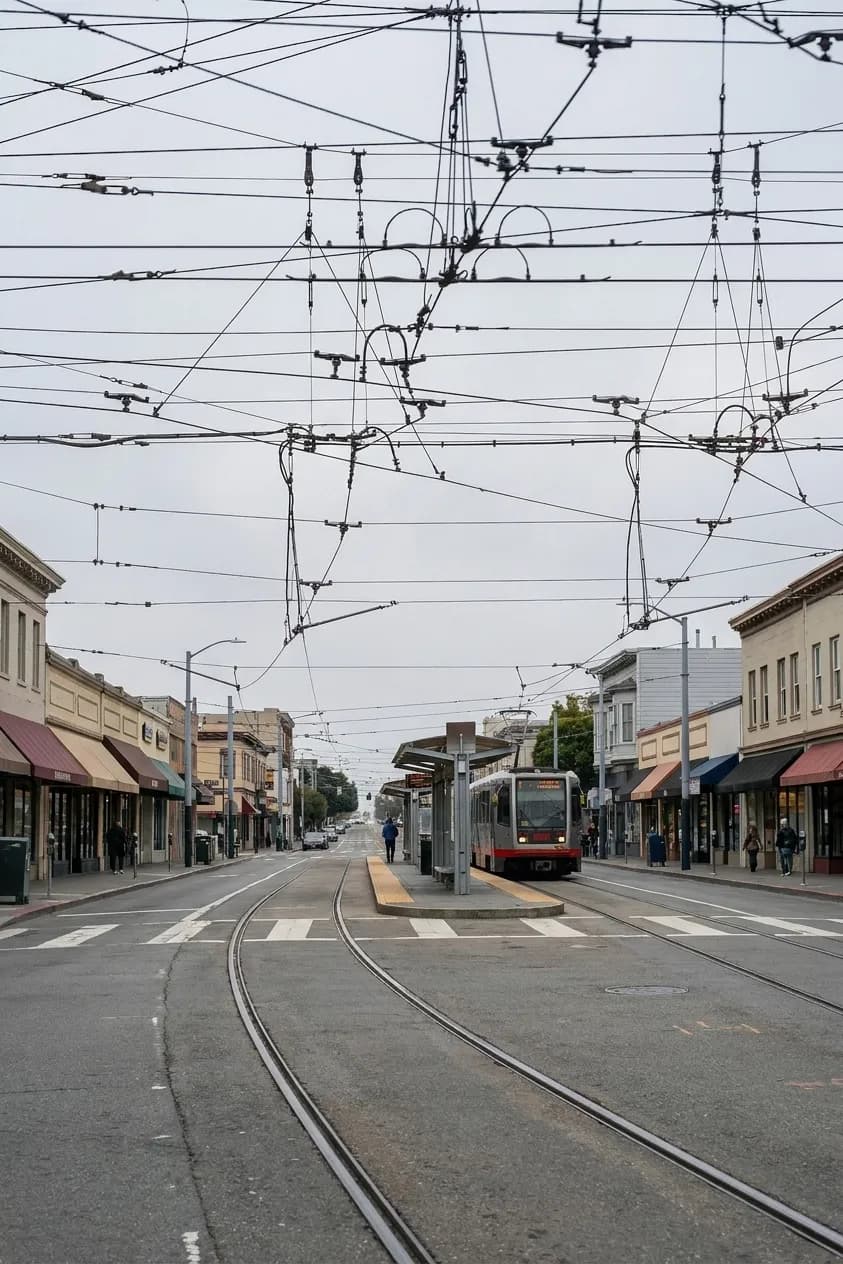
San Francisco has a reputation as an expensive food city, which is true at the top and misleading everywhere else. Fifteen dollars still buys a genuinely good meal across most of the city — it just does not buy it in the places that show up first when you search food near me. The useful organising principle is not the neighbourhood but the transit line, because in a city this compact and this hilly, the question is which stop you are willing to get off at.
The cheapest good meal is usually the one you can reach without a transfer. Tell Karpo which line you are on and roughly when you will be hungry, and it will name the stops worth getting off at and what to order when you do.
The N Judah: Inner Sunset and the avenues
The N runs from downtown out through Cole Valley and the Inner Sunset to the ocean, and the stretch around 9th and Irving is one of the best cheap eating clusters in the city — Chinese and Vietnamese kitchens, ramen, poke, a bakery on nearly every block, and student prices supported by the hospital and university traffic. Further out along Irving and Judah, the avenues get cheaper and quieter, with Cantonese roast meat and dumpling shops that will feed you for well under the number.
The fog matters here in a way that affects the plan: the outer avenues are the coldest part of the city on a summer afternoon, and the eating culture reflects it. Soup, noodles and hot pot do disproportionately well out there, and it is worth leaning into rather than fighting.
The 38 Geary and the Richmond
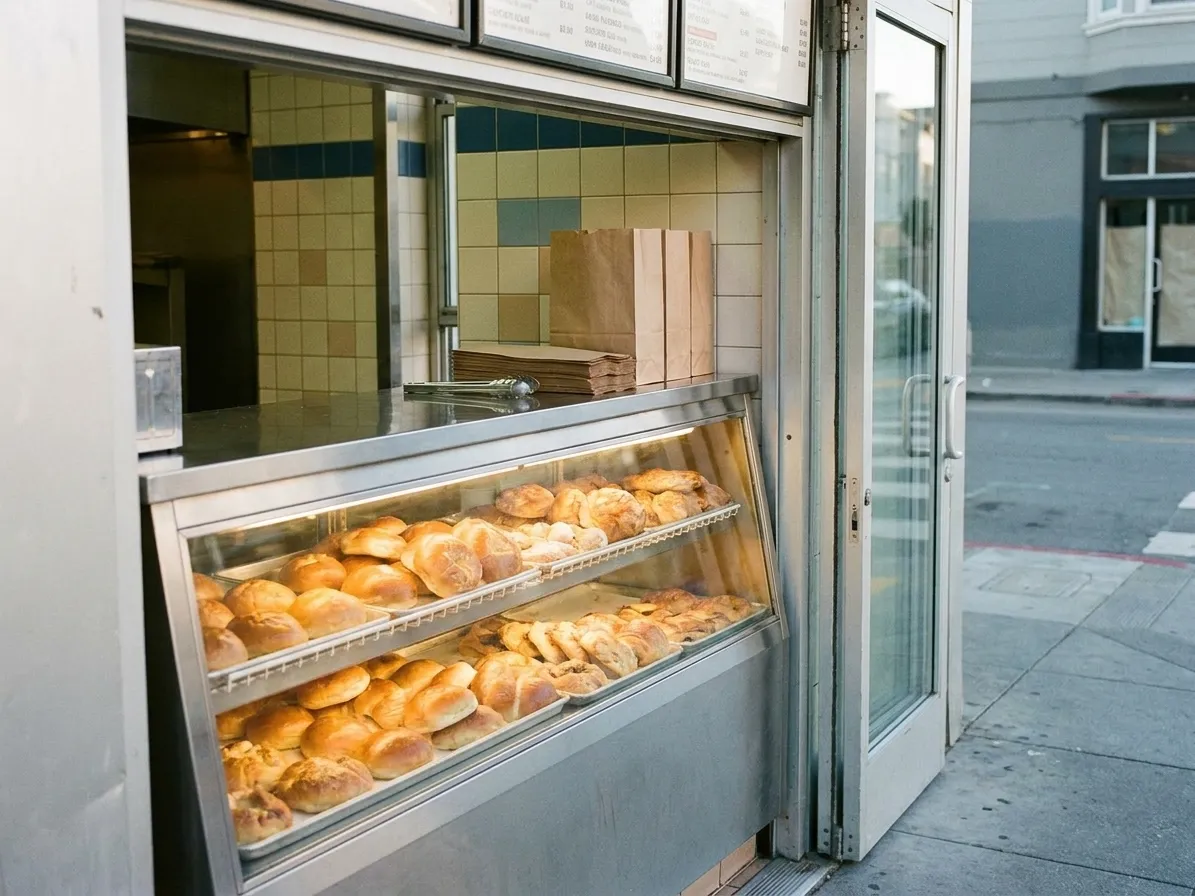
Geary is the workhorse route across the northern half of the city and passes through the densest concentration of cheap food in San Francisco. Clement Street runs parallel and is the actual destination: Chinese, Burmese, Korean, Russian bakeries, dumpling houses and dim sum, most of it comfortably under fifteen dollars and much of it better than food at twice the price elsewhere in the city.
The corridor rewards a wandering approach. Two or three shops in a row on Clement will sell versions of the same thing at different prices, and the busy one at seven in the evening is busy for a reason. If you want a single strategy for eating cheaply in this city, it is to get on the 38, get off around 6th Avenue, and walk.
BART and the Mission
The 16th and 24th Street stations put you in the middle of the Mission, which is the most famous cheap-eating neighbourhood in San Francisco and still, for the most part, deserves it. Taquerias along Mission and 24th, pupuserias, Mexican bakeries, and a growing number of counter-service places at the higher end of the budget. A burrito remains the best value in the city by weight and by satisfaction.
Two practical notes. The Mission is one of the few neighbourhoods where the good stuff runs genuinely late, which makes it the default for a cheap dinner after nine. And it is worth walking a block or two off Mission Street itself, where prices drop and the queues disappear.
Chinatown and the Stockton corridor
Chinatown is the cheapest place to eat in San Francisco and one of the least understood. The Stockton Street grocery corridor sells produce, meat and fish at prices that undercut every supermarket in the city, and the small restaurants behind it sell rice plates, noodle soups and roast meat over rice for single digits. Bakeries sell egg tarts and pork buns for pocket change.
The trick is to go where the neighbourhood shops rather than where the tour groups walk. Grant Avenue is the postcard; Stockton, Jackson and the alleys between them are where the food is. Cash is still king across much of it, and the lunch hours are busier and better than the dinner ones.
The lines that do not pay off
Not every route is a food route. The corridors through the Marina, Cow Hollow and much of downtown are expensive without being better, and the financial district empties out and closes early in the evening. If your line runs through those, the efficient move is to stay on until you reach Chinatown, the Tenderloin or the western neighbourhoods rather than to compromise where you are.
One more piece of practical arithmetic: a single fare with a transfer window is cheaper than a rideshare by an order of magnitude, and in a city where a two-mile trip can cross three hills, the bus is frequently faster door to door than driving and parking. Eating cheaply here is as much about the transport budget as the food one.
Tags: #SanFrancisco #CheapEatsSF #SFEats #FoodNearMe #Chinatown #ClementStreet #MissionDistrict #InnerSunset #MuniLife #SFFoodie #BudgetEats #WhereToEatSF #UnderFifteen #BayArea
Sources consulted: sfmta.com · sfchronicle.com · sfdph.org
All trademarks are the property of their respective owners.
Ask Karpo first
Small kitchens along these corridors keep their own hours and close on their own days, and the listing you find is often a year out of date. Ask Karpo what is open near your stop right now, which places are cash-only, and how long the wait is running — it answers in iMessage while you are still on the train.