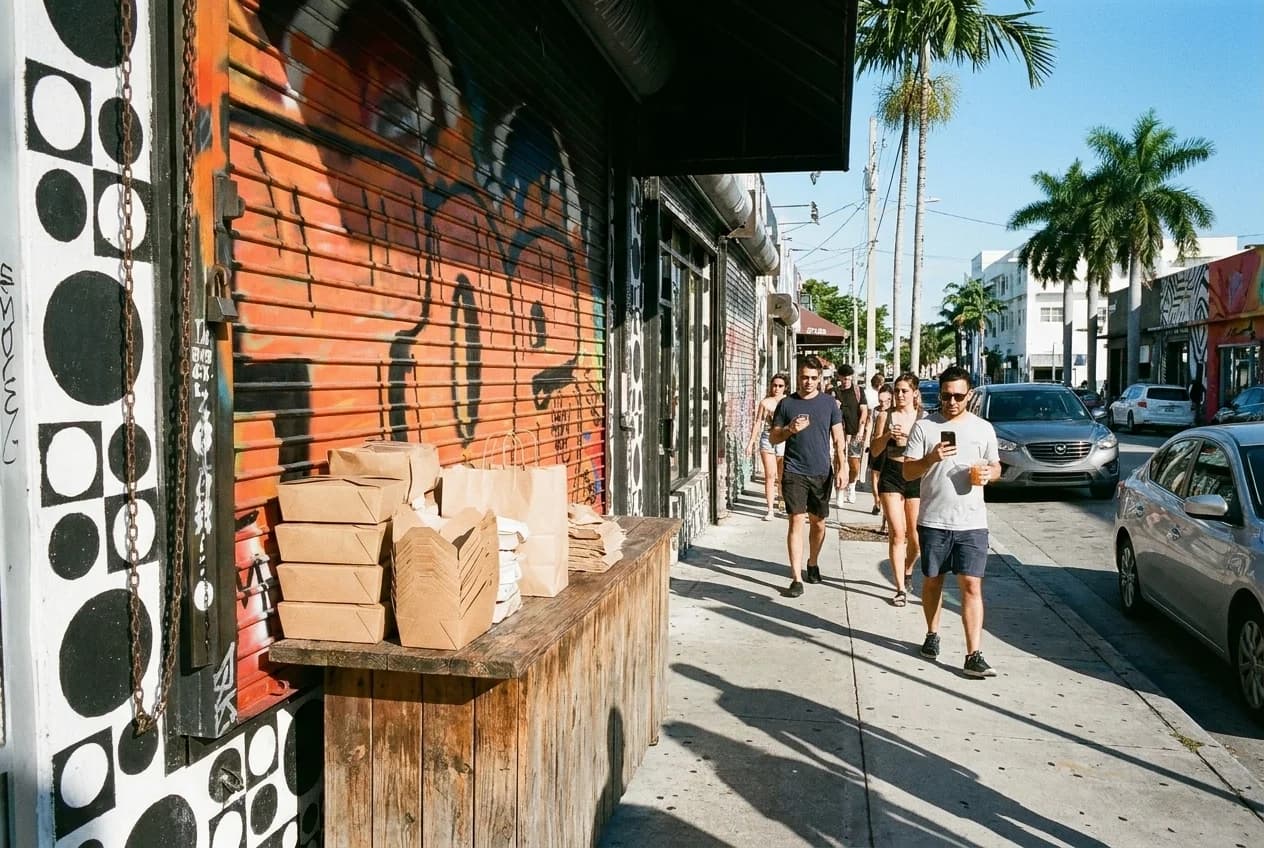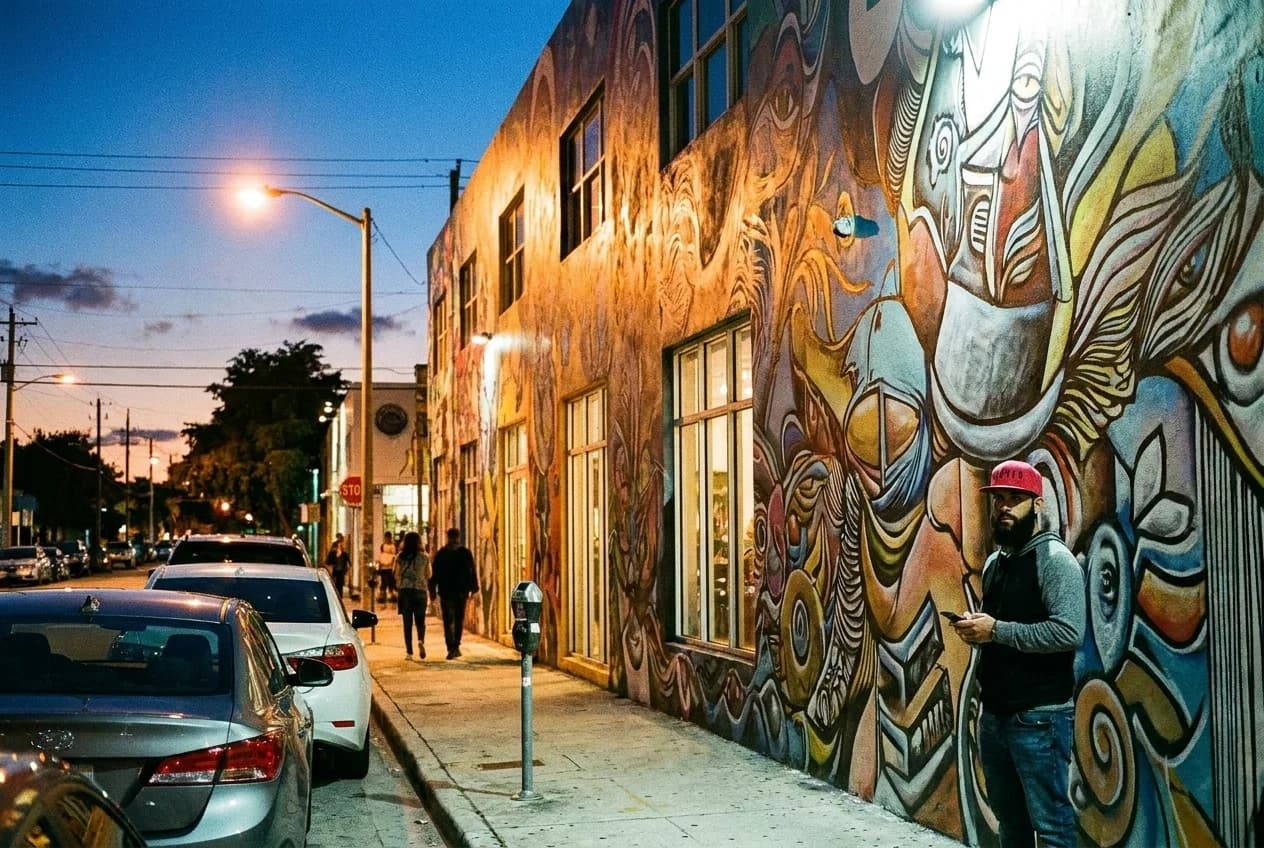
There are two Miamis and the price gap between them is absurd. One is the Miami of waterfront terraces and forty-dollar mains, which is the one that gets photographed. The other is the Miami that feeds people who work shifts and go to class - counters, windows, supermarket kitchens and strip-mall taquerias where a full hot meal lands under fifteen dollars and often under ten. The second Miami is bigger, older and better, and its geography is organised around the places people spend their days. Which means the most useful cheap-eats map in this city is a campus map.
The under-fifteen version of this city depends on catching the right counter during the right two-hour window. Tell Karpo which campus or office you are near and when you get a break, and get the places that are cheap and open right then.
The two habits that do most of the work
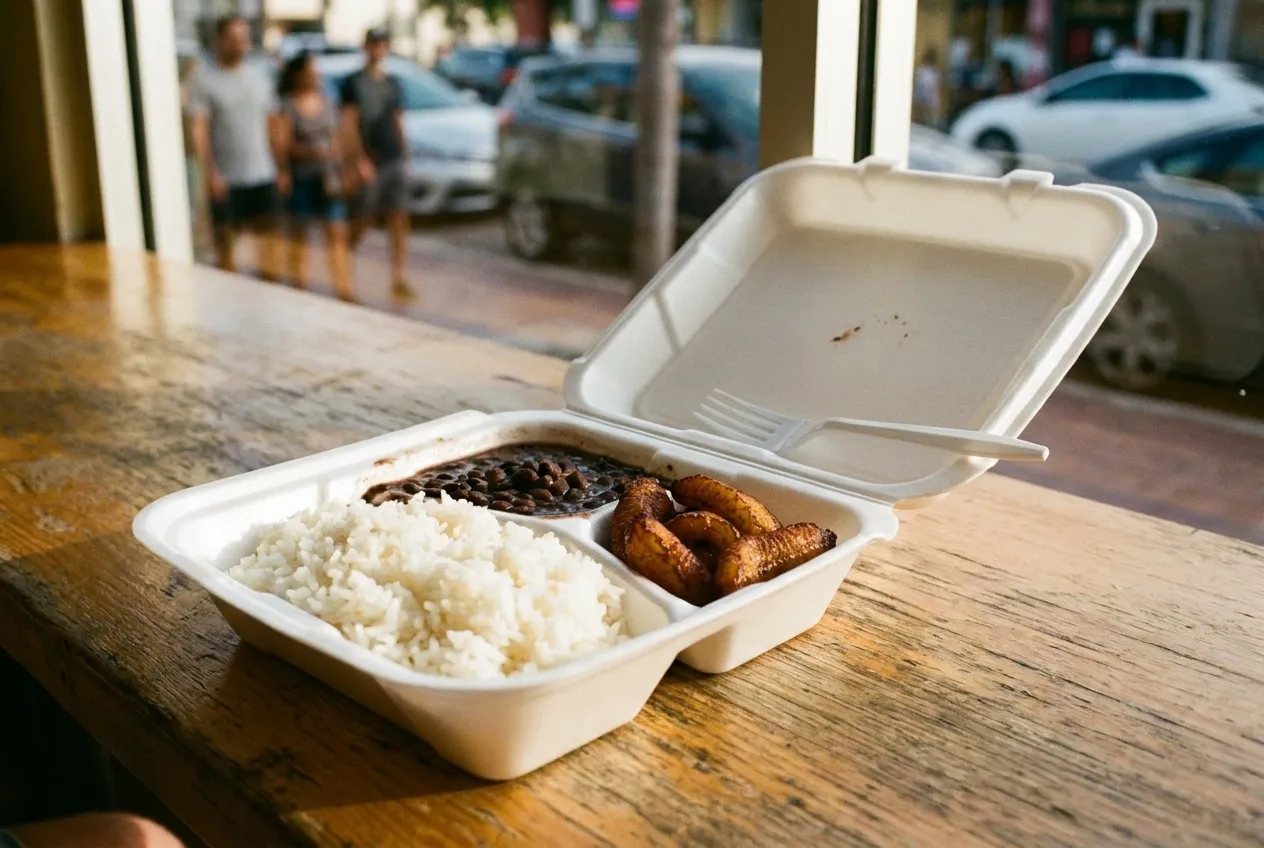
Before any addresses: two behaviours cut a Miami food budget more than any individual restaurant choice. The first is eating your main meal at midday. Nearly every Cuban, Colombian, Venezuelan, Peruvian and Nicaraguan counter in Miami-Dade runs an almuerzo especial - protein, rice, beans, plantain - that exists only at lunch and costs roughly half what the same food costs after six. The portions are large enough that half of it is dinner. This one habit is worth more than any coupon.
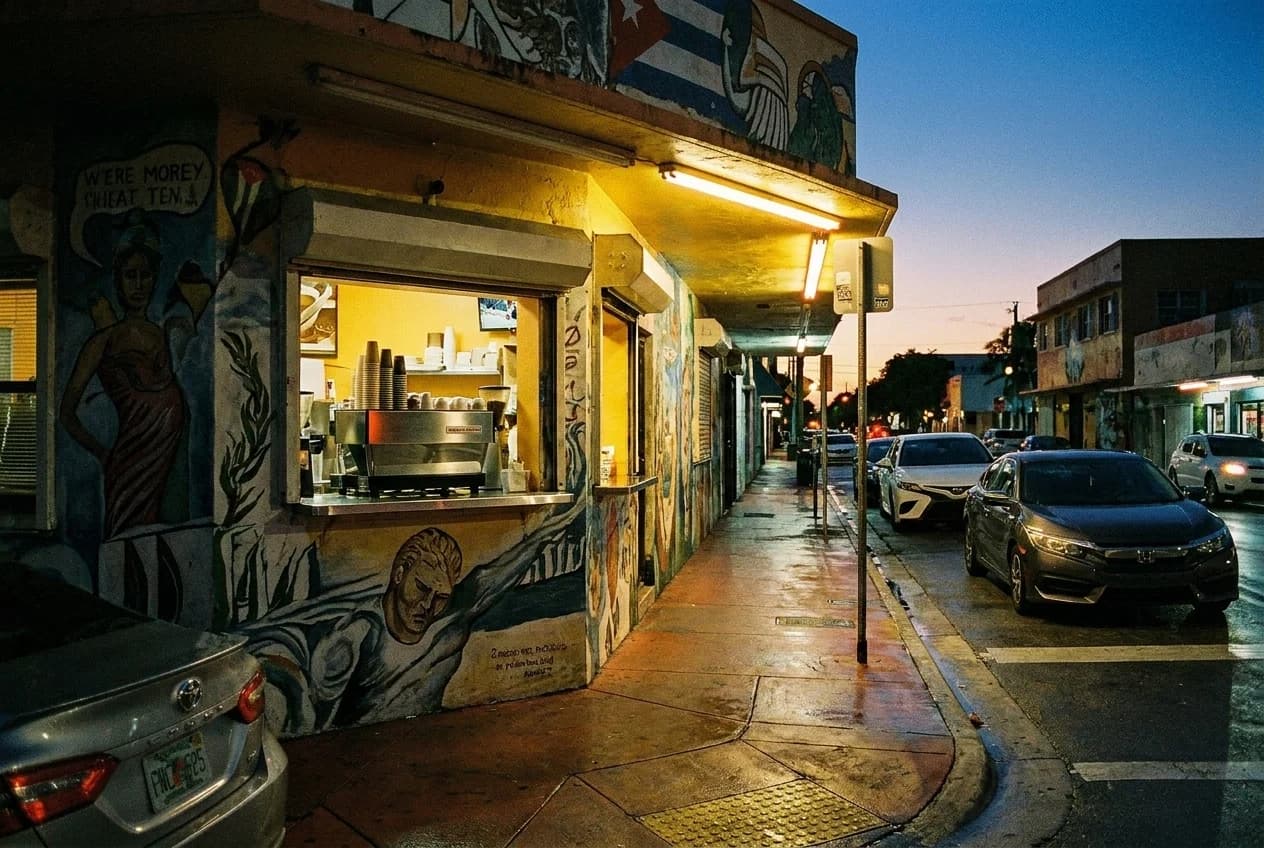
The second is drinking coffee standing up. A ventanita cortadito is two to four dollars, takes four minutes and is better than the six-dollar version served sitting down. Miami's coffee culture was built around not occupying a table, and adopting that is a straightforward saving of several dollars a day without giving up anything you actually wanted.
Coral Gables and the University of Miami
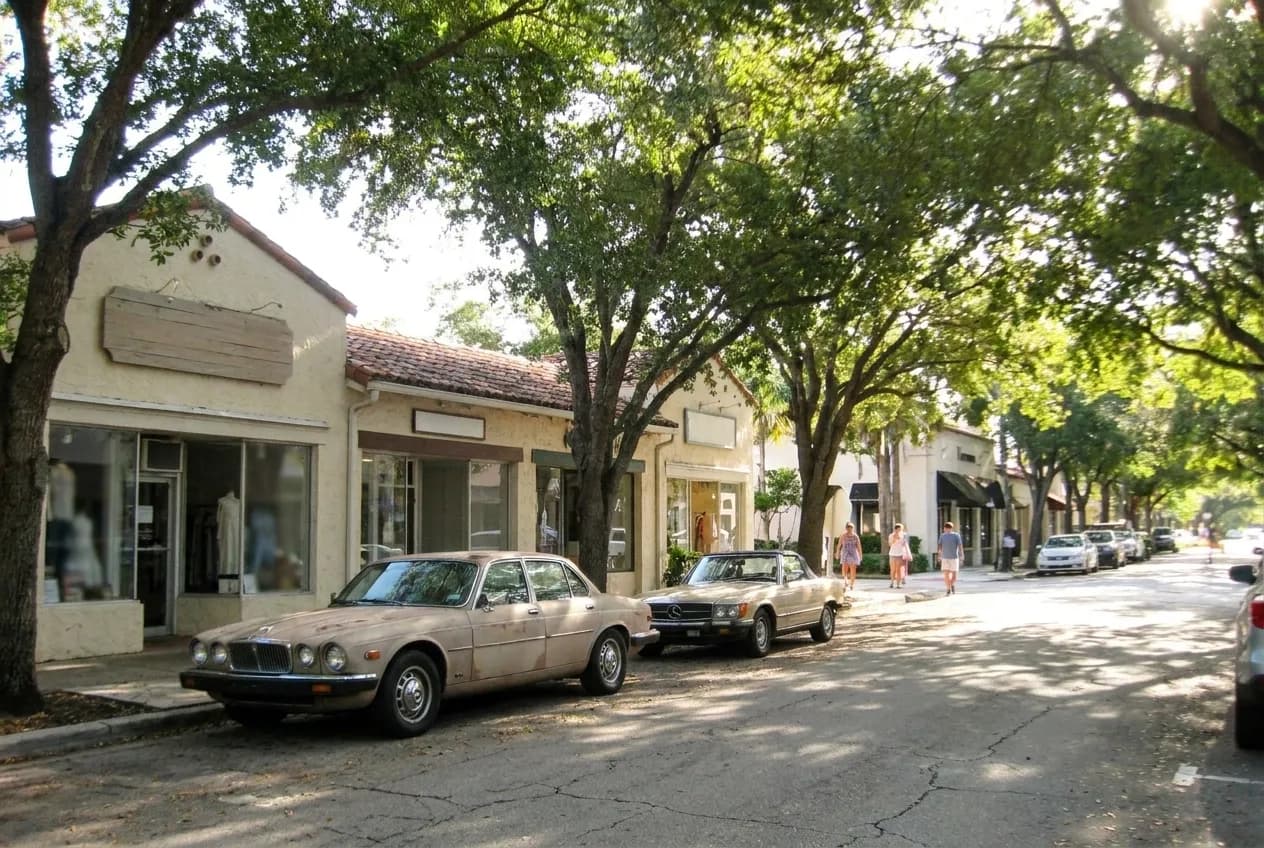
The Gables looks like the expensive neighbourhood and largely is, but the blocks around the campus and along the arterials running out of it hold a lot of value. The most reliable category is the Latin bakery-and-counter hybrid - a pastry case at the front, a steam table at the back, plate lunch at the till - which exists along South Dixie Highway and the side streets off it. Under twelve dollars, and the pastelitos on the way out are a dollar or two each.
The other Gables move is the frita. El Rey de las Fritas has a Coral Gables location as well as its Calle Ocho one, and a frita with shoestring potatoes plus a batido comes in under twelve. It is a proper meal that eats like a snack, which is exactly what you want between an afternoon class and an evening one. For groups, the pizza-by-the-slice economy along the commercial strips is the standard fallback and the slices here are large enough that two is dinner.
West Miami-Dade and FIU
Out west, the neighbourhood food is Cuban, Nicaraguan and Colombian, and the strip malls are the restaurant scene - which is genuinely good news for a budget. This is the part of the county where the plate lunch is most entrenched and most competitive, and where fifteen dollars is comfortably a meal for two if you order one plate and one side. Look for the places with hand-written specials taped in the window rather than printed menus; that is the reliable signal of a rotating almuerzo.
Nicaraguan fritanga is the category to know here - a counter with a grill and a steam table selling grilled meats, gallo pinto, fried cheese, sweet plantain and cabbage salad, sold by weight or as a combination plate. It is one of the best-value hot meals in South Florida and almost invisible to visitors. Colombian bakeries in the same corridors sell buñuelos, pandebono and empanadas for a couple of dollars each, which is the cheapest way in Miami to stop being hungry.
Downtown, Miami Dade College and the Brickell edge
Downtown at lunchtime is one of the great cheap-food environments in the city, because it has to feed a large working population quickly. Food halls and counters around the Miami Dade College Wolfson campus and the courthouse blocks run aggressive midday pricing that disappears at night, when the same district becomes expensive. The rule is stark: eat downtown between eleven and two and it is a bargain; eat there at eight and it is not.
Brickell, one bridge south, is the reverse of good value at dinner and surprisingly reasonable at lunch for the same reason - towers full of people with an hour. The arepa and empanada counters are the best per-dollar option, and a couple of arepas plus a juice is a solid meal for under twelve. Avoid the terraces facing the water for anything except a drink you have decided to pay for.
The things that are always cheap, wherever you are
Some categories in Miami are priced low everywhere and you can navigate to them blind. Pan con lechon, roughly eight to ten dollars, is a full lunch. Croquetas are a dollar or two each and three is a snack. Empanadas and arepas run two to five. Pastelitos are usually under two. A batido is four to six and replaces both a drink and a dessert. Taquerias in the industrial pockets of Wynwood, Allapattah and Hialeah sell tacos at street prices and are at their best late.
Allapattah in particular is worth knowing about if you are on a real budget. It sits between Little Havana and the Design District, it has the produce market at its centre, and it has the highest concentration of unglamorous excellent Dominican and Cuban counters in the inner city. Nothing there is trying to impress anyone, which is why it is cheap.
Practical notes
Timing is the whole game: almuerzo specials generally run about eleven to three and vanish afterwards; downtown lunch pricing ends around two; taquerias are cheapest and best after ten at night. Portions from Latin counters are large - ordering one plate between two and adding a side is normal and not frowned on. Cash is faster at windows and small counters, though cards work nearly everywhere now. Student discounts exist but are inconsistent; asking costs nothing. And the single best-value item in the entire county remains a supermarket-counter plate lunch, which almost no visitor ever finds because it does not look like a restaurant from the street.
Tags: #FoodNearMe #Miami #CheapEatsMiami #StudentBudget #CoralGables #FIU #Downtown #Allapattah #Hialeah #Ventanita #PlateLunch #Fritanga #MiamiEats #BackToSchool
All trademarks are the property of their respective owners.
Ask Karpo first
Cheap eating in Miami is a timing problem disguised as a price problem - the same plate is twelve dollars at noon and twenty-four at eight. Ask Karpo which counters near your campus are running their special right now, what is still open after a late class, and where the nearest fritanga or supermarket counter is, because those are the two things a search engine will never show you.