Little Havana has a tourism problem that is also a food opportunity. Almost all visitor attention concentrates on roughly eight blocks of Calle Ocho between about 12th and 17th Avenues — the cigar shops, the domino park, the mural walls — and the restaurants along that strip have adapted accordingly, with bigger menus, higher prices and a house band. None of that is fraudulent, and some of it is genuinely good. But the neighbourhood extends for another twenty blocks west and several north and south, and that is where people who live here actually eat.
The good counters here are small, unmarked and irregular. Tell Karpo in iMessage where you are on Calle Ocho and it will point you at something a few blocks off it.
Keep Going West
The simplest instruction anyone can give you about this neighbourhood is to walk further west than you were planning to. Past about 22nd Avenue the murals stop, the tour groups disappear, and the businesses change character entirely: cafeterias with four tables, bakeries selling pastelitos by the tray, markets with a hot counter at the back, and restaurants whose signage has not been updated since the eighties. Prices drop by roughly a third across that line. The food does not get worse; in most cases it gets considerably more specific, because the kitchens are cooking for people who grew up eating it rather than for people who came to try it.
It Is Not Only Cuban
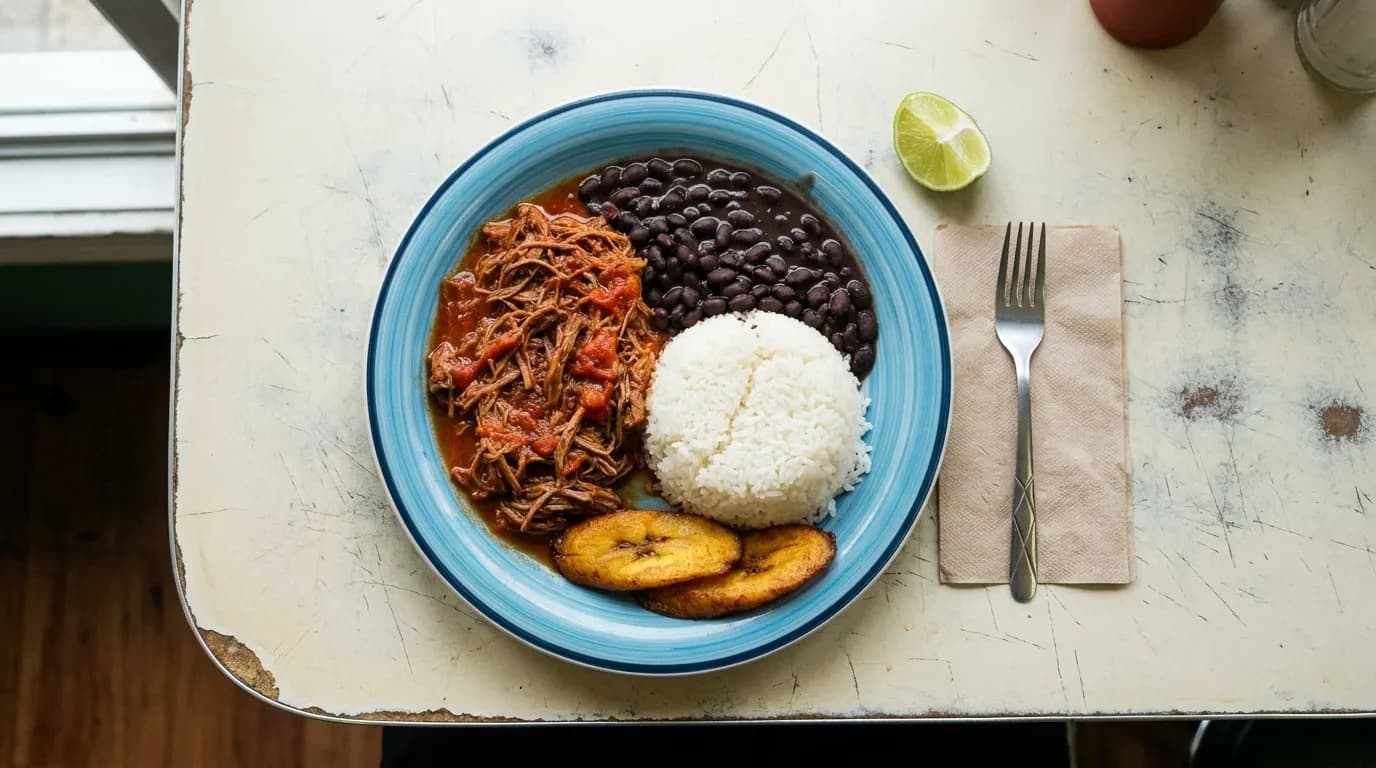
This is the single biggest misconception about the neighbourhood. Little Havana's Cuban identity is real and historic, but the area has been home to large Nicaraguan, Honduran, Salvadoran and increasingly Venezuelan communities for decades, and their food is everywhere once you start looking. Nicaraguan fritangas — steam-table counters serving grilled meat, gallo pinto, fried cheese and cabbage salad by the plate — are among the best value meals anywhere in the county. Honduran baleadas, Salvadoran pupusas cooked to order on a griddle, Venezuelan arepas and cachapas: all of it is here, mostly on the side streets and the western blocks, mostly for under fifteen dollars. Walking into a fritanga and pointing at three things is one of the great cheap meals in Miami.
The Ventanita Economy
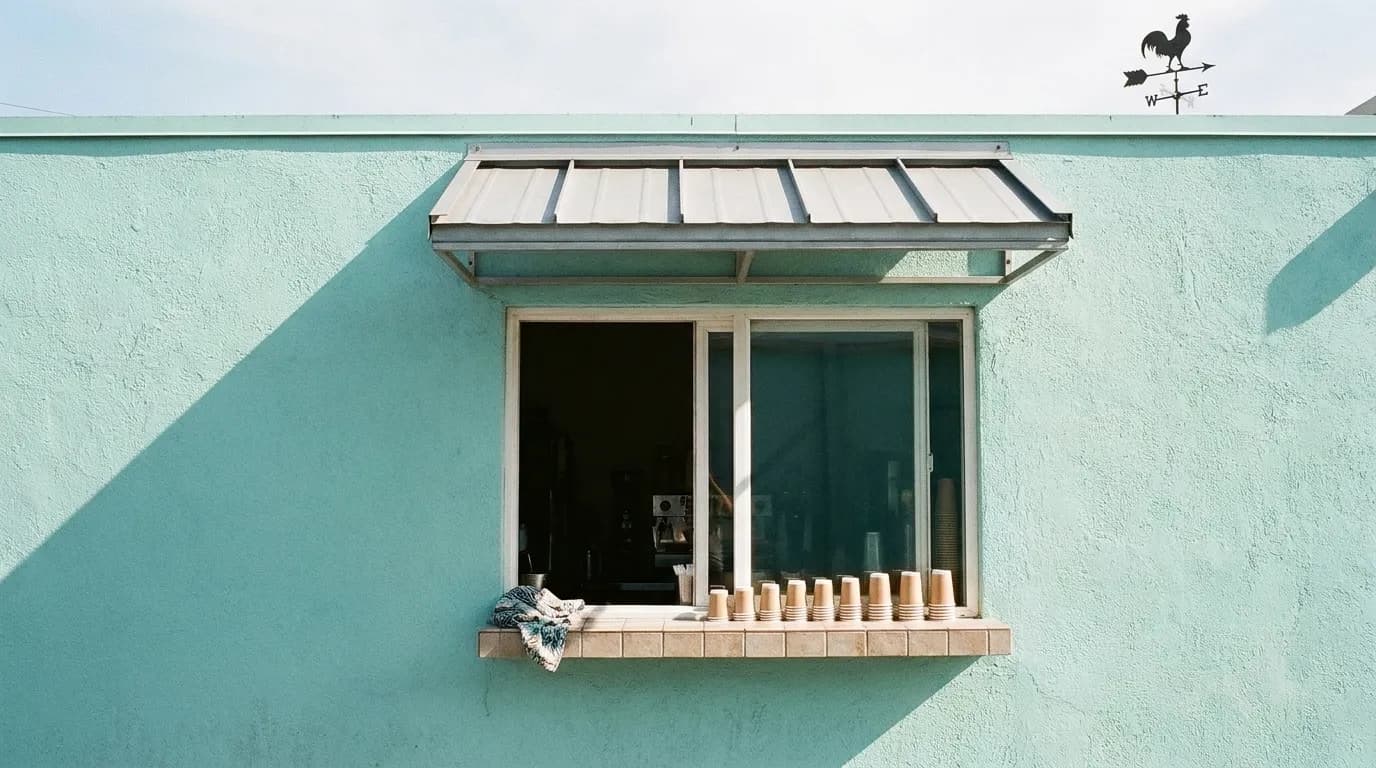
The walk-up window attached to the side of a cafeteria is the neighbourhood's defining institution and its cheapest pleasure. A colada — a small cup of strong sweet coffee with a stack of thimble cups to share — costs a couple of dollars and is meant to be distributed to whoever you are with. A cortadito, a pastelito de guayaba, a croqueta: the whole transaction runs to a few dollars and takes ninety seconds. These windows are open at hours no restaurant keeps, they are where the neighbourhood's conversation actually happens, and using one properly — ordering in a queue, standing to drink, leaving the cup on the ledge — is the fastest way to stop being a visitor here. Every block west of the tourist strip has at least one.
What to Order Beyond the Obvious
The Cuban sandwich and the ropa vieja are on every menu for good reason, but the more interesting ordering is one step sideways. Ask for the daily special, which in the cafeterias is written on a board and is almost always the thing the kitchen made that morning — often a stew or a fish dish that never appears on the printed menu. Vaca frita, crisped and sharp with lime, is better than most ropa vieja and rarely ordered by outsiders. Fricasé de pollo is a Sunday dish worth planning around. On the Nicaraguan side, ask for the grilled meat with the cabbage salad rather than a sandwich. And the batidos — thick tropical fruit shakes, particularly mamey and trigo — are a genuine regional specialty that most visitors walk straight past.
Timing and Practicalities
Lunch between noon and two is when the cafeterias are at their best, with full steam tables and fresh trays. Many of the smaller places close in the late afternoon and reopen for a short dinner service, and some do not open on Sundays at all. Parking on Calle Ocho itself is difficult and metered; the residential side streets one block north or south are usually free and almost always available, which is another argument for getting off the main road. Cash is still preferred at several of the smaller counters. And Friday evenings are worth avoiding if you want quiet — the monthly street event brings a large crowd onto the main strip, which is fun but is exactly the opposite of what this article is recommending.
The Markets and Bakeries Nobody Lists
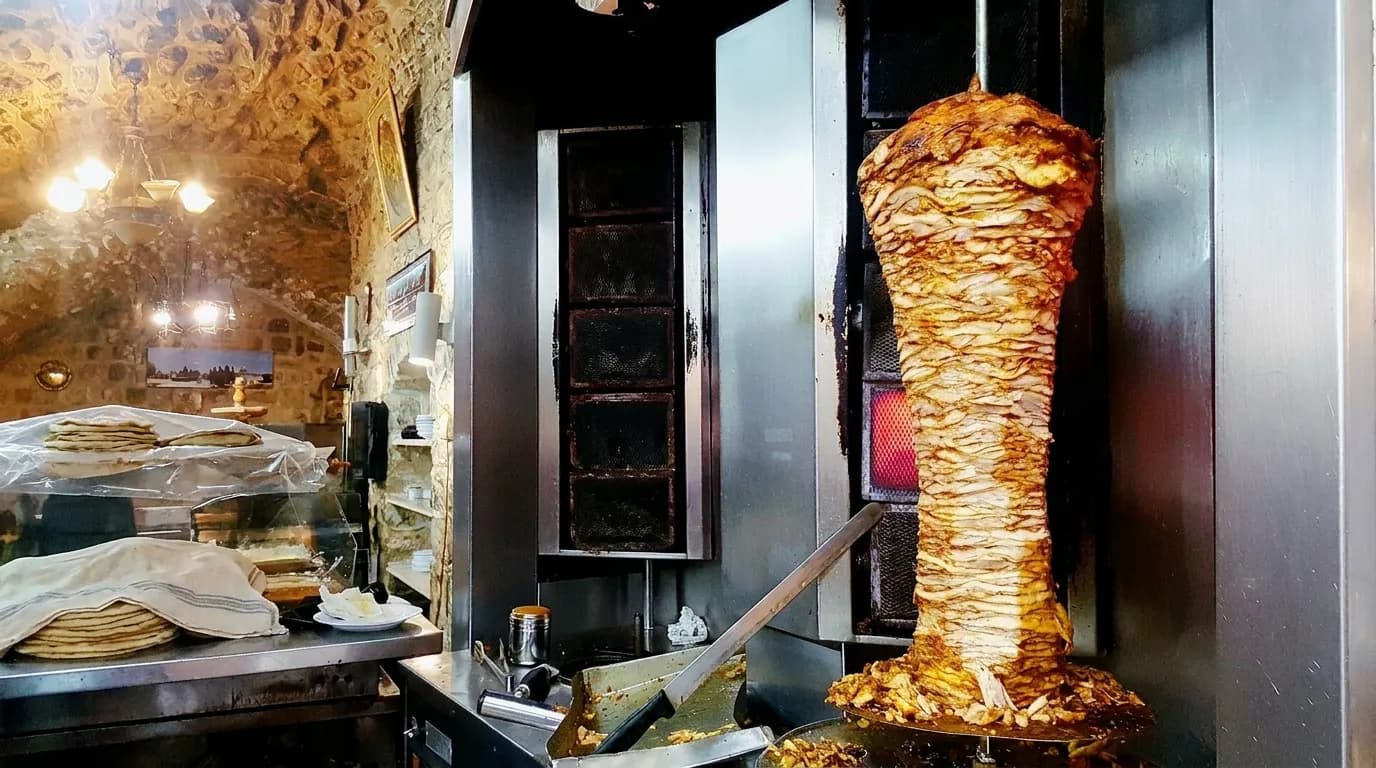
Two formats do the heaviest lifting here and neither shows up in a restaurant search. The neighbourhood markets — small grocery stores with a hot counter and a butcher at the back — sell prepared food by weight all day, and a container of roast pork, rice and yuca from one of them costs about half what the equivalent plate does in a dining room on the main strip. The bakeries are the other one. Cuban bakeries here run from early morning, sell pastelitos filled with guava, cheese, meat or coconut for around a dollar and a half each, and turn out the long soft loaves that the sandwiches are built on. Buying a tray of pastelitos and a bag of bread costs under fifteen dollars and is the single best value transaction in the neighbourhood. Both formats are on the residential cross streets rather than the avenue, and both are busiest before nine in the morning, which is when they are also at their best.
Eating Here Respectfully
Worth saying plainly: this is a living neighbourhood with a specific and often painful political history, not a themed district. The domino park is where people actually play dominoes. The murals commemorate particular people. A little Spanish goes a long way and nobody expects it to be good. Tip properly at the counters, where margins are thin and the prices have barely moved in years. And if you find a place you like, go back rather than collecting it — the small kitchens described here survive on regulars, and the single most useful thing a visitor can do is become one.
Tags: #LittleHavana #Miami #FoodNearMe #CalleOcho #CubanFood #NicaraguanFood #HonduranFood #Ventanita #Cafecito #MiamiEats #HiddenGems #SouthFlorida #EatLocal
Sources consulted: miamiandbeaches.com · nps.gov · miaminewtimes.com · floridahealth.gov
All trademarks are the property of their respective owners.
Ask Karpo first
Hours at the small cafeterias and windows here are irregular and rarely posted. Ask Karpo in iMessage where you are and what you feel like eating, and it will find one that is open.