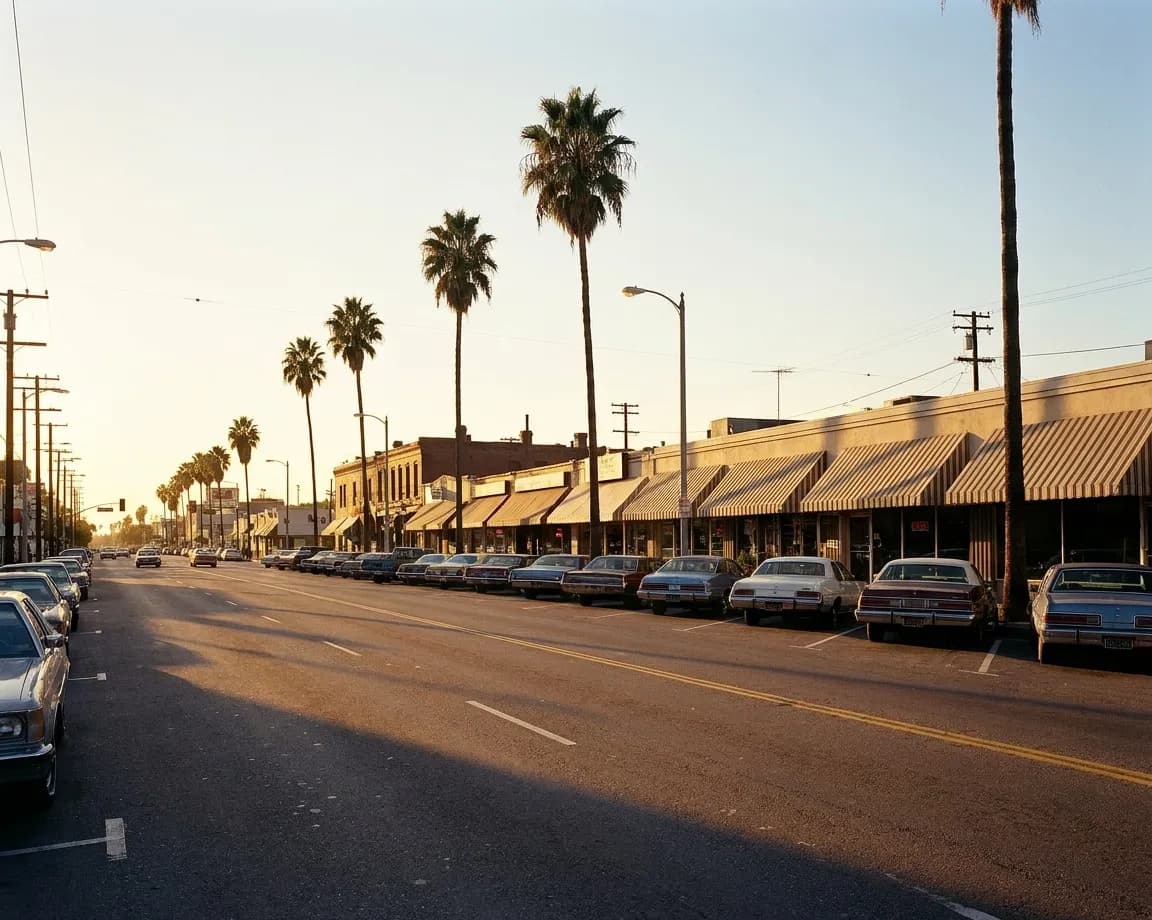
Los Angeles does not have a dinner hour so much as a rolling set of them, staggered across an area the size of a small country. Searching food near me here returns a map that ignores the two variables that actually decide your evening: what is open at this specific hour, and how long it takes to get there. Sorted by clock instead of by cuisine, the city makes a lot more sense — and the good hours are not the ones you would guess.
Half of eating well in LA is knowing what is still serving at the hour you got hungry. Tell Karpo the time and where you are, and it will come back with places that are open right now within a realistic drive — not a list you have to phone through one by one.
6 to 9 a.m.: the city's most underrated meal
Breakfast in LA is regional. In Boyle Heights and East LA, the morning runs on birria and menudo, and weekend mornings are the point — several of the best stands cook menudo only on Saturday and Sunday. In Koreatown, breakfast is a bowl of soup at a place that never closed. On the Westside, it is a bakery queue. Grand Central Market downtown opens early and is the single most efficient way to eat well before nine if you do not know the neighbourhood, because you can walk the stalls and decide with your eyes.
The practical case for eating early here is traffic. A 7:30 a.m. breakfast across town is a twenty-minute drive; the same trip at 8:45 is fifty. If you are going to do one cross-city food trip in a day, do it before nine.
11 a.m. to 3 p.m.: taquerias, strip malls and lunch specials
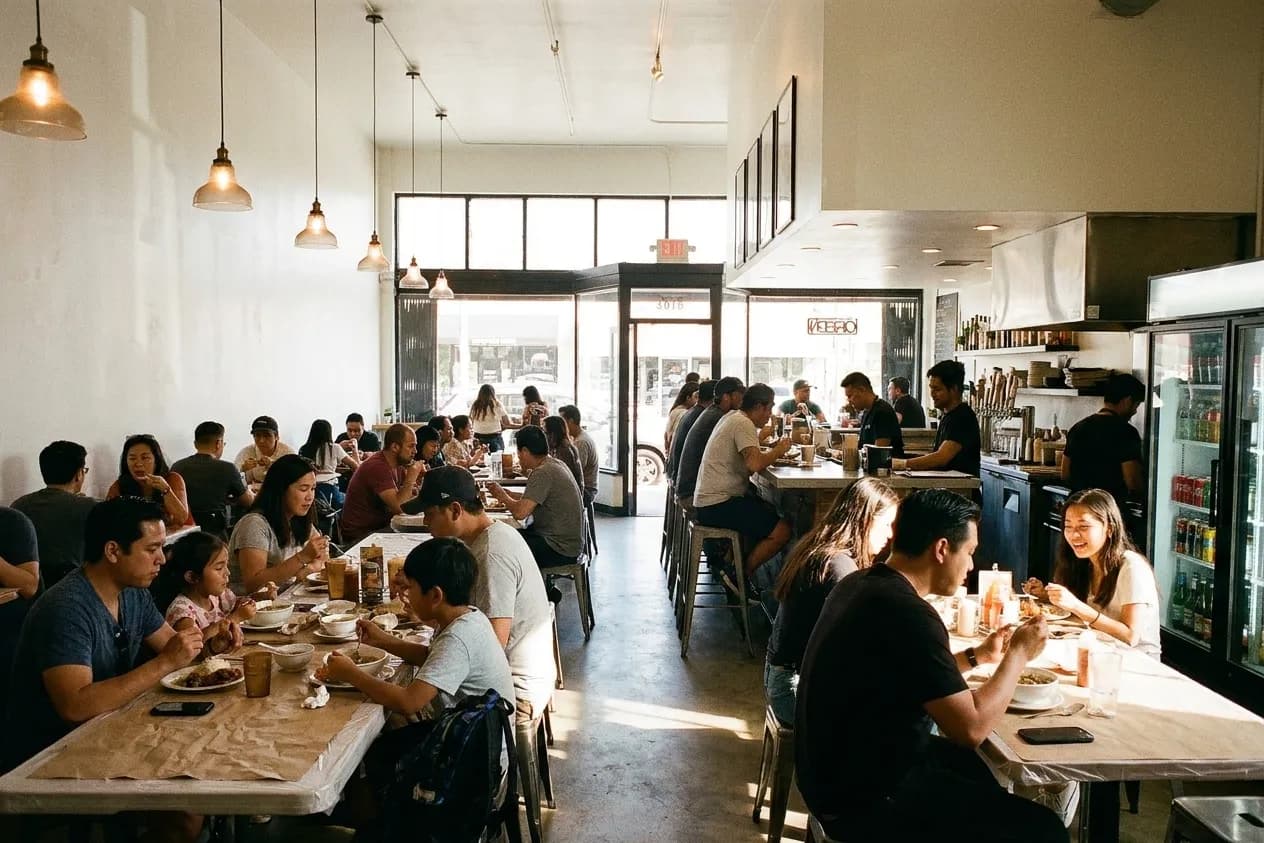
Midday is when LA's strip-mall economy is at its best. The San Gabriel Valley — Alhambra, Monterey Park, San Gabriel, Rowland Heights — runs lunch specials that represent the deepest value in Southern California, and the dining rooms are half empty between the noon rush and three. The same is true of Little Armenia and Glendale, where lunch plates come with more food than two people finish.
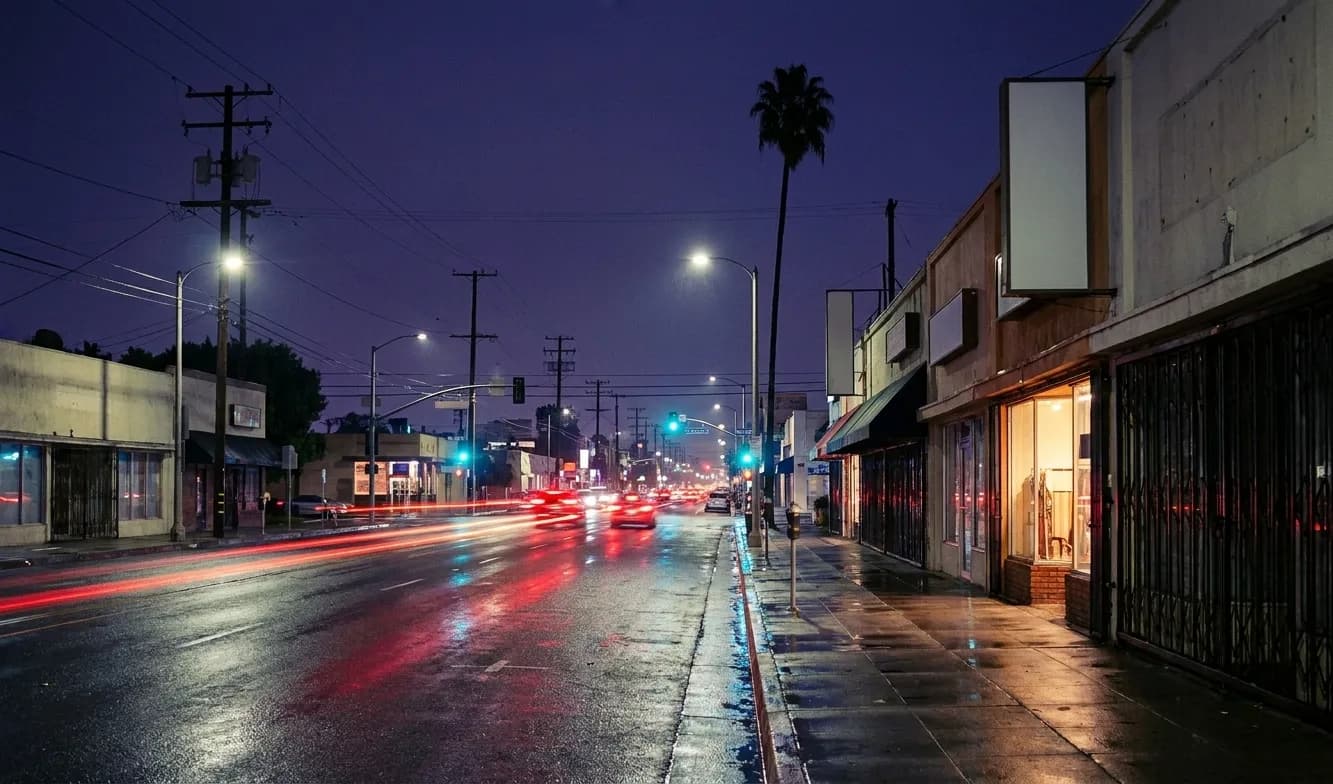
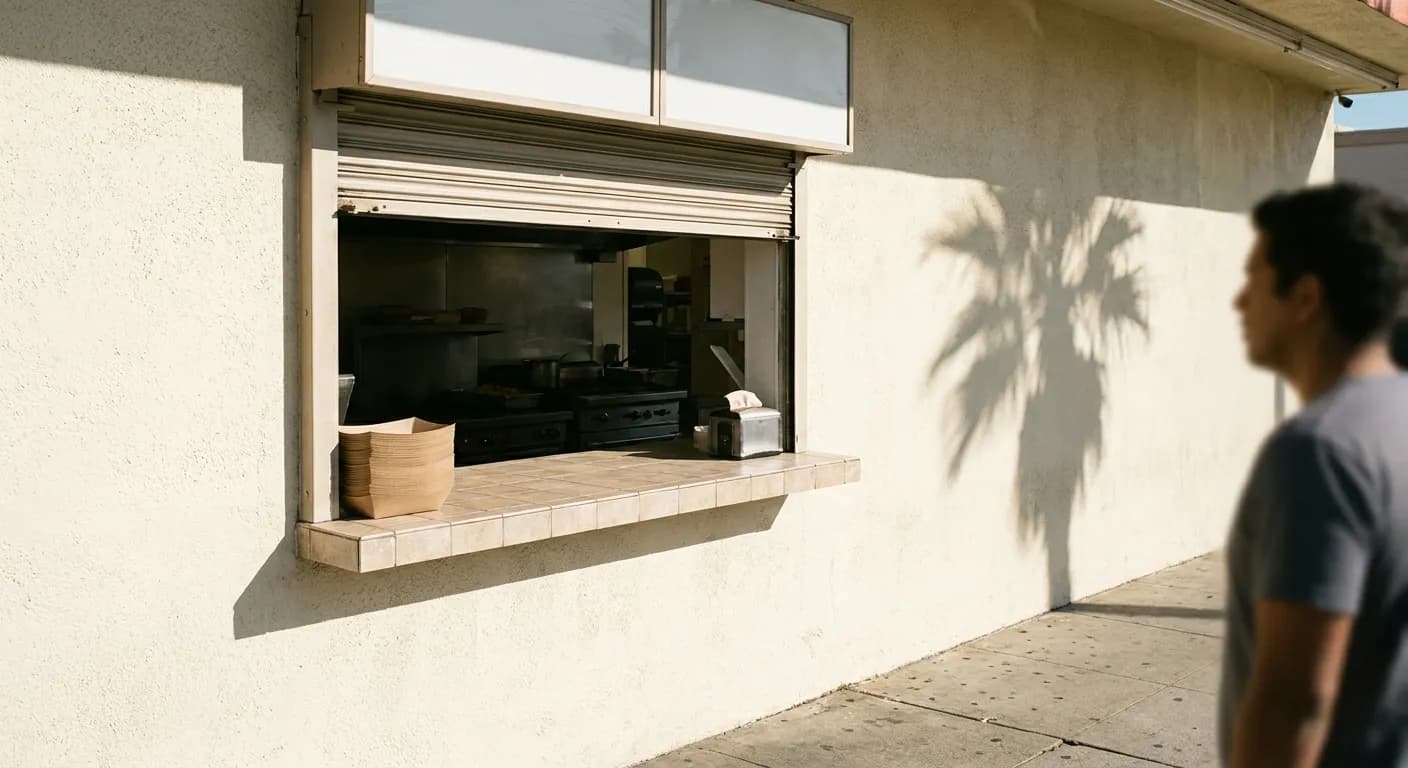
This is also the window when the taco trucks that work construction and industrial areas are parked and busy. A truck with a line of people in work clothes at 12:30 is the single most reliable food signal in the city, and it is a signal that disappears by mid-afternoon when the same truck moves or closes.
3 to 6 p.m.: the dead zone, and how to use it
Between about three and six, a large share of independent kitchens in Los Angeles are closed between services. This is the hour that produces the most frustrated searching and the most disappointing meals. Two categories stay open through it reliably: Korean restaurants in Koreatown, which mostly run continuous service, and the all-day counters in Thai Town and along Sawtelle. Anything that describes itself as a deli, a market or a bakery is also a safe bet at four.
Used deliberately, the dead zone is the best time to eat at restaurants that are impossible later. A five o'clock seating at a room that is booked out at eight is the same kitchen with more attention to spare.
9 p.m. to 1 a.m.: where the city actually eats late
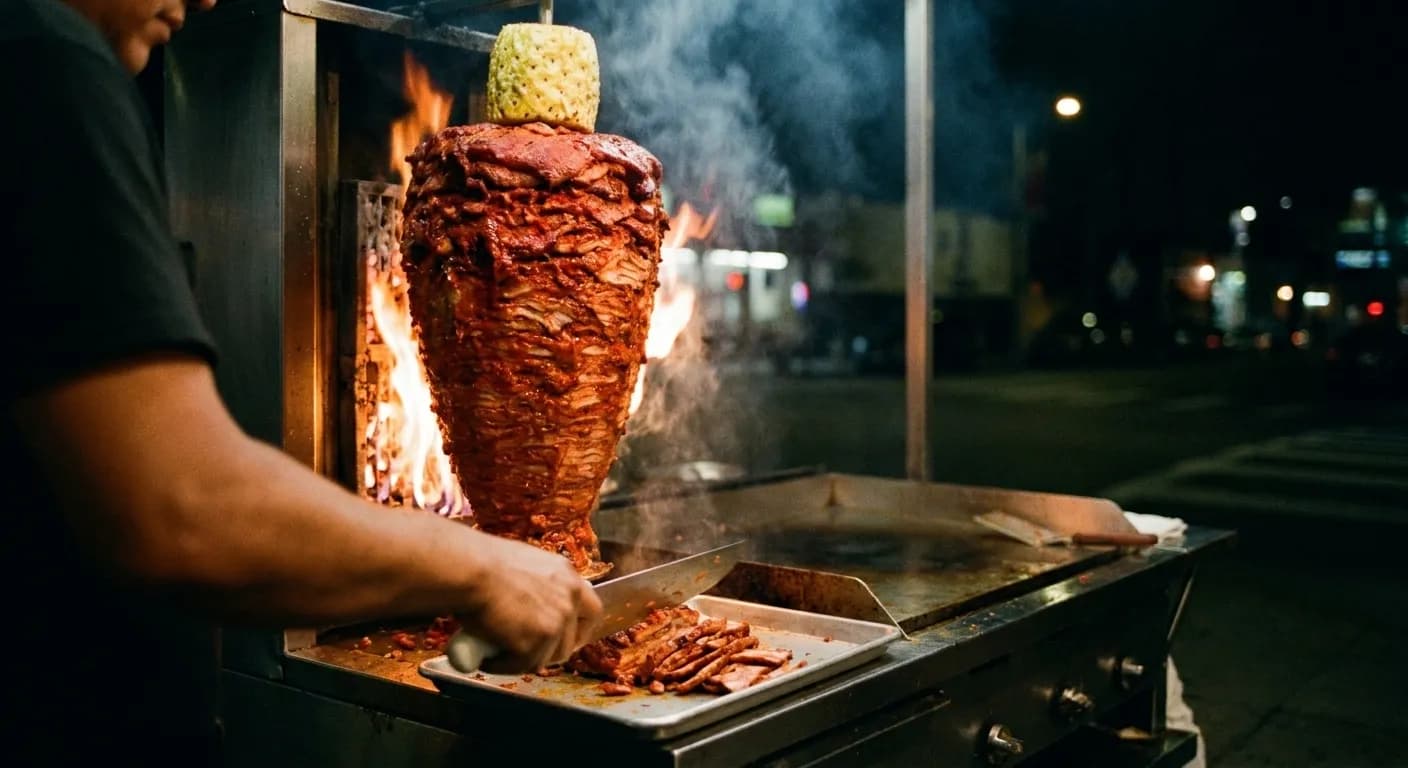
Late night in Los Angeles is concentrated, not distributed. Koreatown is the anchor — grills, soup houses and pojangmacha-style spots along Western, Vermont and 6th run well past midnight most nights of the week. Thai Town on Hollywood Boulevard is the second cluster, and downtown around 7th and the Historic Core is the third. Outside those three, and outside the drive-thrus, options thin out fast after eleven, particularly on the Westside and in the Valley.
If you are going out for a late meal, choose the neighbourhood before you choose the dish. Being in K-town at 11:30 with no plan is a better position than having a specific plan in Culver City at the same hour.
1 to 5 a.m.: the genuinely 24-hour list
The truly all-night category in Los Angeles is small and worth knowing: a handful of diners, a few Korean soup and grill houses, several taco trucks that set up outside bars at closing time, and the drive-thru chains. Norms on La Cienega, the older diners along the coast highway and the 24-hour Korean rooms in K-town are the backbone. Hours in this category change more often than any other, and a place that ran 24 hours before 2020 may now stop at two — check the night you are going, not the last time you went.
Practical notes
Build the plan around the drive, not the restaurant: forty minutes on the 10 at 6 p.m. will ruin a better meal than a fifteen-minute one nearby. Carry cash for trucks and smaller stands. Kitchens routinely close thirty to sixty minutes before the posted closing time, so treat the listed hour as the door, not the last order. And in the San Gabriel Valley, check for a separate lunch menu — it often exists, is cheaper, and stops at three sharp.
Weekend hours are a different city
The hour map shifts on Saturday and Sunday. Weekend mornings unlock things that do not exist midweek — menudo and birria stands that cook only on those two days, the San Gabriel Valley's full dim sum service, and the farmers markets that operate as outdoor food halls from around eight. Sunday evening is the opposite: a large share of independent kitchens are closed and the ones that are open fill up.
Plan the weekend backwards from those two facts. Do the special-occasion breakfast on a Saturday or Sunday morning, and keep Sunday night simple — Koreatown, a strip mall, or something you can walk to.
Tags: #LosAngeles #LAFood #FoodNearMe #LateNightLA #Koreatown #ThaiTown #SanGabrielValley #GrandCentralMarket #TacoTrucks #LAEats #EastLA #WhereToEatLA #24HourLA #LADining
Sources consulted: discoverlosangeles.com · grandcentralmarket.com · metro.net
All trademarks are the property of their respective owners.
Ask Karpo first
Opening hours are the fastest-decaying fact in any food guide, and in a city this spread out a wrong one costs you an hour of driving. Ask Karpo what is open right now near you, how far it really is at this time of day, and what to order when you get there.