Historic Filipinotown was formally designated in 2002 and it occupies a stretch of Temple Street and the blocks around it, wedged between Echo Park, Silver Lake and downtown. It is one of the least-visited food neighbourhoods in central Los Angeles, largely because it has no obvious front door - there is no arch, no single restaurant row, and much of what is worth eating sits behind unremarkable frontages on a street most people use to get somewhere else. The reward for slowing down is a compact route that takes an afternoon, costs very little, and includes cooking you will not find assembled anywhere else in the county.
HiFi's best-known places keep short and irregular hours, and a couple of them are effectively evening-only stalls rather than restaurants. Tell Karpo when you are heading over and it will tell you what is actually operating, so you build the route around what is open rather than what is famous.
Start with the murals, because they explain the street
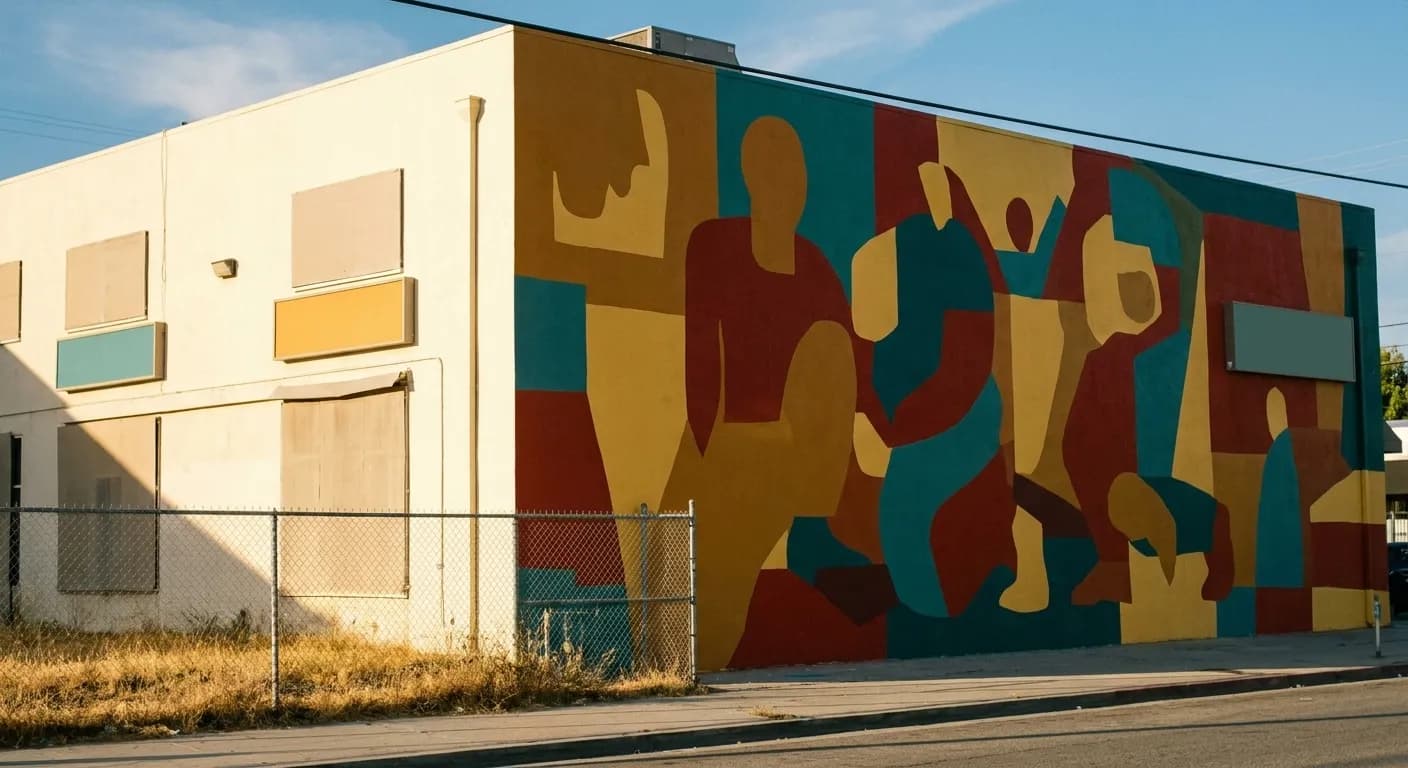
The neighbourhood's public art is not decoration; it is the clearest statement of what it is. The enormous mural at Unidad Park, running the length of a wall and depicting Filipino American history, is the anchor, and there are several more within a few blocks.
Fifteen minutes looking at them before you eat reframes the rest of the afternoon, because the food that follows is directly connected to the migration story on the wall - the farm labour, the navy, the nursing corps, the neighbourhoods that formed around each.
The skewer stall is the essential stop
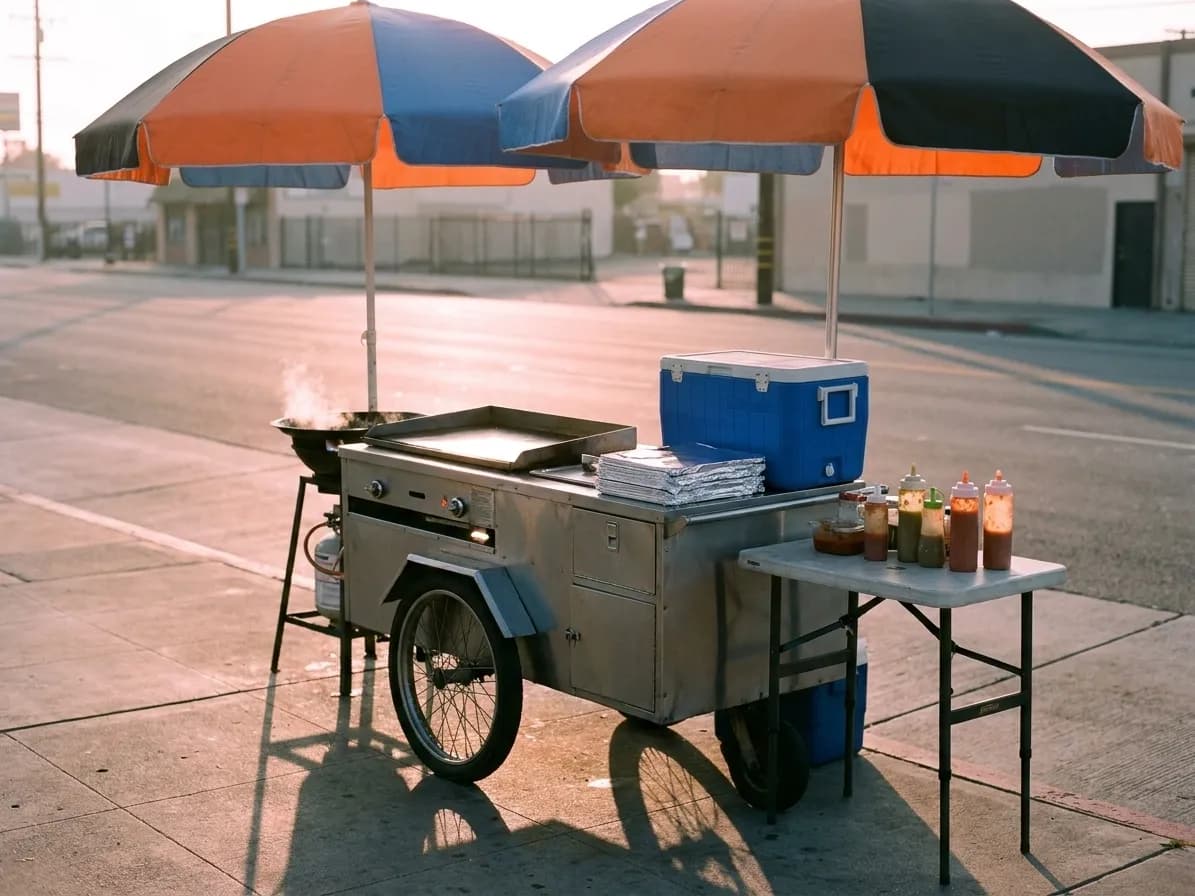
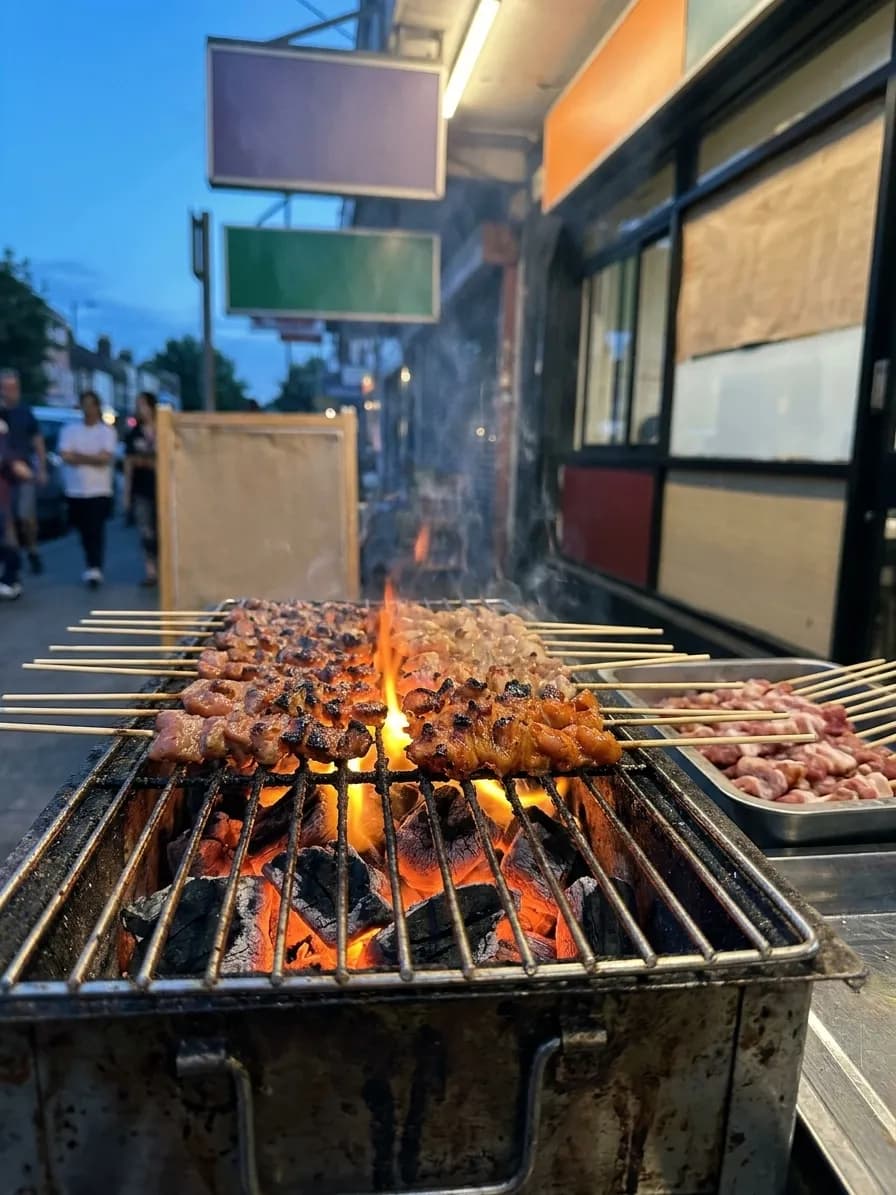
The format to understand here is the barbecue stall: a grill, a tray of marinated skewers, and a counter where you pick what you want and it goes over coals in front of you. Dollar Hits on Temple is the best-known version and it operates on exactly this model, largely in the evening.
Order across the tray rather than safely. Pork and chicken are the obvious ones; the offal skewers - isaw, chicken heart - are cheaper, cook faster and are what most of the queue is actually there for. Rice and a cup of spiced vinegar are the accompaniments and both matter.
The sit-down side of the neighbourhood
Alongside the stalls sit a handful of proper restaurants doing Filipino cooking in different registers - some traditional, some explicitly Filipino-American and crossed with Southern and Mexican influences. The Park's Finest is the best-known of the second kind, a barbecue restaurant that has been in the neighbourhood for years.
The dishes to look for are adobo, sinigang and kare-kare. Adobo is the famous one; sinigang, a sour tamarind broth, is the one that tells you most about the cooking, because sourness is the organising principle of a lot of Filipino food and it is unfamiliar to most first-timers.
Sweet, and why halo-halo is a structure
Halo-halo means mix-mix and that is an instruction rather than a name. It is shaved ice with evaporated milk over a stratified layer of sweet beans, jackfruit, coconut strips, purple yam, leche flan and often ice cream, and you are supposed to destroy the arrangement before eating it.
It is a hot-afternoon dish and Los Angeles in September is exactly the weather for it. Do not eat it delicately from the top; the layers are the point and they only work combined.
The bakery stop
Filipino bakeries run a distinct repertoire worth a separate ten minutes: pandesal, the soft breakfast roll; ensaymada, brioche with butter, sugar and cheese; hopia, a flaky pastry with mung bean or purple yam. They are cheap and they keep, which makes this the sensible last stop.
The one to eat immediately rather than take home is ensaymada, which is materially better warm and does not travel well in an LA afternoon.
What to buy rather than eat
The neighbourhood's grocery stores are worth a stop even if you have already eaten. Filipino markets carry frozen lumpia, bottled bagoong, longganisa sausage and a wall of vinegars, and the prices are a fraction of what the same items cost in a specialist shop elsewhere in the city.
The single most useful thing to take home is a bottle of cane vinegar and a jar of bagoong. Between them they explain most of the sourness and most of the funk in what you have just spent the afternoon eating, and they cost less than a coffee.
How the route fits together
The workable order is murals and Unidad Park first, a sit-down late lunch on Temple, the bakery in the middle of the afternoon, and the skewer stall at dusk when the grills are lit. That is roughly four hours and covers about a mile on foot.
It is walkable end to end, which is not true of most LA neighbourhood food routes. Park once near Temple and Alvarado and leave the car where it is.
Getting there and what is next door
HiFi sits between two places people already go - Echo Park to the north and downtown to the east - and it is on several bus lines along Temple and Beverly. The nearest rail is a walk rather than a step away, so this is one of the LA neighbourhoods where a bus is genuinely the better option.
If you want to extend the afternoon, Echo Park Lake is fifteen minutes north on foot and Chinatown is a short ride east. Both make a natural second half, and neither duplicates anything you will have eaten.
Tags: #FoodNearMe #HistoricFilipinotown #LosAngeles #FilipinoFood #TempleStreet #NeighborhoodGuide #HiFi #LAFood #Murals #LAEats
All trademarks are the property of their respective owners.
Ask Karpo first
Historic Filipinotown is a mile of Temple Street that rewards stopping. Ask Karpo what is open there this afternoon and build the walk around it.