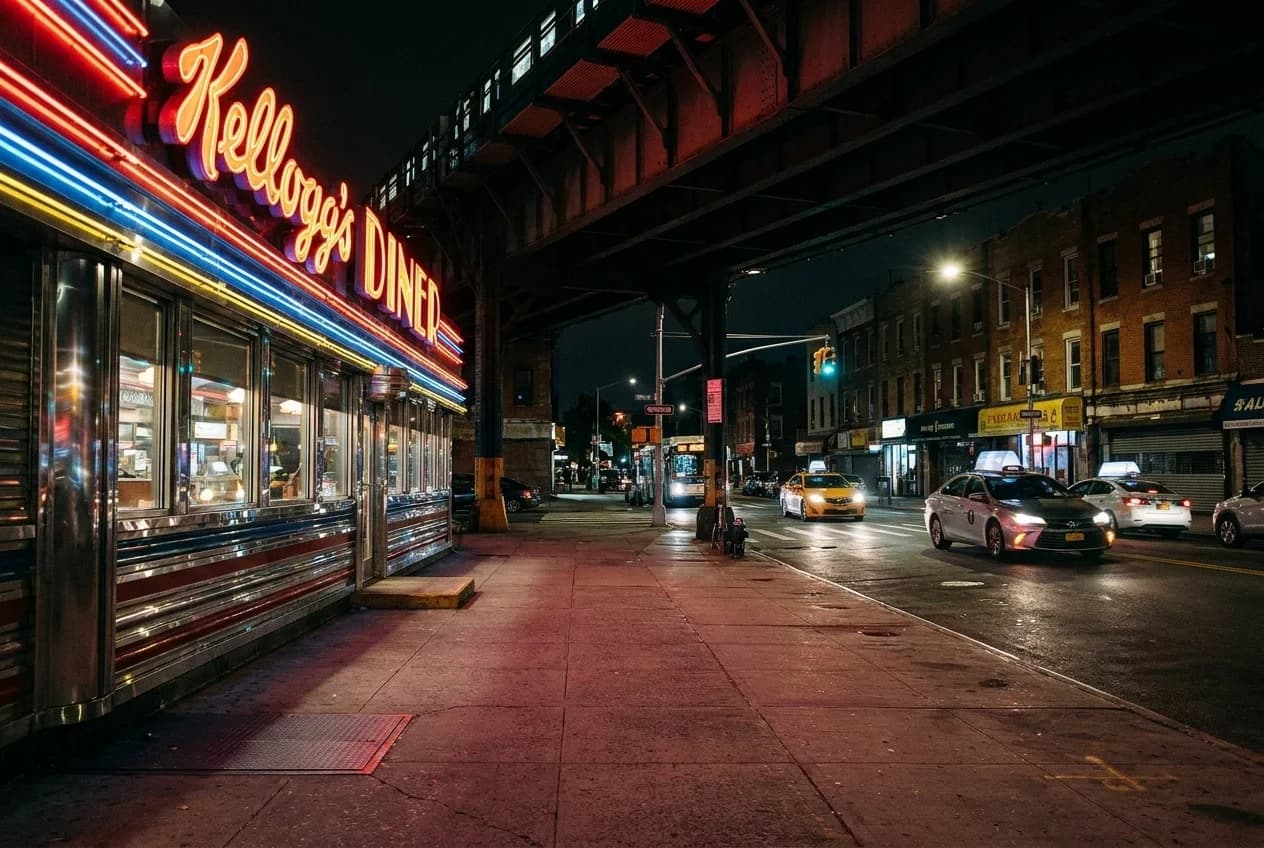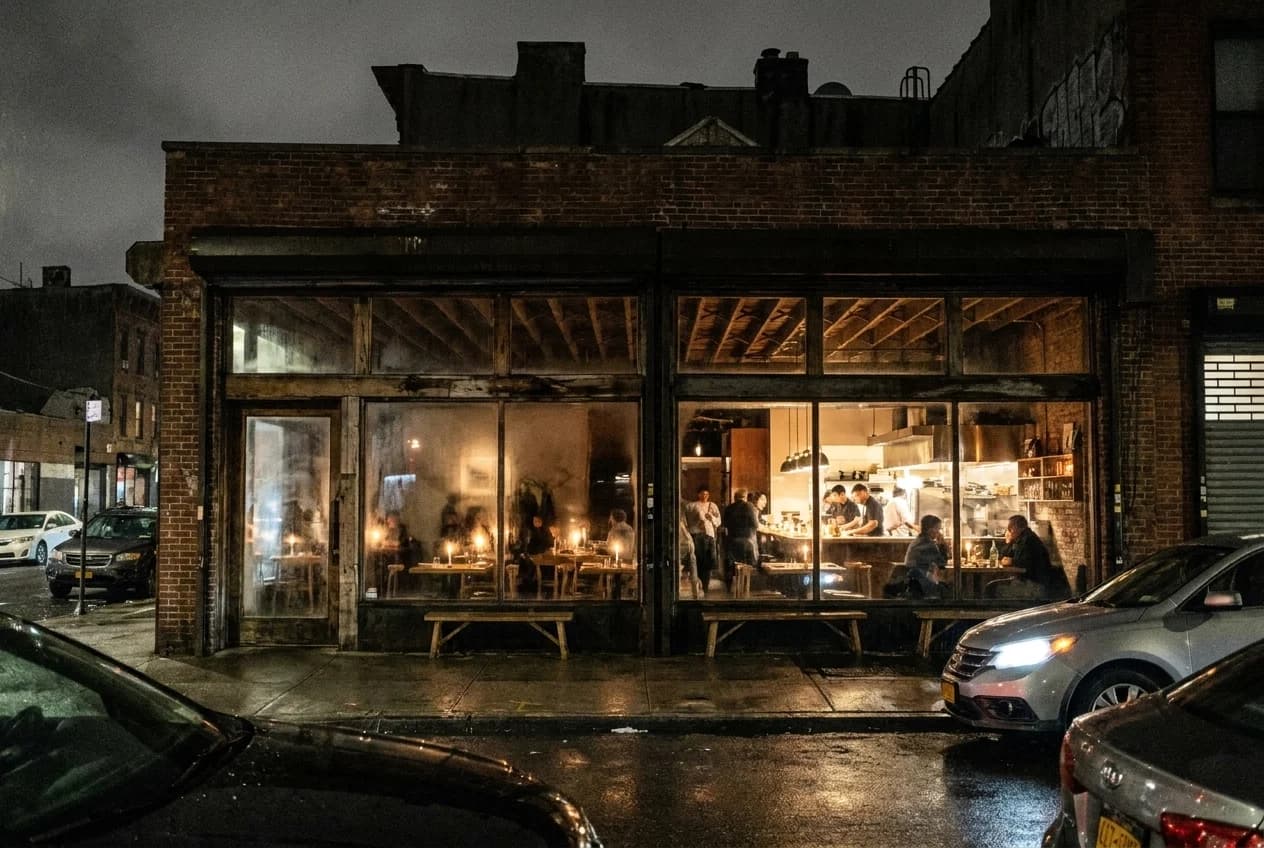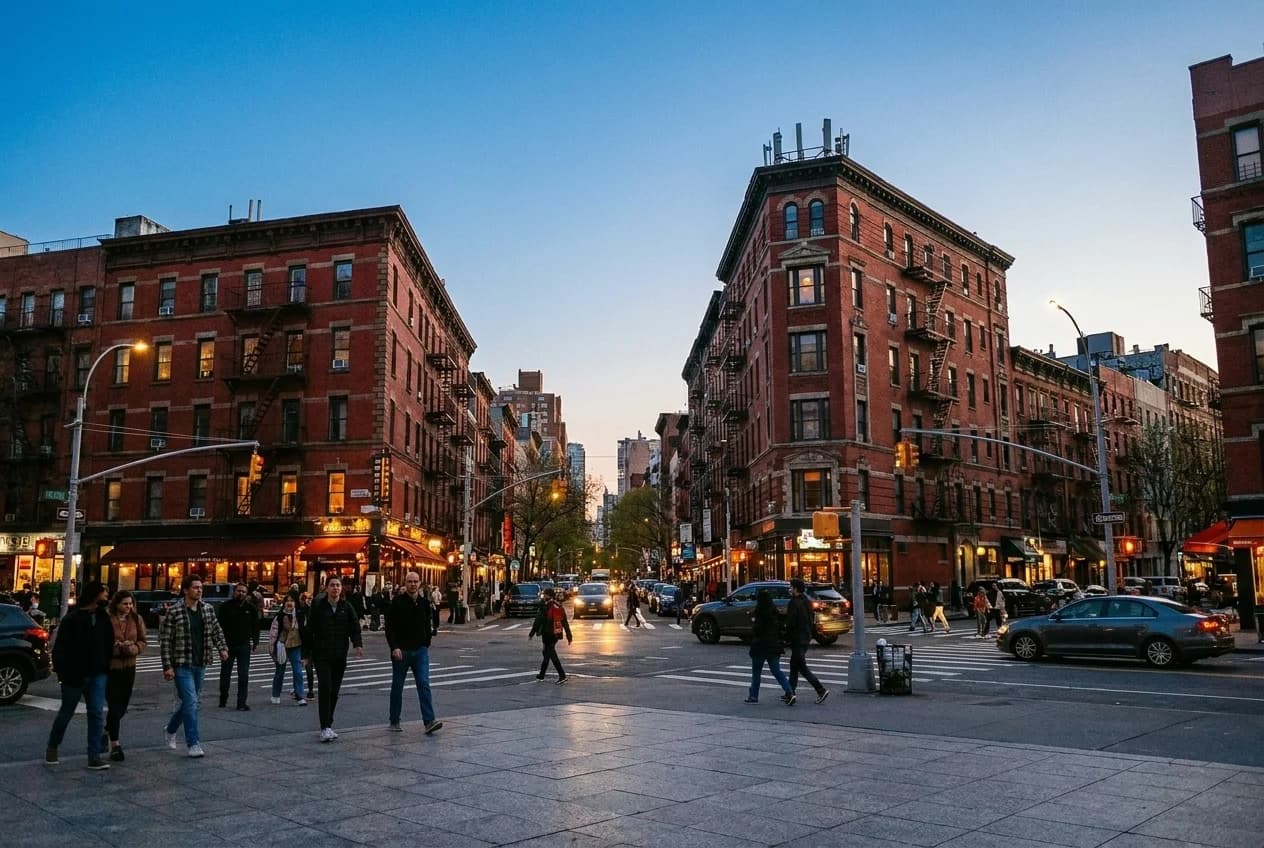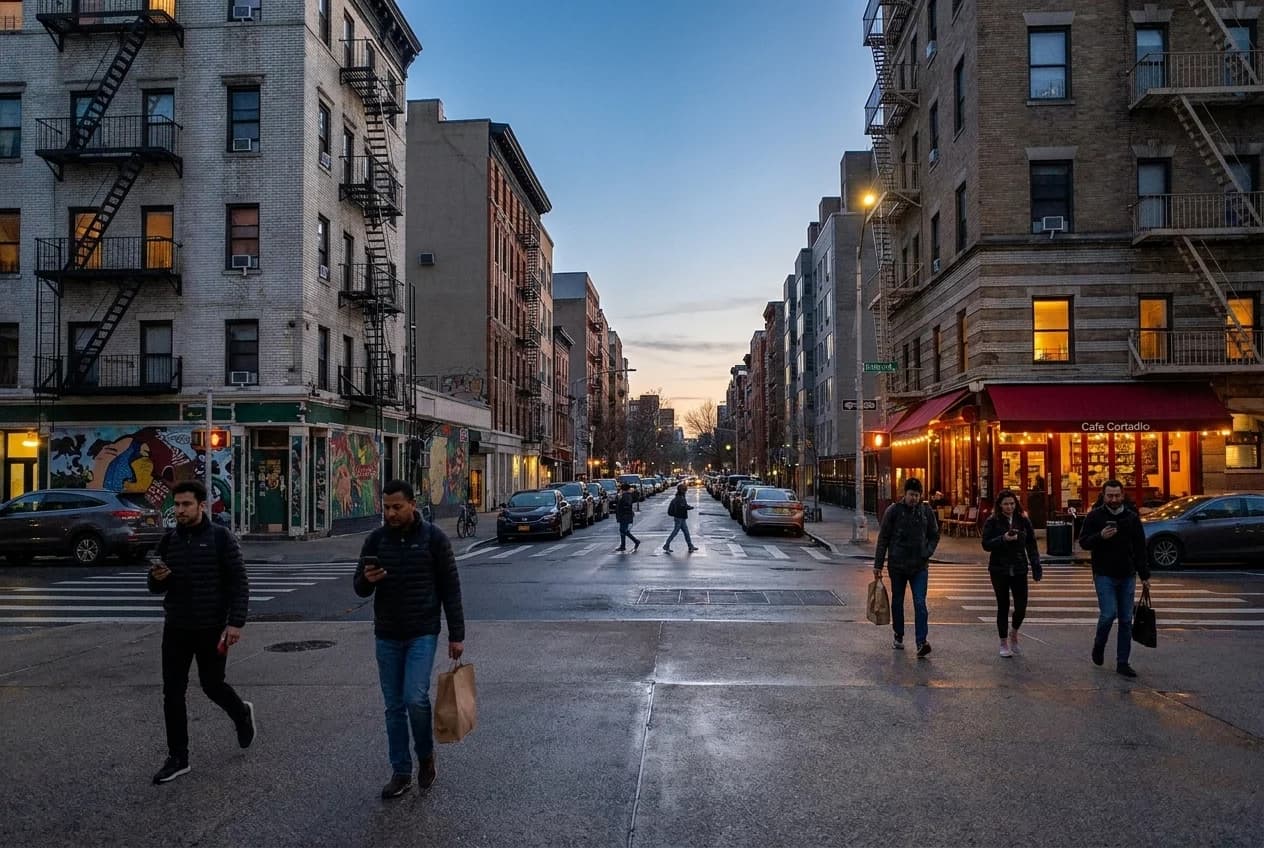
When you search for food near me in the East Village and you do not eat meat, you are looking at two kinds of restaurants: the ones that opened vegetarian thirty years ago and the ones where vegetarian dishes exist because the cuisine already worked that way. The first category includes the macrobiotic Japanese spots, the vegan Middle Eastern counters, and the Indian steam tables that predate the word 'plant-based.' The second includes every soba shop where you have to ask if the broth contains bonito, every udon counter where the default is dashi, and every falafel place where the menu was never built around animal protein to begin with. Knowing which kind of restaurant you are in determines whether you need to ask questions or just order.
Karpo maps every vegetarian kitchen in the East Village with live hours, menu notes on fish stock and dairy, and walking routes that string together three meat-free meals in one afternoon. It knows which counters will swap the dashi.
The decade-old vegetarian anchors still open
Caravan of Dreams at 405 East 6th Street has been serving organic vegan food since 1991, making it one of the oldest continuously operating vegan restaurants in the city. The kosher-certified menu runs Mediterranean-leaning: falafel, hummus plates, live-food wraps, and a full bar. Hours are Sunday and Monday 11am to 10pm, Wednesday through Saturday 11am to 11pm; closed Tuesday. Nothing on the menu contains animal products, so there is no need to ask.
Souen at 326 East 6th Street opened in 1971 as a macrobiotic restaurant and still runs on those principles: no meat, no dairy, no refined sugar, no preservatives. The menu is Japanese-inflected—miso soup, brown rice bowls, tempeh, seaweed salads—and everything is organic. Hours are noon to 9pm Tuesday through Sunday; closed Monday. Expect to pay around $18 to $22 for a main plate. The space is narrow, low-lit, and has been in the same storefront for over fifty years.
Punjabi Deli at 114 East 1st Street has been open since 1993 and operates around the clock. The vegetarian Indian steam-table food—saag paneer, chana masala, dal, rice, roti—comes in takeout containers and costs less than ten dollars for a full meal. There is no seating; you order at the counter, pay, and leave. The prices have not kept pace with the neighbourhood, which is why the line forms at 2am and again at noon.
Japanese menus where the broth is not always vegetable stock
Sobaya at 229 East 9th Street makes its soba noodles by hand and has been doing so since 1996. The menu includes vegetarian options, but the default broths in many bowls use dashi made from bonito flakes. Yasai Soba, listed as a vegetable noodle soup, is one of the dishes where you can request vegetable broth. If you want a different bowl without fish stock, ask when you order; the kitchen will sometimes accommodate. The restaurant does not take reservations and operates walk-in only. Hours are noon to 3pm and 5pm to 10pm daily. Agedashi tofu and goma ae are both vegetarian starters.
The principle applies to any udon shop in the neighbourhood: check the broth base. Many traditional udon broths are built on dashi made from fish. If a menu lists a vegan udon option explicitly—like Kitsune Udon with tofu sheets and vegetable broth—that is the reliable choice. If it does not, ask before ordering. At Ippudo Westside at 65 Fourth Avenue, which sits right on the western edge of the East Village boundary, ramen broths are pork or chicken-based by default, but vegetarian options using vegetable broth are available if requested.
Middle Eastern and Indian places where vegetarian is structural, not special
The neighbourhood's older Middle Eastern and South Asian counters never had to invent a vegetarian section because half the menu was already built that way. Hummus, baba ghanoush, falafel, dal, aloo gobi, and paneer dishes were never adaptations; they were the baseline. This makes them easier to navigate than a Western menu where the vegetable option is an afterthought or a pasta dish with the chicken subtracted.
Punjabi Deli's steam table is entirely vegetarian, so there is no question of cross-contamination or shared cooking surfaces. The food sits in metal trays under heat lamps, and you point to what you want. The dal and saag cost the same per container, and the price does not increase if you skip the paneer. This is not a special menu; it is the only menu.
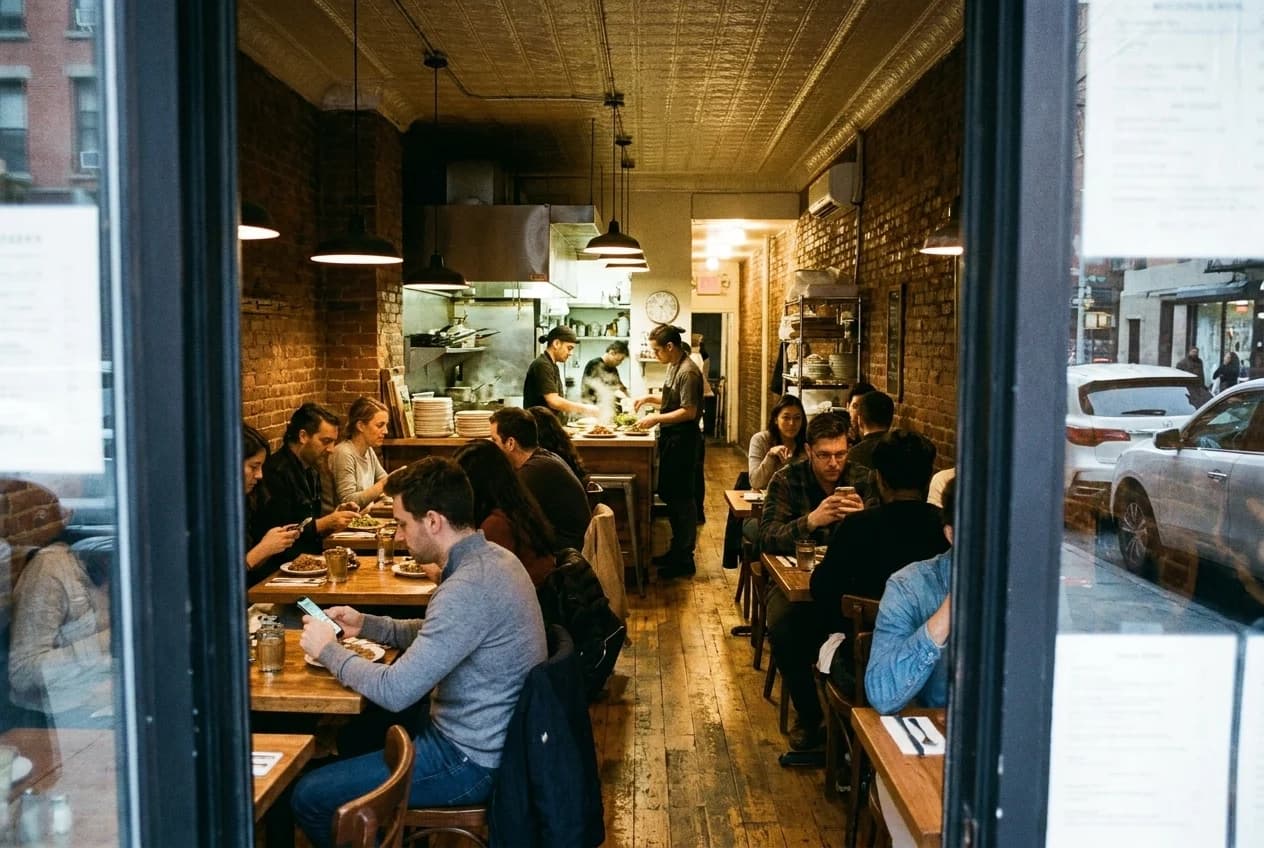
Mamoun's Falafel at 30 St. Marks Place has been serving Middle Eastern food since opening in the East Village, and nearly every item is vegetarian or easily made so. Falafel sandwiches, hummus plates, baba ghanoush, and grape leaves form the core of a menu where meat was never the center. The restaurant is open daily from 11am to 11pm. Prices are low—a falafel sandwich runs around six dollars—and the quality has held steady for years.
When the vegetable version costs the same and when it does not
At Caravan of Dreams, there is no meat on the menu, so there is no surcharge for avoiding it. A grain bowl or a falafel plate costs what it costs. At Sobaya, if you order Yasai Soba instead of a pork or chicken version, the price drops slightly because you are getting vegetables instead of protein. The bowl itself—noodles, broth, preparation—is the same.
At restaurants where the vegetarian option is a substitution, expect to pay within a dollar or two of the meat price. A tofu stir-fry will not cost six dollars less than the beef version unless the menu was built around tofu to begin with. The pricing gap exists at places where vegetables are an accommodation, not at places where they are the reason the kitchen opened.
Where to ask for changes and where not to bother
Sobaya will sometimes swap a dashi-based broth for a vegetable one if you ask when you order, but this is not guaranteed and depends on how busy the kitchen is. Caravan of Dreams and Souen will not make changes because every dish is already vegetarian or vegan, so there is nothing to swap. Punjabi Deli has no customisation at all; you take what is on the steam table or you go somewhere else.
If you are ordering from a Japanese restaurant and the menu lists dashi or bonito in the ingredients, ask before you order. If the server does not know, ask to speak to the kitchen. If the answer is no, order something else. Do not assume that a vegetable tempura udon comes in vegetable broth unless the menu says so.
What a realistic East Village vegetarian meal costs in 2026
At Punjabi Deli, a full meal—dal, saag, rice, roti, and a samosa—costs around eight dollars. At Souen, a macrobiotic plate with miso soup, brown rice, and vegetables runs eighteen to twenty-two dollars. At Caravan of Dreams, a falafel platter or grain bowl costs fifteen to twenty dollars. At Sobaya, a bowl of Yasai Soba costs around sixteen dollars. These prices reflect sit-down service, ingredient sourcing, and how long the restaurant has been in the neighbourhood.
The cheapest vegetarian meal in the East Village is still Punjabi Deli, where you can eat for under ten dollars at any hour. The most expensive is any of the sit-down organic or macrobiotic spots, where a single entree will cost more than twenty dollars before tax and tip. The middle ground is Japanese noodle shops, where a bowl with vegetables runs fifteen to eighteen dollars. Mamoun's Falafel sits at the lower end, with sandwiches and plates under ten dollars.
Practical notes
Punjabi Deli is at 114 East 1st Street and open twenty-four hours every day; a full meal costs under ten dollars. Caravan of Dreams is at 405 East 6th Street, open Sunday and Monday 11am to 10pm, Wednesday through Saturday 11am to 11pm, closed Tuesday, with most dishes fifteen to twenty dollars. Souen is at 326 East 6th Street, open noon to 9pm Tuesday through Sunday, closed Monday, with entrees eighteen to twenty-two dollars. Sobaya is at 229 East 9th Street, walk-in only, noon to 3pm and 5pm to 10pm daily; Yasai Soba is around sixteen dollars. Mamoun's Falafel is at 30 St. Marks Place, open 11am to 11pm daily, with falafel sandwiches around six dollars. If a Japanese menu lists dashi or bonito, ask for a vegetable broth swap before you order. If the restaurant has been vegetarian since before 2000, the price will not punish you for skipping meat.
Tags: #EastVillage #VegetarianNYC #VeganRestaurants #PunjabiDeli #CaravanOfDreams #Souen #Sobaya #MacrobioticFood #JapaneseNoodles #IndianFood #MeatFreeDining #PlantBased #VegetarianDining #NYCFood #AlphabetCity
Please drink responsibly. Must be of legal drinking age.
All trademarks are the property of their respective owners.
Ask Karpo first
Ask Karpo which East Village vegetarian restaurants are open right now, which Japanese counters will swap fish stock for vegetable broth, and how to string together a day of meat-free meals between Tompkins Square and Avenue C. It knows the steam-table hours, the walk-in policies, and which macrobiotic spot has been on the same block since 1971.