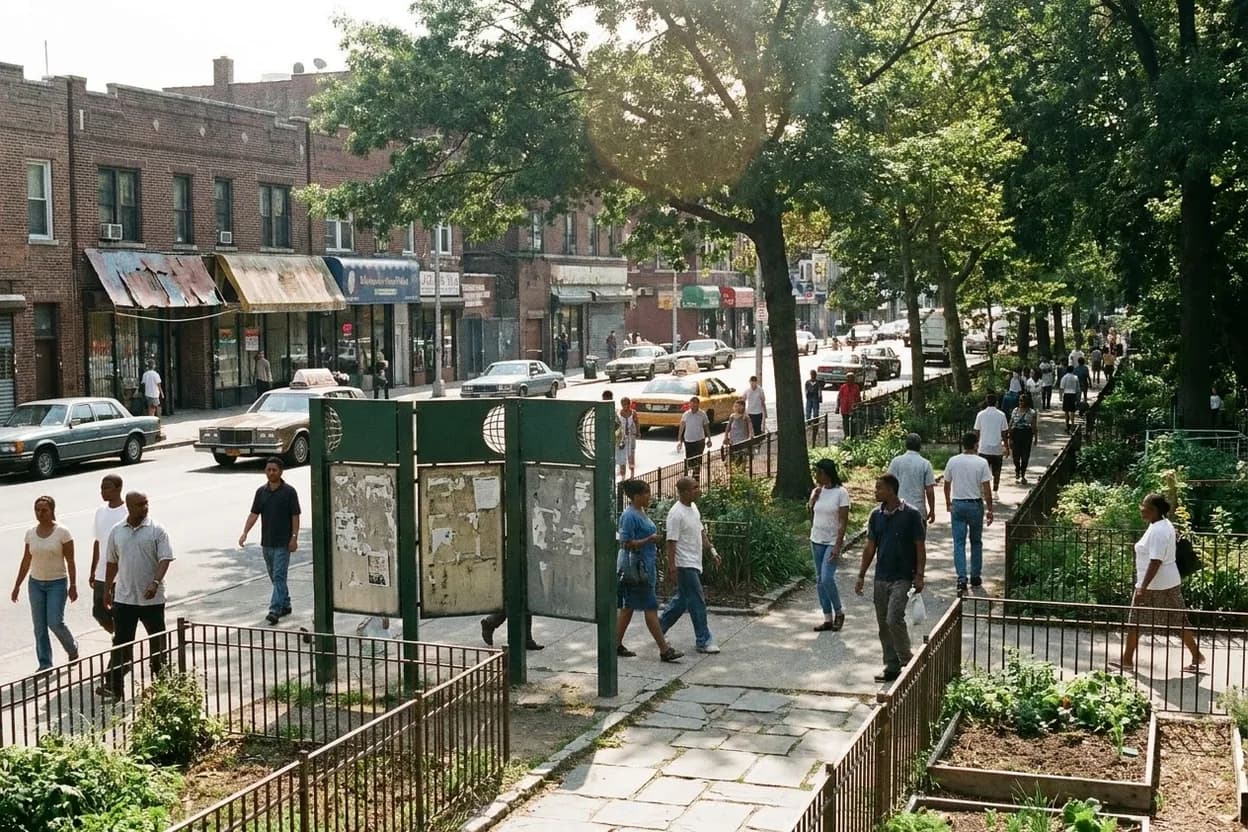
Flushing, Queens, is widely celebrated as a vibrant culinary destination, yet beneath its bustling streets lies a profound historical narrative often overlooked: its foundational role in America's long struggle for religious freedom and civil rights. The Flushing Freedom Mile offers a unique, compact walking tour that invites visitors to re-examine the neighborhood through the lens of its early commitment to tolerance. This self-guided route reframes Flushing not just as a place for global flavors, but as a landmark of liberty, intertwining the 1657 Flushing Remonstrance with later abolitionist efforts. It's an ideal plan for those seeking a substantive historical experience without venturing far from the city's core.
Want to discover Flushing's pivotal history as a beacon of freedom? Text Karpo "Flushing Freedom Mile" for an instant, detailed itinerary and map.

Who This Walk Suits Best
The Flushing Freedom Mile is designed for history enthusiasts, curious New Yorkers, and visitors eager for a meaningful, self-directed exploration of a lesser-known but significant chapter in American history. It particularly appeals to those who appreciate walking tours that prioritize intellectual engagement over passive observation, offering a compact route that is accessible without requiring extensive travel across the city. This experience is best for individuals or small groups who prefer to set their own pace, absorbing the historical context at each stop.
This walk is ideal for anyone looking to connect with the origins of religious tolerance in the United States, as well as the broader narrative of civil rights, without committing to a full-day excursion. It’s perfect for a half-day outing, allowing ample time to reflect on the sites and perhaps enjoy a meal in Flushing afterward, integrating the neighborhood's contemporary vibrancy with its deep historical roots. The route is situated in downtown Flushing, making it a convenient and focused historical journey.
Pacing Your Historical Journey
While the Flushing Freedom Mile is described as a compact route within roughly a one-mile radius, its historical density warrants a thoughtful pace. Allocate at least two to three hours to comfortably explore the key markers, allowing time to read historical plaques and reflect on their significance. This is not a race; the richness of the history, from the 1657 Flushing Remonstrance to connections with the Underground Railroad, benefits from unhurried contemplation. Consider breaking the walk with a coffee or snack at a local establishment, integrating a modern Flushing experience with your historical immersion.
For those particularly interested in the broader context, pairing the walk with the Underground Railroad narrative in Flushing can extend the experience. While the core Freedom Mile focuses on the 1657 proclamation, contemporary reporting ties the area to abolition-era history, offering an even deeper dive into the fight for liberty. Factor in additional time if you plan to seek out additional sites linked to this later period, such as the Macedonia A.M.E. Church, which was believed to have been a stop on the Underground Railroad.
Essential Waypoints and What They Offer
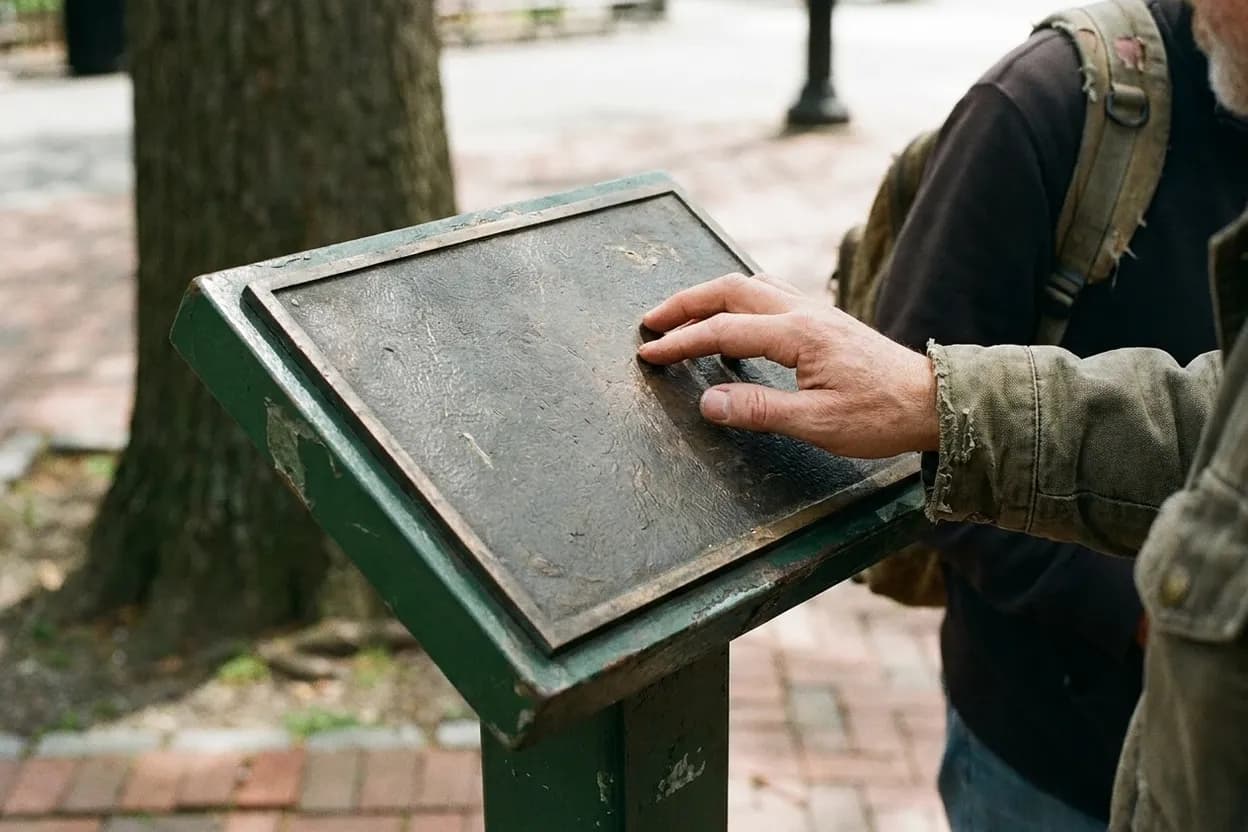
The most historically significant stop on the route is the Flushing Remonstrance/Flushing State Armory area. A marker here explicitly links the site to the 1657 proclamation for religious tolerance, often considered the "birthplace of religious freedom in America." This location serves as the conceptual cornerstone of the Freedom Mile, providing direct insight into the courageous stand taken by Flushing freeholders against religious persecution centuries ago. Prioritizing this stop offers the most direct connection to the route's central theme of liberty.
Other key waypoints include the Downtown Flushing Post Office at 41-65 Main Street, just south of Sanford Avenue, and a historical marker at 137-68 Northern Boulevard, just west of Union Street. These locations, while perhaps less dramatic in their presentation, contribute to the compact, walkable nature of the route and reinforce the area's historical significance. They help visitors visualize the spatial context of these historical events within the fabric of contemporary Flushing.
Beyond the Remonstrance: Underground Railroad Connections
While the 1657 Flushing Remonstrance anchors the Freedom Mile, the area's commitment to liberty extends to the 19th century with its ties to the Underground Railroad. The Macedonia A.M.E. Church, for instance, is believed to have served as a stop on this crucial network assisting enslaved people to freedom. This connection broadens the historical scope of Flushing, demonstrating a sustained legacy of defiance against oppression and a dedication to human rights that spans centuries.
The National Park Service-affiliated page also references Bowne House in the context of the Underground Railroad, suggesting a deeper historical layer to explore. While the Freedom Mile primarily focuses on the publicly accessible markers, understanding these broader connections enhances the narrative. It reframes Flushing as a continuous battleground for freedom, linking the early arguments for religious tolerance with later, more desperate struggles for human dignity.
Navigating the Self-Guided Experience
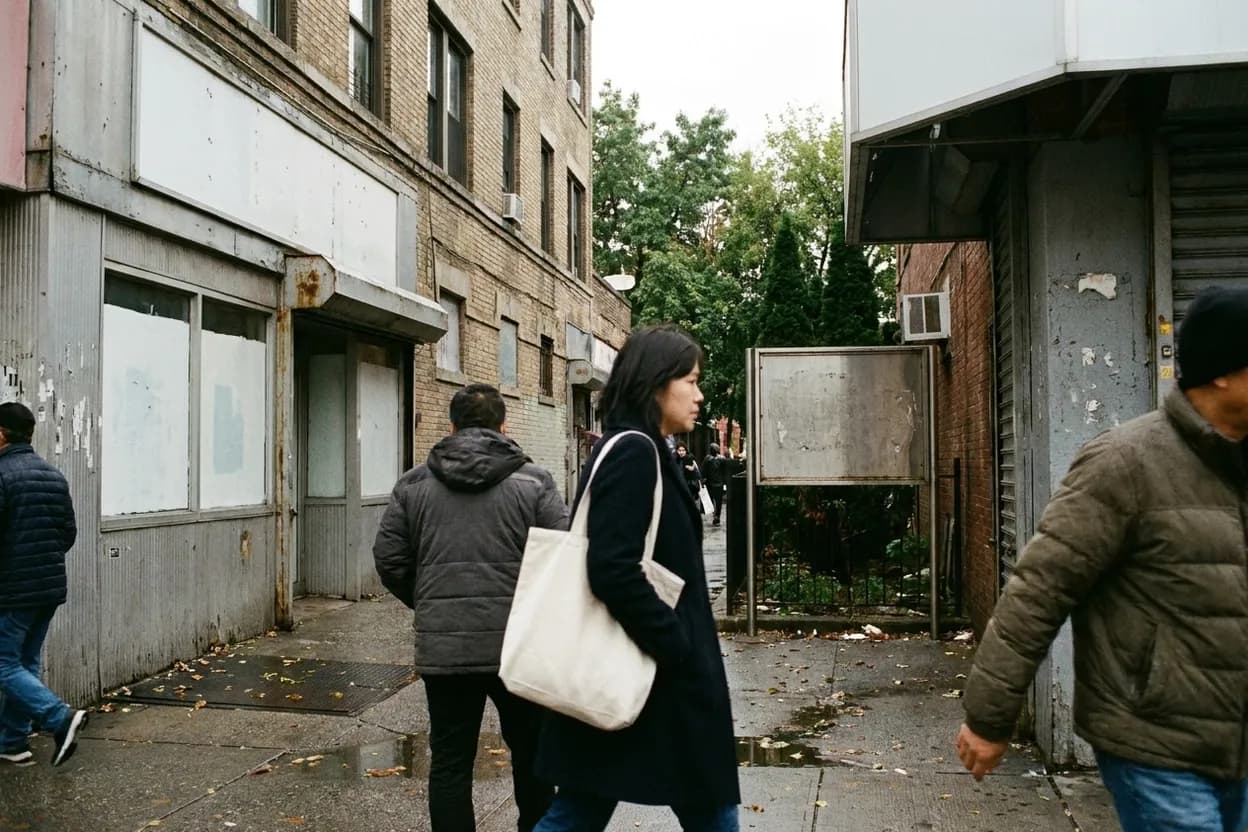
The Flushing Freedom Mile is designed as a self-guided experience, distributed across public streets and markers in downtown Flushing. This means visitors should not expect a single, consolidated attraction with timed entry. Instead, the route functions as a series of points of interest that can be explored at one's leisure. This format offers maximum flexibility, but it also means that visitors are responsible for their own navigation and understanding of the historical context at each stop.
Utilize online resources or a pre-downloaded map, as official signage may vary in clarity or completeness along the entire route. The route is presented as a pair of walking tours within about a one-mile radius, so expect to loop through the core of downtown Flushing. This compact design makes it manageable for most pedestrians and ensures that the historical points are relatively close to each other, minimizing travel time between sites.
Where a Flushing Freedom Mile plan can go wrong
One potential pitfall is expecting a fully staffed or heavily signed route. Since the Freedom Mile is a collection of public markers, it lacks the consistent interpretative infrastructure of a dedicated museum. Visitors should plan to bring a charged phone with maps and any downloaded historical information to supplement the on-site plaques. Additionally, while the route is walkable, consider comfortable footwear, as you will be covering public sidewalks and potentially uneven surfaces.
Another consideration is the access to individual buildings along the route. While the historical markers are publicly accessible, interior access to some associated buildings, such as Bowne House, may require separate reservations or have specific operating hours. Do not assume automatic entry; if visiting a specific building is a priority, verify its current access policies independently. Focus on the external markers as the primary experience of the Freedom Mile, with interior visits as a bonus if timing and access permit.
Practical notes for Flushing Freedom Mile
As of July 23, 2026, the Flushing Freedom Mile exists as a walking tour, but there is no single official page with current published opening times, season schedules, or reservation requirements for the entire route. It is primarily a self-guided experience across public streets. Therefore, specific access rules for individual buildings on or near the route are not confirmed here; some sites may be externally viewable only. For any specific building you wish to enter, such as Bowne House, verify its current ticketing or reservation status directly on its official website before your visit.
No source provided here confirms current holiday closures, guided-tour dates, or whether route signage is fully intact at every stop. It is advisable to check local conditions upon arrival and to use a digital map for navigation. The route is generally accessible by walking, rather than by timed entry to an enclosed attraction. Be prepared for a self-reliant exploration, and always verify the operating status of any specific indoor historical sites you intend to visit.
Tags: #NYCWalkingTours #FlushingHistory #ReligiousFreedom #QueensExploration #SelfGuidedTour #HiddenNYC #HistoryBuff #CivilRightsHistory #NYCAttractions #ExploreQueens #AskKarpo #BeforeYouGo #OutdoorAdventures #HistoricalSites
Sources consulted: Source 1: nyc.gov · Source 2: nps.gov · Source 3: bownehouse.org · Source 4: abc7ny.com · Source 5: michaelminn.net · Source 6: hmdb.org · Source 7: hmdb.org · Source 8: en.wikipedia.org
All trademarks are the property of their respective owners.
Ask Karpo first
Tell Karpo your date, group size, budget, and starting neighborhood. We’ll check current access, timing, transit, and the cleanest plan for Flushing Freedom Mile before you head out.