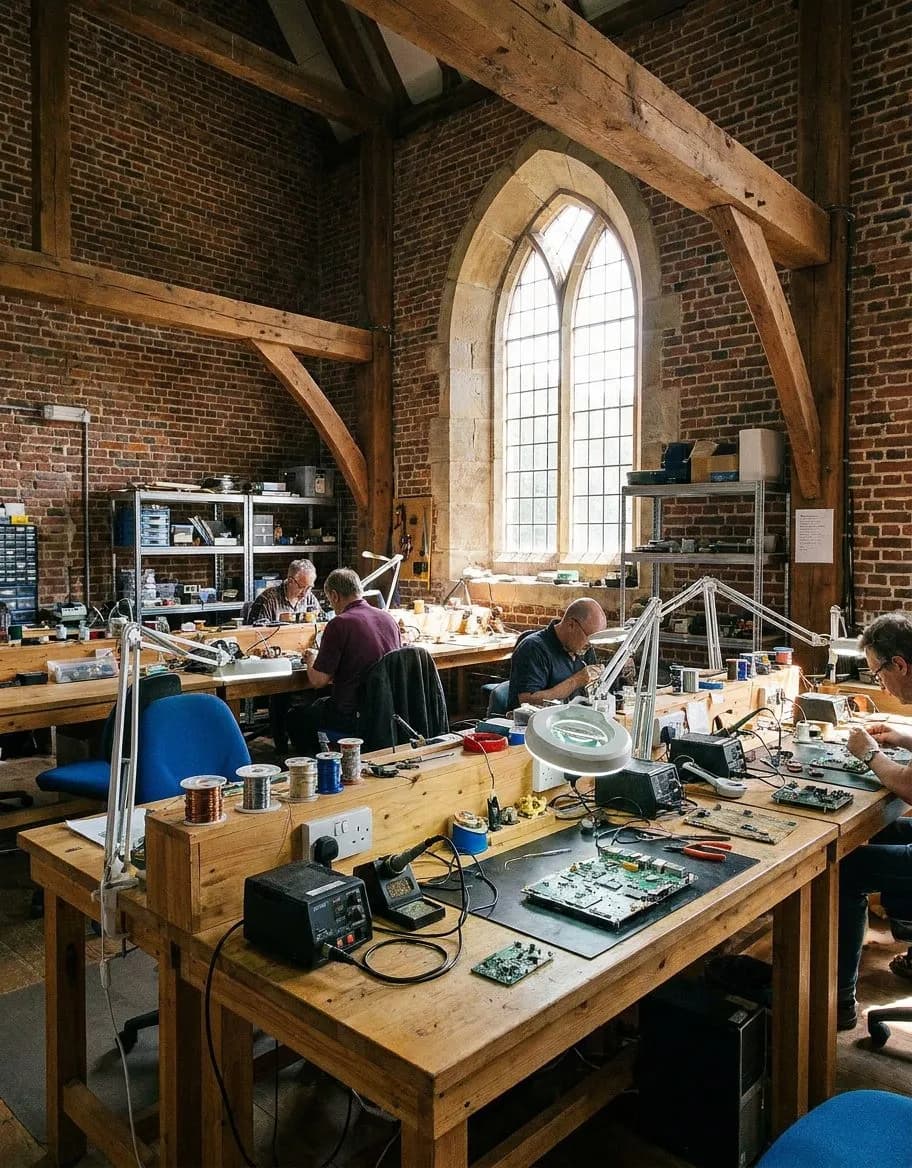
On a late-summer evening in 2026, the fourth floor of Building 77 at Brooklyn Navy Yard hums with the particular focus of people bent over circuit boards, their hands guided by volunteers who speak the language of cold solder joints and capacitor polarity. This is Fixers Guild's Tuesday repair cafe, a weekly gathering where broken toasters, balky laptops, and silent radios come for a second chance. The air carries the sweet-acrid smell of flux and hot solder, punctuated by the occasional triumphant chime of a device powering back to life. It is one of the city's most practically useful free things to do, and it draws a crowd that ranges from grad students nursing cracked phones to retirees determined to resurrect a 1970s stereo receiver.
The Tuesday rhythm
The repair cafe runs every Tuesday from six until nine in the evening. No appointment is needed, but the unwritten rule among regulars is to arrive before seven-thirty if you want a volunteer's full attention for a new project. Later arrivals are welcomed, of course, but by eight o'clock the technicians are often deep in diagnostic sessions, and complex repairs benefit from an early start. The timing matters less if you're returning to continue work on a multi-week endeavor—some projects span months, with visitors checking out tools, taking components home, and circling back when replacement parts arrive.
The format is loose and improvisational. There is no intake desk, no ticket system. You simply walk in, scan the room for a volunteer wearing a Fixers Guild badge, and explain what brought you here. A laptop that won't charge. A coffee grinder with a burnt smell. A synthesizer that outputs only silence. The volunteer listens, asks questions, and begins the diagnostic dance.
Supervision, not service
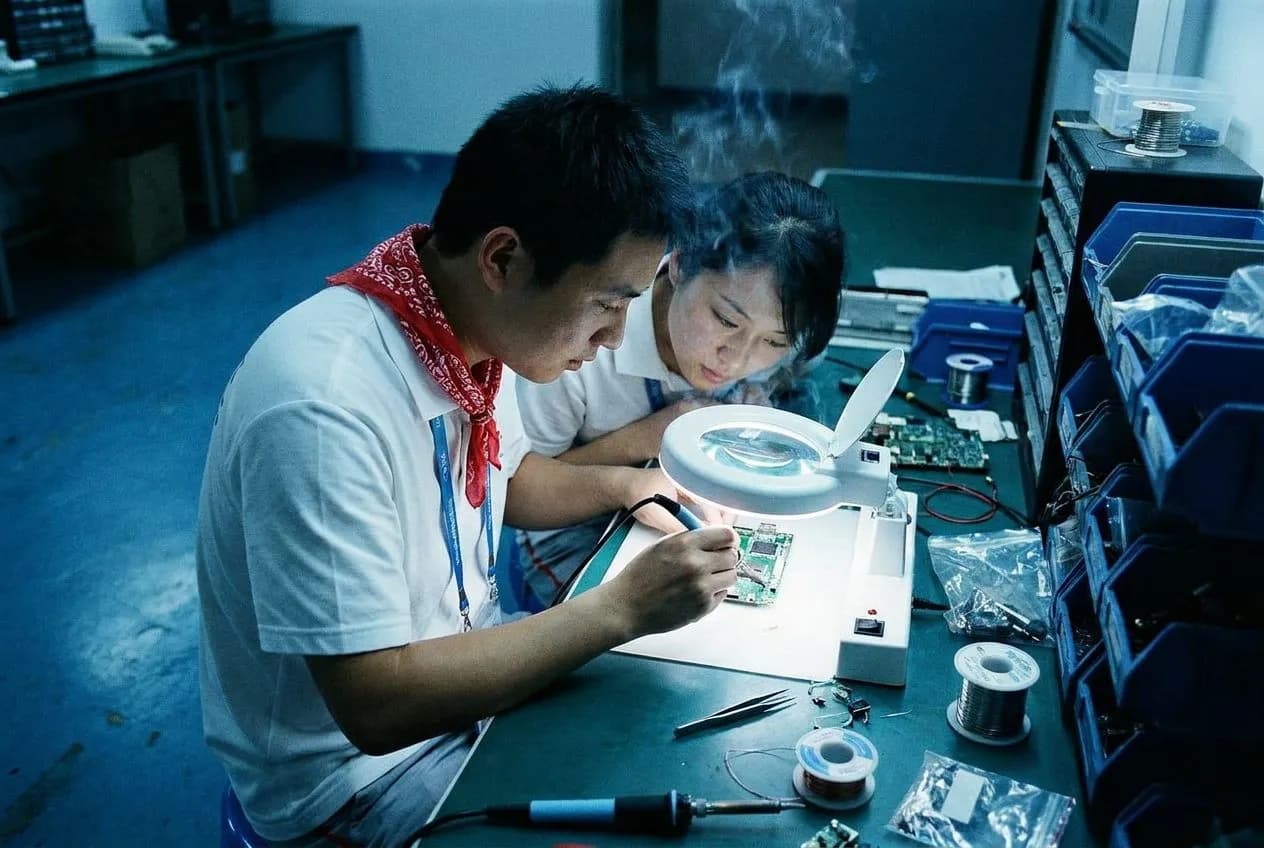
Here is the essential bargain: volunteer technicians provide diagnostic guidance and supervision, but visitors perform the repairs themselves under instruction. This is not a drop-off service. You will hold the soldering iron, you will turn the screwdriver, you will learn to read the schematic. The volunteers are there to prevent you from bridging the wrong contacts or applying too much heat to a delicate component, but the work is yours. For some, this is frustrating. For others, it is the entire point.
The pedagogy is Socratic and patient. A volunteer named Mira might ask, "What do you think happens when we apply voltage here?" before walking you through a continuity test. Another regular, a retired electrical engineer who volunteers most Tuesdays, will sketch circuit diagrams on scratch paper and explain why your phone's charging port failed. The teaching style assumes genuine curiosity, and the room rewards it. By the end of an evening, you have not only a working device but also a nascent understanding of how it works.
The tool library
Fixers Guild maintains an impressive tool library, but access requires a membership fee. That modest fee unlocks checkout privileges for specialized equipment that most home tinkerers could never justify purchasing: oscilloscopes for tracing signals through a circuit, hot air rework stations for surface-mount component removal, and ultrasonic cleaners that strip corrosion from delicate connectors. The library also stocks precision screwdriver sets, multimeters, and fume extractors. During the repair cafe, volunteers can authorize temporary tool use even for non-members, but taking equipment home requires that membership card.
The checkout system runs on trust and a simple log. You sign out the oscilloscope, you bring it back within two weeks. Late returns earn a gentle reminder email, nothing more punitive. The tools show their wear—grip tape peeling, cases scuffed—but they are meticulously maintained. Soldering iron tips are cleaned and tinned at the end of each session. Multimeter batteries are swapped before they die. The care reflects the Guild's ethos: tools are communal resources, worthy of respect.
The Building 77 context
Building 77 itself is a character in this story, a sprawling industrial conversion that now houses design studios, maker spaces, and small manufacturers. The repair cafe occupies a bright, high-ceilinged room with steel beams and polished concrete floors. Large windows face the navy yard's interior, where cranes and dry docks remind you that this peninsula has always been about making and fixing things. In summer the windows stay open, admitting the metallic tang of the East River and the distant clatter of fabrication shops. In colder months the room is drafty but warm enough, heated by old radiators that clank and hiss.
The Guild shares the floor with a woodshop and a textile studio, and the soundscape is accordingly varied. You hear the whir of a lathe, the thump of a sewing machine, the soft chatter of people solving problems together. It is a reminder that repair is just one form of making, and that all of it—woodworking, sewing, soldering—requires the same blend of patience, skill, and willingness to fail.
Who shows up
The crowd on any given Tuesday is eclectic. Art students bring vintage synthesizers and drum machines, hoping to coax life from corroded battery terminals. Software engineers arrive with hardware projects that have stalled—Arduino boards that won't flash, LED strips that flicker inexplicably. Older visitors carry beloved appliances that predate planned obsolescence: a KitchenAid mixer, a Braun coffee grinder, a Sony Walkman. There is a quiet defiance in these repairs, a refusal to discard something merely because it has aged.
Conversations bloom naturally. While you wait for a capacitor to discharge, you chat with the person at the next bench about their repair. Techniques are shared, part sources exchanged, failures commiserated over. The room fosters a collegial atmosphere, free of the competitiveness that can plague maker spaces. Everyone here is united by a simple fact: something they valued is broken, and they are trying to fix it.
What to bring, what to expect
Come with your broken device, any documentation you have, and realistic expectations. Some repairs are straightforward—a loose wire, a blown fuse—and can be completed in a single session. Others require diagnostic work, parts orders, and return visits. Volunteers are candid about what is feasible. If your repair requires a $200 replacement part for a $150 device, they will tell you. If a laptop's motherboard is unrepairable, they will explain why, and perhaps suggest data recovery strategies instead.
The repair cafe is not a miracle. But it is something rarer: a space where knowledge is freely shared, where obsolescence is challenged, and where the act of fixing becomes a form of resistance against a culture of disposability.
Practical notes
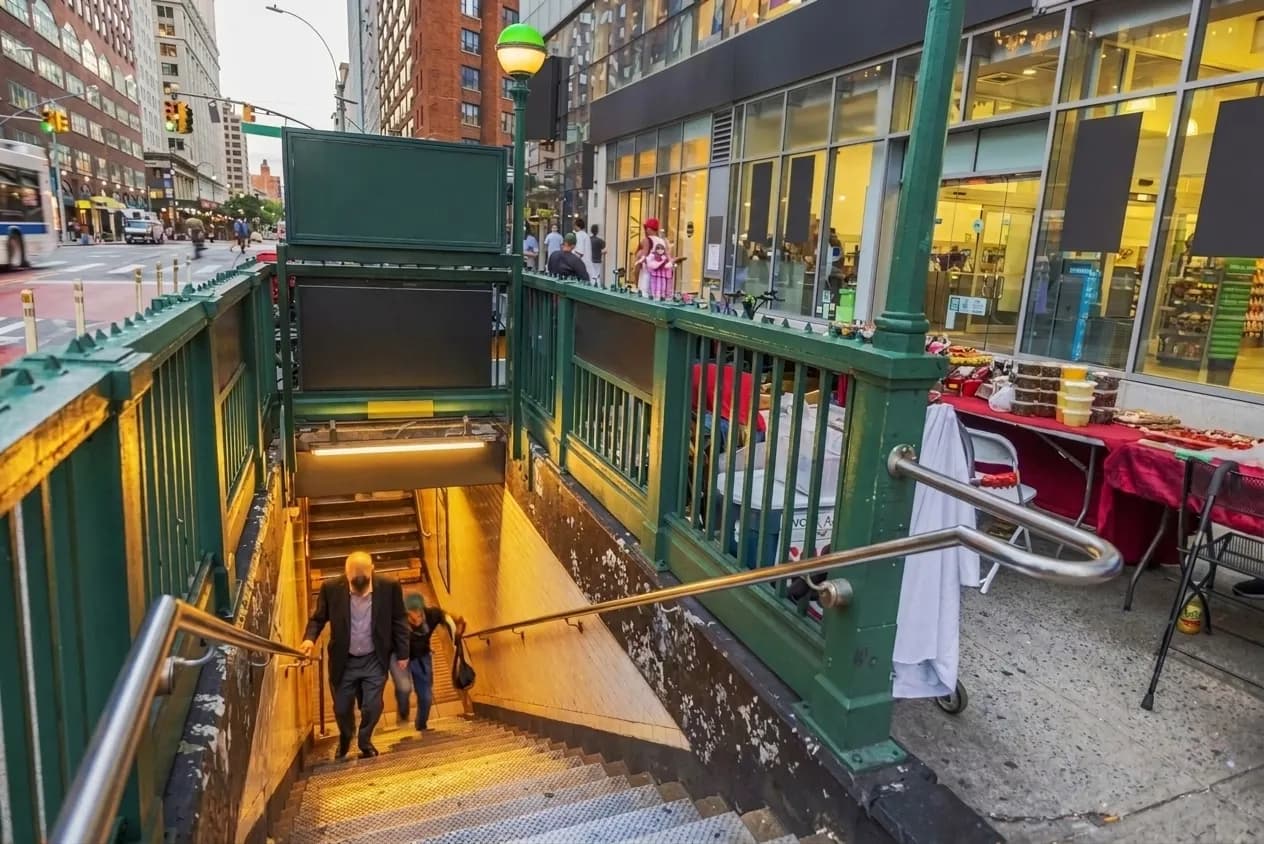
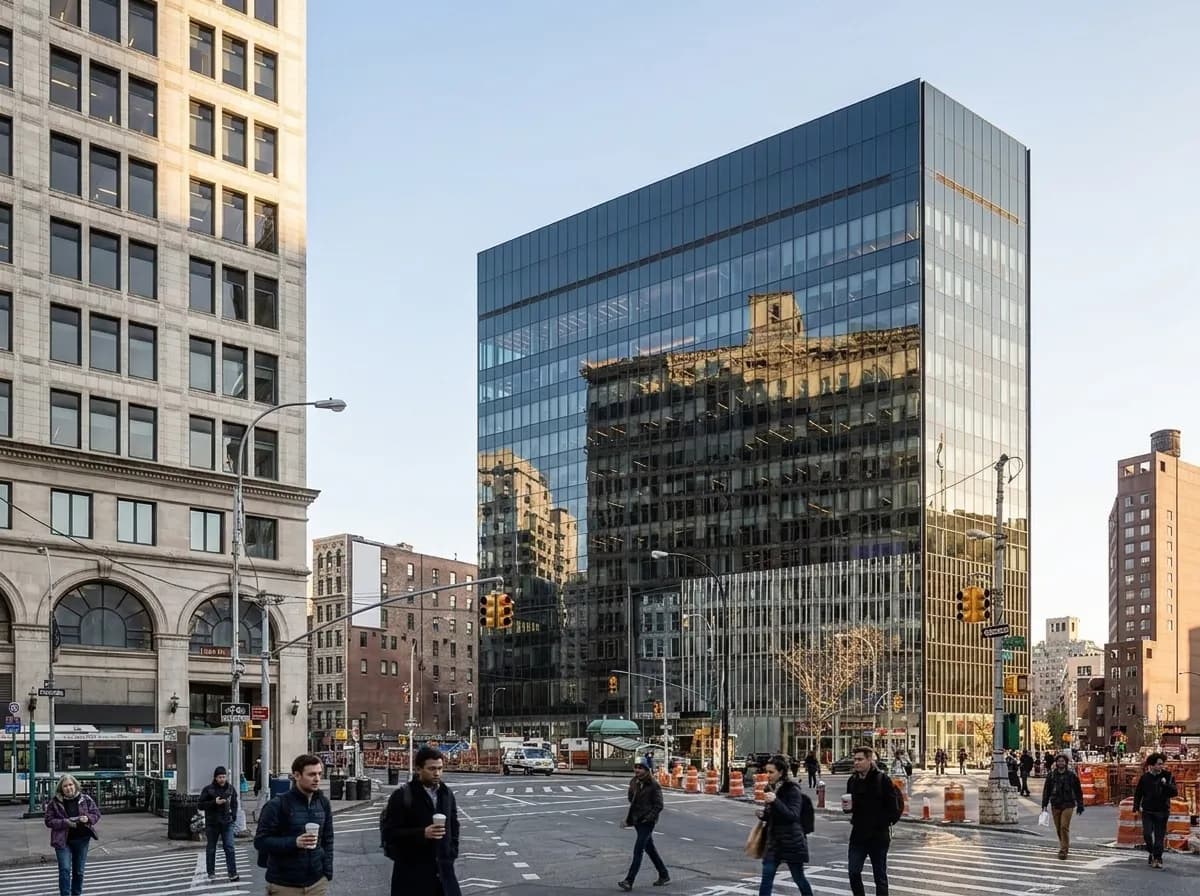
Fixers Guild's repair cafe meets in Building 77 at the Brooklyn Navy Yard, Brooklyn. Nearby subway and bus options are available. Limited metered parking is available on Flushing Avenue. The Tuesday repair cafe runs 6–9pm year-round; verify any schedule changes on the Guild's website. The space is wheelchair accessible via elevator. Bring your broken item, power cables, and any relevant manuals or documentation. The $20 annual membership for tool library checkout can be purchased on-site.
Tags: #FixersGuild #RepairCafe #BrooklynNavyYard #TheOddEdit #NYC #FreeThingsToDo #RightToRepair #MakerCulture #ElectronicsRepair #SolderingStation #Building77 #SustainableLiving #CommunityWorkshop #Summer2026 #BrooklynMakers
Sources consulted: Brooklyn Navy Yard · Brooklyn Navy Yard Official Site · NYC Small Business Services · Time Out New York Free Activities
All trademarks are the property of their respective owners.