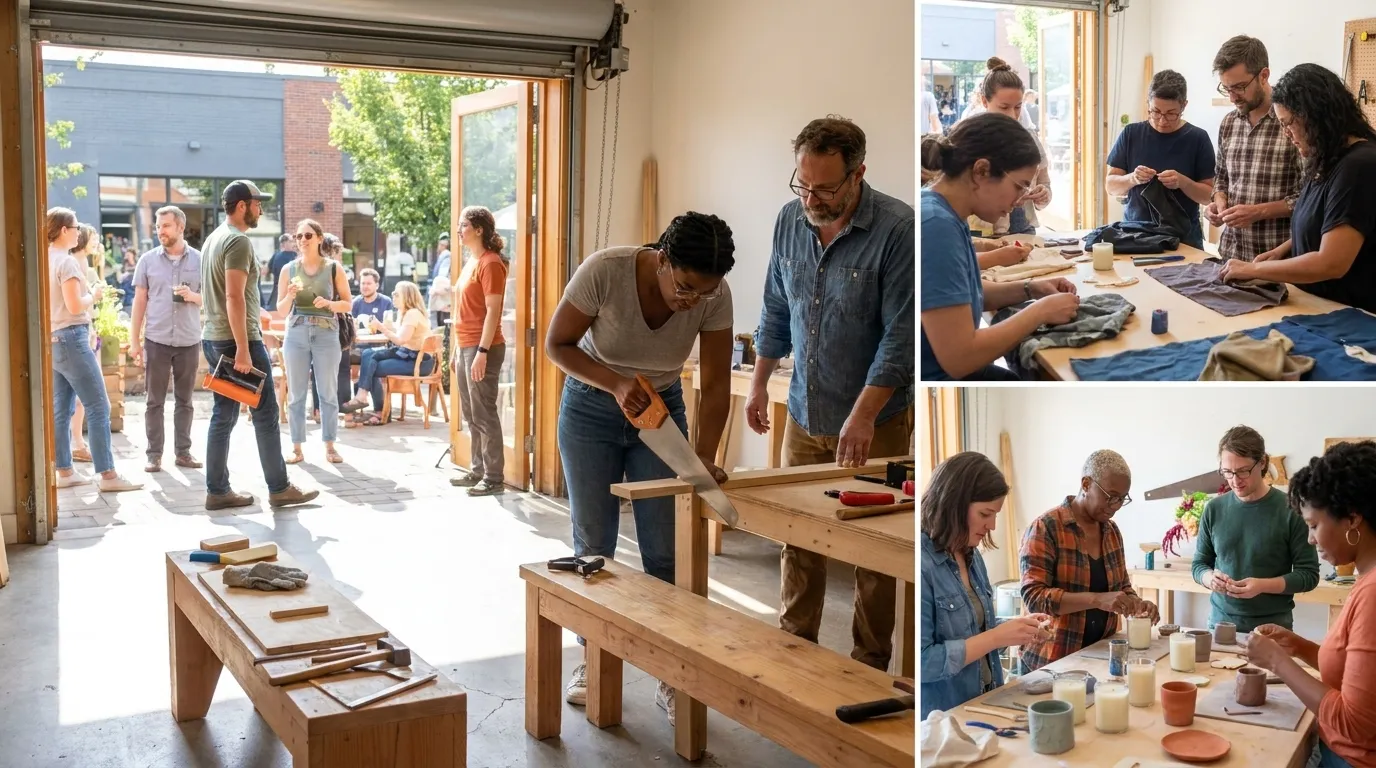
San Francisco's maker culture offers a practical antidote to the fixer upper fantasy: instead of committing to a full renovation project, you can learn real repair and making skills in a few hours at community workshops designed for complete beginners. Whether you want to mend a broken appliance, build a wooden shelf, solder your first circuit, or simply understand how everyday objects work, the city's network of repair cafés, makerspaces, and skill-sharing workshops provides hands-on learning with experienced volunteers who guide you through each step. These sessions prioritize accessibility and sustainability—most operate on sliding-scale donations, provide all necessary tools, and welcome anyone regardless of prior experience. The emphasis is on demystifying repair, reducing waste, and building confidence through doing rather than watching.
Before committing to any workshop, verify current schedules and registration requirements directly with each organization, as volunteer-run programs frequently adjust their calendars and capacity. Tell Karpo what you want to repair or make, your experience level, San Francisco neighborhood, available date, budget, and accessibility needs. We'll find a beginner-fit workshop and confirm what tools or materials to bring, ensuring you arrive prepared and the session matches your goals.
Fixit Clinic: Free Repair Help Across Neighborhoods
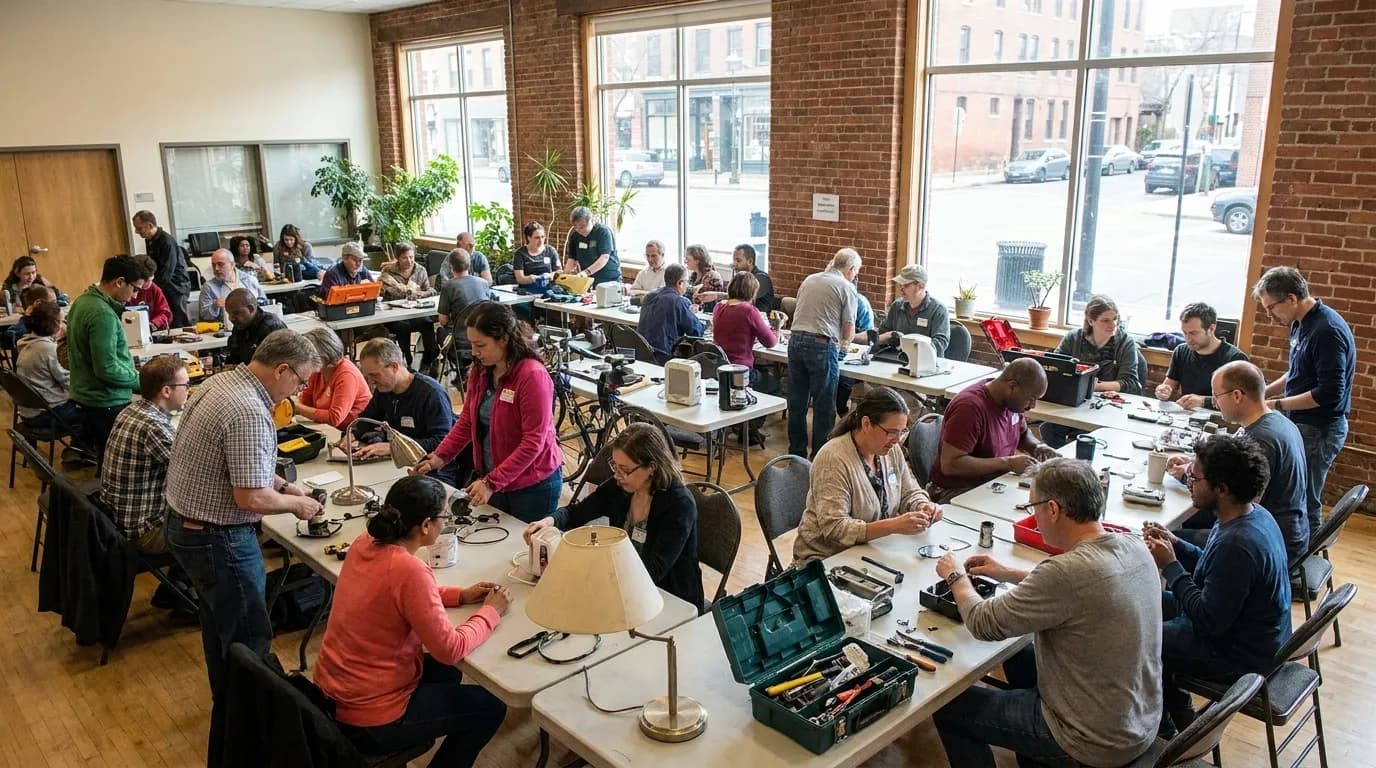
Fixit Clinic hosts free monthly repair events at libraries, community centers, and public spaces throughout San Francisco, where volunteer coaches help you troubleshoot and fix household items—from lamps and toasters to bicycles and clothing. The format is drop-in: you bring your broken item, describe the problem, and work alongside a coach who provides tools, guidance, and encouragement. Sessions typically run two to three hours, and no registration is required, though arrival early in the window increases your chance of coach availability. Check their blog for the current month's locations and dates, as venues rotate among neighborhoods including the Mission, Sunset, Richmond, and Bayview. Accessibility varies by host site; library locations generally offer elevator access and restrooms, while community centers may have limited parking. Bring your item, any relevant power cords or parts, and a willingness to learn—coaches teach the process rather than doing the repair for you.
Noisebridge: Open-Access Hackerspace for Electronics and More
Noisebridge operates as a donation-supported hackerspace in the Mission District, open to the public during posted hours for self-directed learning and project work. The space includes electronics workbenches, 3D printers, a woodshop, sewing machines, and a library of technical manuals, with members and regular visitors often available to answer questions or demonstrate techniques. Tuesday evenings typically feature informal "ask a hacker" sessions where beginners can get help with specific projects, though the schedule depends on volunteer availability—confirm current programming on their wiki before visiting. The environment is unstructured and best suited for self-motivated learners comfortable navigating a DIY space; if you prefer guided instruction, look for their occasional workshops on soldering, microcontrollers, or laser cutting, which are announced on their mailing list. The building has stairs to the main floor; contact them in advance if you need accessibility accommodations. Suggested donation is pay-what-you-can, with no one turned away for lack of funds.
Workshop SF: Structured Classes in Woodworking and Metalwork
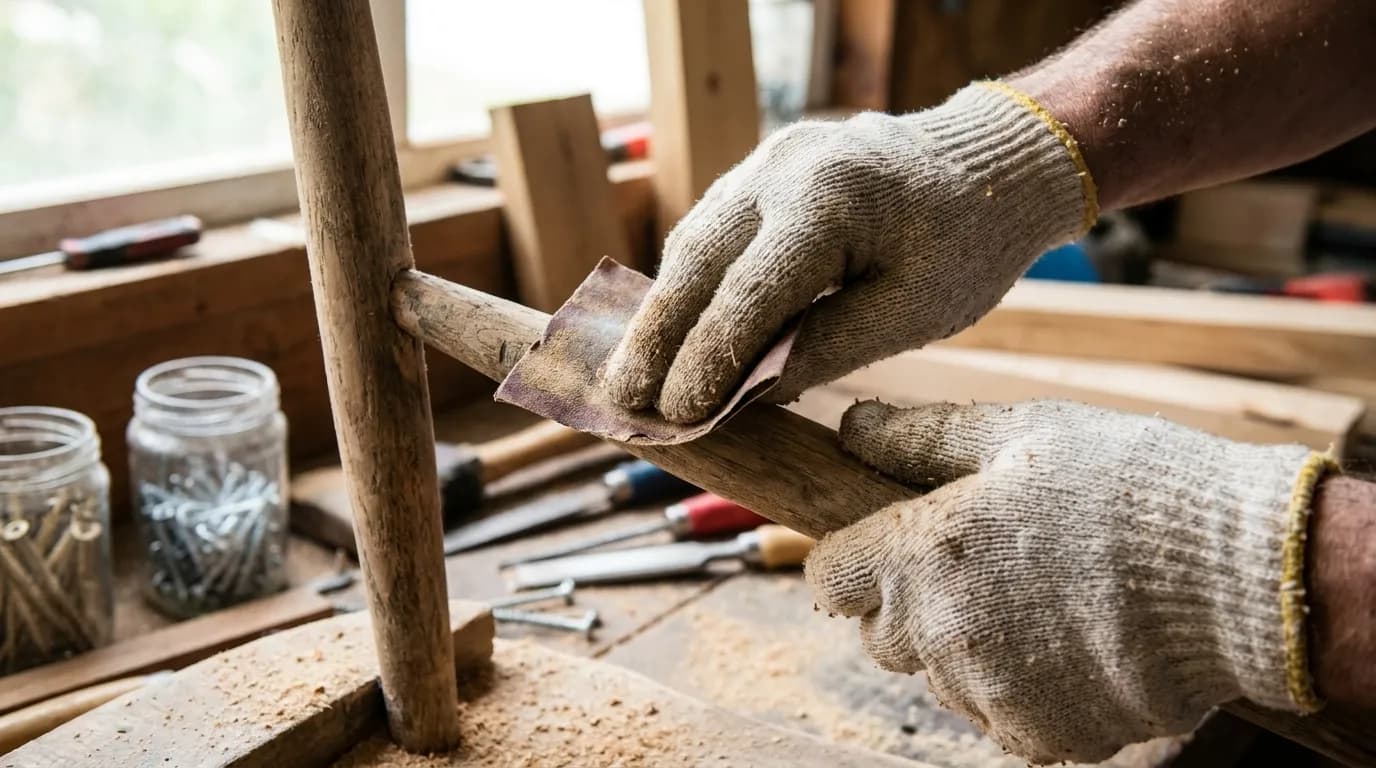
Workshop SF offers paid classes in woodworking, welding, and metalworking at their facility, with beginner courses designed to teach foundational skills through guided projects like cutting boards, side tables, or steel planters. Class sizes are small—typically six to ten students—and instructors provide step-by-step demonstrations before students work on their own projects with supervision. Sessions range from single three-hour introductions to multi-week courses; check their website for the current schedule and pricing, which varies by class length and materials included. All tools and safety equipment are provided, and the space is set up for accessibility with wide aisles and adjustable-height workbenches, though some machines require standing and manual dexterity. Classes fill quickly, especially weekend sessions, so register at least two weeks in advance. Budget approximately two to four hours of work time per session, and plan to take public transit or rideshare, as parking in the area is limited and metered.
What to Bring and How to Prepare
- For repair cafés: your broken item, power cords, any detached parts, and a photo of the item when it was working if available
- For makerspaces: a specific project idea or question, a notebook for taking notes, and closed-toe shoes (required in most shops)
- For structured classes: confirmation email, any personal safety gear you prefer (though provided), and a way to transport your finished project home
- Dress in clothes you don't mind getting dirty or marked; avoid loose sleeves or jewelry around machinery
- Bring water and snacks for longer sessions, as not all venues have food available nearby
- If you have accessibility needs, contact the organization at least 48 hours before your visit to confirm accommodations
Timing Your Visit and Managing Expectations
Most repair cafés and drop-in makerspace hours occur on weekday evenings or weekend afternoons, aligning with volunteer availability. Arrive at the start of the session window for the best chance of one-on-one coach time, especially at free events where demand can exceed capacity. For structured classes, plan your schedule around the full session length plus 15 minutes before and after for check-in and cleanup. Beginners should expect to complete simple repairs or small projects in one session, while more complex work may require follow-up visits or additional practice. If your first attempt doesn't succeed, most programs welcome return visits and offer encouragement to try again—the goal is skill-building, not perfection. Keep backup plans for critical repairs; if you need an appliance working by a specific date, consider professional repair as your primary option and workshops as a learning opportunity.
Budget Considerations and Cost Transparency
Fixit Clinic events are free with optional donations, making them the most accessible entry point for budget-conscious learners. Noisebridge operates on a suggested donation model with no fixed fees, though contributing when you're able helps sustain the space. Workshop SF and similar studios charge per class, with costs reflecting instructor time, materials, and facility overhead; expect to invest more for structured learning and take-home projects. When comparing options, factor in transportation costs, the value of materials provided versus what you'd need to purchase separately, and whether you'll have ongoing access to tools after the initial session. For ongoing making, membership-based makerspaces offer better value than per-class fees if you plan to work on multiple projects, though they require a longer commitment. Always confirm current pricing and what's included before registering, as material costs and fee structures can change.
Tags: San Francisco creative workshops, repair cafés San Francisco, beginner maker workshops SF, Fixit Clinic San Francisco, Noisebridge hackerspace, woodworking classes San Francisco, learn repair skills SF, community workshops Bay Area, fixer upper skills, hands-on learning San Francisco
Tell Karpo what you want to repair or make, your experience level, San Francisco neighborhood, available date, budget, and accessibility needs. We'll find a beginner-fit workshop and confirm what tools or materials to bring.
Sources consulted: fixitclinic.blogspot.com · noisebridge.net · workshopsf.org
All trademarks are the property of their respective owners.
Ask Karpo first
Tell Karpo what you want to repair or make, your experience level, San Francisco neighborhood, available date, budget, and accessibility needs. We’ll find a beginner-fit workshop and confirm what tools or materials to bring.