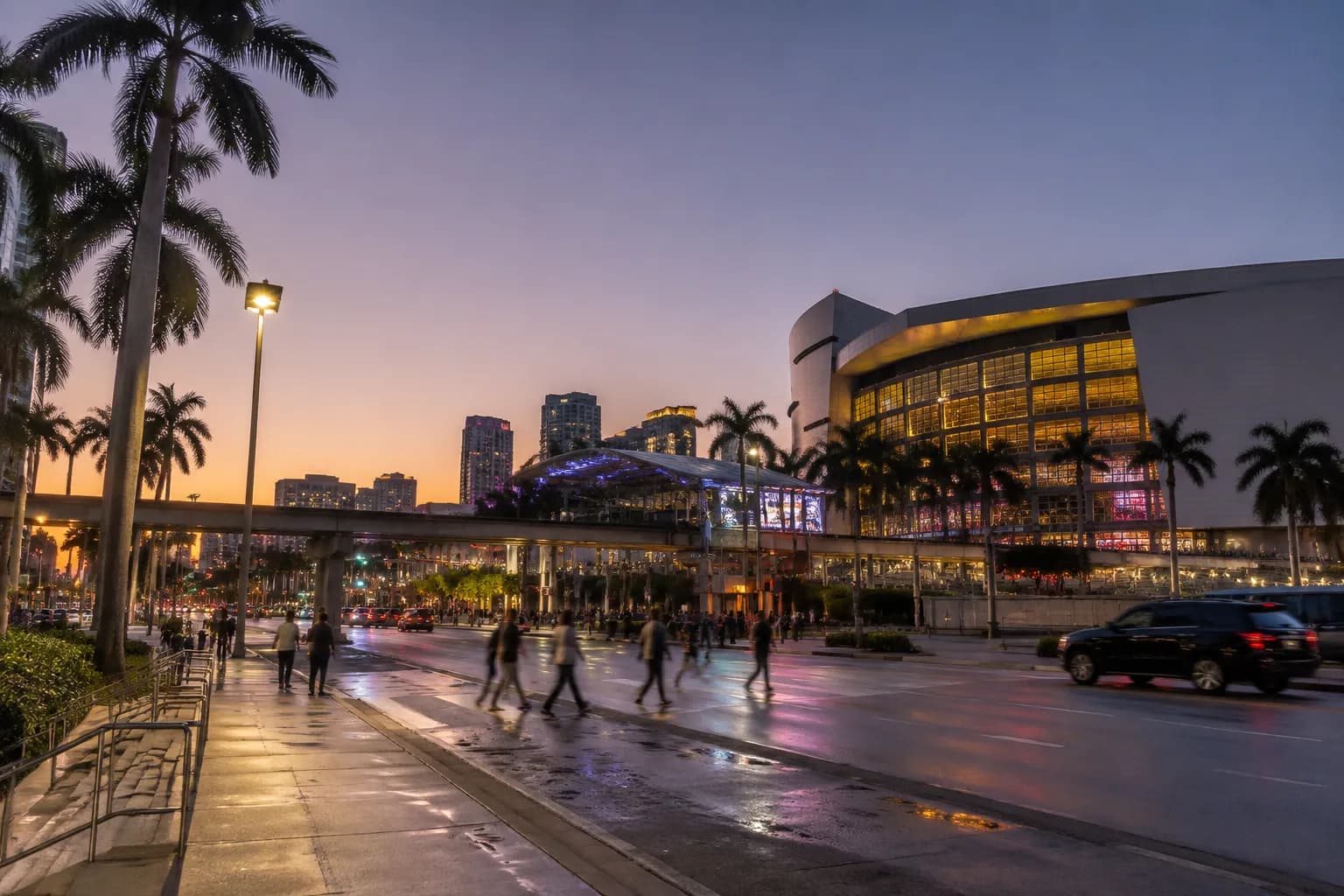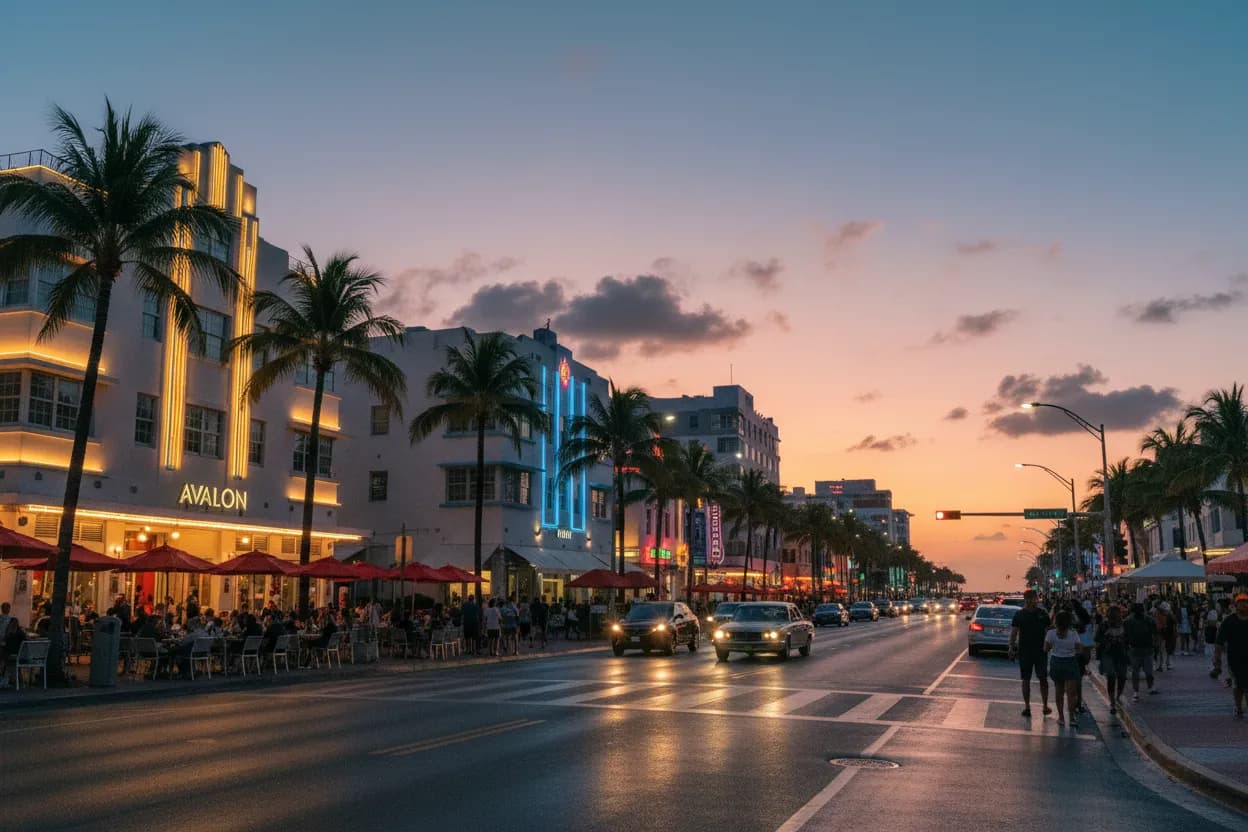
Typing fever game today usually means you want a fast, usable plan, not a hype reel. In Miami, that means starting with the public facts that can actually shape the night: what is listed today, how you will get there, and what you will do if the first choice is too crowded or too slow. The official Greater Miami & Miami Beach site is already highlighting sports, August events, and a city-wide mix of beaches, dining, arts, and nightlife. Miami-Dade Transit is also reminding riders to check service updates, rider alerts, trip planning tools, and accessibility information before they move. Treat this as a city plan first and a game plan second, so you can spend less time guessing and more time moving.
Want a cleaner game-night plan for Miami? Text Karpo and get a quick, public-facing route check before you leave home.

Turn the sports interest into a social plan
The smartest way to use fever game today in Miami is to translate it into a social decision, not just a ticket question. Start by deciding whether the night is about watching a match, meeting friends in a public place, or pairing sports with dinner, beach time, or a neighborhood walk. Greater Miami & Miami Beach positions the city around sports, arts, outdoor activities, and year-round events, so the question is not whether there is something to do. The better question is which public setting matches your group’s pace and budget for the evening.
If your group wants energy, downtown and Miami Beach will usually feel different from a quieter neighborhood plan, and the official destination site encourages visitors to explore cities, neighborhoods, and things to do rather than chasing a single lane of activity. That matters because a good night in Miami often comes from sequencing, not overcommitting. Choose one main stop, one optional stop, and one clear exit plan. That keeps the night social without making it fragile.
Choose participation or spectating first
Before you choose a venue, decide whether you are actually going to participate in the sport, spectate, or simply use the game as an excuse to be out in the city. Miami-Dade County’s transit pages and Miami’s visitor pages both point to a city that supports movement: buses, rail, Metromover, accessible travel resources, and sports facilities all matter in the same evening. A plan built around participation may need earlier arrival, more gear, and a calmer route. A spectating plan may care more about timing, crowd flow, and post-game transit.
That distinction matters because the public information you can verify changes depending on the plan. If you are watching a listed event such as Inter Miami vs. Club León on Aug. 12, 2026, or simply trying to catch the city’s sports atmosphere, do not assume every location, entrance, or timing will work the same way. Check the official page for the event itself and the official transit page for how you will move. A good Miami night starts with what is confirmed, not with what is implied.
Match the venue to the group energy
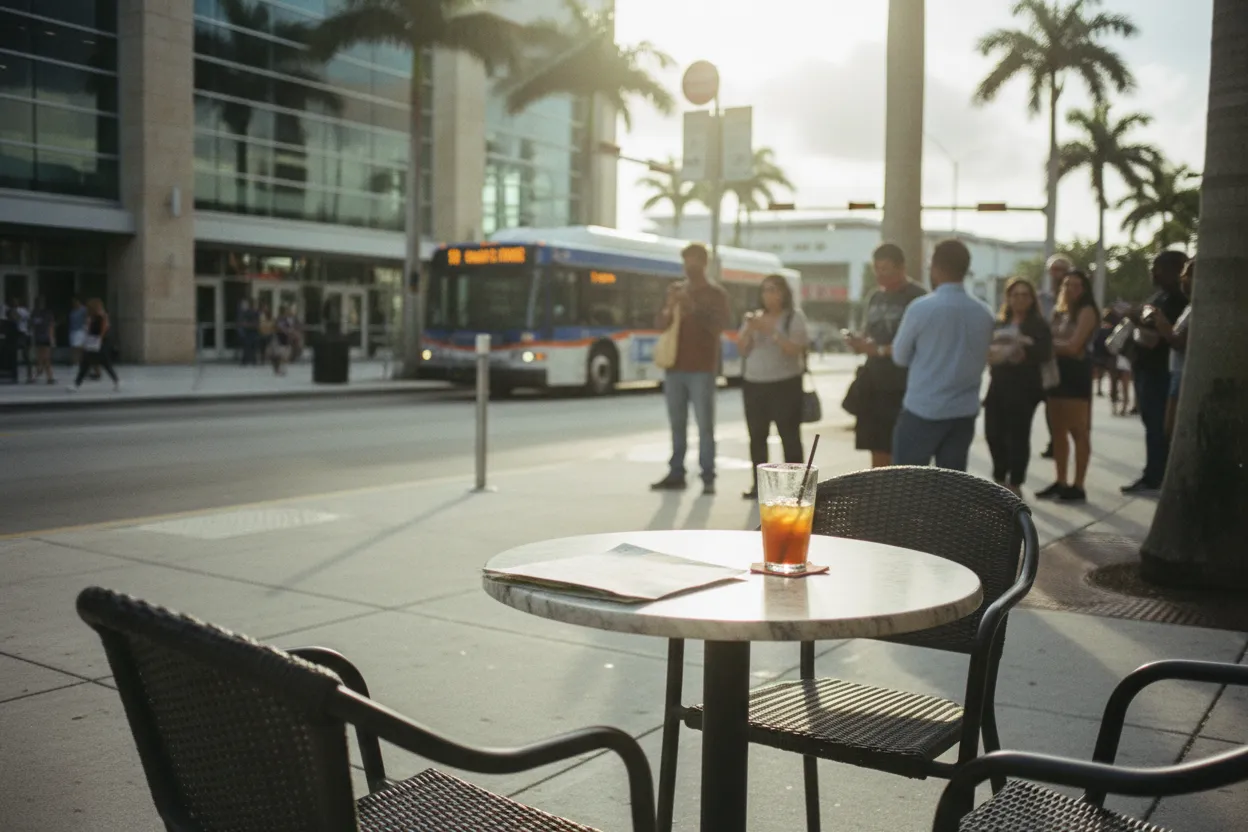
Miami works best when the venue matches the mood. The official destination site highlights a city with beaches, live music, cultural districts, and sports year-round, which means a group can easily overshoot and pick a place that is too loud, too far, or too expensive for the actual objective. If the group wants a relaxed watch-and-talk evening, keep the plan centered on easy access and a predictable exit. If the group wants a bigger crowd, choose that knowingly and accept the tradeoff in noise and wait time.
Use the city’s own neighborhood variety as a filter. The official site points readers toward downtown Miami, South Beach, Wynwood, Little Havana, Coconut Grove, and other distinct areas. That is a useful reminder that the same night can feel very different block to block. For a social sports plan, the best venue is usually the one that keeps the whole group comfortable enough to stay engaged. If someone is new, choose a place where they can arrive, orient themselves, and leave without needing insider help.
Plan equipment seating and transit early
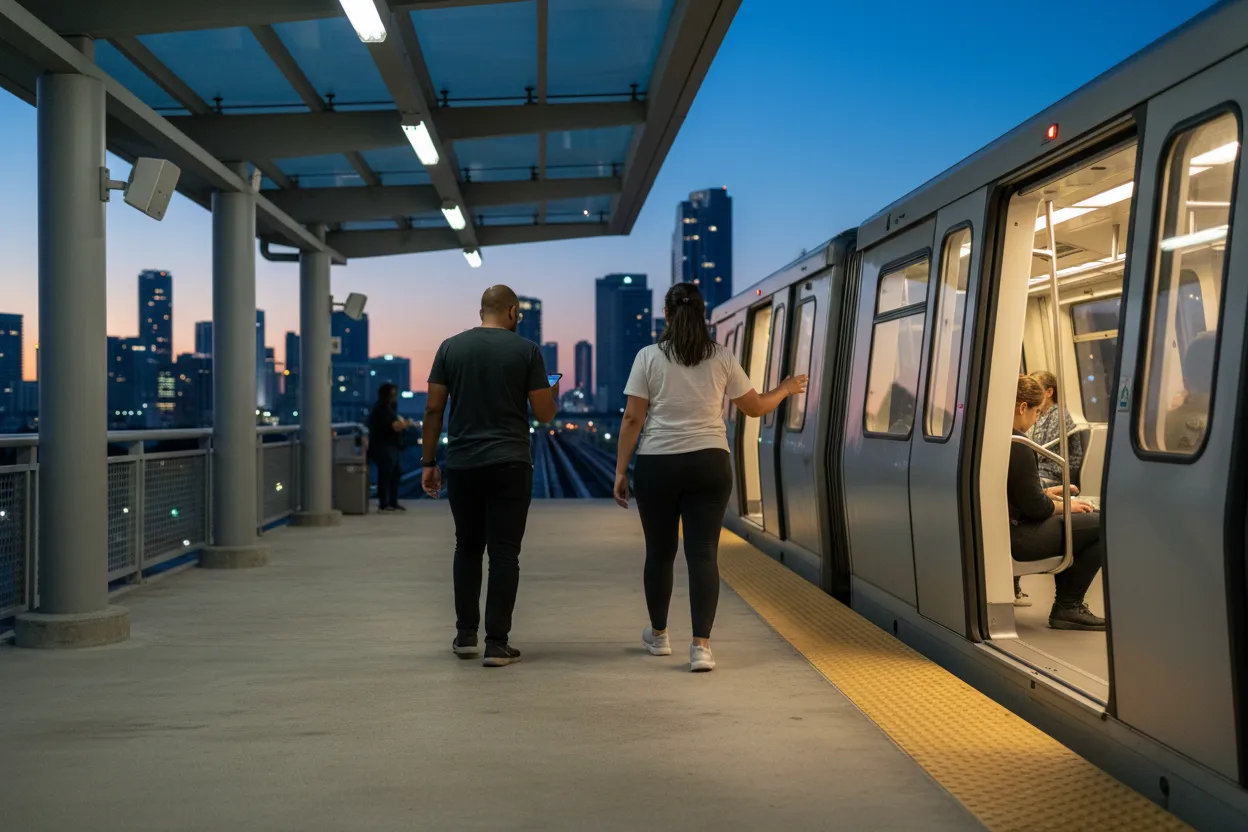
This is where a casual idea becomes an executable plan. Miami-Dade Transit says riders should read service updates, rider alerts, plan routes, and track buses and trains in real time. It also offers the GO Miami-Dade Transit mobile app, Transit Tracker, Trip Planner, and alerts for service issues. If your night depends on avoiding parking stress, build around those tools before you leave. And if you are relying on Metromover, note the county’s alert that on Saturday, Aug. 15, service will begin operating at 2 p.m. while upgrades continue, which is exactly why same-day verification matters.
For travelers with accessibility needs, the county explicitly offers Accessible (ADA) Transit Services and says accommodations are made for people with disabilities to access and ride transit. The Miami visitor site also points to Accessible Travel in Miami. That means the right check is not just whether the event exists, but whether your transit, station, elevator, or escalator path is working for your group. If your route depends on a station transfer or a specific stop, verify that too. The safest plan is the one that still works when the crowd is larger than expected.
Keep beginners from feeling stranded
A Miami sports night can feel obvious to regulars and confusing to everyone else. If your group includes first-timers, do not assume they know how to read a transit map, where to wait, or how to split up and reconnect. The county’s transit pages point to real-time tools, accessible services, and service alerts because those details matter when the night gets busy. Build the plan around clear meeting points, not vague intentions. Pick one arrival landmark and one departure landmark that everyone can name without hesitation.
This also helps with crowd risk. Sports traffic can make a place feel exciting at first and difficult later, especially if the group is late or the first venue fills up. The best backup choice is public, nearby, and low-friction: another neighborhood stop, a different dining option, or simply a shorter stay before heading home. Miami’s official visitor site makes clear that the city has a broad mix of entertainment, dining, and outdoor options, so no single place has to carry the whole night. Beginners relax when the plan has room to flex.
Verify schedules before leaving
This is the part that saves the night. On a date like Aug. 12, 2026, the official city and county pages can change enough to affect your timing, so verify everything that can move: event time, venue page, transit status, elevator or escalator availability, and any rider alerts. Miami-Dade Transit says to read service updates and use its planner and tracker tools, while the official visitor site highlights events, sports, and summer activities without promising that every listing will stay the same once you are on your way.
If your search started with fever game today, end with a simple rule: no departure without a fresh official check. That means the event page, the transit page, and your group’s fallback plan should all still make sense together. In Miami, a good social sports night is less about chasing the loudest option and more about arriving on time, leaving easily, and keeping the group together. Verification is what turns a trending search into a night that actually works.
Tags: #AskKarpo #BeforeYouGo #Miami #MiamiEvents #MiamiSports #TransitCheck #GameNight #AccessibleTravel #DowntownMiami #SouthBeach #Wynwood #LittleHavana #SportsSocial #VisitMiami
Sources consulted: miamiandbeaches.com · miamidade.gov · miamidade.gov
All trademarks are the property of their respective owners.
Ask Karpo first
Ask Karpo first if you want the night mapped from your neighborhood, transit comfort level, and crowd tolerance instead of guessing between the first game, the first bar, or the first long ride home.