The locked phrase federal voter id legislation debate may be what pulled attention today, but the useful Miami move is not to chase a rumor, assume a rally, or build a day around an unverified appearance. Treat the news cycle as a reminder to use public information carefully. Miami has official visitor resources, public transit tools, live webcams, listed cultural happenings, beaches, neighborhoods, and parks-related destination pages, but details can shift fast in August. A good free plan starts with what is publicly listed, what is reachable without private access, and what you can recheck before leaving. For Monday, August 10, 2026, the smartest version is a short, flexible outing with one confirmed free anchor, transit status checks, crowd awareness, and a backup that does not depend on a promise.
Want a Miami free-outing check before you leave? Text Karpo with your starting area, time window, mobility needs, and backup preference, and ask for a verification-first route.

Turn current interest into a genuinely free outing
Use the federal voter id legislation debate as a timely search hook, not as evidence that something official is happening in Miami. None of the official extracts here confirms a local appearance, endorsement, special access, or guaranteed civic event tied to that phrase. The safer plan is to convert interest into a public city day: pick a free listing, check transportation, and keep your schedule loose enough to adjust.
The clearest official free anchor in the available sources is “Summer Lovin,” described by the Greater Miami & Miami Beach official visitor site as a free seasonal art installation at CityPlace Doral, running through August 16, 2026. The listing mentions overhead hearts, photo backdrops, and a love-lock bridge experience. Before going, open the official listing again to verify that the date, access details, and any on-site rules have not changed.
Start with public access rather than a promoted event
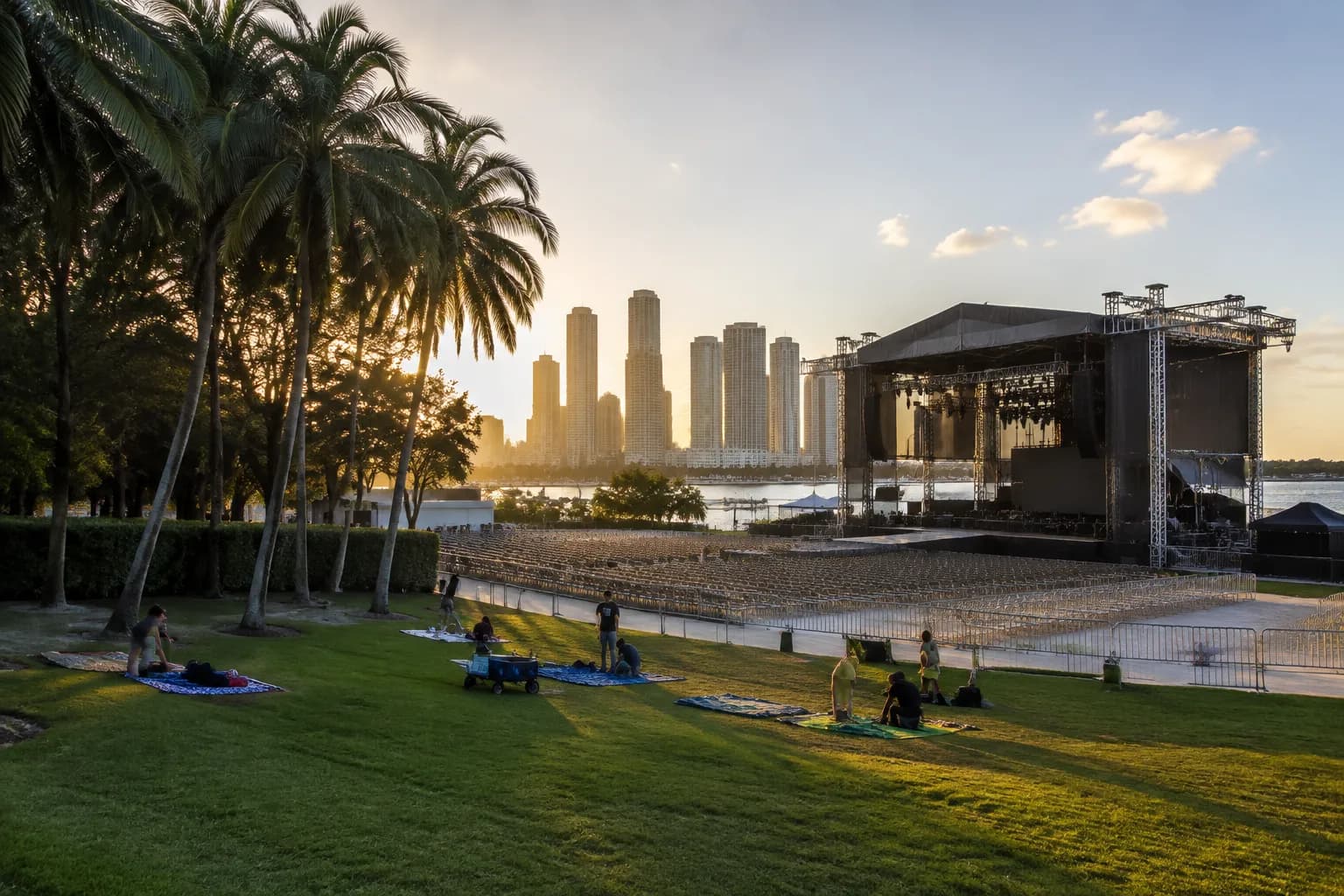
Miami rewards visitors who separate public access from promotion. The official destination site highlights beaches, arts and culture, outdoor activities, neighborhoods, and live webcams, including views connected to Bayfront Park, Biscayne Bay and PortMiami, Calle Ocho in Little Havana, Lincoln Road, Ocean Drive, South Beach, Virginia Key Beach Park, and Wynwood Walls. Those are useful orientation tools, not promises that every nearby activity is free or open at the moment you arrive.
For a no-hype day, begin by checking official pages instead of social posts. The Greater Miami & Miami Beach site presents current visitor themes such as summer in Miami, August events, Miami Spice, and Miami Spa Months, but many listings may involve costs, reservations, or venue rules. If a page does not explicitly say free, do not treat it as free. If it does not state public access, do not assume you can enter.
Build a short route around one strong anchor
Make CityPlace Doral’s Summer Lovin installation the anchor only after you verify the official listing. Then build the rest of the day around nearby public movement, not a long chain of fragile stops. A single verified free destination is better than four uncertain ones, especially when the goal is a smooth outing rather than a scavenger hunt.
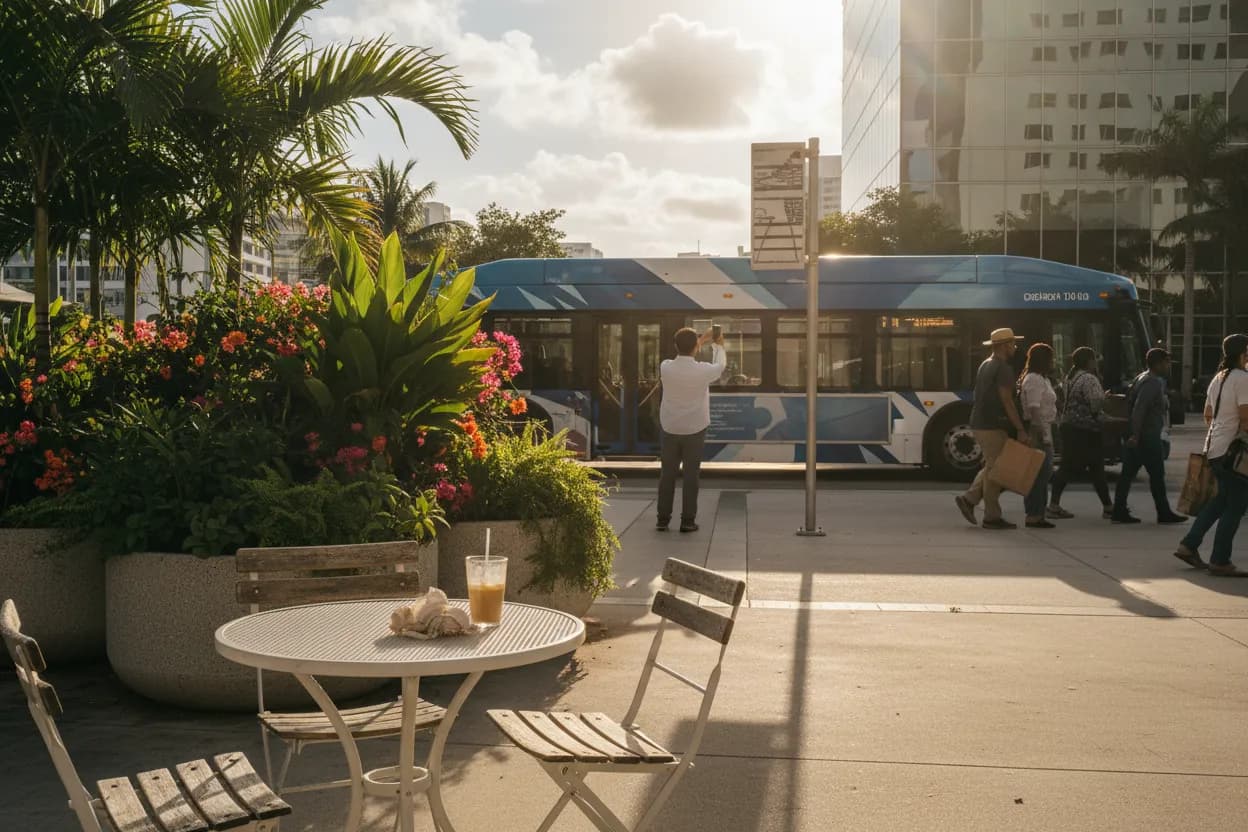
For transportation, use Miami-Dade County’s Department of Transportation and Public Works tools before choosing a route. The official transit page points riders to rider alerts, service updates, a transit tracker, and a trip planner. It also lists the county’s mass transit system as including Metrobus, BRT Metro Express, Metrorail, Metromover, MetroConnect microtransit service, and Special Transportation Service. Let those tools decide the practical route from your exact start point.
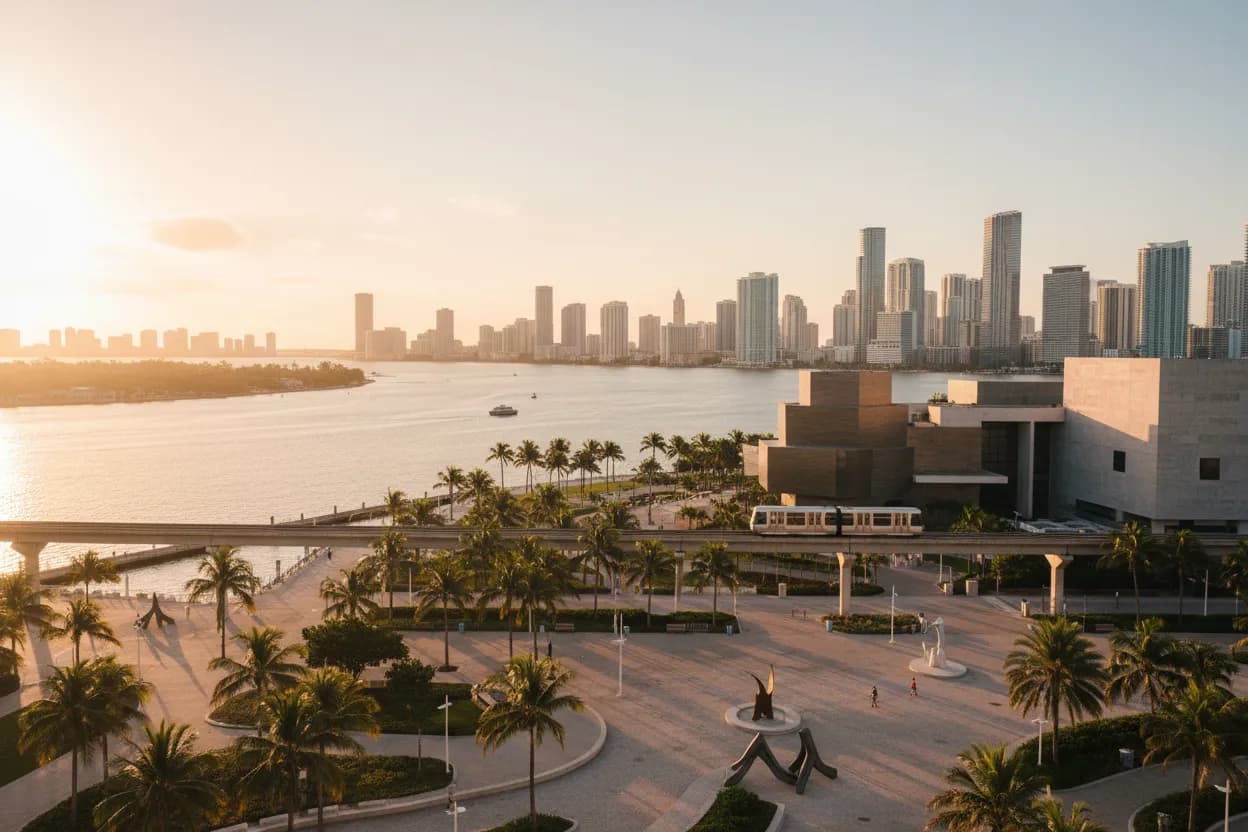
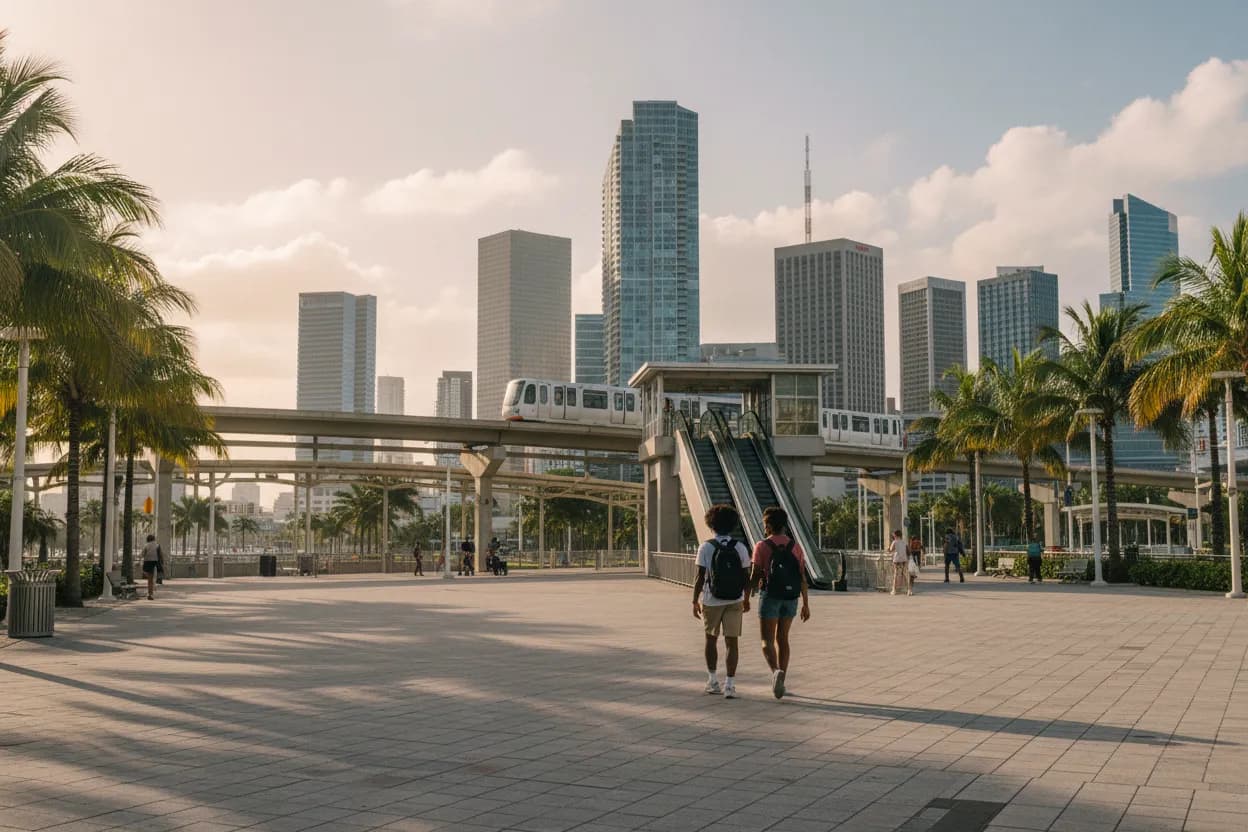
If you are already in Downtown Miami, do not assume Metromover will solve every connection. The official transportation page notes that Metromover is undergoing an upgrade project to improve equipment reliability and availability, and it also provides rider alerts. Plan with the trip planner, then recheck before leaving.
Use weather and crowd pressure as decision points
Because the official visitor site frames this period as summer in Miami and highlights outdoor activities, treat conditions as a decision point, not an afterthought. Before leaving, check the current conditions through your preferred weather source, then decide whether the outdoor portions of your plan still make sense. If heat, storms, or comfort concerns change the day, shorten the outing instead of forcing it.
Crowd pressure is similar: verify before committing. The destination site’s live webcams can help you preview public-facing areas such as Bayfront Park, Calle Ocho, Lincoln Road, Ocean Drive, South Beach, Biscayne Bay and PortMiami, and Wynwood Walls. A webcam is not a formal crowd count, but it can help you decide whether a public area looks manageable at that moment.
Keep the route compact. If your anchor looks busy or transit updates look messy, choose one nearby public stop rather than adding distance. Miami traffic, transfers, and weather can turn a “free” outing into an expensive or exhausting one if the plan depends on perfect timing.
Know when free still requires registration
Free does not always mean walk-up. The official extracts do not state whether Summer Lovin requires registration, tickets, timed entry, parking validation, or any other access step. That absence matters. Before you go, check the official event or venue page for current entry instructions and do not rely on an old screenshot, repost, or third-party summary.
Apply the same skepticism to arts and culture listings. The official site lists events such as Riddims of Graffiti at Barry University’s Institute of Immigration Studies Gallery, the International Ballet Festival of Miami at multiple venues, and Get in the Game: Sports, Art, Culture at Pérez Art Museum Miami. The extracts do not establish that those are free for your visit. Verify price, hours, reservation requirements, and location directly on the official page before building them into a free plan.
Recheck access on the day
On the day of travel, do three checks in order: event access, transit status, and backup. First, confirm that the free anchor is still listed and accessible. Second, use Miami-Dade Transit rider alerts, service updates, the transit tracker, and the trip planner. Third, pick an official public-facing backup, such as viewing live webcams before deciding whether to head toward Downtown Miami, Little Havana, Miami Beach, or another listed area.
One dated transit note deserves special attention this week: the official Miami-Dade transportation page states that on Saturday, August 15, Metromover service will begin operating at 2 p.m. while upgrade work continues. That does not affect every Miami trip, but it shows why same-day verification matters. If your plan depends on Metromover, check the official page again before you leave.
Your backup should be simple: if CityPlace Doral access is unclear, if transit alerts complicate the route, or if crowds look heavier than you want, switch to a shorter public orientation plan using official visitor information and webcams. The win is not doing everything. The win is spending nothing on entry, avoiding assumptions, and leaving yourself a clean exit.
Tags: #AskKarpo #BeforeYouGo #Miami #free_things_to_do #FreeThingsToDo #CityPlaceDoral #DowntownMiami #MiamiTransit #Metromover #Metrorail #Metrobus #MiamiBeach #CalleOcho #PublicAccess
Sources consulted: miamiandbeaches.com · miamidade.gov · miamidade.gov
All trademarks are the property of their respective owners.
Ask Karpo first
Ask Karpo first if your Miami plan depends on a free listing, a transit transfer, or a public place that may be crowded. Send your time window, starting neighborhood, and must-avoid issues, and ask for a same-day verification checklist before you commit.