Search mediterranean food near me in Little Havana and the results are thin, which is accurate — Calle Ocho is Cuban and Central American, and it is not where this cooking lives. What the search misses is that it lives a few blocks south and west, along Coral Way and the avenues running down to Coconut Grove, in family-run markets and cafeteria counters that have been there since the 1970s. They are a five to ten minute drive from the middle of Little Havana, they are almost entirely unmarketed, and they are the best Middle Eastern and Mediterranean food in this part of Miami by a wide margin.
Karpo can point you at the family kitchens a few blocks off Calle Ocho, tell you which have a hot counter running today, and what each one bakes in house.
Why the cluster sits where it does
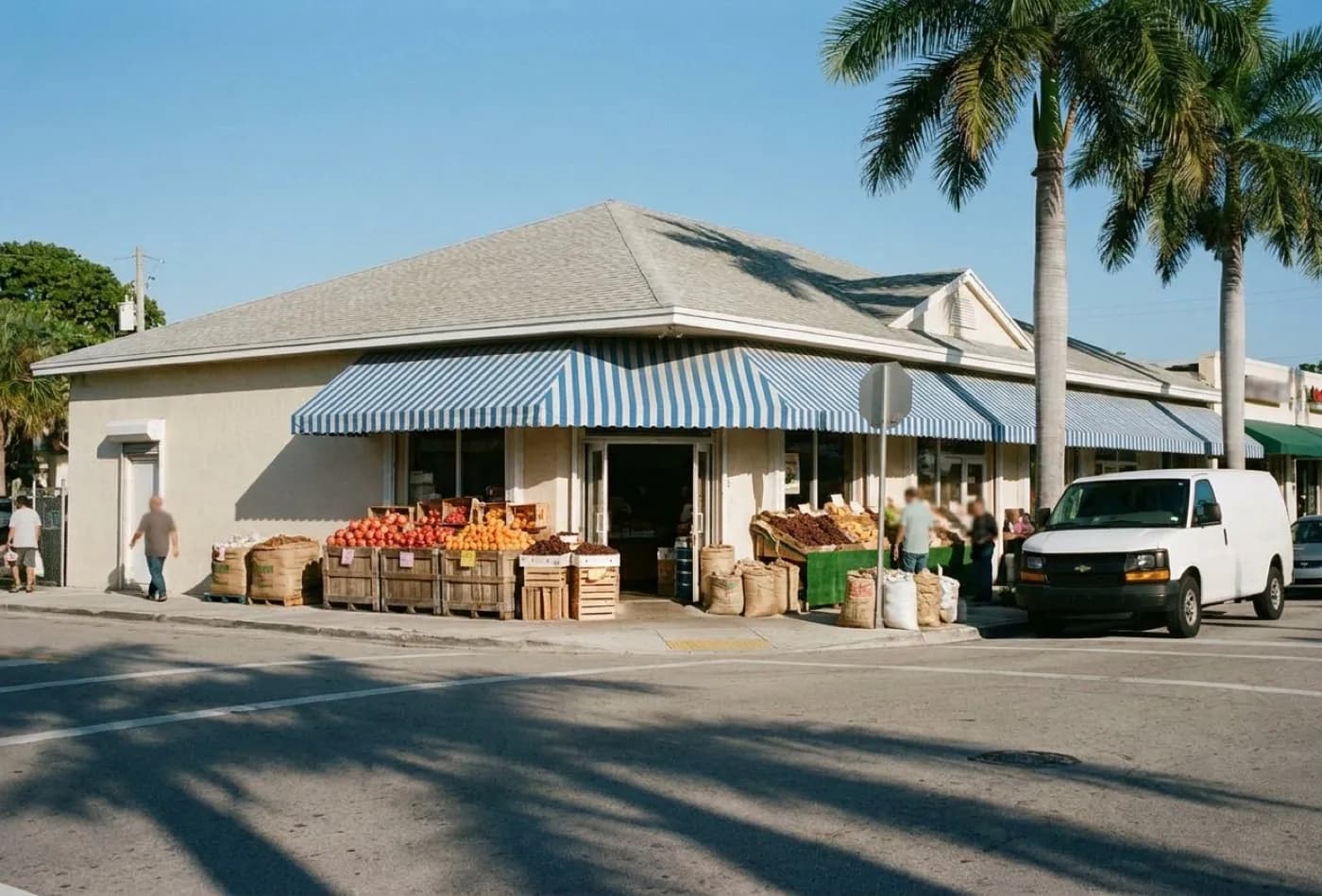
Miami's Middle Eastern community settled in the corridor between Coral Way and the Grove rather than in Little Havana proper, and the businesses followed the residents. The result is a specific and unusual format: not restaurants but marketplaces — shops selling olives, cheese, spices, dried fruit and bread by weight, with a hot counter at the back or the side where the same family cooks lunch. That format is why the food is cheap and why it is good: the kitchen is buying at wholesale for the shop, so the ingredient quality is market-grade rather than restaurant-margin. It is also why none of it shows up as a restaurant in a search. It also means the best time to go is the same time the neighbourhood goes, which is the middle of a working weekday rather than a weekend evening.
The Original Daily Bread Marketplace, Coral Way
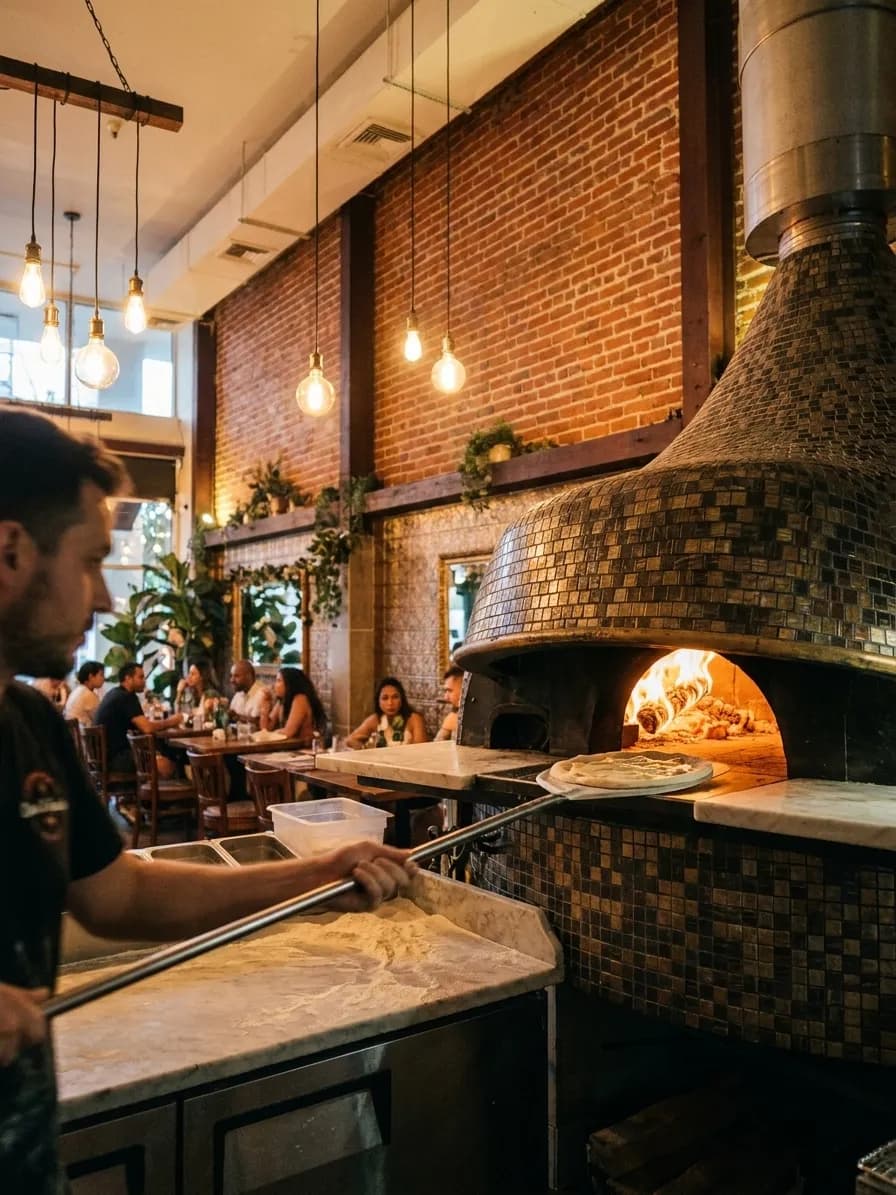
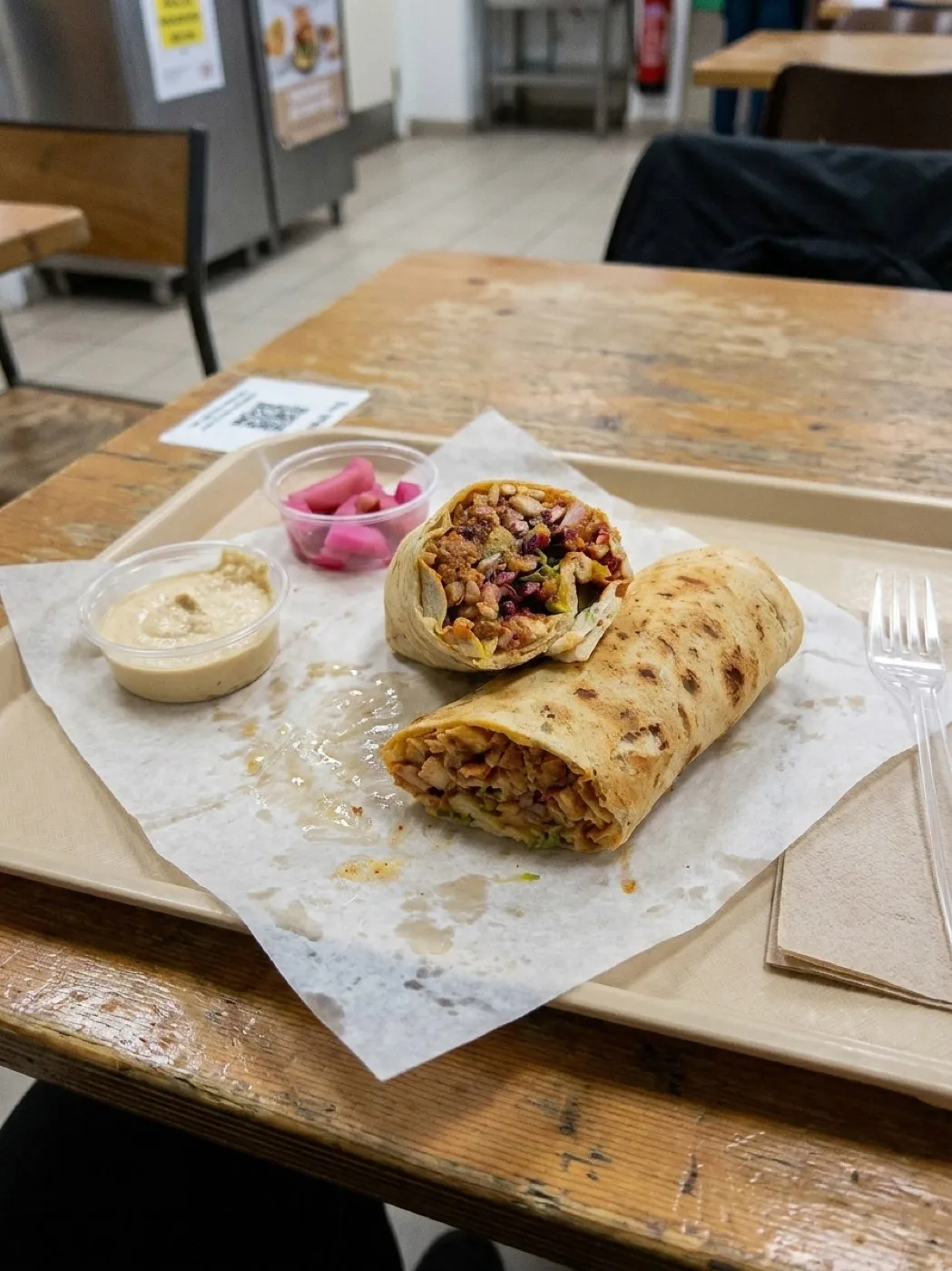
The anchor of the whole cluster, run by the Mazzawi family since the mid-1970s, and the clearest example of the market-plus-counter format. The shop side carries olives by the pound, cheese, olive oil, nuts, spices and Greek and Middle Eastern specialities; the cafeteria side turns out shawarma, kafta kabob, kibbeh, falafel, hummus, grape leaves and tabbouleh, and bakes its own pita. The shawarma wrap is what most people come for and the baklava is what they leave with. It sits at the edge of Coconut Grove on Coral Way, a straightforward drive from anywhere in Little Havana. Go inside rather than using the takeaway window; the shop half is most of the reason to make the trip.
How to order at a market counter
The format confuses people who arrive expecting a restaurant. You queue at the counter, you order by pointing as much as by name, and the platters are assembled in front of you. Two practical rules: order the platter rather than the wrap if you want the full range of what the kitchen makes, because the platter includes the salads and the wrap does not; and buy bread from the shop side on the way out, because the same pita that comes with your lunch is sold by the bag for a fraction of what a supermarket charges. Nobody will tell you either of these things unless you ask. If there is a tray of something you do not recognise, ask what it is — the counter staff at these places will almost always give you a taste rather than a description.
The second location and why it is different
There is a second, separately run Daily Bread in Pinecrest that has operated from the same site since 1978, and the two are frequently confused. Both are family-owned market-and-kitchen operations; the Pinecrest one sits further south and serves a different neighbourhood. If you are navigating from Little Havana, the Coral Way address is the one you want — the Pinecrest drive is twenty-five minutes further and there is no reason to make it unless you are already down there. Check which one a map is pointing you at before you set off.
What else is in the corridor
The market-with-a-kitchen format repeats along the same corridor with Lebanese, Palestinian, Greek and Turkish variations, several of them tiny and none of them advertised. The reliable indicators are the same each time: bread being baked on site, olives and cheese sold by weight rather than pre-packed, and a hot counter that is busiest between noon and 2pm on weekdays. If a shop has all three, the food is almost always good. If it has a printed menu with photographs and no market shelves, it is a restaurant borrowing the aesthetic rather than a family kitchen.
Fitting it into a Little Havana day
The practical shape of a good day here is Cuban in the morning and Mediterranean at lunch. Start on Calle Ocho with a cafecito and a pastelito, walk the blocks between 12th and 17th Avenue, then drive ten minutes south for a platter and a bag of pita and baklava. That sequence works because the two cuisines occupy different times of day in this part of the city — the Cuban ventanitas are at their best early and the market counters peak at lunch — and because it puts you back in the Grove or on Coral Way in the afternoon rather than fighting Calle Ocho traffic.
Practical notes
Hot counters are at their fullest and freshest between noon and 2pm on weekdays; go later and the trays have been sitting. The market side generally keeps longer hours than the kitchen, so a late arrival still gets bread, olives and pastries. Parking is a small lot or street at most of these and is easy outside lunch hour. Several are cash-friendly. Confirm which branch a map is directing you to before driving, since same-name locations sit twenty minutes apart. Hours and family holidays vary, so call if you are making a special trip.
Tags: #MediterraneanFoodNearMe #LittleHavana #CoralWay #Miami #MiddleEastern #Shawarma #DailyBread #FamilyRun #CoconutGrove #MiamiFood #MarketCounter #Falafel #Baklava #MiamiEats
All trademarks are the property of their respective owners.
Ask Karpo first
Want to know which of these counters is cooking right now and how far it really is from where you are on Calle Ocho? Ask Karpo for the closest family kitchens, what each bakes in house, and the hour to arrive so the trays are fresh.