Koreatown is the densest neighbourhood in Los Angeles and one of the least accurately named. The Korean restaurant scene is genuinely the best outside Seoul, and it sits on top of a neighbourhood that is majority Latino and has long-established Armenian, Lebanese, Egyptian, Greek and Bangladeshi communities. Search mediterranean food near me from inside K-town and the results push you west toward the expensive rooms. The closer answer is in the mini-malls you are already driving past.
These are small kitchens with short staff and unpredictable hours, and the best of them are inside mini-malls you would drive past. Ask Karpo which ones near you are open tonight and what the house specialty is before you order.
What to look for: the mini-mall kitchen
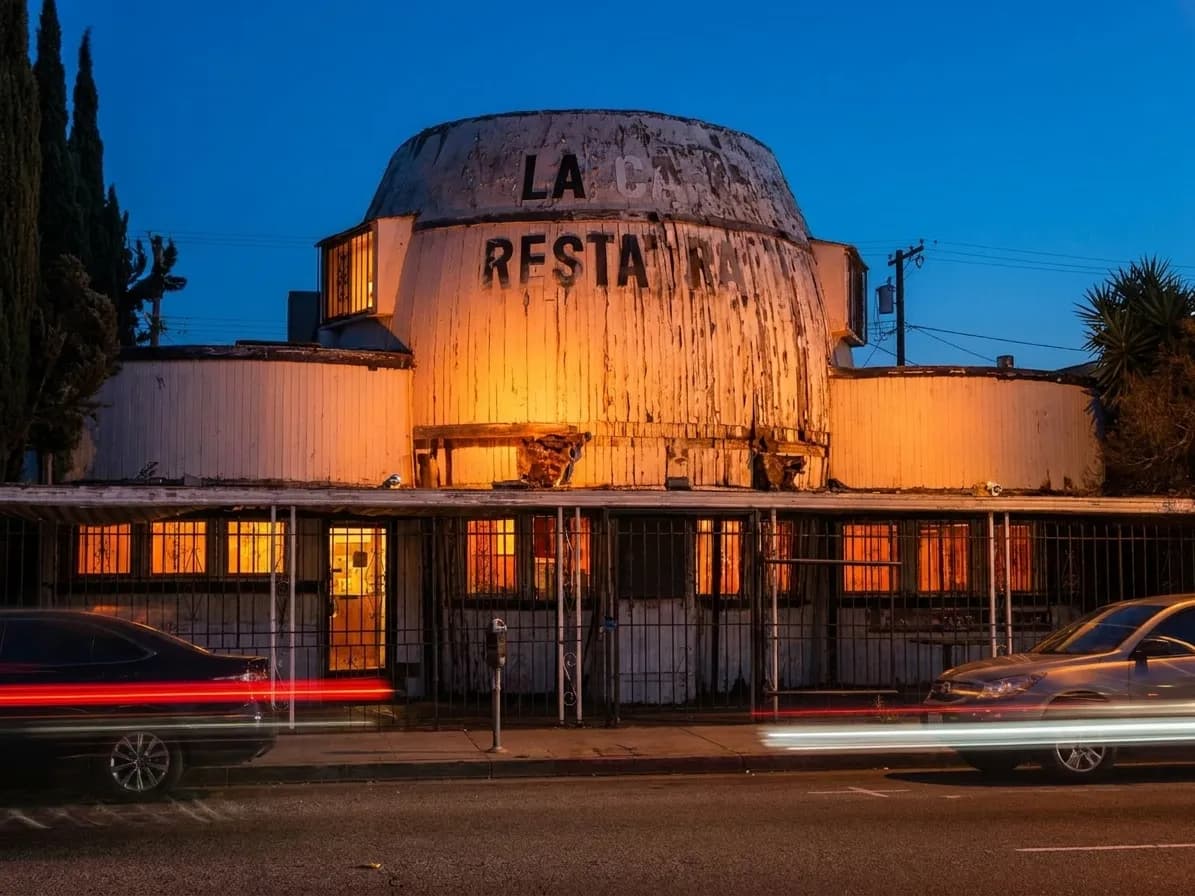
The characteristic Koreatown restaurant is on the second floor of a mini-mall, behind a car park, or in a strip of four units with one shared awning. The Mediterranean kitchens follow the same pattern: eight to twelve tables, a menu built around a grill and a mezze list, a family working the room, and prices that have not caught up with the Westside. The rent structure is the entire explanation — a room with no street frontage costs a fraction of one on Beverly, and the saving goes into the plate.
The practical consequence is that you will not find these by walking. Look up rather than along, check the plaza signage boards, and accept that the best room in a block is frequently the one with the worst view of the street.
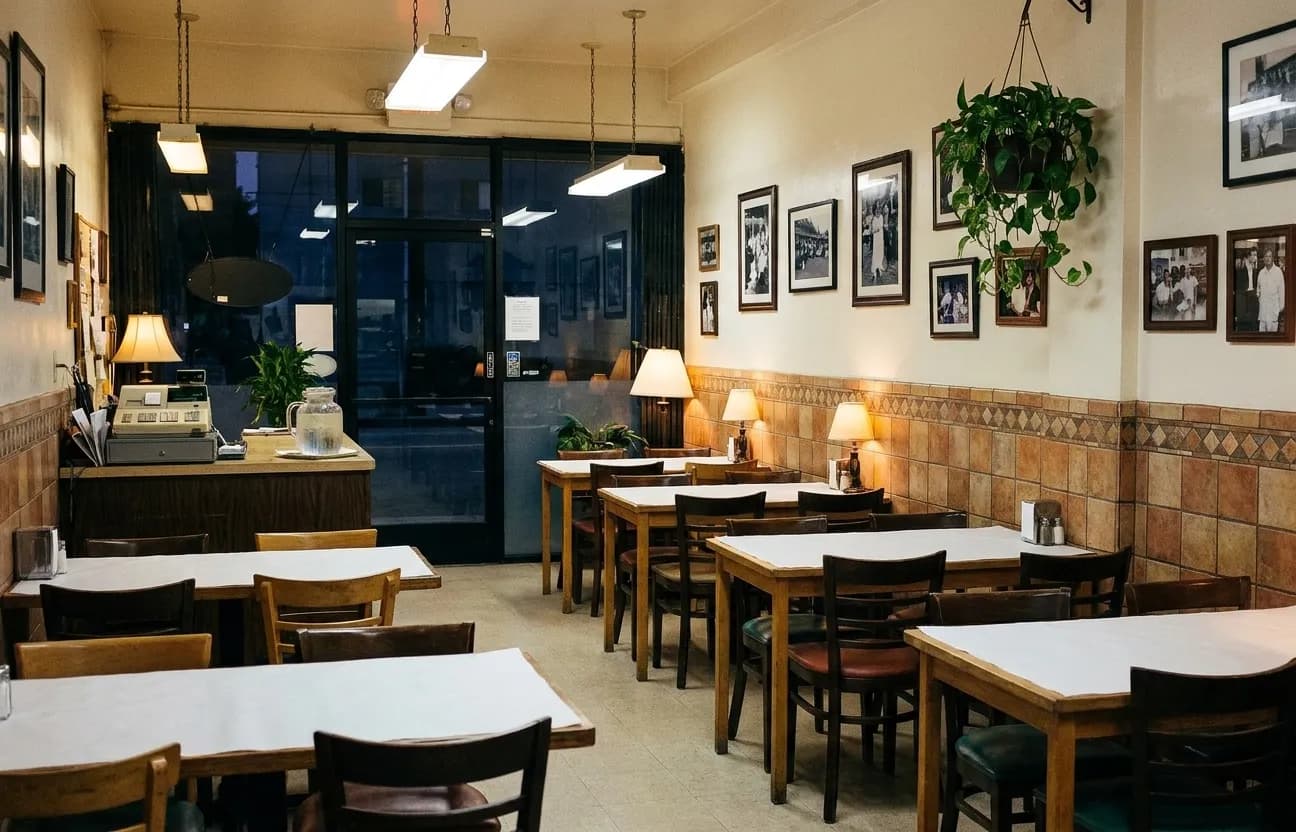
The cooking, by community
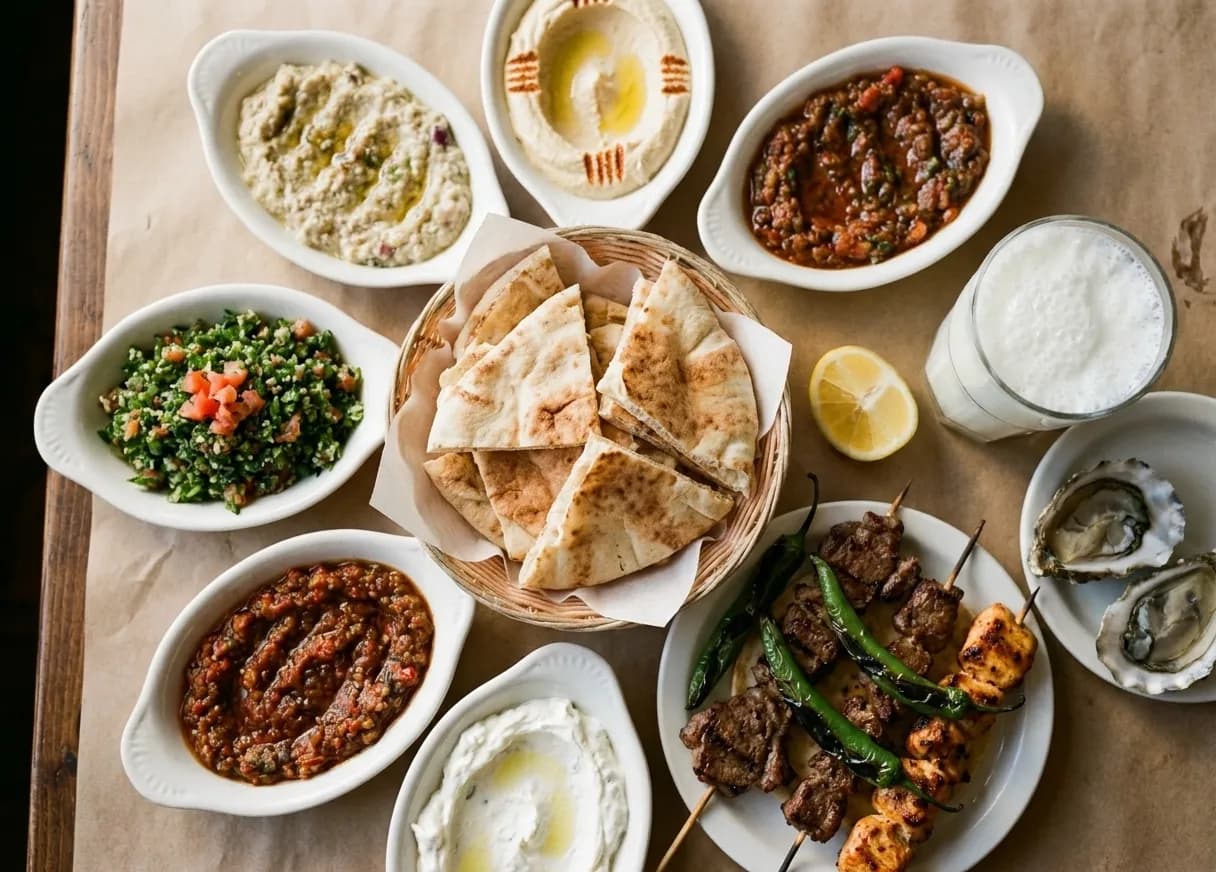
Lebanese and Syrian kitchens here run the familiar mezze-and-grill format — hummus, moutabal, tabbouleh, fattoush, then shish taouk or kafta off a charcoal grill — and the giveaway for a good one is the bread, which should arrive hot and be replaced when it goes cold. Armenian rooms overlap but lean toward lahmajun, boreg and sujuk, with the bakery items sold cheap and by the piece. Egyptian cooking brings koshari, the lentil-rice-pasta dish that is the best five-dollar plate in the neighbourhood, and molokhia. Greek is the thinnest presence, mostly gyro counters, but the good ones carve from a real spit rather than a cone of pressed meat.
A useful ordering rule across all of them: one dip, one salad, one grilled thing and bread will feed two people well, and adding a second grilled item is usually more food than a table of two can finish.
The late-hours advantage
Koreatown's whole restaurant economy is built for late service, and the Mediterranean rooms benefit from being in it. Kitchens here routinely run to eleven or midnight, which is two hours later than the equivalent family restaurant in Glendale or Westwood. If you want a full sit-down mezze dinner at ten at night in Los Angeles, this is the most reliable neighbourhood in the county for it.
How to tell a good one from the door
Three signals hold up. There is a grill you can smell from the car park — charcoal, not gas, if you are lucky. The bread is made or finished on site rather than arriving in bags. And the room contains people from the community whose food it is, at the hours they would actually eat, which in this neighbourhood means late. A room full of families at nine on a Sunday is worth more than any rating.
Practical notes
Parking is the main friction: most of these places have a small shared lot behind the building, and the street is metered and permit-restricted after hours. Cash is welcome and occasionally cheaper. Portions are large, so under-order on the first visit. Many of these kitchens do not serve alcohol but will let you bring your own for a small corkage — ask when you book. And check whether they close between lunch and dinner, which some do and which is the most common reason people find a locked door at four in the afternoon.
What to order for a group
These kitchens are built for tables rather than individuals, and the arithmetic rewards it. A mixed mezze — four or five dips and salads with bread — plus two grilled items and a rice dish feeds four people generously and costs less per head than two individual plates. Ask for the mixed grill only if there are at least three of you; below that it is worse value and worse cooked than a single skewer.
Order the bread separately and hot, and ask for more when it comes. In most of these rooms it is a couple of dollars and it is the thing the kitchen is proudest of.
Tags: #LosAngeles #Koreatown #MediterraneanFood #LebaneseFood #ArmenianFood #Koshari #FamilyRun #HiddenLA #LAEats #LateNightLA #MiniMall #LAFoodie #FoodNearMe #NeighborhoodGuide
Sources consulted: discoverlosangeles.com · laconservancy.org · metro.net
All trademarks are the property of their respective owners.
Ask Karpo first
Small family kitchens keep the least predictable hours in the city and several close between services without saying so anywhere. Ask Karpo which rooms near you are open tonight, what the house specialty is, and whether you can bring your own bottle.