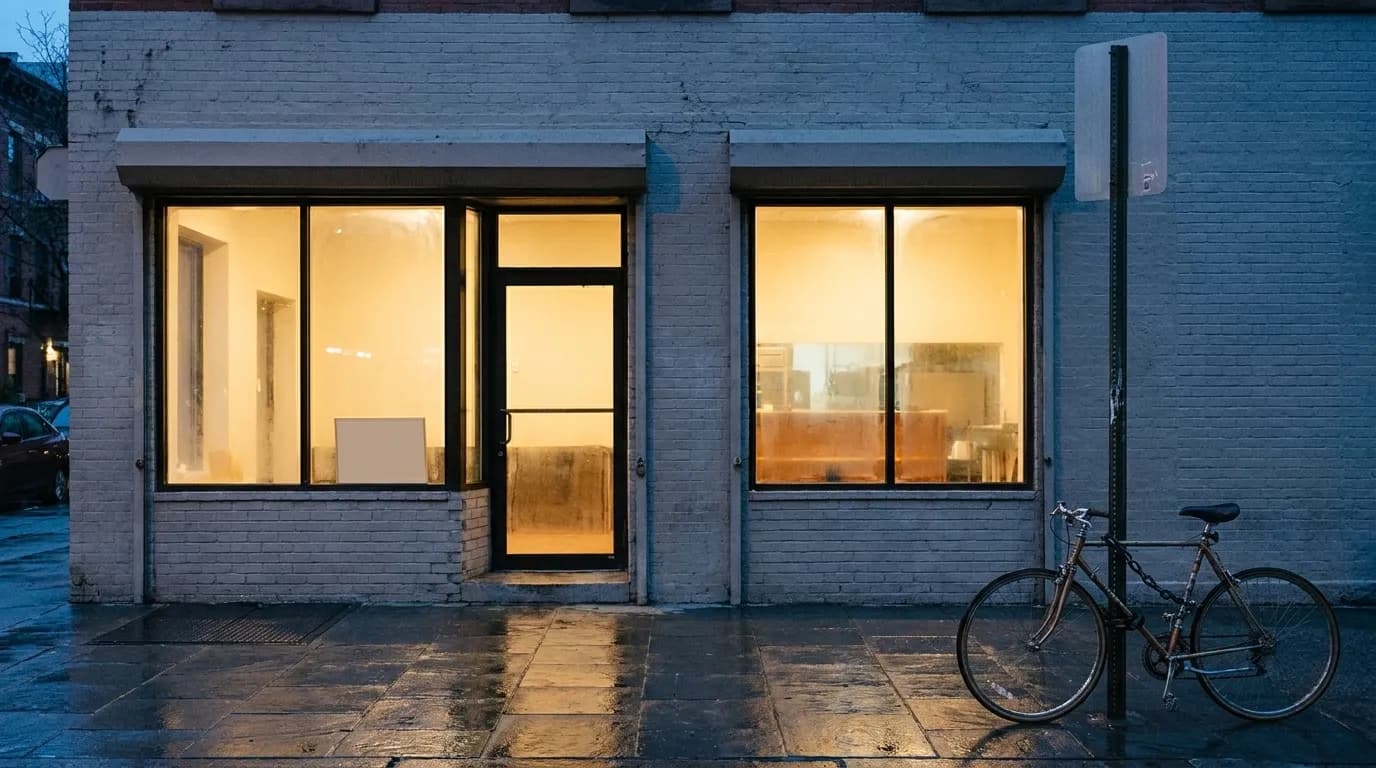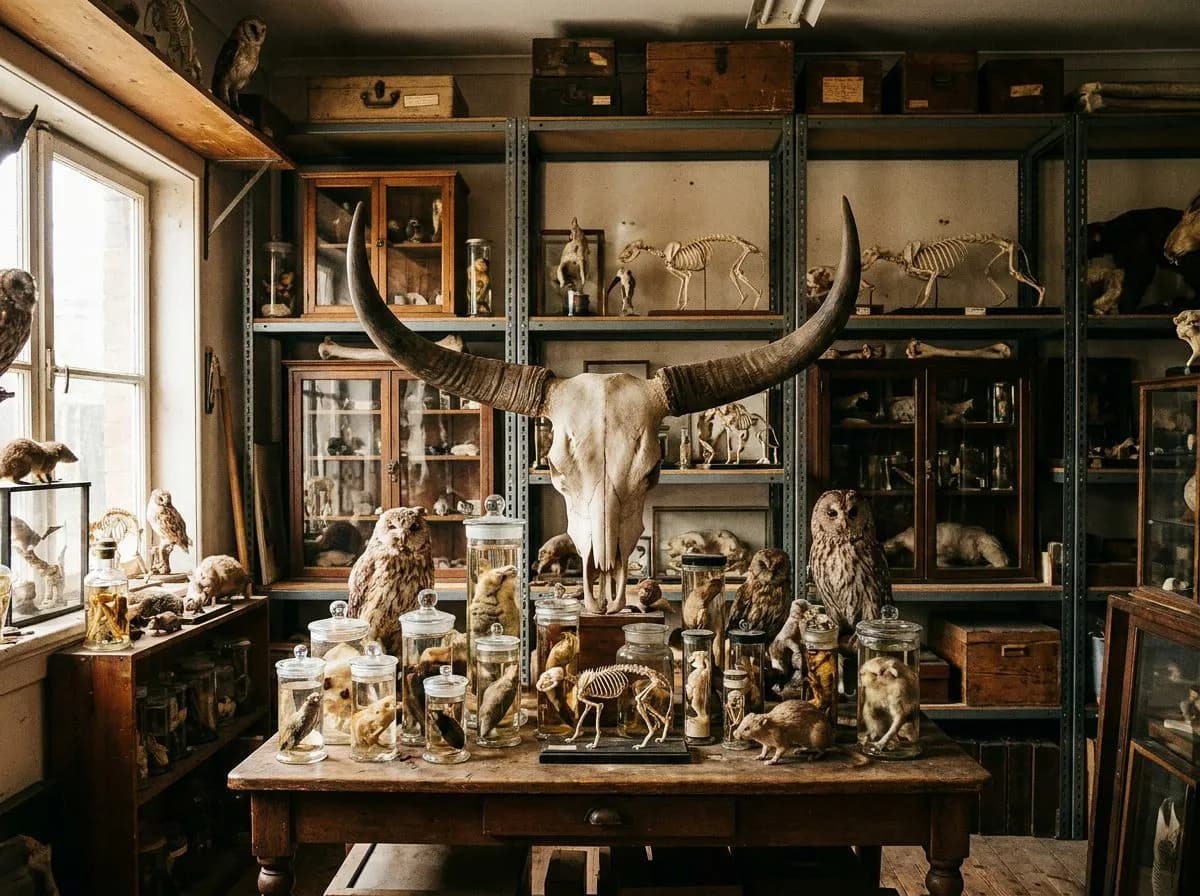
There are few places in New York City where you can walk in off Spring Street carrying a cloudy Mason jar containing a century-old squid and receive not judgment but genuine enthusiasm. Evolution Store has occupied its SoHo corner for decades, a cabinet of curiosities made retail, and while browsers come for the butterfly-wing art and the gleaming beetle specimens, a quieter service has emerged for the city's community of private natural history collectors: a Thursday afternoon clinic devoted entirely to the care and preservation of wet specimens.
The Thursday afternoon ritual
The store offers preservation consultations at times that should be confirmed before publication., a three-hour window when the store's back consultation desk becomes a kind of emergency room for pickled oddities. Walk-ins are welcome—collectors often arrive with jars cradled in tote bags, the glass cool against cotton—but staff recommend emailing ahead if your preservation questions veer into complexity. A seahorse losing its pigment is straightforward; a two-headed fetal pig inherited from a defunct medical school collection requires a longer conversation.
The rhythm of these afternoons has a gentle, unhurried quality. Light filters through the storefront windows, catching on rows of botanical specimens and casting amber shadows. The scent is clinical but not unpleasant: alcohol and faint brine, the smell of arrested time. Staff move between consultations with the ease of museum conservators, which some of them were, and their questions are precise. How long have you had the specimen? What fluid was used originally? Is the seal intact?
When to replace the fluid
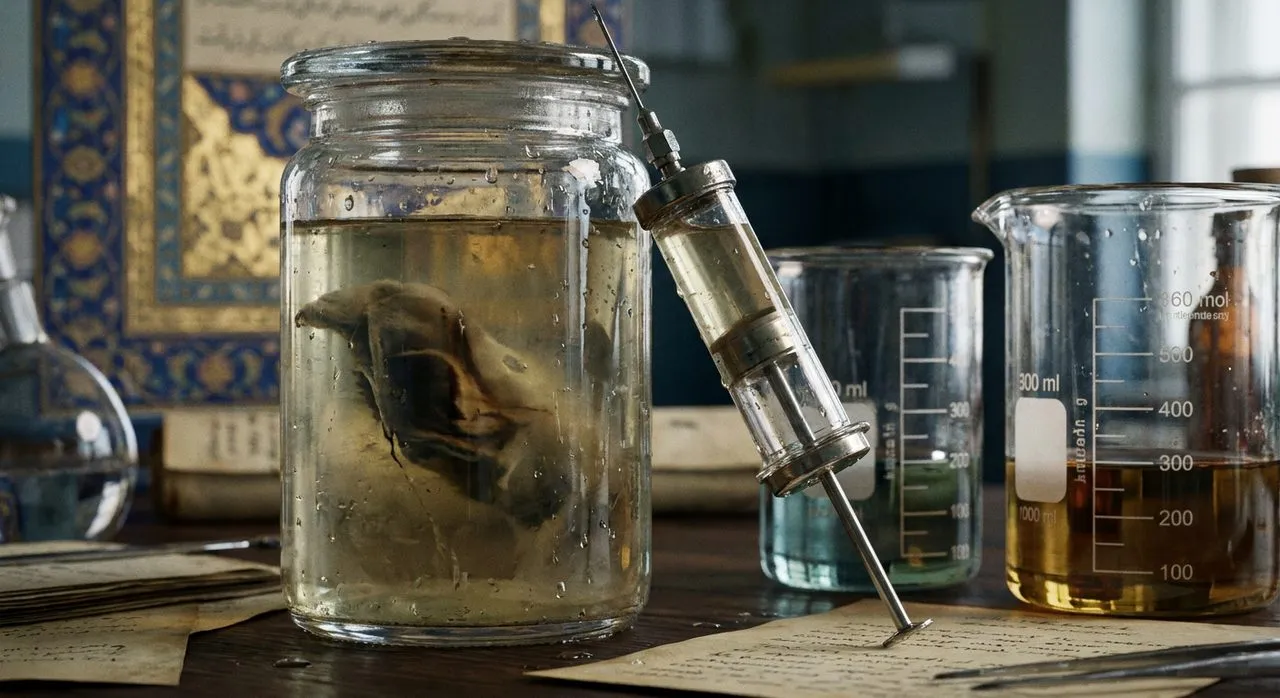
The most common concern is cloudiness, that milky haze that creeps into even well-sealed jars. Staff explain what serious collectors already suspect: ethanol-based preservation fluids need refreshing every eight to twelve years. It's not a hard deadline—some specimens remain stable for decades—but the window matters. Wait too long and you risk tissue degradation, that irreversible softening that turns a preserved creature into something unrecognizable.
What makes the clinic valuable is the transparency of the process. Consultation and demonstration are both free when you purchase your supplies on-site, a policy that transforms nervous first-timers into confident caretakers. Staff walk you through each step at the consultation desk, explaining the why behind the how. The goal is knowledge transfer, not dependence. By the end of an hour, most collectors feel capable of handling their own routine maintenance, reserving clinic visits for the genuinely tricky cases.
Custom solutions and archival-grade supplies
Evolution Store maintains a serious back-stock of archival-grade preservation materials: ethanol in multiple concentrations, formalin for older specimens that require it, glycerin for certain tissue types. But the real expertise shows in the custom work. Some specimens—delicate embryos, pigment-sensitive cephalopods—demand pH-balanced solutions that can't be pulled off a shelf. Staff can mix custom fluid ratios on request, adjusting for the specific chemistry of what you're trying to preserve.
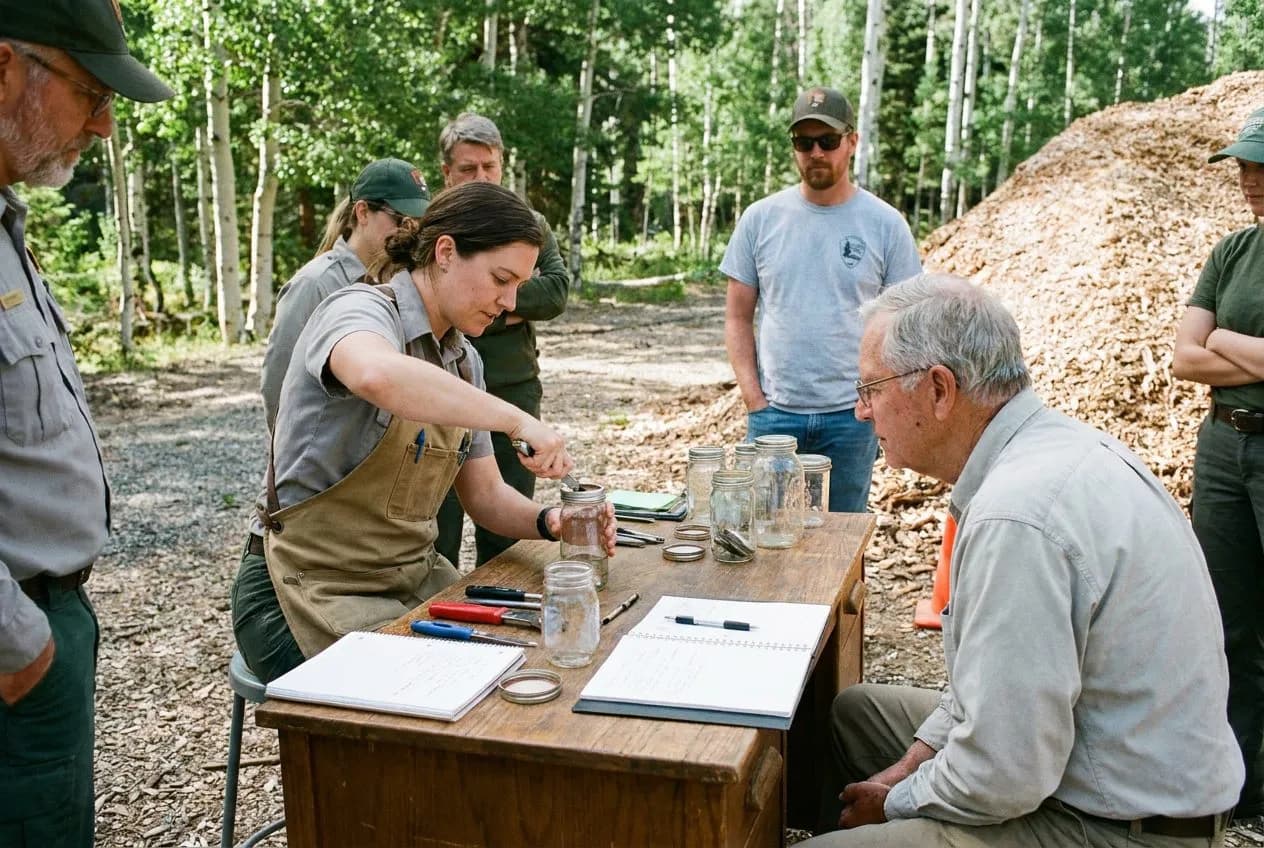
The consultation desk is equipped for live demonstrations. You watch as a staff member opens a deteriorating jar—the old fluid murky, the specimen still viable—and carefully decants the liquid. The replacement process is methodical: fresh ethanol poured slowly to avoid tissue trauma, the specimen repositioned if needed, the new seal checked for integrity. There's something mesmerizing about watching skilled hands perform a task that sits halfway between science and craft. It's preservation as performance, and you leave understanding not just what to do but why each step matters.
The collector community
The Thursday clinic has quietly fostered a subculture of NYC natural history enthusiasts who might never have found one another otherwise. You see repeat visitors, regulars who stop by even when their own collections are stable, drawn by the chance to see what others have brought in. The conversations veer from technical—debates about alcohol percentages and buffering agents—to philosophical. What does it mean to preserve? When does collection become obsession? The staff navigate these exchanges with good humor, neither encouraging excess nor dismissing passion.
Some collectors arrive with specimens inherited from grandparents, naturalists who assembled private study collections in eras when such hobbies were common. Others are artists sourcing reference material or taxidermists expanding their skill sets. The range is broader than you'd expect, and the clinic's egalitarian atmosphere—treating a student's first preserved frog with the same seriousness as a rare coelenterate—makes it easy to ask questions that might feel foolish elsewhere. Seasonal attendance patterns should be removed unless independently verified. in younger collectors drawn by the intersection of science and aesthetic curiosity.
Beyond the jar
The clinic's guidance extends to long-term storage strategies, an often-overlooked aspect of private collection management. Where do you keep a dozen specimen jars in a New York apartment? Staff recommendations tend toward the practical: avoid direct sunlight, maintain stable temperatures, check seals annually. They'll also talk you through labeling protocols and documentation, the archival practices that transform a jumble of jars into an actual collection. It's advice born from experience, not textbooks, and it shows.
There's something oddly optimistic about the whole enterprise. In an age of digital everything, here's a group of people committed to the physical care of fragile organic matter, investing time in techniques that haven't changed fundamentally in a century. The Evolution Store clinic isn't trying to revive Victorian parlor science; it's making space for a kind of hands-on material engagement that feels increasingly rare. That it happens in the middle of SoHo, amid the designer boutiques and gallery openings, only sharpens the contrast.
Practical notes
Evolution Store’s current SoHo location and transit details should be verified before publication. Thursday wet specimen clinics run 2–5 p.m.; confirm current operations before visiting. The store is ground-level accessible. Bring your specimen in a secure, leak-proof container if you're seeking consultation, and be prepared to discuss its provenance and current storage conditions. Paid street parking is available but limited; public transit is strongly recommended. If you're purchasing supplies, bring measurements—jar dimensions, specimen size—to ensure proper fit.
Tags: #EvolutionStore #WetSpecimens #TheOddEdit #SoHoNYC #NaturalHistory #PreservationClinic #PrivateCollections #CabinetOfCuriosities #SpecimenCare #NYCInsider #Fall2026 #ArchivalScience #CollectorCommunity #UnusualNewYork #HiddenNYC
Please drink responsibly. Must be of legal drinking age.
Sources consulted: Wet Specimen Preservation · SoHo, Manhattan · Official NYC SoHo Guide · MTA Transit Information
All trademarks are the property of their respective owners.