San Francisco is seven miles across, which changes what an events near me search is for. In a large county you need a calendar to tell you what is reachable. Here, everything is reachable, and the problem is the opposite: the things worth going to are mostly not published on any platform. They circulate through mailing lists, venue newsletters, group chats and physical flyers, and the aggregators catch the commercial end while missing the part that makes this a good city to live in.
In a city this compact the best events are not published anywhere — they move through mailing lists, venues and neighbours. Tell Karpo what you are interested in and it will find the channel rather than the listing.
The street closures, which are the city's real events calendar
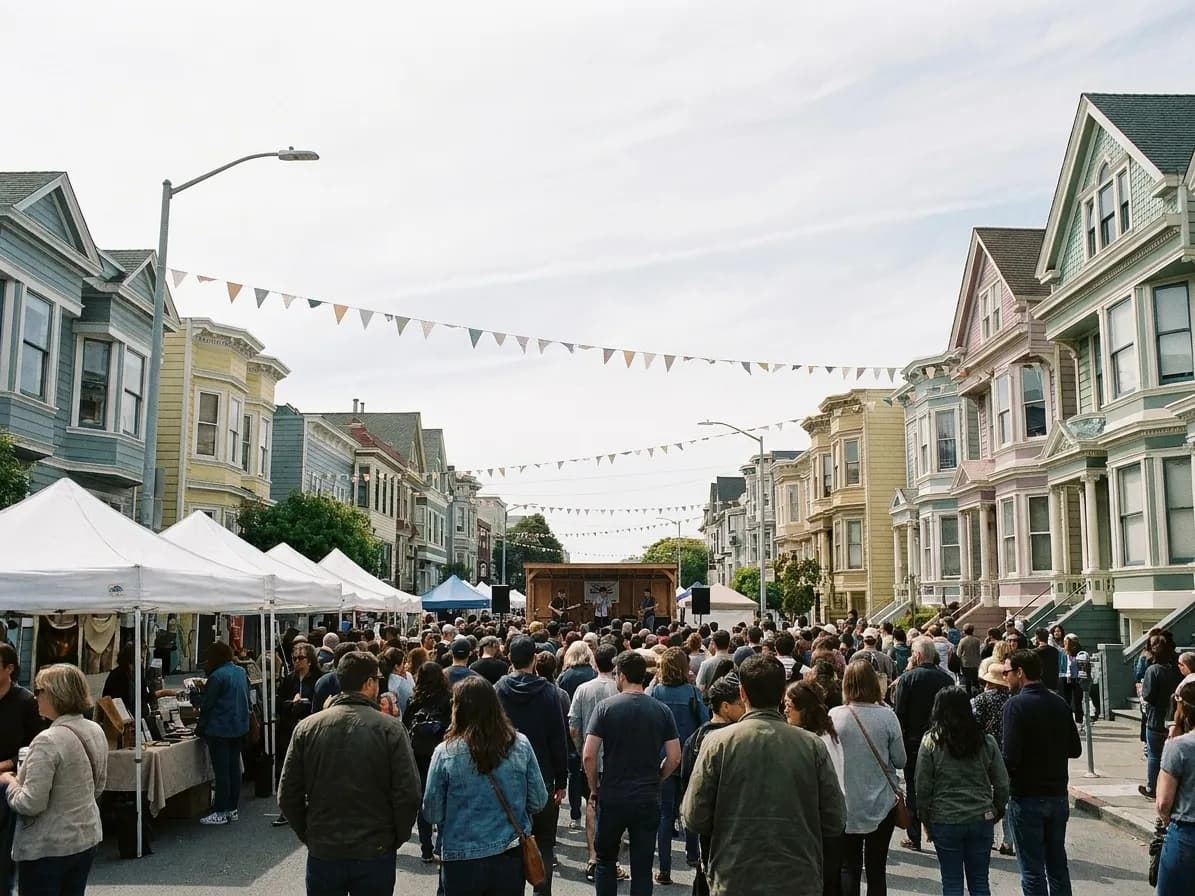
San Francisco closes streets constantly — for neighbourhood fairs, cultural festivals, night markets, Sunday car-free stretches and a long list of parades and community days tied to specific neighbourhoods. Most run annually on roughly the same weekend and are publicised locally rather than centrally. A closed street here is not a minor inconvenience, it is the event, and walking into one by accident is one of the better things about the city.
Venue newsletters beat aggregators
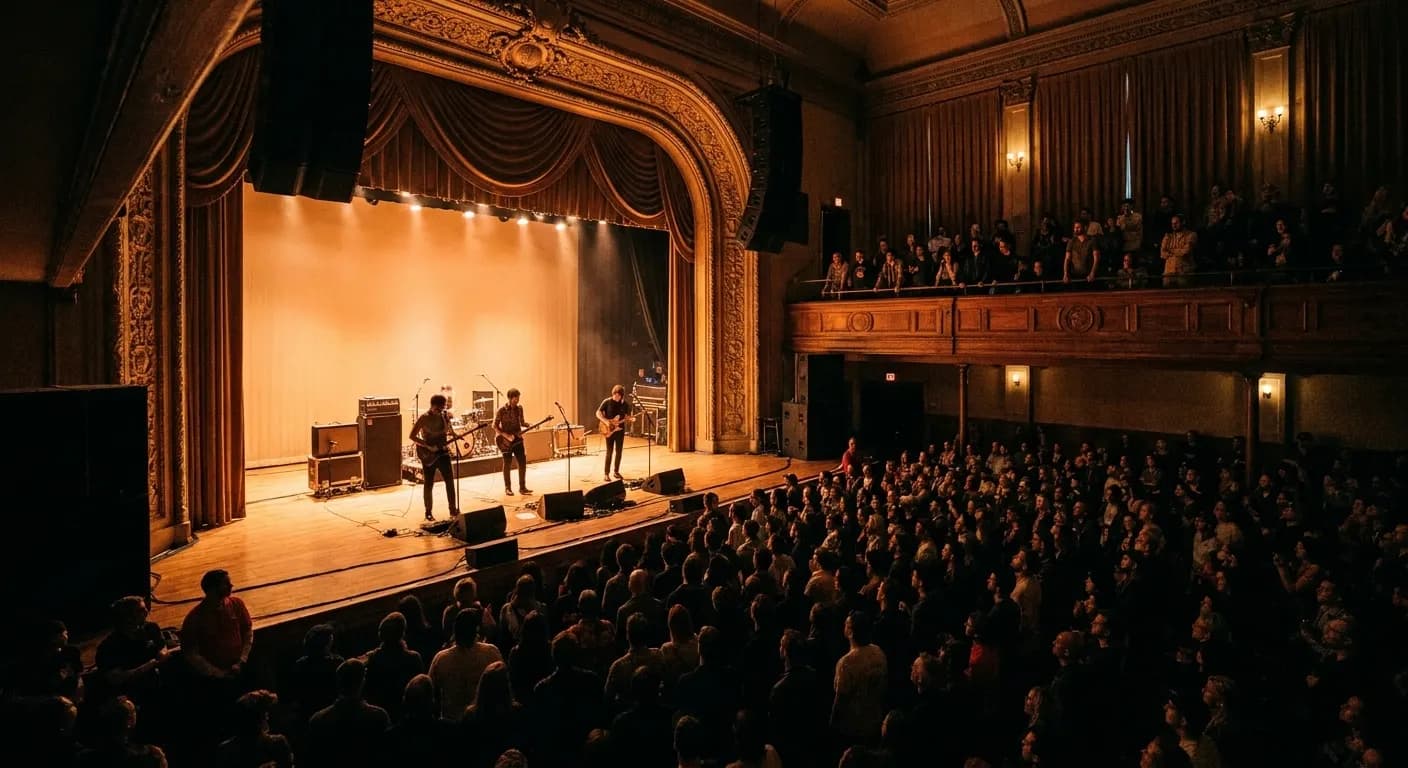
The single highest-return action is to subscribe directly to six or seven places you already like — a music venue, a bookshop, a cinema, a museum, a bar that programmes things, a community space. Their own mailing lists carry everything, several days before the listings sites, and they include the small midweek things that never get aggregated. This takes ten minutes once and then works permanently.
The institutional evenings
The museums, libraries and cultural institutions here run a deep programme of talks, screenings, late openings and performances, much of it free and most of it invisible outside the institution's own channels. The public library system in particular runs an extensive free programme that almost nobody under forty seems to know about, in buildings that are pleasant to be in.
The physical layer still works here
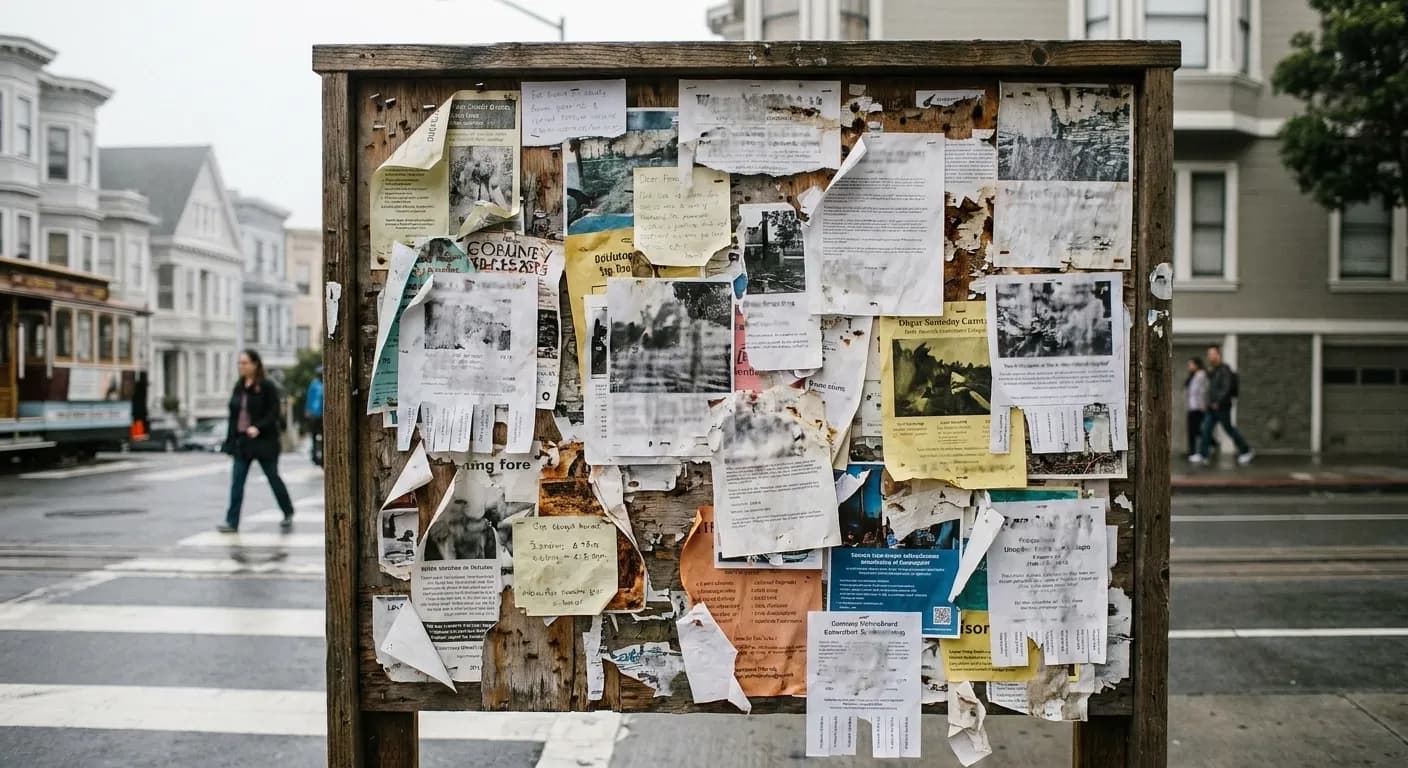
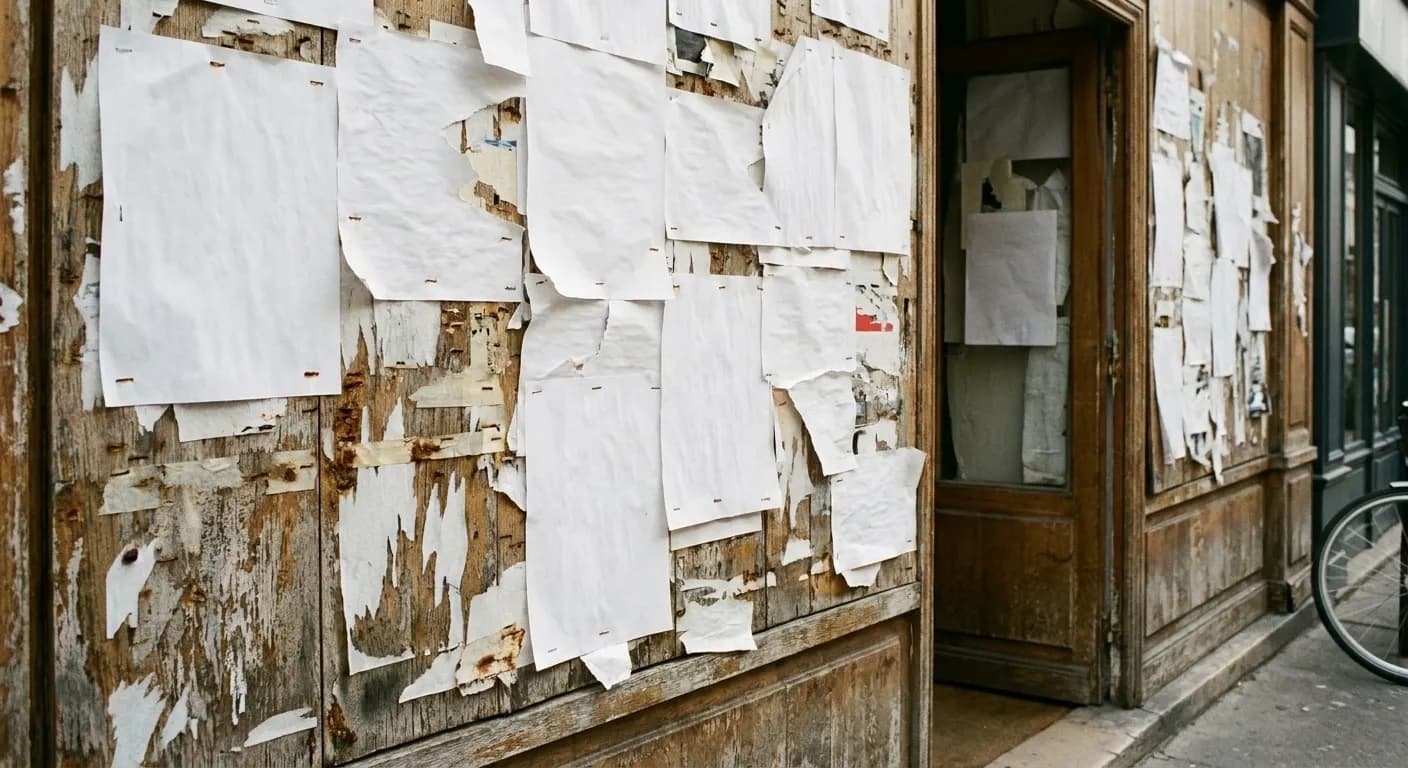
Because the city is dense and walkable, flyers and window notices remain genuinely informative — on the poles around the Mission, in bookshop and café windows, on the boards inside record shops and community spaces. If you want to know what is happening in a neighbourhood this week, ten minutes of walking its main commercial street tells you more than any search does.
Free and low-cost, which is a large share of it
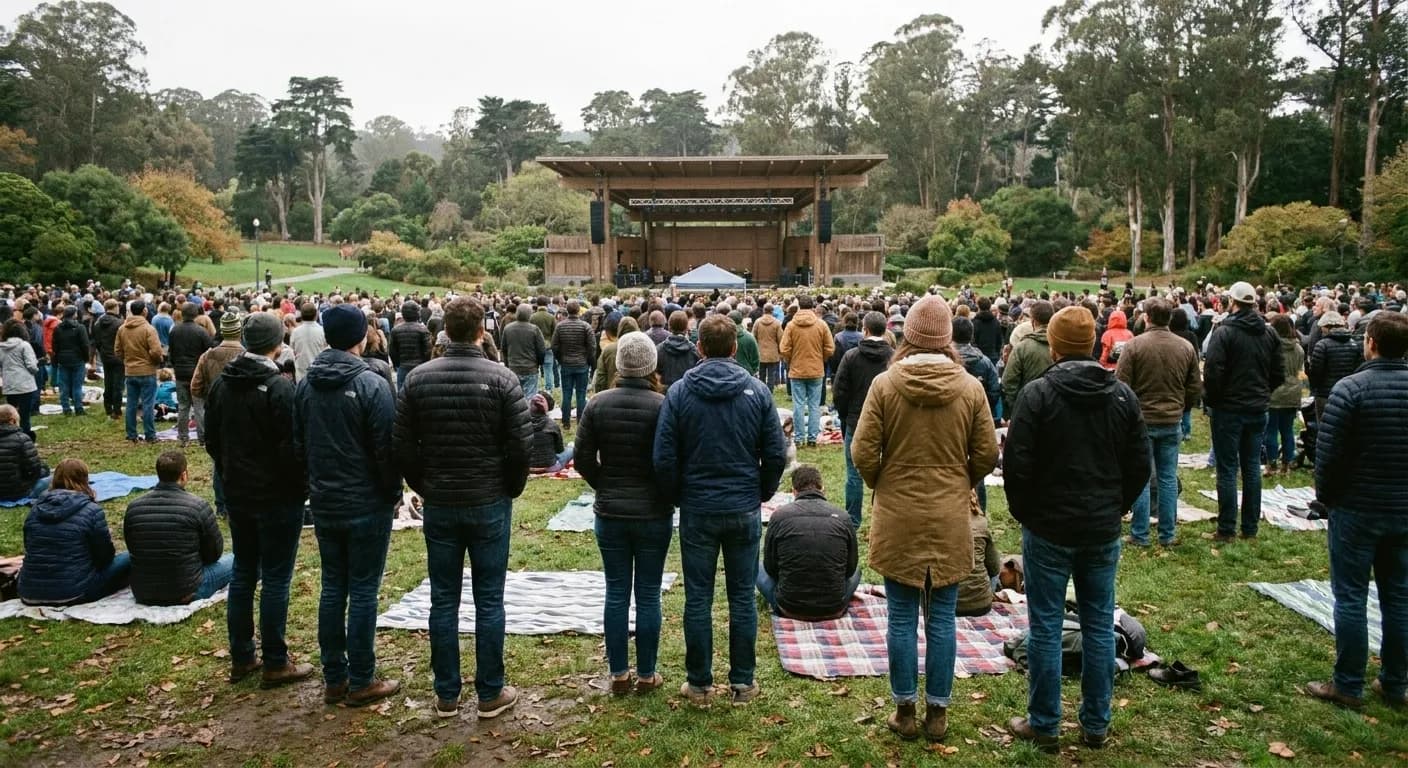
Free museum days, park concerts in the summer, film in the park, the free classical and choral programmes in churches and conservatories, and the enormous number of readings and talks in bookshops. In a city this expensive, the free layer is unusually deep and unusually good, and it is almost entirely word of mouth.
The practical way to run your week
Subscribe to a handful of venues, follow two or three neighbourhood accounts for the areas you actually walk, and check a single aggregator for the ticketed things. That combination catches nearly everything. And because nothing here is more than half an hour away, you can decide at six o'clock what you are doing at eight, which is a genuine luxury and worth using.
Dates, programmes and street closures shift year to year, so confirm with the organiser before planning around a specific event.
What to do with a free evening tonight
The advantage of a small city is that a decision at six o'clock is still workable. The reliable options at short notice are a bookshop reading, a cinema with a repertory programme, a bar or café with music, or whatever the nearest museum has on if it is a late night. All of those are cheap, none needs planning, and any of them beats scrolling.
If nothing appeals, the default that never fails here is to pick a neighbourhood you do not usually go to and walk its main commercial street for an hour before eating somewhere on it. In a city with this many distinct districts inside seven miles, that is a genuine outing rather than a fallback, and it is how most people here find the places they end up recommending.
A note on the seasonal peaks
San Francisco's event calendar is not evenly distributed through the year. The heaviest concentration of street fairs, festivals and outdoor programming runs from late spring through early autumn, with a second cluster of indoor cultural programming through the winter. August, counter-intuitively, is one of the quieter and foggier months for outdoor things, and September and October are the reliably warm ones.
If you are planning a visit around what is on rather than the reverse, aiming at the early autumn gets you both the best weather of the year and a dense calendar, which is the opposite of what most people assume about this city.
Tags: #SanFrancisco #SF #BayArea #Events #WhatsOn #LiveShows #SFEats #SFGuide #ExploreSF #SFLocal #SFWeekend #SFNights #SFFood #SFLife
Sources consulted: dothebay.com · sfchronicle.com · sfstation.com
All trademarks are the property of their respective owners.
Ask Karpo first
Karpo is a proactive AI assistant that lives in iMessage. Tell it what you like and it will find the channel it travels on.