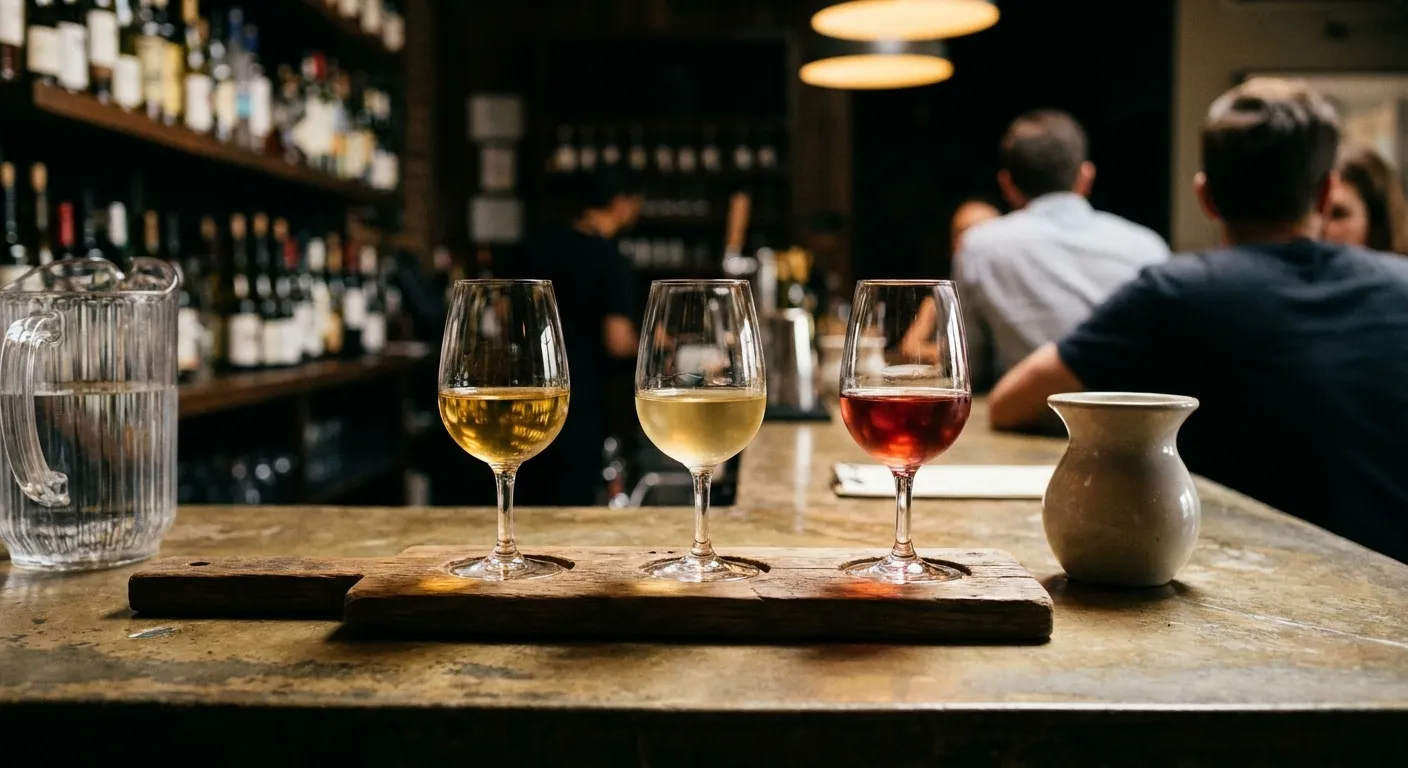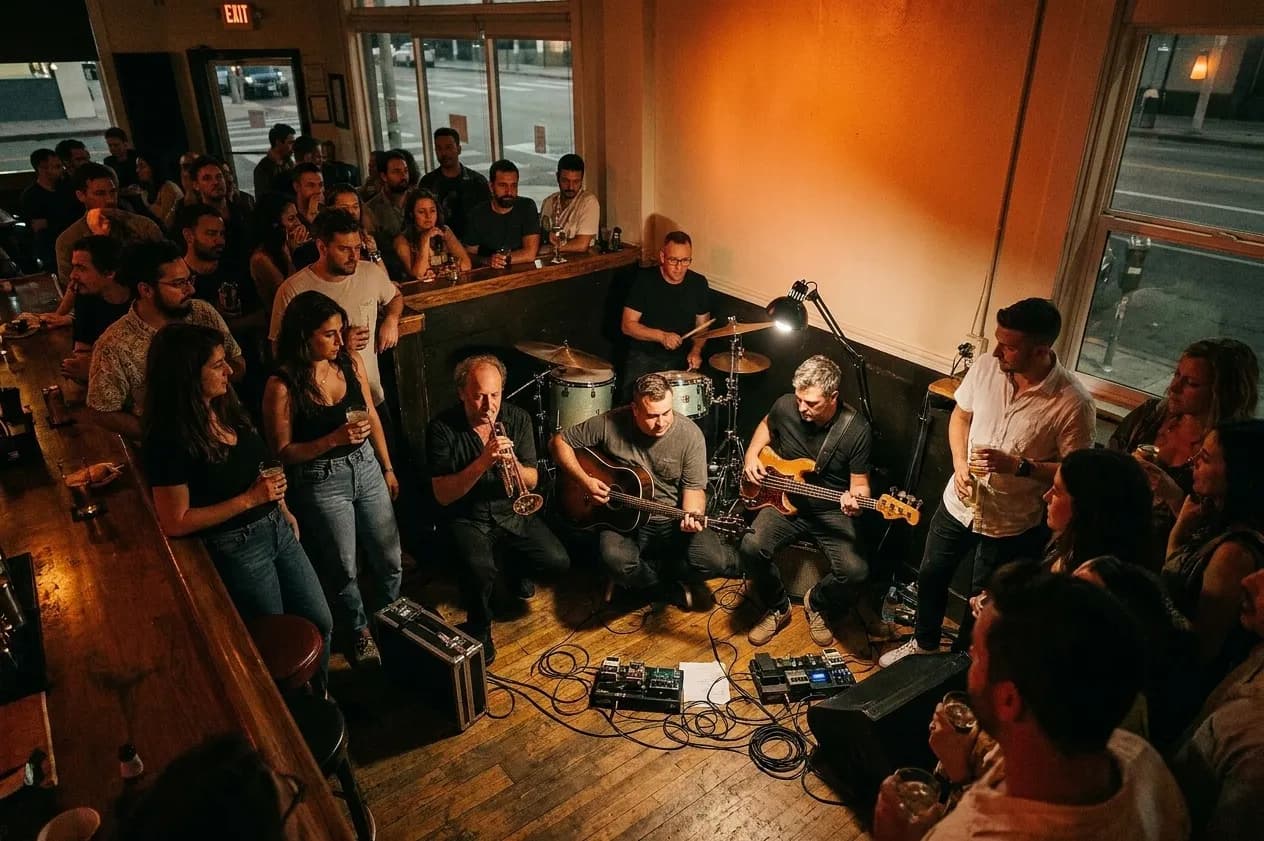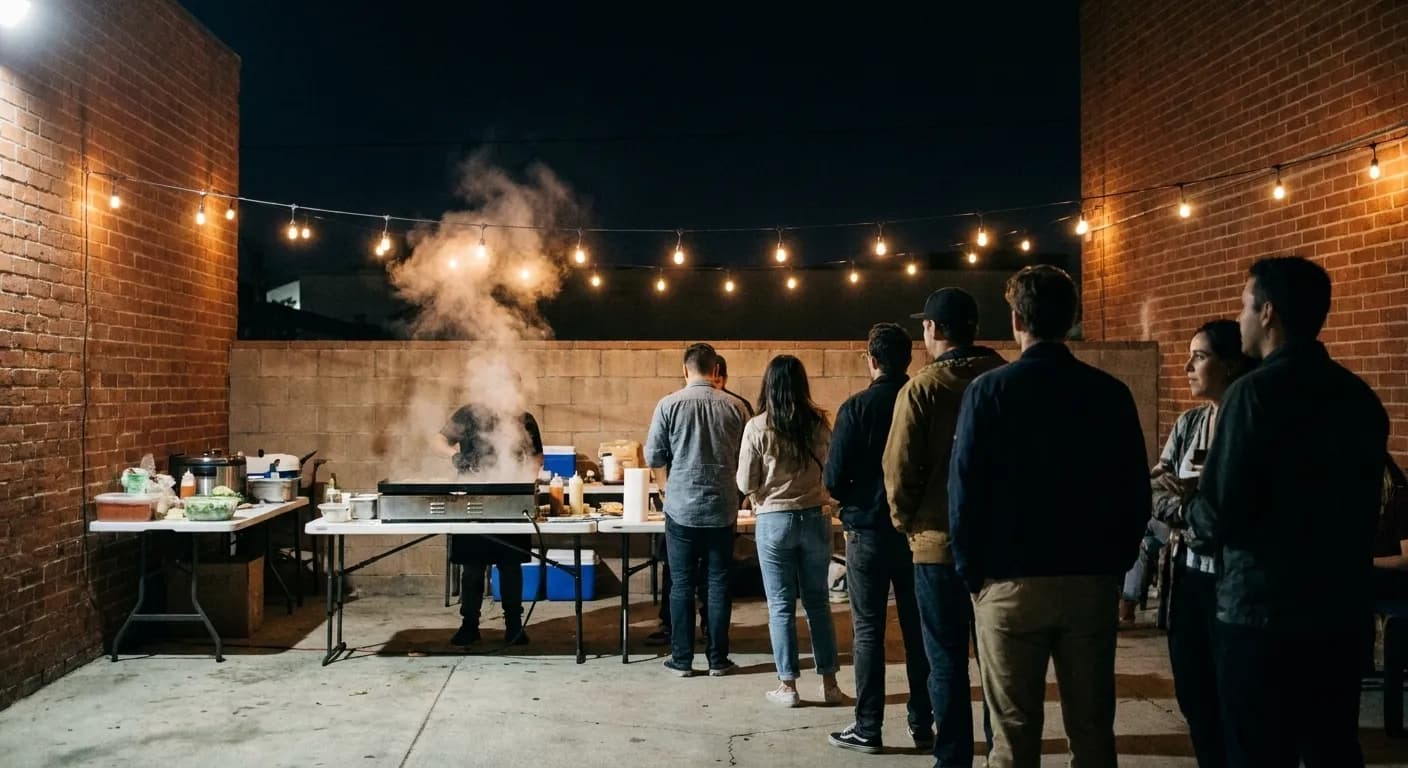
Pop-up is a word that has been drained of meaning almost everywhere else, but in Los Angeles it describes a real and load-bearing part of the culture. A large share of the city's best food is made by people without a restaurant — cooking out of a shared kitchen one night a week, taking over a bar's back patio, running a backyard dinner for thirty people. Events in Los Angeles at this level are where the actual invention happens.
Pop-ups sell out through a single social post and rarely reschedule. Ask Karpo what is running near you this week.
Why the format exists here specifically
Two structural reasons. Restaurant rent and permitting in this county are brutal, so opening a room is a bet very few cooks can afford to make. And the climate means outdoor service works year-round, which makes a patio, a courtyard or a parking lot a viable dining room for most of the calendar. Put those together and the rational move for a talented cook without capital is to borrow a space rather than lease one.
The result is a pipeline. A cook does a weekly night in someone else's kitchen, builds a following, moves to a bigger space, and eventually signs a lease with a proven concept and an existing customer base. A remarkable number of the restaurants people now queue for in this city started exactly that way, which is why paying attention to the pop-up tier means seeing things about two years before they get written up.
The food residencies
The most reliable version is the residency — a cook takes a fixed night at an established bar or restaurant, weekly or monthly, for a run of months. These are announced in advance, they recur, and they are the easiest entry point because you do not have to catch a single date. Bars across the eastern neighbourhoods, the Valley and the Westside all run them.
What to expect: a short menu, often four or five items, cooked by two or three people, at prices well below what the same food would cost in a restaurant. The trade is that service is informal and the wait can be long. That is a fair exchange and complaining about it rather misses the point of the format.
Backyard dinners and supper clubs
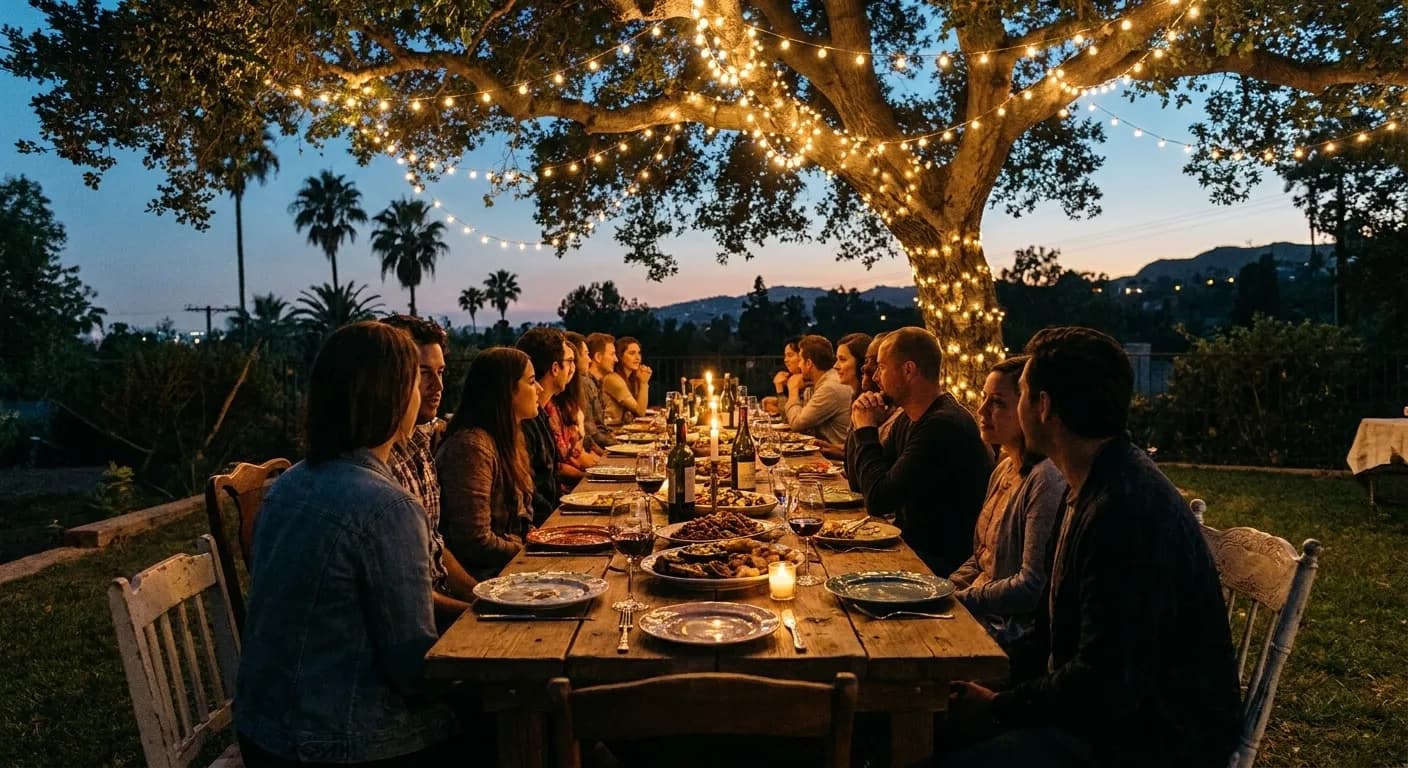
The next tier up is the ticketed dinner in a private space — a back yard, a rooftop, a studio, occasionally someone's actual house. These sell through a mailing list or an account, they cost meaningfully more, and they are the format where cooks do the ambitious thing they cannot sell at a bar.
The specific pleasure of these is the communal table. You are seated with strangers, the format forces conversation, and in a city where meeting people is genuinely difficult once you are past university age, that is worth as much as the food. For anyone new to Los Angeles, this is one of the more effective ways to end up with a social circle.
Beyond food
The pop-up logic extends across the culture here. Record shops and galleries host one-night shows. Vintage and design sellers run weekend markets in parking lots. Filmmakers screen work in warehouses. DJs run parties in spaces that are a venue for exactly one evening. Almost all of it is announced within a week of happening and almost none of it appears in a listings publication.
The flea and vintage markets sit at the organised end of this, running monthly on fixed dates, and they anchor the calendar for a lot of people. Around them there is a much larger informal layer of one-off sales and studio openings that operates entirely on word of mouth.
The music and club version
The same logic runs through nightlife. Promoters and DJ collectives here run parties in spaces rented for a single night — warehouses in the industrial east, roof decks, back lots, occasionally somewhere genuinely unlikely. These are announced late, the location is sometimes released only on the day, and the good ones have run for years without ever having a permanent home.
This is also where a lot of the city's electronic and underground music actually lives, since the permanent club infrastructure in Los Angeles is thinner than the size of the city would suggest. If that is the interest, the pop-up tier is not an alternative to the club scene here. It largely is the club scene, and it has been for years.
How to actually find out
There is no aggregator that works, and anyone claiming otherwise is selling something. What works is following the individual cooks, spaces and organisers directly, and treating a handful of specific accounts as your listings service. Two or three good ones will surface more than any general events page.
The other method is physical. Go to one thing, talk to whoever is running it, and ask what else is on. This scene is small and heavily interconnected — the people doing pop-ups all know each other, they cook at each other's events, and one conversation at a residency night will get you further than a month of searching. That is inconvenient if you want a list, and it is also precisely why the good ones stay good. A pop-up that becomes easy to find stops being a pop-up fairly quickly, either because it gets a lease or because it gets overwhelmed.
Tags: #LosAngeles #LAEvents #PopUp #SupperClub #BackyardDinner #FoodResidency #HighlandPark #LAFood #FleaMarket #SoCal #ThingsToDoLA #LANights #CityLife
All trademarks are the property of their respective owners.
Ask Karpo first
Ask Karpo which pop-ups and residencies near you in Los Angeles are running this week, whether they need tickets, and how early they sell out.