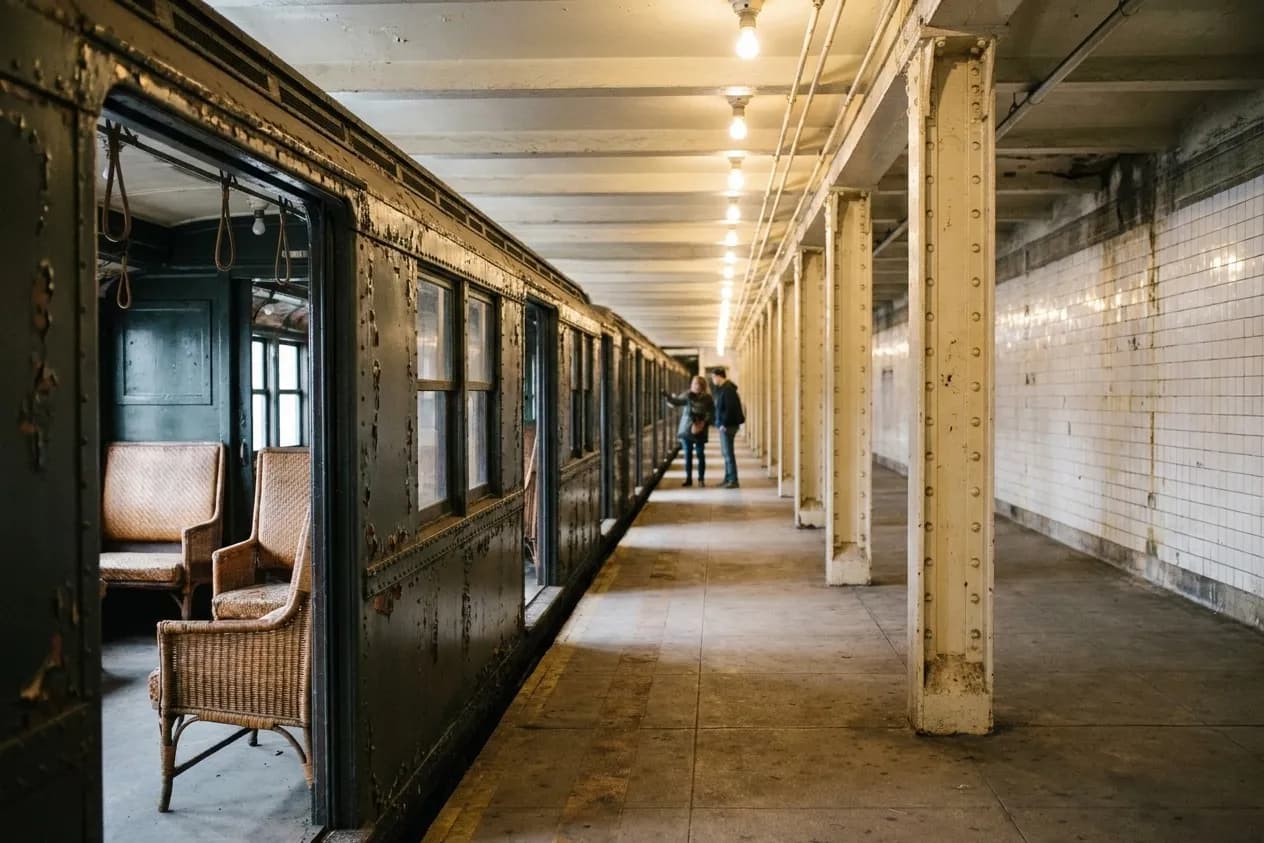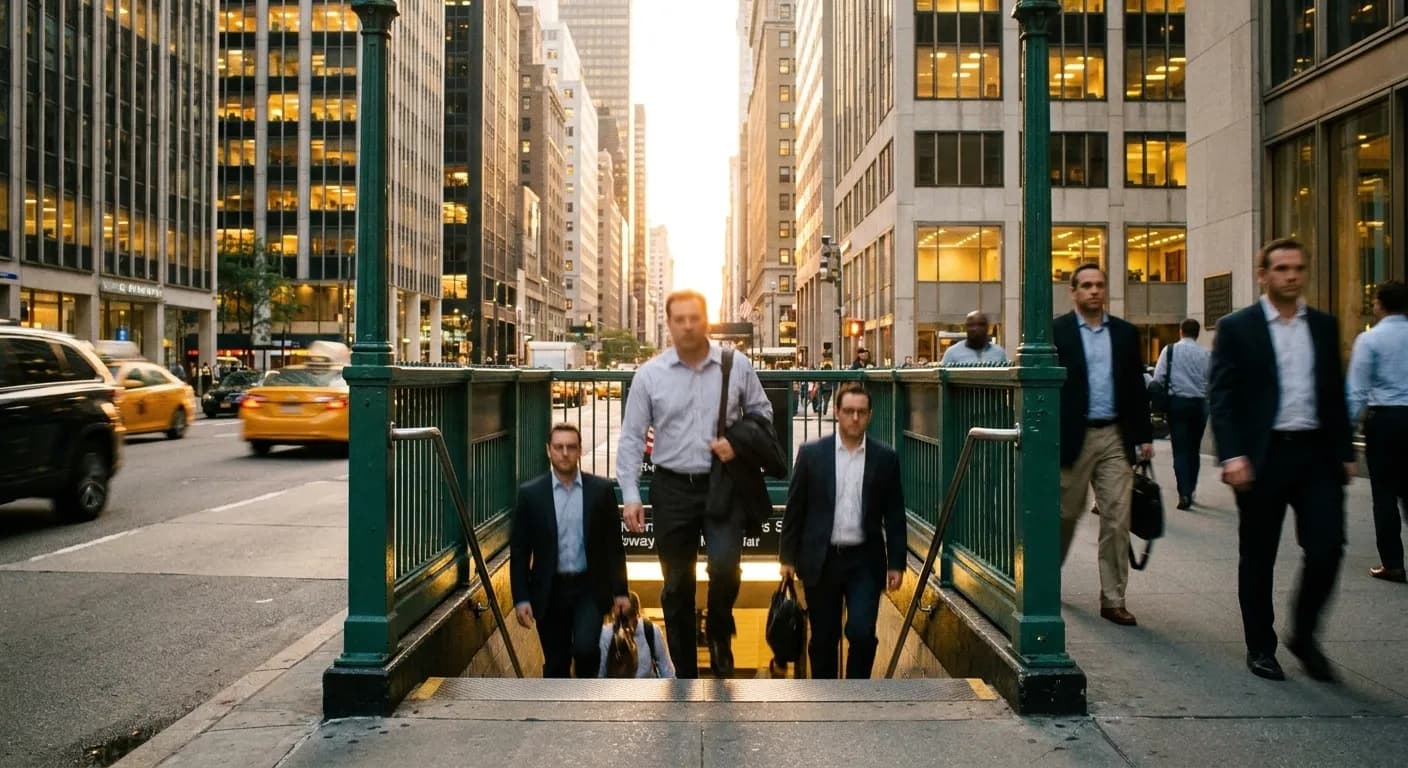
Dinner is the default first date because it requires no decisions, and it is also the format most likely to expose that two people have run out of things to say. A restaurant gives you a table, a menu and ninety minutes of uninterrupted conversation with nothing to look at. An event gives you something to have opinions about, a natural end time, and a walk afterwards during which the actual conversation happens. New York is unusually well supplied with the second kind. The trick is picking one at the right level of intensity.
The hard part of a good date in New York is not the idea, it is the sequencing — something that starts at a fixed time, somewhere to go afterwards that is a five-minute walk, and a fallback if the first thing sells out. Text Karpo the night and the neighbourhood and get a plan with all three, sized to how long you actually want to be out.
Low talking: something with a stage
A show is the safest structure for an early date because the middle of it requires nothing from either of you. Ninety minutes of not speaking, followed by a shared thing to react to, is a much lower-risk evening than ninety minutes of sustained conversation with a stranger.
Do it cheaply. Same-day rush programmes across New York release seats at nine in the morning through the TodayTix app, typically limited to two per person, and standing room is sold at box offices in person on the day. Two rush seats plus a walk afterwards is a better evening than most dinners and costs less than one of them.
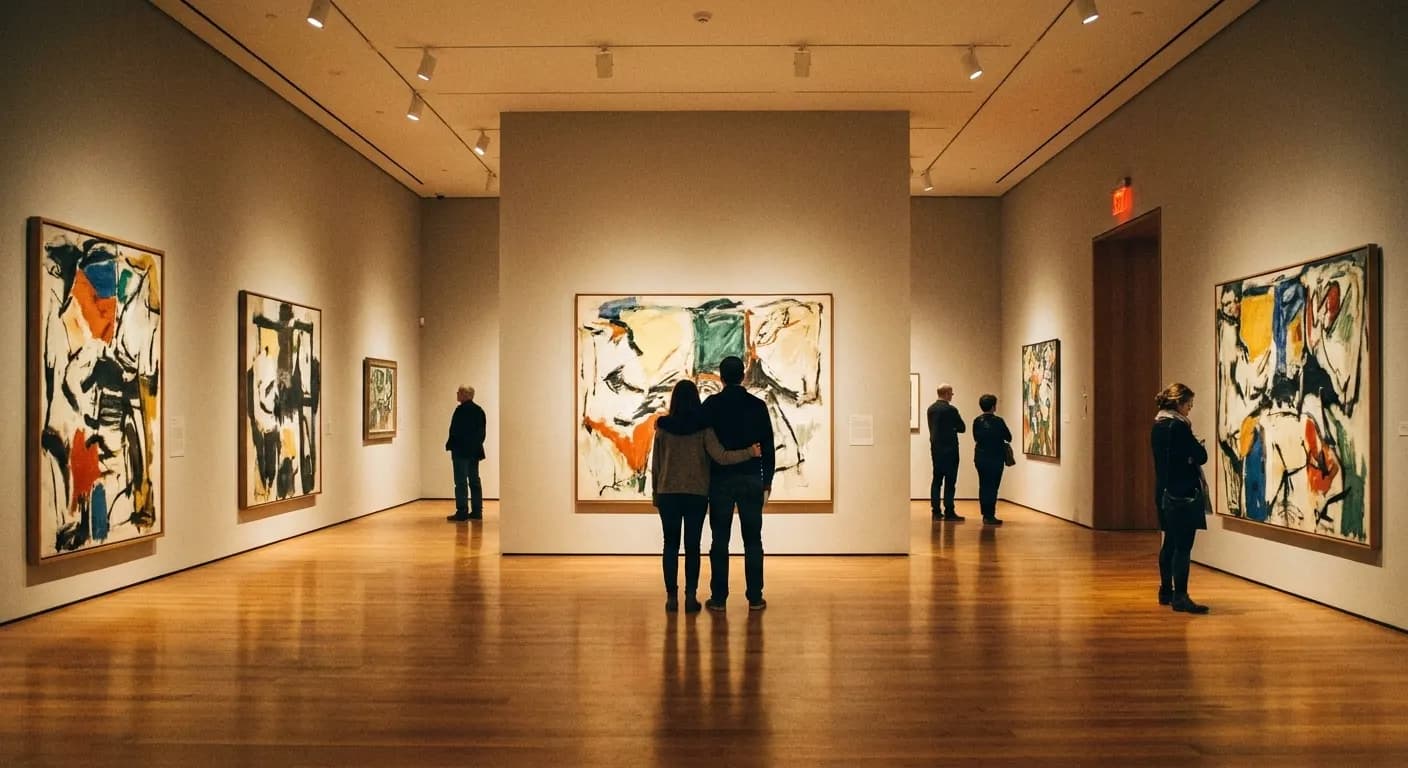
Medium talking: a museum in the evening
The evening opening is the most underrated date slot in this city. Museums that are unbearable at two in the afternoon are calm at seven, the crowd is adults rather than school groups, and the format solves the two structural problems of a first date at once: you walk side by side rather than sitting opposite, and you stop every few minutes at something that is not each other.
The tactical version: agree in advance to spend an hour, not three. A museum date that outstays its welcome ends with two tired people in a gift shop. One hour, one wing, and then somewhere nearby for a drink is the shape that works.
High energy: one set at a small room
Below about four hundred capacity, most New York venues hold back a chunk of the room for the door, which means a small gig is frequently available same-day when a restaurant is not. Turning up for the opener rather than the headliner gets you in without a queue and gives you a band neither of you chose, which is a better conversation afterwards than a band one of you did.
The thing to check is set times rather than door times. A door at eight and a headliner at eleven is a very long evening to commit to on a first date, and leaving between bands is entirely normal and slightly awkward to plan mid-evening rather than in advance.
The free options that do not read as cheap
New York's free programming is extensive and much of it is genuinely good — park concerts, lobby performances, library and institution events, gallery openings. The reason these work as dates is not the price; it is that they are low-stakes. If it is bad you leave after twenty minutes and go somewhere else, and nobody has spent eighty dollars on being disappointed.
The caveat is reservations. A significant share of free events here are free-with-RSVP and the window can close a day ahead, so a free thing you did not claim is a sold-out thing. Check for the word 'reserve' before you build the evening around it.
How to structure the evening
One fixed thing, one flexible thing, in that order. The fixed thing is the event, which starts at a specific time and gives the evening a spine. The flexible thing is what happens after — a bar, a walk, a slice — chosen on the night based on how it is going. Two fixed things is over-planning and it removes the ability to end early gracefully.
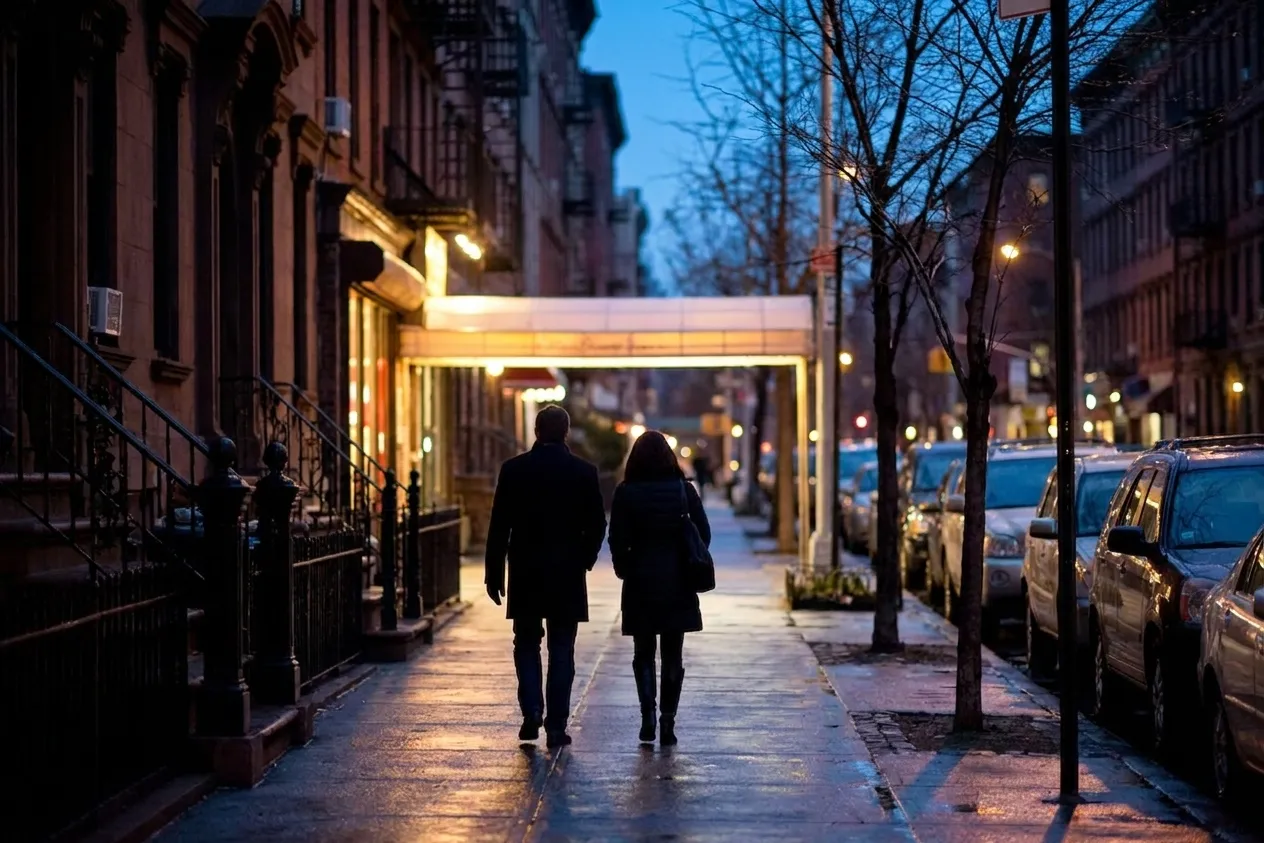
Pick the flexible thing to be within five minutes on foot of the fixed one, and know what it is before you leave the house. The single most common way a good date deflates is twenty minutes on a pavement looking at a phone.
The one rule that matters most
Have an exit and have an extension. An event with a defined end time gives you both: if it is going well, the walk afterwards extends naturally; if it is not, the evening has ended by itself and nobody had to construct a reason. A dinner reservation has neither property, which is precisely why it feels so heavy when it is not going well.
That is the entire argument for doing something rather than eating something. New York gives you a thousand events a night with a start and a finish attached to them, and any one of them is a better container for meeting someone than a table for two and a bread basket.
Tags: #eventsinnyc #datenightnyc #nycdateideas #couples #museumlate #livemusicnyc #nyceveningplans #manhattan #brooklyn #cheapdate #nycculture #weekendplans #thingstodonyc #nightout
All trademarks are the property of their respective owners.
Ask Karpo first
A date built around one event and one short walk works better than a two-hour dinner, but it requires knowing what starts when and what is open afterwards nearby. Ask Karpo what is on tonight near where you are meeting, how long it runs, and where you can go afterwards that is five minutes away and open late.