
Los Angeles can turn a simple dinner plan into a cross-town commitment, so treat the current interest in evan phillips as a conversation starter, not as proof of a sighting, event, endorsement, or insider access. The useful move is verification: pick a dining area, check the restaurant’s own information, review public health resources when relevant, and use Metro tools before you leave. LA Tourism describes the city’s dining scene as stretching from street food to Michelin-starred restaurants, with global cuisines, sleek dining rooms, casual oceanfront patios, celebrity recommendations, and local hidden gems. That range is the point—and the risk. Too many choices can waste the evening unless you build a plan with timing, transit, access checks, crowd risk, and a backup.
Want a tighter dinner plan before you cross town? Text Karpo with your neighborhood, group size, food mood, and transit preference, and ask for a verified first stop plus backup.

Use the trend as a dinner conversation hook
If someone at the table brings up evan phillips, keep it as a harmless opener and do not build the night around an unverified celebrity premise. A good Los Angeles plan should stand on public facts: where you are starting, what kind of room the group can tolerate, whether the venue has current information posted, and how hard it will be to leave if the first choice is crowded.
That skeptical approach matters in a city where restaurant buzz travels faster than practical details. LA Tourism’s official dining page frames Los Angeles as one of the country’s most dynamic dining scenes, from street food to Michelin-starred restaurants. It also points readers toward restaurant guides, Koreatown information, iconic dishes, KBBQ, tacos, pizza, vegan brunches, coffee and dessert in K-Town, family-friendly dining, romantic restaurants, and group dining resources. Use those official categories to narrow the night before you start scrolling.
The cleanest plan is simple: choose a district, identify one primary stop, check the venue’s own current hours and access notes, then pick a second place close enough that the group will actually walk or ride there. Do not assume a dining room is open, taking walk-ins, offering a specific menu, or tied to any trending name unless the official source says so.
Choose the room before choosing the menu
In Los Angeles, the room can matter as much as the food. LA Tourism describes options ranging from sleek, modern dining rooms to casual oceanfront patios. That distinction should guide the plan before anyone argues about cuisine. A quiet birthday meal, a quick post-work bite, a date, and a family dinner do not need the same room, the same parking tolerance, or the same wait-time risk.
For a group, start with the friction points: seating, noise, access, and how flexible everyone is if the first plan fails. LA Tourism lists group dining among its restaurant resources, which is a cue to think beyond the menu. If the group includes visitors, people using transit, or anyone with mobility needs, verify the restaurant’s own current access information and route details before leaving. Official tourism pages can help you choose a category; the venue’s own page should answer the night-of questions.
A strong Los Angeles restaurant plan also separates aspiration from execution. It is fine to want an iconic dish, a KBBQ table, tacos, pizza, vegan brunch, or coffee and dessert in K-Town. It is not fine to discover at the door that your chosen place has different hours, a private booking, a long line, or a seating setup that does not work for the group.
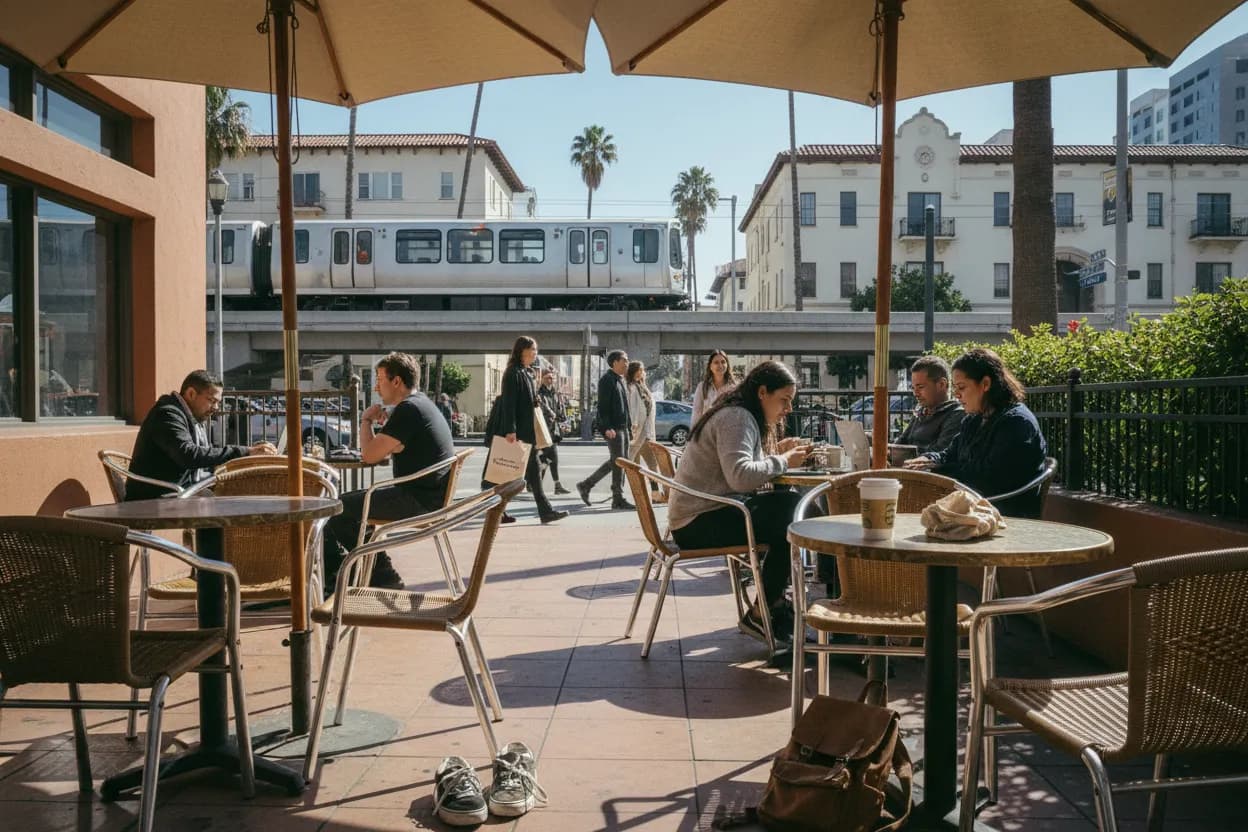
Match the market or hall to the group
Food halls, market-style stops, and casual restaurant clusters can work well when the group cannot agree, but they still need verification. LA’s official dining materials emphasize the breadth of global cuisines, and that breadth is useful when one person wants something quick, another wants a sit-down meal, and someone else only wants dessert. The practical question is not whether Los Angeles has options; it is whether your chosen location has the right options at the time you plan to arrive.
Use a market or hall when flexibility matters more than a single destination. It can reduce menu conflict, make a backup easier, and keep the night from depending on one kitchen. But do not treat flexible formats as friction-free. Vendor hours can vary, popular counters can draw lines, and the option that looked perfect online may not be operating when your group arrives. Check the official page for the venue and, when available, the individual vendor information.
For risk control, assign roles before departure. One person checks the venue page, another checks transit, and another chooses the backup. That may sound excessive, but it prevents the classic LA problem: five people standing on a sidewalk, hungry, with everyone searching a different app and nobody making a decision.
Keep the first stop easy to reach
Metro should be part of the plan, even if you are not sure the whole trip will be transit-only. The official Metro site provides arrivals, a Trip Planner, alerts, maps and schedules, and the official LA Metro app with real-time arrivals, step-by-step directions, and service alerts. Those are the right tools for deciding whether a restaurant district is realistic from your starting point.
Build the first stop around the easiest confirmed route, not the most exciting thumbnail. Metro also notes that riders can pay fare with a credit or debit card in plastic or digital form by tapping on bus or at train stations. If someone in the group qualifies for local programs, Metro says LA County residents can enjoy 20 free rides every month through the LIFE program and should check eligibility and sign up online.
Current station and service context can change, so verify close to departure. Metro’s site highlights new D Line Extension stations at La Brea, Fairfax, and La Cienega connecting Mid-Wilshire with Koreatown and Downtown LA. That may make some dinner plans easier, but only if the live route, alerts, walking distance, and return trip work for your actual night.
Save a nearby option for long waits
A backup is not a sign that the first restaurant is weak; it is how locals keep a night from collapsing. Los Angeles dining demand can shift with weekends, weather, events, neighborhood buzz, and online attention. The safest backup is not the most famous alternative. It is the nearby option your group can reach without another long debate.
Choose the backup while everyone is still calm. It should match the same general mood: casual if the first stop is casual, group-friendly if the first stop is group-friendly, dessert-capable if the night is likely to extend. If the first choice is a restaurant in a busy dining district, pick a second place in the same area or along the same Metro route. If the first choice is a market or hall, identify another vendor or nearby category that would still satisfy the group.
Do not promise the backup will be open, uncrowded, or available. Verify it the same way you verify the first stop. Check the official venue or restaurant page, look for current access notes, and make sure the route home still works. A backup that requires a complicated transfer, a long walk, or another uncertain wait is just a second problem.
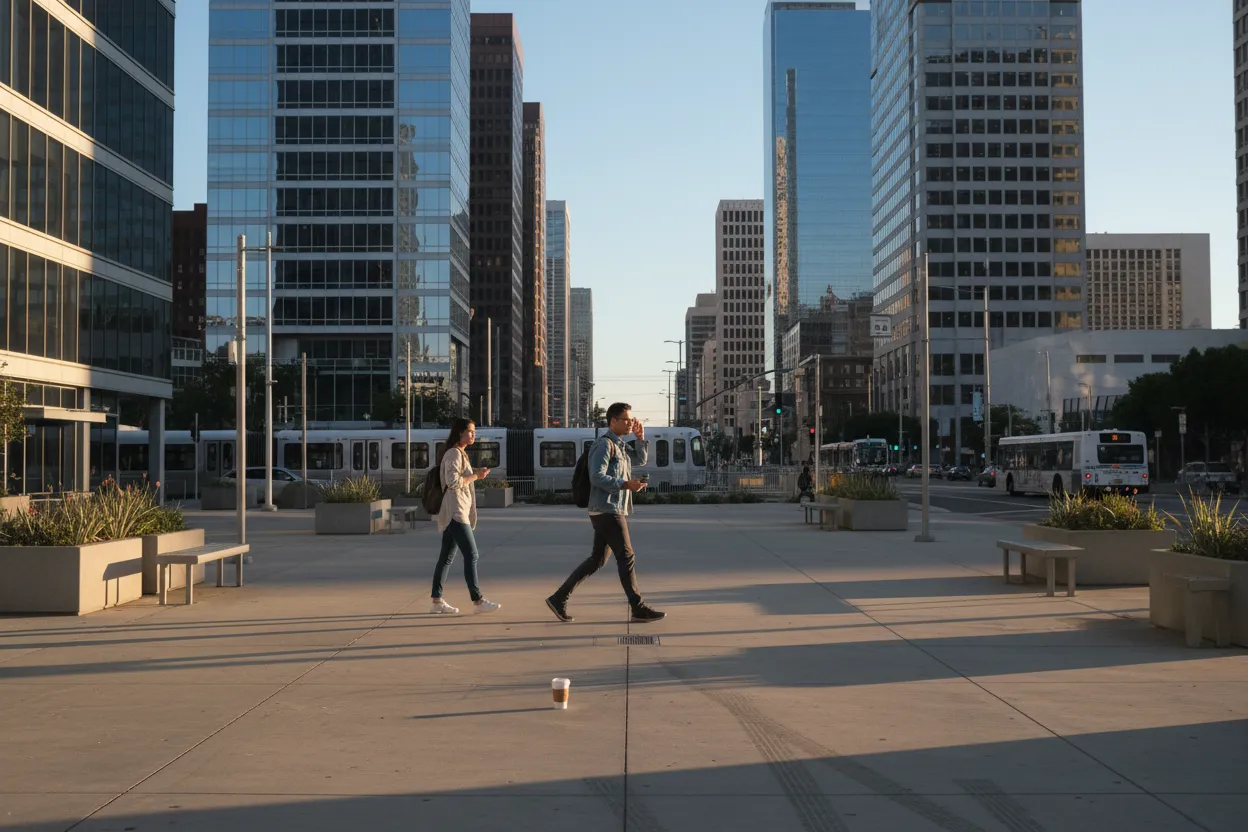
Verify vendor hours before leaving
The last check should happen before anyone leaves home, the hotel, or the office. Confirm the restaurant or vendor’s current hours on its official page when available. If a venue is inside a larger market, hall, hotel, museum, or other property, verify both the property context and the individual food operator. Do not rely on old screenshots or reposted menus for a same-day plan.
For food safety and public information, Los Angeles County Public Health’s Environmental Health division says its mission is to assess environmental conditions, reduce exposure to health risks, and educate the public so people can protect themselves, their families, and their communities. Its official site includes food businesses, food safety resources and guidance, inspection results, consumer alerts, and a complaint option. The listed Environmental Health customer service phone number is 1-888-700-9995, Monday through Friday, 8:00am to 5:00pm.
The practical sequence is: confirm hours, scan access details, check Metro alerts, save the backup, then leave. If any key detail is missing or stale, treat that as a warning rather than a challenge. Los Angeles rewards flexible diners, but it punishes vague plans. Verification is the difference between a good local night and a hungry cross-town errand.
Tags: #AskKarpo #BeforeYouGo #LosAngeles #LARestaurants #LADining #Restaurants #LAMetro #FoodSafety #LocalGuide #CityGuide #KoreatownLA #GroupDining #DinnerPlans #VerifyFirst
Sources consulted: discoverlosangeles.com · publichealth.lacounty.gov · metro.net
All trademarks are the property of their respective owners.
Ask Karpo first
Ask Karpo first when a Los Angeles dinner plan depends on timing, transit, or a trending name. Send the neighborhood, date, group size, mobility needs, and preferred cuisine, and ask for a verified route, a realistic first stop, and a nearby backup before you go.


