
For Ethiopian New Yorkers searching “ethiopia temporary protected status blocked,” the useful question is what can be verified today and what should wait for legal review. DHS published a Federal Register termination notice for Ethiopia TPS effective February 13, 2026, while later public guidance from reputable legal and government sources points to court-stay uncertainty. On July 27, 2026, treat the issue as active and document-sensitive, not as settled neighborhood news. Families, employers, students, caregivers, and community organizers should start with current official pages, then move through trusted NYC legal-help channels before changing work plans, travel, IDs, leases, school paperwork, or immigration filings.
Want a calmer route through today’s TPS confusion? Text Karpo for an NYC-focused checklist of verified Ethiopian community contacts, legal-help doors, and documents to confirm before acting.

Use ECMAA as the Ethiopian Community Starting Point
The Ethiopian Community Mutual Assistance Association says it serves the Ethiopian community in the New York tri-state area and has supported cultural, educational, referral, employment, emergency, and immigration-counseling work. That makes ECMAA a logical first community call for orientation, especially when relatives are forwarding conflicting messages. Use it to ask what resource sessions, referrals, or trusted announcements are active now, while keeping legal conclusions separate from community support.
The limitation is important. ECMAA’s public site confirms its community role, but it does not provide a live TPS clinic schedule or guaranteed walk-in legal intake. Do not cross boroughs assuming same-day advice is available. Call or message first, note who responded, and ask whether any referral is to a licensed attorney, accredited representative, city-funded provider, or general community volunteer.
Call MOIA Before Choosing a Legal Provider
NYC’s Mayor’s Office of Immigrant Affairs lists the Immigration Legal Support Hotline at 800-354-0365, with 311 as a backup by saying “Immigration Legal.” The city describes the hotline as free and safe, and says it can answer immigration policy questions and explain how to find city-funded legal help. For Ethiopian TPS households, this is the cleanest triage step when borough, language, income eligibility, or urgency matters.
The tradeoff is scheduling. MOIA states that the hotline does not directly book legal appointments, and some providers may have income limits. Call with the TPS holder present if possible, keep the A-number, work permit, receipt notices, and court papers nearby, and ask specifically for providers handling TPS, employment authorization, employer questions, travel risk, or removal-history concerns.

Check African Services Committee for TPS Intake
African Services Committee in Harlem provides free immigration legal services to eligible New Yorkers and lists TPS, work permits, DACA renewals, green cards, citizenship, FOIA requests, and some humanitarian cases among its service areas. Its public legal page lists 429 West 127th Street, New York, NY, and phone contact at 212-222-3882. For African immigrant communities, it is one of the most directly relevant nonprofit legal stops in the city.
Plan around intake and capacity, not hope. African Services asks people requesting legal help to use its legal intake form, and its page notes certain case types are subject to capacity. Gather TPS approvals, EADs, passports, I-797 notices, prior filings, court documents, address history, and employer letters before contacting them. Also confirm current office availability, since the site posts seasonal Friday closures until after Labor Day.
Separate Federal TPS Status From Neighborhood Interpretation
The federal picture is layered. DHS’s Ethiopia TPS termination notice gave an effective date, but later reputable public guidance has described termination as temporarily paused while court issues continue. SSA’s employment-authorization guidance also reinforces that DHS documents control work authorization and that the most recent DHS evidence can matter. That means a screenshot from February, a social post, or a forwarded message is not enough for a July 27, 2026 decision.
The practical move is to build a same-day source trail. Check the USCIS country or TPS pages if available, compare with a reputable legal update such as IRAP, and then ask a qualified provider how those materials apply to the person’s exact document set. If the facts conflict, pause. The document in hand, category code, expiration language, and pending application history can change the answer.
Map the Trip Only After Intake Is Confirmed
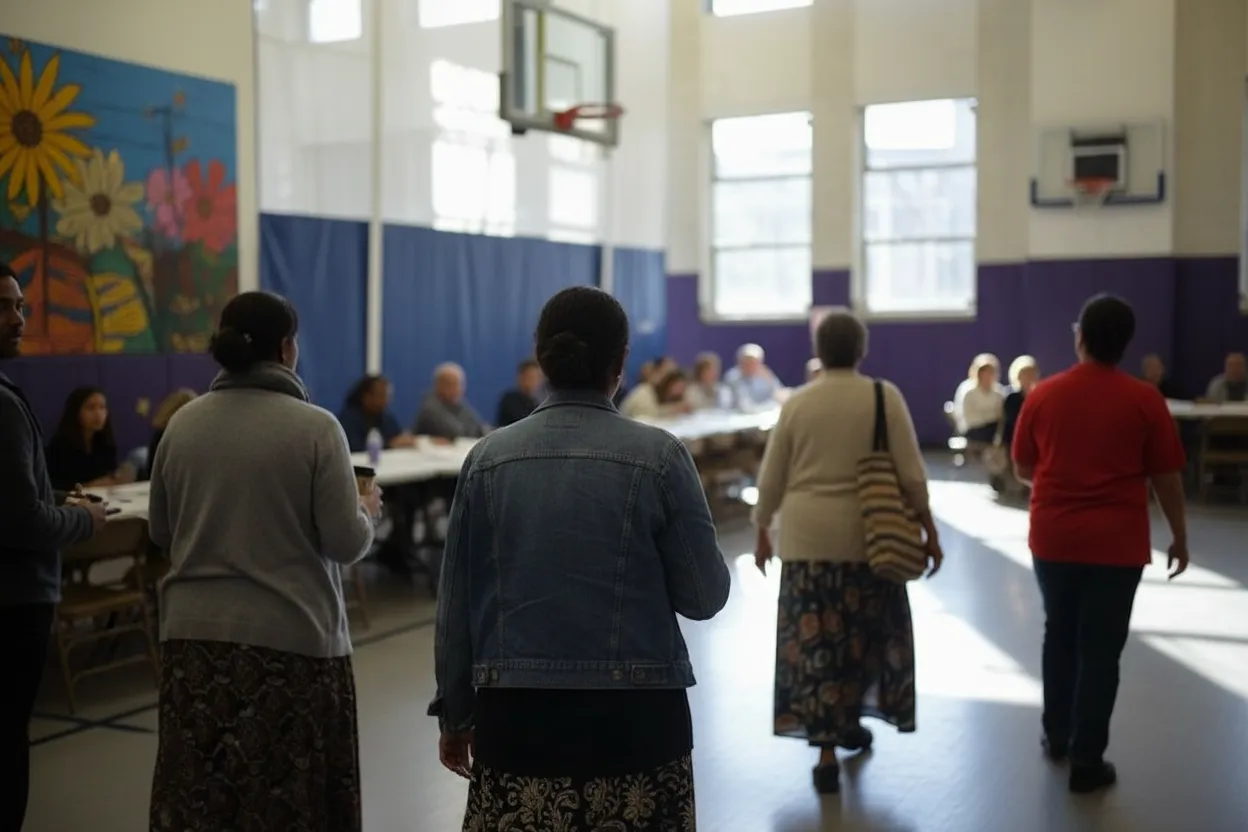
Most NYC resource routes are transit-friendly, but an easy train ride can still waste a day if the provider cannot see you. African Services is in West Harlem; MOIA may route callers to providers across boroughs; ECMAA serves a broader tri-state community. Before leaving, confirm whether help is by phone, online form, appointment, remote consultation, or in-person intake. That matters for elders, parents with children, and workers using limited leave.
Accessibility should be asked about directly. Confirm elevator access, waiting conditions, language support, document scanning, and privacy for sensitive legal histories. If weather, illness, caregiving, or work schedules make travel hard, start with phone triage and online intake. If a provider is full, ask for the next available slot and one alternate referral, then write down the date, time, and person who answered.
Protect Work, School, Housing, and ID Records
For many households, the immediate risk is practical disruption: payroll questions, school paperwork, leases, benefits, bank records, driver or city ID renewals, and employer reverification. TPS holders should organize EADs showing A-12 or C-19 categories, approval notices, USCIS receipts, passports, tax records, prior addresses, and any employer communication. Keep originals secure and use copies for first calls unless a provider asks for originals.
Avoid rushed middlemen. NYC’s legal-resource pages point residents toward trusted free and safe legal help, and MOIA also links to immigration-fraud prevention resources. Do not pay anyone promising a guaranteed fix, a special shortcut, or an inside answer. For employer pressure, ask a legal provider whether the response should reference USCIS, E-Verify, SAVE, or document-extension language before handing HR an informal explanation.
Do the Final Same-Day Verification Before Acting
The final step belongs on the day you act, not a week earlier. Reopen the official or primary federal page you are relying on, review a trusted legal-aid update, and call the provider or hotline handling your next step. Ask what source controls the decision: USCIS notice, court stay, EAD category, receipt notice, employer rule, or individual case history. Save the links or screenshots with the date visible.
Go ahead only if you have a confirmed intake route, document packet, travel plan, and a specific question. Skip or reschedule if the plan is simply to show up somewhere because the news feels urgent. Community meetings can help with support and referrals, but legal decisions should rest on verified documents and qualified advice. The best outcome today is a written record of what was checked and what remains unresolved.
Tags: #EthiopiaTPS #NYCImmigrants #EthiopianNYC #ImmigrationLegalHelp #MOIA #AfricanServicesCommittee #ECMAA #WorkPermit #KnowYourRights #CommunityResources #NYCNews #TPSUpdate #AskKarpo #BeforeYouGo
Sources consulted: Source 1: nyc.gov · Source 2: ecmaany.org · Source 3: africanservices.org · Source 4: secure.ssa.gov · Source 5: support.iraplegalinfo.org
All trademarks are the property of their respective owners.
Ask Karpo first
Tell Karpo your date, group size, budget, and starting neighborhood. We’ll check current access, timing, transit, and the cleanest plan for Ethiopian Community Center in NYC before you head out.