If the phrase estados unidos sub-20 - méxico sub-20 sent you looking for something to do in San Francisco today, treat it as a useful nudge rather than proof of a local event. There is no need to chase a rumor, assume an appearance, or build your day around an unverified watch party. A better plan is simpler: choose a genuinely public, no-ticket outing; check the official city and transportation pages before leaving; and keep the route short enough to change if access, weather, or crowd pressure shifts. On Monday, August 10, 2026, the smartest free-things-to-do strategy in San Francisco is verification first, hype second, and a backup choice ready before you step onto Muni or start walking.
Want a free San Francisco plan that does not depend on rumor or last-minute hype? Text Karpo before you go and ask for a verified route, access check, and backup idea.

Turn current interest into a genuinely free outing
A timely search term can be a good reason to leave the house, but it should not become the reason you believe something is happening. For estados unidos sub-20 - méxico sub-20, use the attention around the phrase as a prompt to plan your own public San Francisco outing, not as evidence of a local appearance, official affiliation, broadcast access, or guaranteed gathering. That distinction matters because a free afternoon can become frustrating quickly if it depends on an unconfirmed claim.
Start by defining what “free” means for your day. The activity itself should not require a ticket, private invitation, purchase, or reservation unless an official page clearly says otherwise. Transportation may still involve cost depending on how you travel, so plan the outing around a compact area where walking, biking, or a short Muni trip can connect the pieces. SFMTA’s official site points visitors to Muni routes and stops, transit maps, trip planning, accessibility information, and travel updates; that is the practical backbone of the day.
Start with public access rather than a promoted event
The safest structure is to pick a public place first and only then look for anything optional nearby. For this article’s scope, avoid treating a bar flyer, reposted graphic, or social clip as a source of truth. If a park, plaza, street space, civic area, or public facility is part of your route, confirm the access rules on the official page that manages it. The San Francisco Recreation and Park Department site should be checked directly for changing park and facility details, especially when timing matters.
Use SFMTA before you choose the final route. Its Trip Planner allows a starting point, ending point, and travel mode choices including Muni, bike, walk, drive, and parking-related options. Its official navigation also separates Muni routes and stops, visitor transportation guidance, neighborhood information, travel maps, accessibility, alerts, and transit updates. That does not guarantee a smooth trip, but it gives you a live place to test whether your no-ticket idea is actually reachable today.
If you are trying to keep the outing free, resist the temptation to add a paid attraction just because it is nearby. Build the plan around what you can verify: public access, walkable distance, transit feasibility, and a clear exit route. A promoted event may be enjoyable, but it belongs in the plan only after you confirm its official details.
Build a short route around one strong anchor
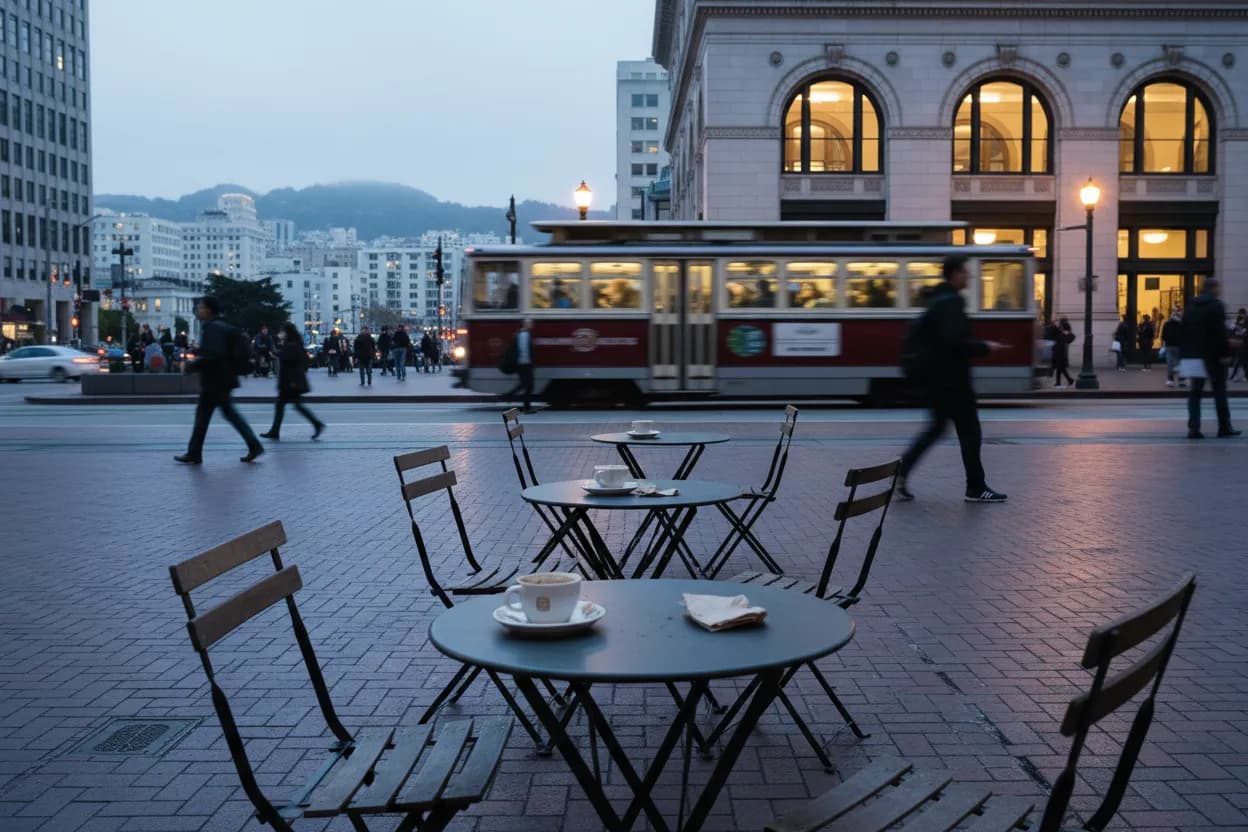
Choose one anchor and keep it modest. A good San Francisco free outing might be a public outdoor stop confirmed on an official page, followed by a walk through nearby streets and a second public-access option if time allows. Do not stack the day with four distant neighborhoods. Hills, transfer points, service alerts, and crowd pockets can make a route feel longer than it looks on a map.
Use SFMTA’s route and stop tools to test the trip in both directions. Check the outbound plan before you leave and the return plan before you commit to the second stop. SFMTA’s site also highlights current alerts and travel updates; those can change the value of a route quickly. The official extract shows, for example, that alerts can include reroutes around specific intersections because of emergency activity, which is exactly the kind of detail a casual itinerary misses.
For a simple execution model, set a ninety-minute to two-hour window for the anchor, then decide whether to continue. If the first location is too crowded, too windy, closed, or harder to reach than expected, you have not lost the whole day. You simply switch to the backup public option already checked before departure.
Use weather and crowd pressure as decision points
San Francisco plans should be flexible even when nothing dramatic is happening. Weather can change the feel of an outdoor route, and crowd pressure can rise around major city happenings, weekend programming, shared streets, or neighborhood activity. Do not assume that a free place will feel easy just because it has no ticket booth. A public space can still be crowded, windy, noisy, or slow to reach.
Before leaving, check the official transportation picture. SFMTA publishes travel and transit updates, alerts, Muni Metro elevator status, route information, and service-change notices. The current official extract also notes summer-related transportation messaging and that Muni service changes start August 29, so readers planning beyond today should recheck rather than reuse an old route. For August 2026, SFMTA also lists Hayes Valley Shared Spaces on Fridays and Saturdays, which is a reminder that street conditions and neighborhood patterns can vary by date.
Set two thresholds in advance. First, if the trip to the anchor becomes materially longer because of a reroute, skip the second stop. Second, if the anchor is crowded enough that you cannot enjoy it without squeezing through people, leave early and use the backup. Free time is still valuable; do not spend it proving a weak plan right.
Know when free still requires registration
“Free” and “walk-up” are not the same thing. Some public programs, civic activities, meetings, tours, or facility-based offerings may cost nothing but still require registration, a timed entry process, capacity control, or a change in access rules. Do not infer availability from the word free. Verify the official page for the specific place or program and look for registration, capacity, time, location, accessibility, and cancellation notes.
This is especially important when a current search hook makes people move quickly. A phrase such as estados unidos sub-20 - méxico sub-20 can create urgency, but urgency is not verification. If your plan depends on watching, gathering, or entering a managed space, find the managing organization’s official page before you go. If the official page does not confirm the detail, treat it as unconfirmed.
For city movement, SFMTA is the source to check for getting around, not a substitute for a venue or park access page. Use it to confirm routes, stops, trip options, accessibility links, alerts, and travel updates. Use the relevant official site for the destination itself. Keeping those roles separate prevents a common mistake: finding a bus route to a place and assuming that means the place is open, free, or available.
Recheck access on the day
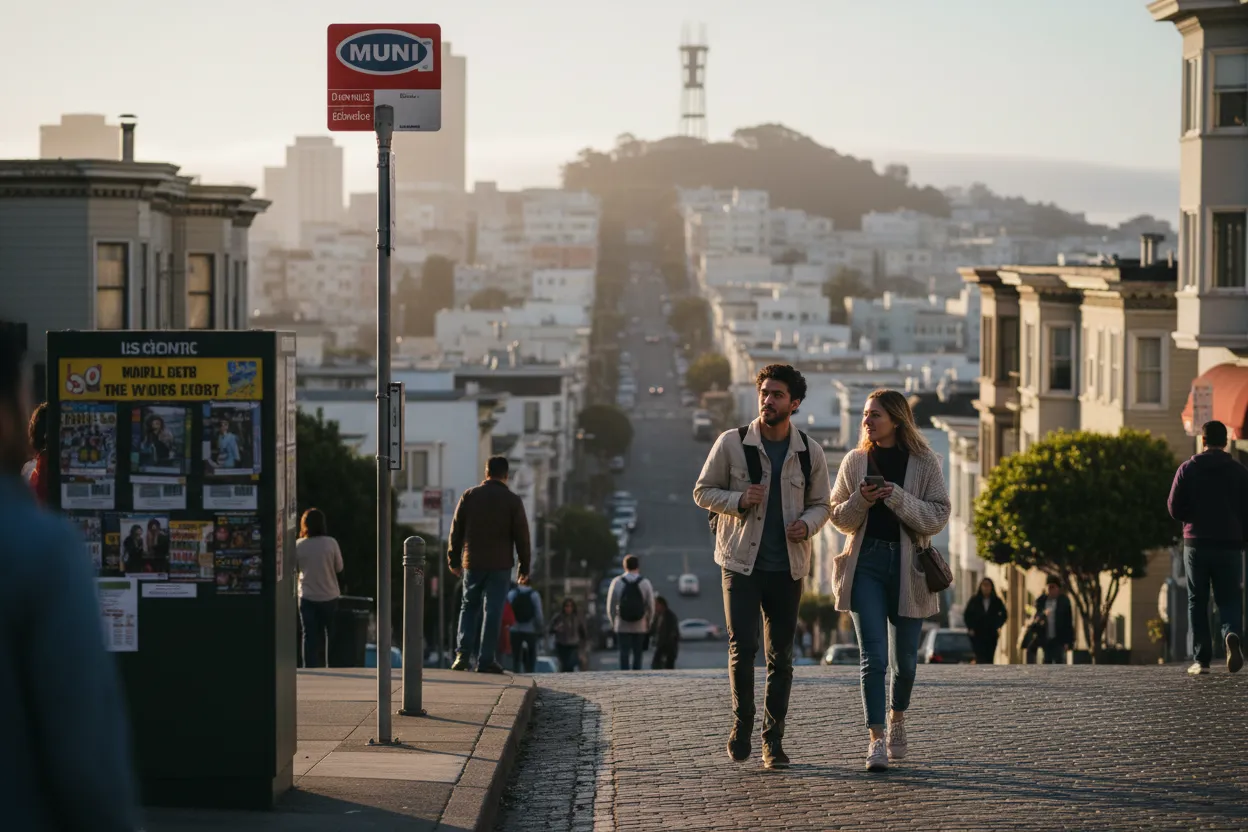
Do the final check close to departure, not the night before. Open SFMTA for current alerts, route status, trip planning, and any travel updates that affect your path. If your route includes an elevator-dependent station or stop, use SFMTA’s elevator status information before committing. If you need help, SFMTA lists 311 for San Francisco service assistance, an outside-San-Francisco phone number, TTY access, 511 regional information, and free language assistance.
Then recheck the destination’s official page. For Recreation and Park locations or facilities, verify changing details directly with the department’s official site. If a page is unavailable, inconclusive, or slow to load, do not fill the gap with wishful thinking. Choose a simpler public alternative with clearer access information. The best free plan is the one you can actually execute without arguing with a locked gate, a closure notice, or a rumor.
Your backup should be close, public, and easy to abandon. Put it on the same transit line, the same walking corridor, or a short bike connection whenever possible. If both the anchor and backup become uncertain, make the outing a transit-light neighborhood walk and save the more specific idea for another day. That is not a failed plan; it is a verification-first San Francisco plan working as designed.
Tags: #SanFrancisco #FreeThingsToDo #AskKarpo #BeforeYouGo #SFMTA #Muni #SFTransit #CityGuide #PublicAccess #NoTicketPlans #SFWeekend #TravelSmart #BayArea #VerifyFirst
Sources consulted: sftravel.com · sfmta.com · sfrecpark.org
All trademarks are the property of their respective owners.
Ask Karpo first
Ask Karpo first before you turn a hot search into a San Francisco plan. Share your starting point, time window, mobility needs, and whether you want walking, Muni, biking, or a low-crowd backup, and Karpo can help you check the right official pages before you go.