Interest in emily wilson is easy to understand: her Homer translations sit at the intersection of literature, theater, film chatter, classroom reading, and serious curiosity. In New York City, the practical question is not whether her books matter; it is how to get them without buying a copy or guessing which branch has one. Start with the New York Public Library system, especially if you live, work, study, or pay property taxes in New York State and can qualify for a free card. Then use Brooklyn Public Library and Queens Public Library as backup systems, because demand, holds, formats, and pickup locations can shift quickly when a translator becomes part of the day’s conversation.
Want the fastest library route before you leave home? Text Karpo with your borough, format preference, and pickup window, and we’ll help compare NYPL, Brooklyn, and Queens options.

Search NYPL First for The Odyssey and The Iliad
NYPL should be the first stop for most Manhattan, Bronx, and Staten Island readers because it combines circulating branches, research collections, digital borrowing, and staff help under one account. Search by Emily Wilson as translator, not just by Homer, because catalog records can separate author, editor, and translator fields. Her Odyssey and Iliad may appear in hardcover, paperback, ebook, audiobook, large-print-adjacent classroom editions, or Norton Critical Edition records, so scan format lines before placing a hold.
The main failure mode is assuming a catalog result means same-day pickup. A copy can be on shelf, in transit, reference-only, already requested, or held at a branch that is awkward for your day. Treat the catalog as a decision screen: if you need the book today, filter for available physical copies near your route; if timing is flexible, place a hold and choose a pickup branch you actually pass during normal errands.
Use a Free NYPL Card Before You Browse Holds
NYPL states that people who live, work, attend school, or pay property taxes in New York State are eligible for a free library card. That matters because a card turns a search into a hold, renewal, ebook, or audiobook option. If you are visiting from outside New York, do not assume borrowing privileges are automatic; use the official card page or ask staff before building a plan around a checkout.
For a low-friction day, apply or confirm account access before going to a branch. Bring identification and proof details if you expect to complete registration in person, because a missing account step can turn a simple pickup into a reading-room-only visit. The best pacing is to do the account check first, then search formats, then choose whether Midtown, a neighborhood branch, or a digital loan is the least annoying path.
Visit the Schwarzman Building for Research, Not Casual Checkout
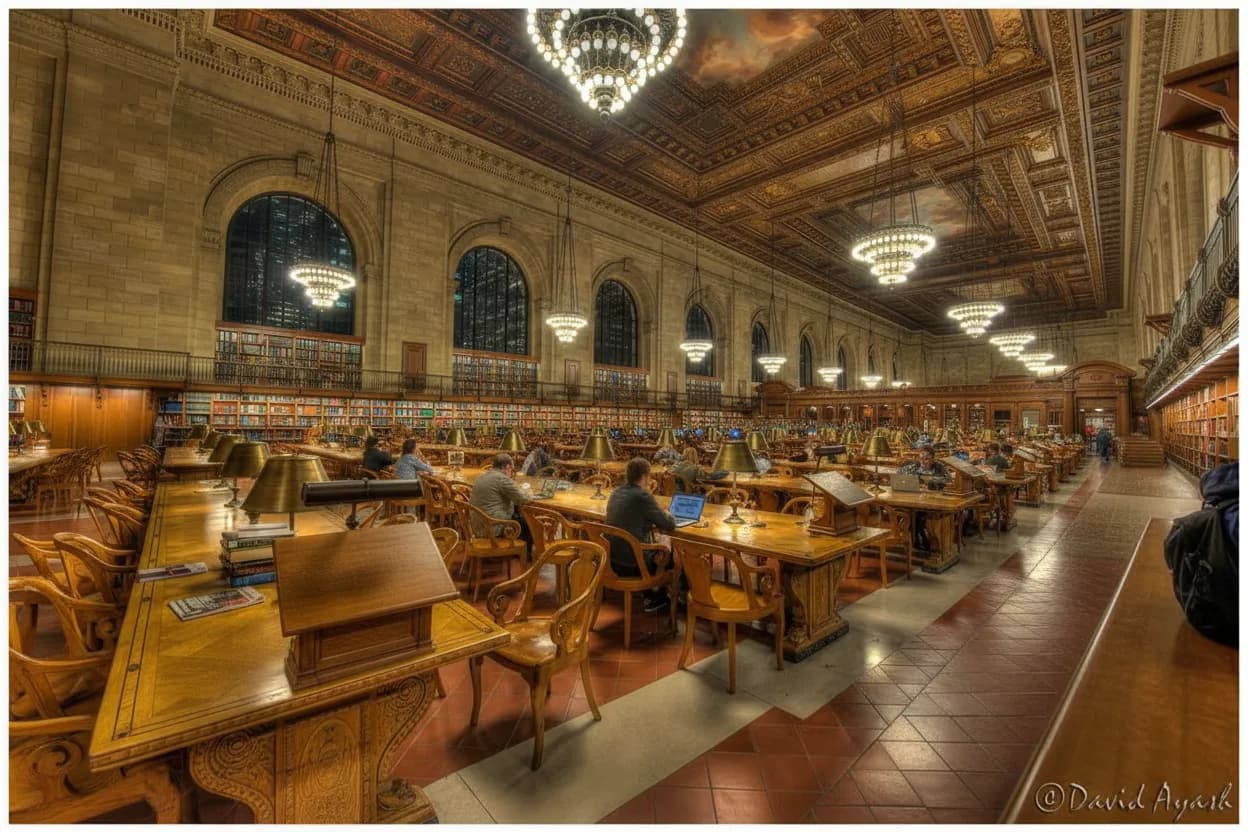
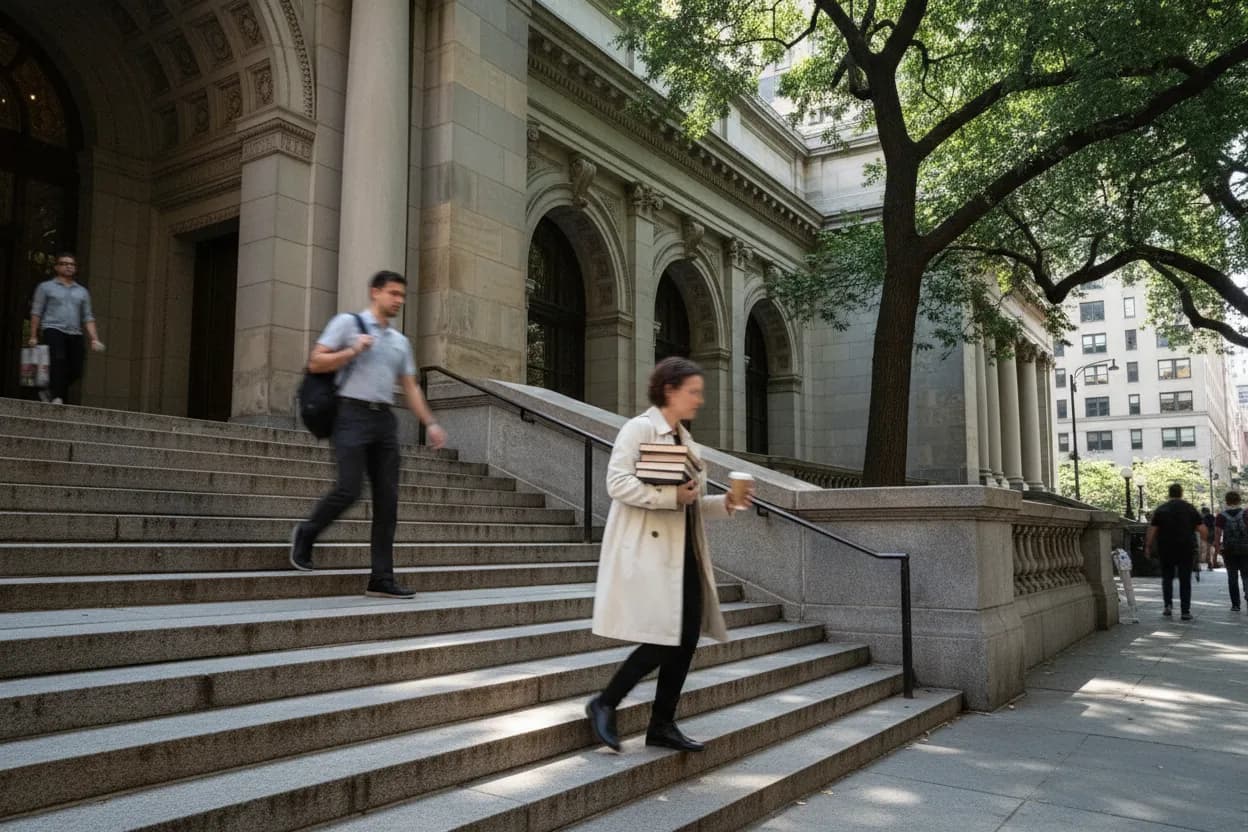
The Stephen A. Schwarzman Building at Fifth Avenue and 42nd Street is NYPL’s flagship research setting, with humanities and social sciences collections and public service spaces. It is useful if you want the context around Homer, translation, classical reception, or criticism, not merely the fastest circulating copy. NYPL lists the building as fully accessible, with accessible entrances at 40th Street and 42nd Street and elevators reaching public levels.
The tradeoff is that the Schwarzman Building can be slower than a neighborhood branch for ordinary borrowing. Some materials may be non-circulating, delivered to reading rooms, or governed by research procedures. Also check the official location page before leaving, because NYPL notes ongoing Midtown renovation work and possible disruption. If your goal is to read Wilson on the subway tonight, a branch hold or digital loan will usually beat a research-library detour.
Check the General Research Division for Deeper Homer Context
If the Wilson search becomes more than a quick checkout, the General Research Division inside the Schwarzman Building is the serious next layer. NYPL describes it as a central research hub with humanities and social sciences holdings, including literary and scholarly works in hundreds of languages. That makes it a strong fit for readers comparing Wilson’s translation choices with older Homer translations, criticism, or ancient-literature guides.
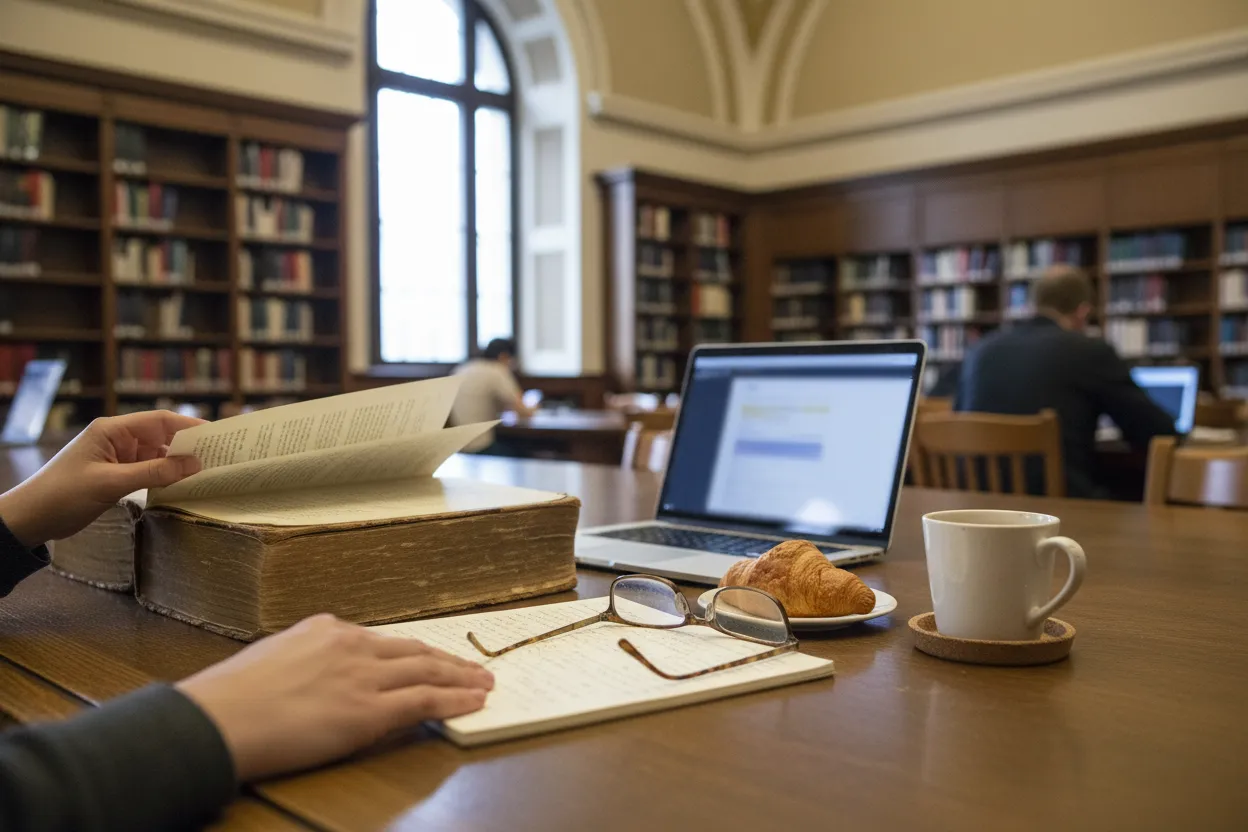
Use this option when you have a daytime research window and can tolerate slower handling. Bring a laptop or notebook, confirm room hours separately from building hours, and expect staff-directed access rather than shelf browsing for everything. The backup logic is simple: if a catalog record says offsite, reference, or reading-room use, ask NYPL before traveling. If it says circulating and available elsewhere, route yourself to that branch instead.
Try Brooklyn Public Library When NYPL Holds Are Long
Brooklyn Public Library is a practical second system, especially for readers who live, work, attend school, own property, or otherwise qualify in New York State. BPL’s card page says its card is free for eligible New York State users, and its digital collection can be useful when print copies are tied up. Search for Wilson under translator, then compare ebook, audiobook, and branch pickup choices.
The BPL tradeoff is geography and account setup. A copy in Brooklyn is not helpful if the branch is far from your workday, and online registration details can affect whether you get immediate digital access or need branch activation. Use BPL when you can pick up near a reliable train line, when NYPL’s wait is unacceptable, or when you prefer an audiobook and the digital queue is shorter. Verify current borrowing and pickup rules before committing.
Add Queens Public Library for Digital and Borough Backup
Queens Public Library can be the quiet save for readers who strike out at NYPL and BPL. Its public guidance points users toward library cards for borrowing digital titles and placing holds, and QPL’s own help materials say patrons can apply for an eCard online for digital materials. For Wilson’s Homer, that can matter if you are format-flexible and willing to read or listen instead of waiting for print.
The main risk is assuming all three NYC systems behave as one shared catalog. They do not. A card, hold queue, pickup branch, loan period, and digital platform can differ by system. If you are in Queens, start with QPL and use NYPL as backup; if you are not, confirm eligibility and digital access first. This is especially important on a trending day, when holds can change between breakfast and lunch.
Verify Format, Branch, and Access on July 28 Before Leaving
Before leaving home on July 28, 2026, run one final check in the live catalog for title, translator, format, availability, pickup location, and account status. Wilson’s Odyssey has multiple editions, including Norton-related editions, while her Iliad has distinct hardcover and paperback records. A class assignment, book club, or film-driven curiosity may require one exact edition, so do not treat every Homer result as interchangeable.
Then check the branch page for hours, accessibility notes, service alerts, bag rules, and transit fit. NYPL’s Schwarzman page, for example, includes accessibility entrances and renovation cautions; those details are more useful than a stale screenshot. The best go-or-skip rule is practical: go only if the catalog and branch page both support your plan. Otherwise place a hold, switch formats, or ask a librarian to confirm the right record.
Tags: #EmilyWilson #NYPL #NewYorkPublicLibrary #NYCLibraries #TheOdyssey #TheIliad #Homer #LibraryCard #BrooklynPublicLibrary #QueensPublicLibrary #HiddenGemsNYC #AskKarpo #BeforeYouGo #NYCBooks
Sources consulted: Source 1: nypl.org · Source 2: nypl.org · Source 3: kids-archive.nypl.org · Source 4: bklynlibrary.org · Source 5: connect.queenslibrary.org · Source 6: emilyrcwilson.com
All trademarks are the property of their respective owners.
Ask Karpo first
Tell Karpo your date, group size, budget, and starting neighborhood. We’ll check current access, timing, transit, and the cleanest plan for New York Public Library before you head out.