 Mediterranean Food Near Me in Fort Greene: Miss Ada's Garden and Hummus
Neighborhood Guides

elliot page: NYC LGBTQ+ Community Resource Centers and Neighborhood Support
Use elliot page as a search hook, then plan a calm weekday afternoon route through NYC LGBTQ+ support options without assuming celebrity ties or event claims. This resource map helps a friend compare Manhattan and Brooklyn centers by need, age fit, transit checks, and verification steps before heading out.
Search interest around elliot page often brings people to broader questions about trans visibility, LGBTQ+ belonging, and where support can be found close to home. In NYC, the useful move is to turn that curiosity into a practical weekday afternoon plan: choose one Greenwich Village LGBT center as a starting point, compare nearby Manhattan and Brooklyn options by service type, and verify details before you travel. This guide is for LGBTQ+ residents, questioning people, allies, and friends who want community resources beyond Pride month without overplanning the day. It does not assume any person, celebrity, or event is present in the city. Instead, it focuses on how to map health referrals, support groups, social programming, youth or senior fit, drop-in expectations, and transit conditions using official public tools where available.
Text Karpo your neighborhood, the type of support or community you're seeking, and whether you prefer structured programs or drop-in social spaces—we'll send you the closest LGBTQ+ center with services that match your needs, one peer support group meeting this week, and a nearby queer-owned cafe if you want a more casual community connection point.
Start With Need, Not The Famous Name
A celebrity search term can be a doorway, but it should not decide where someone seeks support. If elliot page brought this topic into view, pause and name the actual need first: gender-affirming peer space, HIV or sexual health referrals, legal navigation, housing support, family conversation help, sober social time, or simply a low-pressure place to be around other LGBTQ+ people. That first filter keeps the plan respectful and useful. A friend can help by writing down two priorities and one boundary before either of you contacts a center. The boundary matters, because a person who wants quiet orientation support may not want a large social event, even if both are LGBTQ+ programming.
For a weekday afternoon, keep the route deliberately small. Start with the Greenwich Village LGBT center as the Manhattan anchor because the neighborhood is a familiar LGBTQ+ reference point, then decide whether Brooklyn should be a second stop or a backup for another day. The low-difficulty version is one center visit plus one nearby public place to decompress, not a full borough tour. If you are comparing centers, avoid asking only, "Is this open?" Ask what kind of programming is available that day, whether first-time visitors can drop in, whether any intake is required, and whether the program is youth-focused, senior-focused, or all-ages. Those answers shape the day more than neighborhood reputation does.
Map Services Into Three Buckets
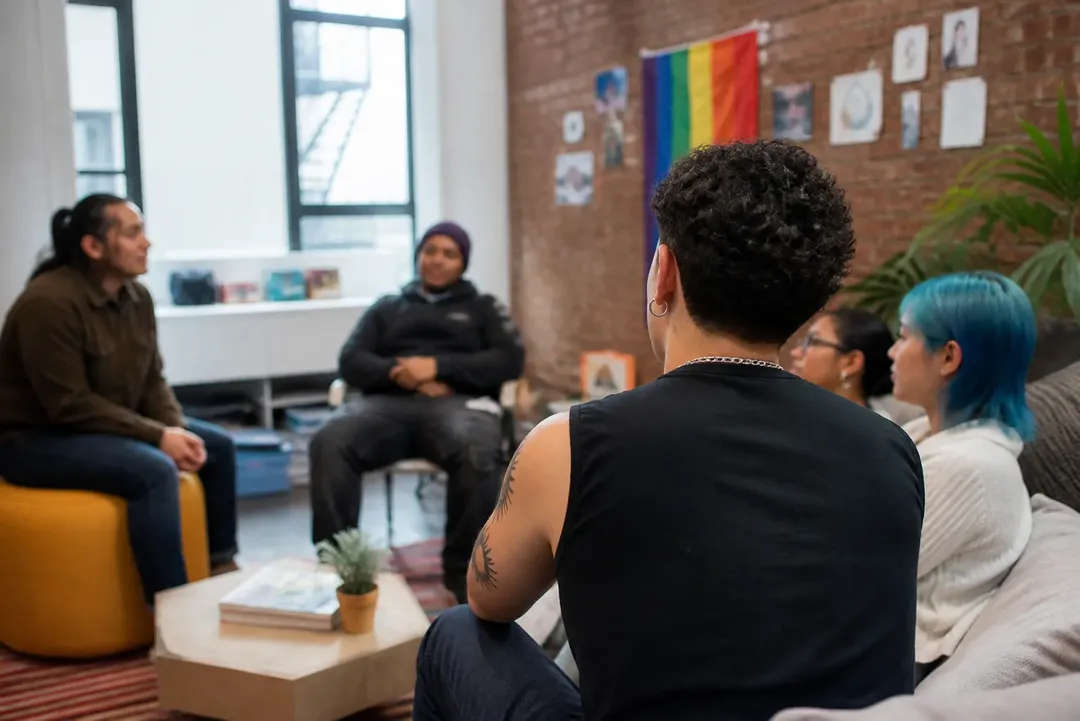
Think of LGBTQ+ centers as overlapping resource hubs rather than identical destinations. The first bucket is care navigation: referrals, health education, benefits guidance, and help finding specialized providers. The second is emotional and peer support: groups, community conversations, identity-specific circles, grief support, family support, or recovery-adjacent spaces. The third is social connection: arts, volunteer gatherings, workshops, and casual events that make community feel present after the first crisis has passed. A strong plan does not require one center to cover everything. It asks which bucket matters today and which can wait. That is especially helpful for someone who feels overwhelmed by options and wants a friend beside them, not a checklist pressed into their hands.
When you call, email, or check a center's current page, use the same comparison questions for Manhattan and Brooklyn so the decision stays fair. Ask what services are offered onsite versus by referral, what age groups are served, whether groups require registration, and what documentation or consent rules apply if the person is under 18. For older adults, ask whether programming is specifically senior-focused or simply open to all ages, because those are different experiences. For a friend accompanying someone, ask whether companions can sit in common areas or attend public programming. Do not assume availability from an old listing, a social post, or a Pride-month article. Treat current confirmation as part of care, not an administrative chore.
Use Transit Checks As Part Of Support
A supportive plan includes the trip itself. The MTA offers schedules, maps, fares and tolls, planned service changes, nearby stations and stops, real-time alerts, elevator and escalator status, and service-alert signup tools. Use those before leaving, especially if the person has mobility needs, sensory fatigue, anxiety about transfers, or a tight return window. For some people, the best center is not the one with the broadest program list; it is the one they can reach with the fewest transfers and the clearest backup route. Build in a pause near the destination so arriving early does not become another stressor. A friend can track alerts while the visitor focuses on the appointment or group.
Accessibility should be treated as a practical requirement, not a final checkbox. If anyone needs step-free travel, check elevator and escalator status close to departure time and again before the return trip. If paratransit is relevant, MTA provides Access-A-Ride trip booking and management information, so factor that into planning rather than assuming subway or bus travel will work. Also check planned work, because weekday afternoons can still be affected by construction, reroutes, or station changes. The emotional value of this preparation is real: fewer surprises make it easier for someone to stay present at a support group or intake conversation. The route should protect energy for the resource visit itself.
Choose A Companion Role That Helps
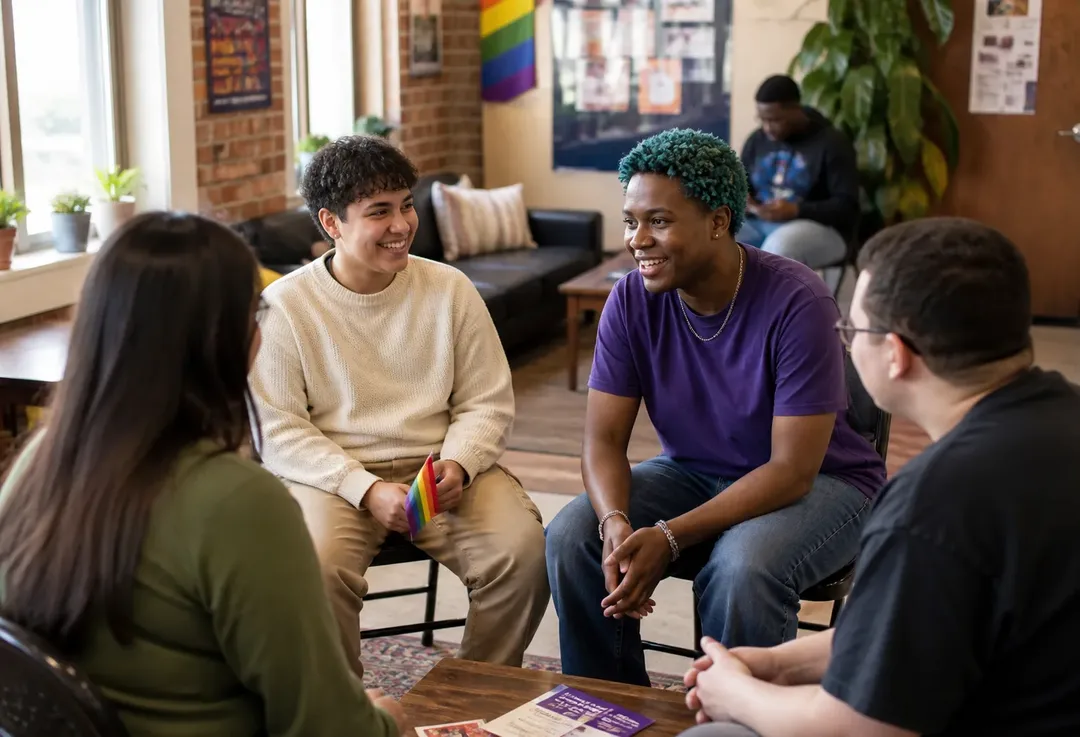
The companion in this plan is a friend, not a manager. Before the visit, agree on what kind of help is welcome: walking together, waiting nearby, taking notes, asking one prepared question, or leaving space for a private conversation. Some people want a friend visible in the lobby; others want to enter alone and meet afterward. Both are valid. The friend should not answer identity questions, disclose personal history, or push someone into a group because it sounds useful. A supportive weekday afternoon works best when the visitor keeps control. The friend can reduce friction by checking transit, carrying a charger, watching the time, and helping compare next steps after the visit.
After a center visit, do not force an immediate verdict. A person may feel relieved, disappointed, tired, or unsure. Use a nearby public route, cafe, library, or park only after verifying current details where needed, and keep spending optional. If food becomes part of the plan, NYC Health provides ABCEats as a restaurant directory, so health-grade lookup can be one more practical check before choosing a place. The goal is not to make the afternoon feel perfect. The goal is to leave with one confirmed resource, one next contact, or one clearer no. That counts as progress, especially for someone who began with a broad search term like elliot page and needed local support instead.
Keep The Map Current After Pride Month
LGBTQ+ resource needs do not follow a festival calendar. Centers may shift programming, age focus, registration rules, group formats, or referral pathways over time, so a saved map should be reviewed before each use. A simple resource map can include neighborhood, closest transit option, service bucket, age fit, first-contact method, companion policy, and last verified date. Keep notes factual and modest: "call to confirm youth group registration" is better than "best youth support." Avoid rankings unless you have current, comparable evidence. For Greenwich Village and Brooklyn alike, the strongest map is one that helps someone choose the next action without implying that every service is available every afternoon.
Update the map after each real interaction. If a center redirects you to another provider, add that referral as a lead, not a guaranteed service. If a group is full, note the waitlist or alternative contact only after it is confirmed. If the visit was not a fit, capture why in practical terms: age mismatch, commute burden, registration needed, privacy concern, or programming not relevant. That turns a disappointing stop into useful intelligence for the next person or next week. For SEO searches around elliot page, the human outcome should be local clarity: a resident or ally can move from public visibility to verified NYC support, with a friend, on a manageable weekday afternoon.
Tags: #NYCLGBTQresources #GreenwichVillage #BrooklynLGBTQsupport #NeighborhoodGuides #communitycenters #weekdayplanning
Sources consulted: Source 1: nycgovparks.org · Source 2: new.mta.info · Source 3: nypl.org · Source 4: a816-health.nyc.gov
All trademarks are the property of their respective owners.
Ask Karpo first
Ask Karpo to turn this NYC idea into a current plan for your date, budget, companion, transit preference, and energy level. Karpo can narrow the route and flag what to verify before you go.
Ask Karpo for more information.
Keep reading
- Mediterranean Food Near Me in Fort Greene: Miss Ada's Garden and Hummus
 Places To Eat Near Me in Chelsea: The Market Fills a Nabisco Factory
 Seafood Near Me in the East Village: The Mermaid Inn's Dollar Oysters