 Mediterranean Food Near Me in Miami Beach: Byblos Spices It Eastern Mediterranean
Restaurants
elliot page: How to Choose a Miami Food Hall
A practical Miami food hall plan for choosing the right room, access route, backup stop, and verification checklist before dinner.
A name can trend for reasons that have nothing to do with Miami, and elliot page is exactly the kind of search term that can push a group chat toward dinner plans, theories, and last-minute invitations. Treat it as a conversation starter, not evidence of a local appearance, restaurant tie-in, event, endorsement, broadcast, or sighting. The useful question is simpler: if your group is already talking about film, culture, celebrity news, or whatever pulled the phrase into the week, where in Miami can you meet without making dinner harder than it needs to be? A food hall or public dining market can work because it gives different people room to choose different meals, arrive in stages, and regroup without locking everyone into one menu. The smart move is to verify the room, the route, the first stop, and the backup before anyone is already hungry.
Want a cleaner Miami food hall plan? Text Karpo to check transit alerts, nearby backup options, vendor-hour verification points, and the easiest first stop for your group before you leave.
Use the trend as a dinner conversation hook
If elliot page is the headline that got the group chat moving, keep it in that lane. It can be a reason to gather, but it should not become a claim that anything official is happening in Miami. The official Greater Miami & Miami Beach visitor site supports a broader local frame: Miami Restaurants are described through bold Latin and Caribbean flavors, restaurants led by celebrity chefs, food festivals, and the wider culinary journey through Greater Miami and Miami Beach.
That is enough context without adding a rumor. The visitor site also points to Greater Miami Cities & Neighborhoods and says each neighborhood is a unique destination because of its cultures, landscapes, and people. That matters for dinner planning because the first decision is not only what to eat. It is whether your group belongs near transit, near the beach, downtown, or in a neighborhood where the surroundings are part of the night.
Keep the invitation plain: meet somewhere easy, eat what works, and talk about the topic without pretending the topic proves anything local. A food hall plan is strongest when it is built around confirmed access and flexible choices, not celebrity speculation.
Choose the room before choosing the menu
Start with the room because food halls are public-space decisions as much as restaurant decisions. Ask what your group needs before anyone argues over cuisine: a place where late arrivals can still order, a layout where people can find each other, and enough flexibility that one closed counter does not ruin the night. The official tourism extract supports Miami as a broad restaurant destination, but it does not verify any specific food hall, vendor, seating policy, kitchen schedule, reservation rule, or price.
For a conversation night, the room should be easier than the menu. Look for a place where people can enter without needing a long explanation, identify a meeting point, and step away if the noise level or crowd does not fit. If the group includes visitors, choose landmarks and neighborhoods that are easy to describe. If the group includes families, older relatives, or anyone managing accessibility needs, check access details directly before choosing the address.
Do not build the night around a single vendor unless that vendor is verified open close to departure time. A food hall is useful because it offers options. If the whole plan collapses when one counter is unavailable, you have planned a single-restaurant night inside a multi-vendor space.
Match the market or hall to the group
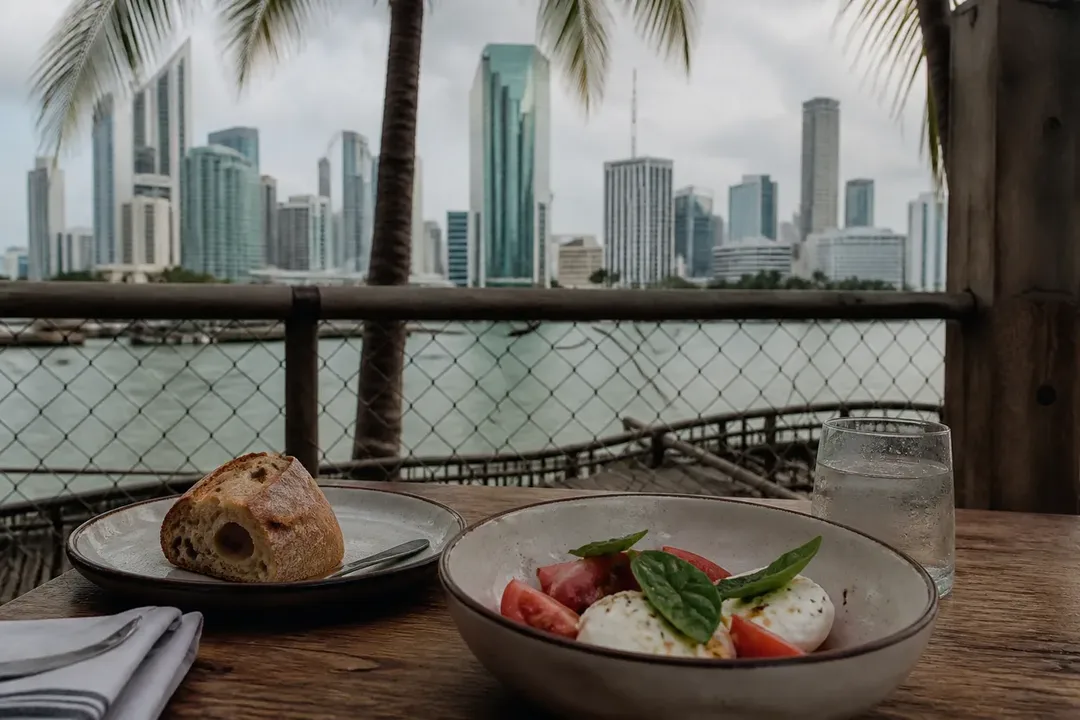
A good Miami food hall plan starts with the people, not the photo. For coworkers, choose a place where ordering can happen in waves and nobody has to wait for one large table before eating. For visitors, choose a neighborhood that gives them a sense of place and an easy next move. For a date or small group, avoid assuming that a lively room will also be good for conversation; verify the setting as close to the visit as possible.
Use the official visitor-site language as a selection grid, but do not stretch it beyond what it says. Miami is presented as a place with bold Latin and Caribbean flavors, celebrity-chef restaurants, food festivals, and distinct neighborhoods. That supports looking for variety and neighborhood character. It does not support naming exact vendor hours, claiming a hall is open late, promising a reservation system, or saying one district is always faster than another.
For the elliot page hook, keep the tone light and grounded. “Let’s meet somewhere easy and talk about it” is a better invitation than a hype-driven claim. Nobody needs a celebrity premise for dinner to work. They need a place that fits the group, a route that can be checked, and a backup that does not turn the night into a sidewalk debate.
Keep the first stop easy to reach
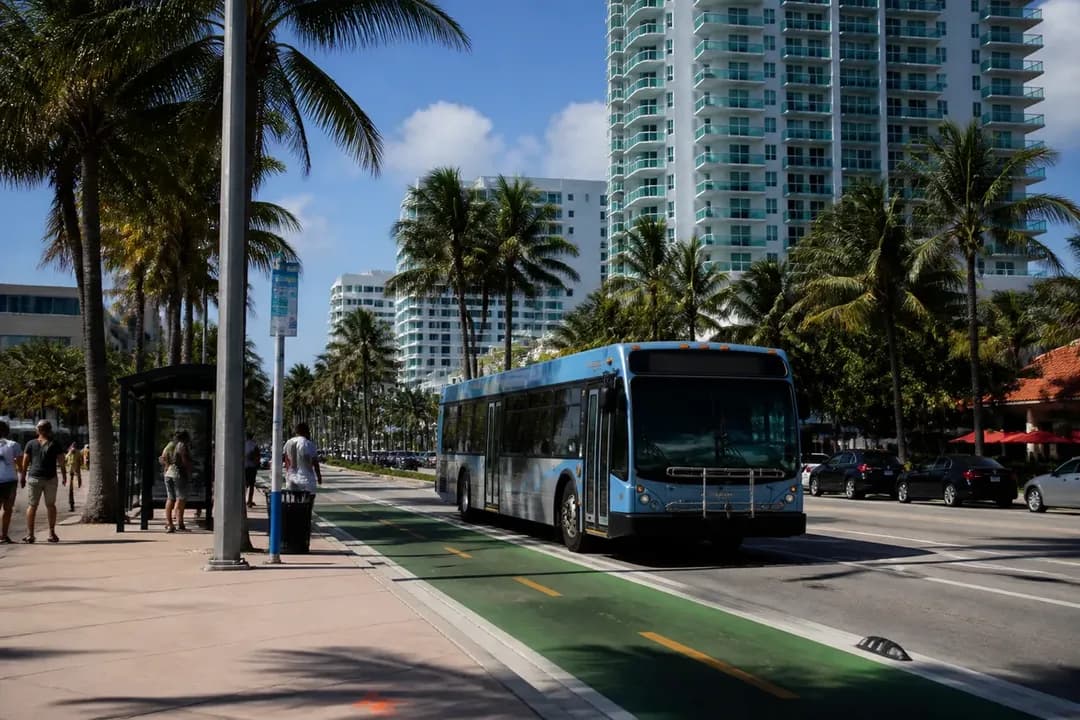
Transit should be checked before the food order. Miami-Dade Transportation and Public Works says riders can read service updates and rider alerts, plan a route, and track buses and trains in real time. That gives you a practical sequence: check alerts, plan the route, then track the ride close to departure. It does not prove a particular travel time, fare for your route, or connection reliability, so avoid hard promises unless you verify them live.
If downtown movement is part of the plan, pay attention to the official Metromover notice. Miami-Dade says Metromover is operating a modified Inner Loop, with trains running on the same track as Brickell and Omni Loop. It also says Inner Loop trains will not appear on the platform display. The actionable move is specific: look inside the train to confirm the loop designation rather than relying only on the platform display.
For groups using Metrorail, Metromover, or Metrobus, build in a final station or stop check. Miami-Dade posts elevator and escalator status, rider alerts, service updates, a transit tracker, and a trip planner. If someone depends on step-free access, check elevator and escalator status separately before leaving. If the easiest route looks fragile after alerts or tracking, choose a simpler first stop.
Save a nearby option for long waits
A backup is not pessimism; it is basic hosting. Public dining spaces can be busy, vendor availability can change, and a group with mixed arrival times can lose patience before the first tray lands. Choose one nearby option before leaving: another public dining space, a casual restaurant, or a neighborhood stop where the group can sit without starting the whole night over.
Make the backup close enough that it does not require a second major planning session. If your first stop is built around transit, the fallback should work with the same general access plan after you check current alerts. If the first stop is more neighborhood-based, the fallback should be close enough that the group can move without renegotiating the whole evening. The official extracts support neighborhood variety and transit-planning tools; they do not verify any specific backup venue.
Set a trigger in advance. For example: if there is no workable seating after one pass through the room, or if the vendors your group cares about are not operating when you arrive, move to the backup. This is especially useful when the night began with a trending conversation topic rather than a must-visit restaurant. The plan can stay relaxed because the decision rules are already made.
Verify vendor hours before leaving
The final check is the least glamorous and the most important: verify vendor hours before leaving. The official destination extract can describe Greater Miami and Miami Beach as a culinary destination, and the county transit extract can support route planning. Neither extract verifies individual food hall hours, vendor schedules, menus, prices, reservations, private-event closures, seating rules, or wait times.
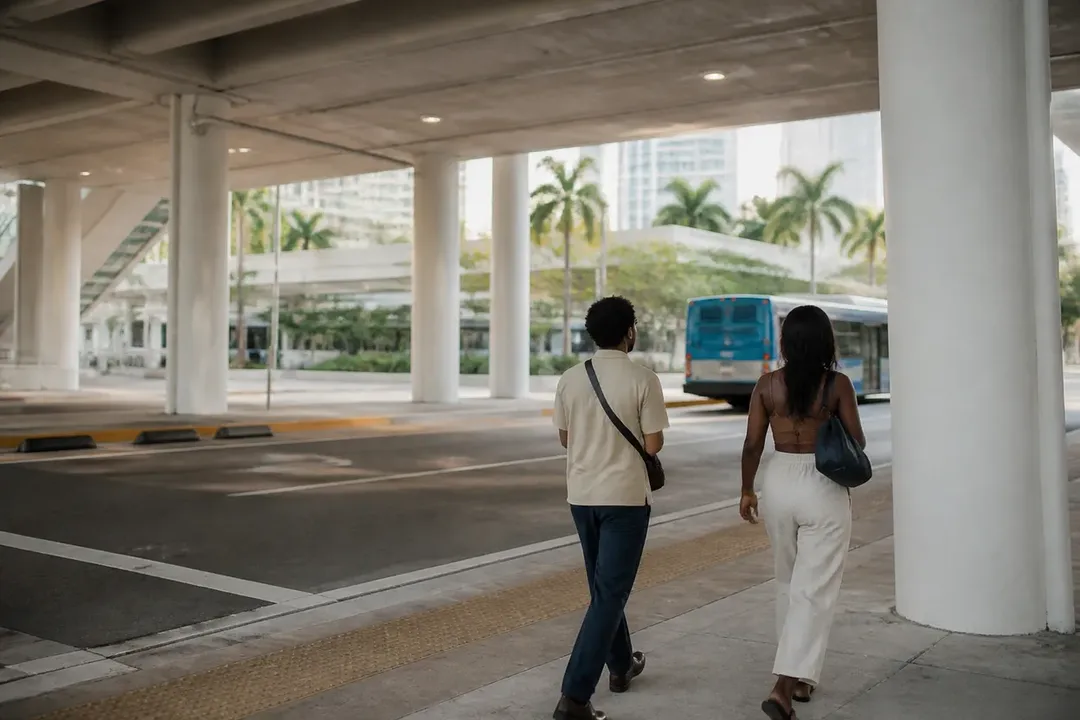
Use a short verification stack. First, confirm the hall or market is operating when you plan to arrive. Second, check the specific vendors your group cares about. Third, look for access notes, closures, event restrictions, or entry changes. Fourth, check Miami-Dade service updates, rider alerts, trip planning, and real-time bus or train tracking close to departure. Fifth, if accessibility matters to anyone in the group, check elevator and escalator status separately.
Do the same with timing. Avoid vague plans like “around seven” when several people are arriving different ways. Pick an arrival window, name the first entrance or meeting point, and decide whether late arrivals should order on their own or wait. A food hall can be forgiving, but only when the group uses its flexibility deliberately and keeps live details separate from evergreen destination copy.
Tags: #Miami #MiamiRestaurants #MiamiFoodHall #MiamiDining #GreaterMiami #MiamiBeach #DowntownMiami #MiamiTransit #FoodMarket #GroupDinner #RestaurantPlanning #AskKarpo #BeforeYouGo #elliotpage
Sources consulted: miamiandbeaches.com · miamidade.gov · miamidade.gov
All trademarks are the property of their respective owners.
Ask Karpo first
Ask Karpo first before turning elliot page chatter into a Miami dinner plan. Karpo can help check the route, current transit alerts, vendor-hour questions, access needs, and a nearby backup so the night starts with facts instead of assumptions.
Ask Karpo for more information.
Keep reading
- Mediterranean Food Near Me in Miami Beach: Byblos Spices It Eastern Mediterranean
 Dinner Near Me in Downtown Miami: NIU Kitchen Plates Catalan Small Dishes
 Seafood Near Me in South Beach: Joe's Stone Crab Takes No Reservations