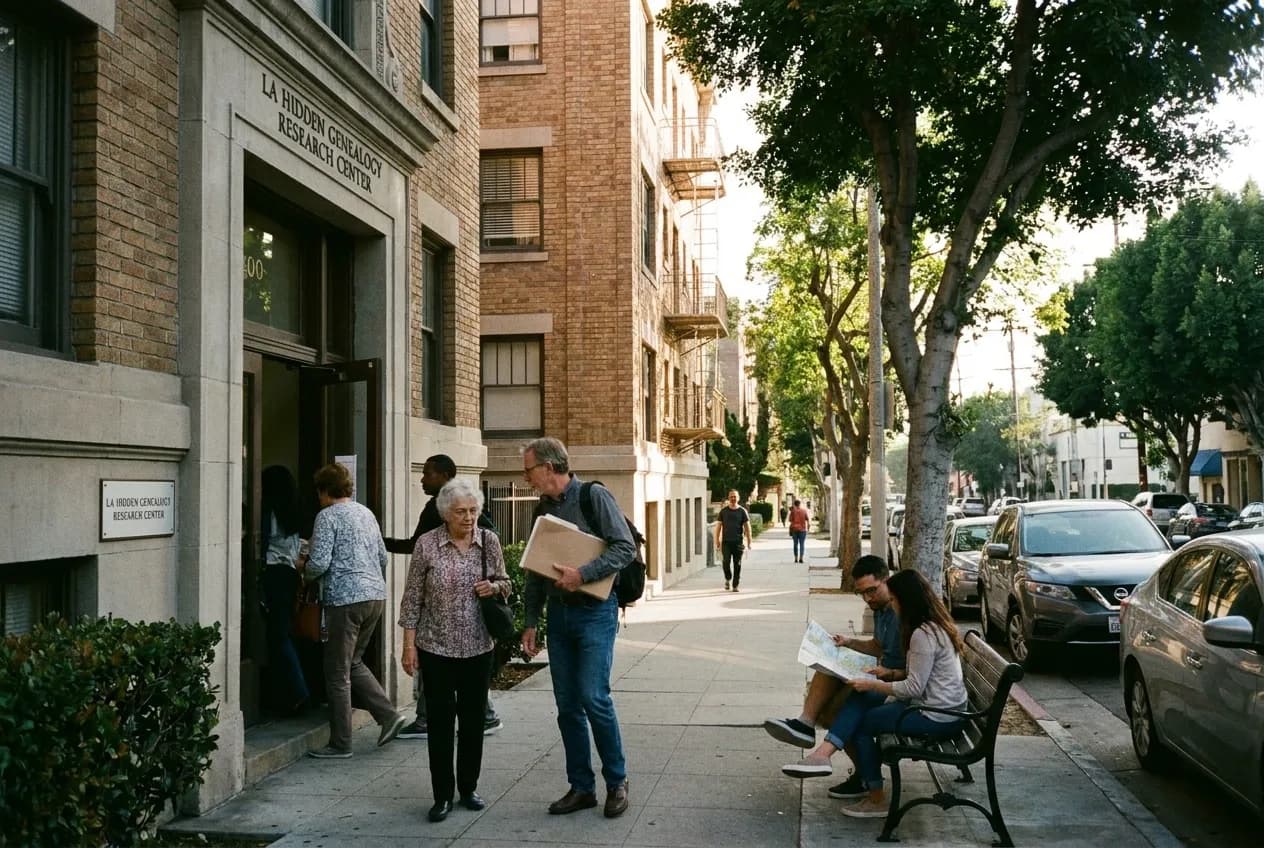
Researching a historical name like elisabeth jane ross in Los Angeles requires more than a simple internet search—it demands access to archival databases, volunteer genealogists familiar with regional record-keeping quirks, and facilities that maintain collections outside the mainstream library system. The city's hidden genealogy research centers cater to individuals conducting focused name searches, offering specialized resources that range from digitized vital records and cemetery indexes to immigration manifests and newspaper archives. These centers operate on different models: some provide walk-in access during limited hours, others require advance appointments, and a few restrict certain collections to members or researchers with demonstrated projects. Understanding which facility holds relevant record types, what verification documents you'll need to bring, and how each center's consultation process works can mean the difference between a productive research day and a wasted trip across the county.
Text Karpo your starting point, timing, group size, and priorities for a Los Angeles plan tailored to this exact situation, with one realistic backup before you leave.

Appointment Systems and Walk-In Access Tradeoffs
Most specialized genealogy centers in Los Angeles operate on appointment-only schedules during weekdays, a system that ensures researchers receive dedicated volunteer attention but requires planning days or weeks ahead. Facilities with volunteer staffing models typically offer consultation slots in two-hour blocks, allowing time for database orientation, record retrieval from climate-controlled storage, and guidance on interpreting historical documents. Walk-in access, when available, usually means self-directed research using publicly accessible databases without guaranteed staff assistance—a workable approach for researchers already familiar with genealogical indexing systems but frustrating for those encountering unfamiliar record formats or handwriting styles.
The appointment requirement serves practical purposes beyond staffing: it allows centers to prepare relevant record collections in advance if researchers specify their search parameters, reduces crowding in small archival spaces, and ensures climate-sensitive materials are handled under supervision. Some centers maintain hybrid models where general database access remains open during posted hours but consultation with experienced volunteers requires booking. Researchers planning multi-day investigations should verify whether appointments can be scheduled consecutively or if centers impose waiting periods between visits to accommodate demand from other genealogists.
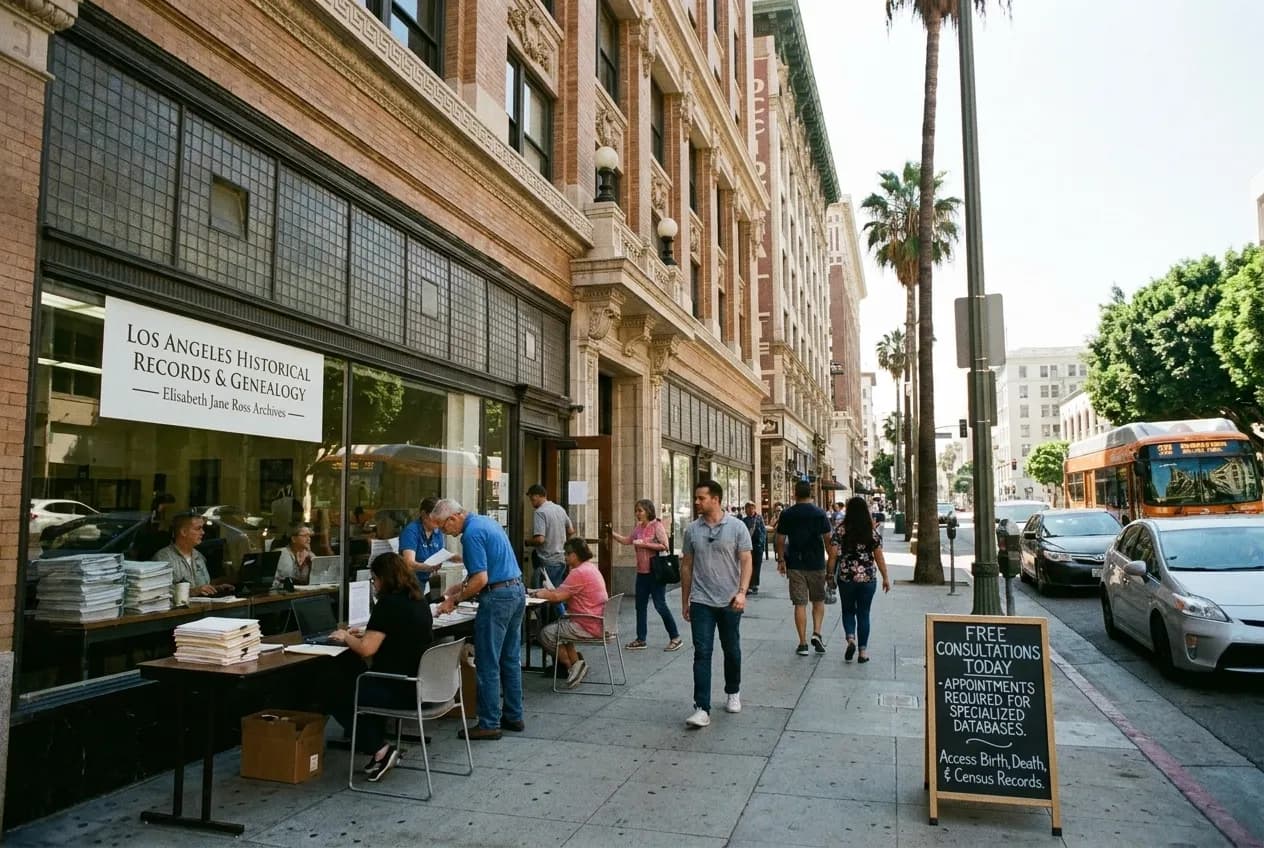
Database Collections and Record Type Specializations
Los Angeles genealogy centers differentiate themselves through specialized record collections rather than comprehensive holdings—one facility might excel in Catholic parish registers and cemetery records while another maintains extensive newspaper obituary indexes or naturalization papers. Understanding these specializations before visiting prevents researchers from spending hours at a location that doesn't hold relevant materials for their specific name search. Vital records access varies significantly: some centers maintain digitized indexes that allow surname searches across decades, while others require researchers to know approximate dates and locations before staff will retrieve microfilm reels or bound volumes.
Many hidden genealogy centers focus on particular ethnic communities or immigration waves, maintaining records that larger institutions overlooked or never collected. These specialized collections often include membership rosters from fraternal organizations, records from ethnic churches and synagogues, and community directories that documented residents outside official census enumeration. Researchers should inquire whether a center's collections include the geographic regions and time periods relevant to their search—a facility specializing in early California rancho records won't help with 1920s Midwest immigration research, regardless of how knowledgeable the volunteers may be.
Membership Requirements Versus Public Access
Some genealogy research centers in Los Angeles operate as membership organizations where full database access and consultation services require annual dues, though many offer limited public access hours or day-pass options for out-of-town researchers. Membership structures typically include tiered levels: basic access to on-site databases, intermediate tiers adding digitized record downloads and extended hours, and premium levels providing priority appointment scheduling and access to restricted collections. Researchers conducting one-time searches must weigh whether a day pass or single-month membership offers better value than attempting to complete their investigation during free public hours, which may be restricted to weekday mornings or one Saturday per month.
Centers affiliated with historical societies or ethnic heritage organizations sometimes waive membership requirements for researchers whose projects align with the organization's documentation mission, particularly if findings will be shared back with the archive. Public access policies can include restrictions on which record collections non-members may view, limits on photocopying or digital photography, and requirements that non-members work under volunteer supervision rather than independently. Researchers should clarify access policies when scheduling appointments, as some centers use "public access" to mean anyone may visit but reserve their most valuable collections for members only.

Volunteer Researcher Expertise and Consultation Models
The volunteer researchers staffing Los Angeles genealogy centers bring varying expertise levels—some are professional genealogists donating time to their specialty areas, while others are enthusiastic amateurs with deep knowledge of specific record collections but limited experience with complex research problems. Centers that offer free consultations typically match researchers with volunteers based on the inquiry's geographic focus or record type rather than guaranteeing a certified genealogist. This model works well for straightforward name searches in familiar record sets but can prove limiting when investigations require interpreting conflicting documents, understanding historical naming conventions, or navigating records in non-English languages.
Researchers should prepare for consultations by organizing known information chronologically, bringing copies of any documents already obtained, and formulating specific questions rather than expecting volunteers to conduct open-ended searches. Some centers distinguish between consultation services—where volunteers guide researchers in using databases and interpreting findings—and research services, where staff conduct investigations on behalf of clients for hourly fees. Understanding this distinction prevents frustration when a "free consultation" turns out to mean instruction on using the facility's resources rather than hands-on help with your specific search.
Verification Documents and Research Preparation
Genealogy centers handling sensitive records or membership-restricted collections may require researchers to present identification and explain their relationship to the individuals being researched, particularly when vital records or recent cemetery information is involved. These verification requirements protect privacy while allowing legitimate family history research, but they mean researchers should bring government-issued ID, documentation of family relationships if available, and a clear explanation of their research purpose. Some facilities maintain stricter protocols for records less than seventy-five years old, requiring proof of direct lineage before allowing access to certain documents.
Preparation extends beyond identification to organizing the information you already possess: knowing approximate dates and locations narrows database searches dramatically, while bringing copies of documents from previous research helps volunteers identify which record collections might yield new information. Researchers should prepare alternative search strategies since name spellings varied widely in historical records, census takers made transcription errors, and individuals sometimes used different names in different contexts. Centers with limited appointment times reward researchers who arrive with organized questions, backup search terms, and realistic expectations about what a single visit can accomplish versus what will require follow-up appointments or additional archive visits.
Tags: #genealogyresearch #LosAngelesarchives #historicalrecords #namesearch #familyhistory #hiddengems #researchcenters #volunteergenealogists #archivaldatabases #vitalrecords
Sources consulted: Source 1: laparks.org · Source 2: metro.net · Source 3: discoverlosangeles.com · Source 4: lacity.gov
All trademarks are the property of their respective owners.
Ask Karpo first
Ask Karpo to turn this Los Angeles idea into a current plan for your date, budget, companion, transit preference, and energy level. Karpo can narrow the route and flag what to verify before you go.