# An Eastern European Tea Room in Forest Hills Where the Babka Never Changes
A small storefront on a quiet stretch near the Forest Hills LIRR station has held the same corner for four decades, and the women who gather at its marble-topped tables have been coming almost as long. The babka recipe hasn't changed since the eighties, and neither has the ritual: strong tea in small china cups, pastries chosen slowly from a gleaming case, and conversations that pick up mid-sentence from last week.
The Kind of Place That Doesn't Announce Itself
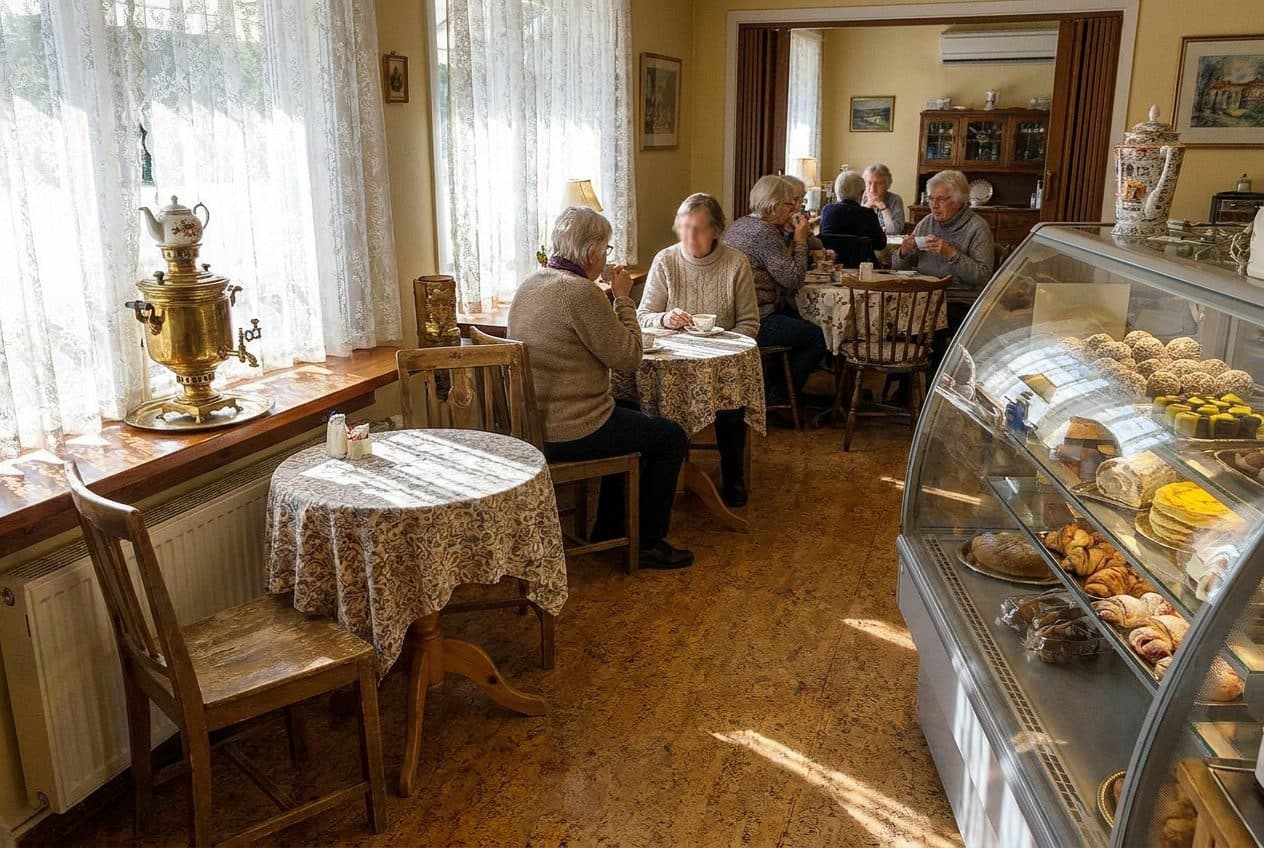
The tea room sits below street level, down three worn stone steps that anyone rushing past might miss entirely. A hand-painted sign in Cyrillic and English marks the entrance, but the real tell is the cluster of women with shopping bags pausing at the door, checking through the window to see who's already inside. The interior holds maybe a dozen tables, each one covered in lace doilies beneath glass tops that catch the afternoon light. A pastry case runs along the left wall, its shelves stacked with poppy seed rolls, honey cake, and the babka that regulars order without looking at the menu. The room smells like cardamom and brewed black tea, and the hum of Russian and Ukrainian rises and falls in waves.
The Pastry Case and What It Reveals
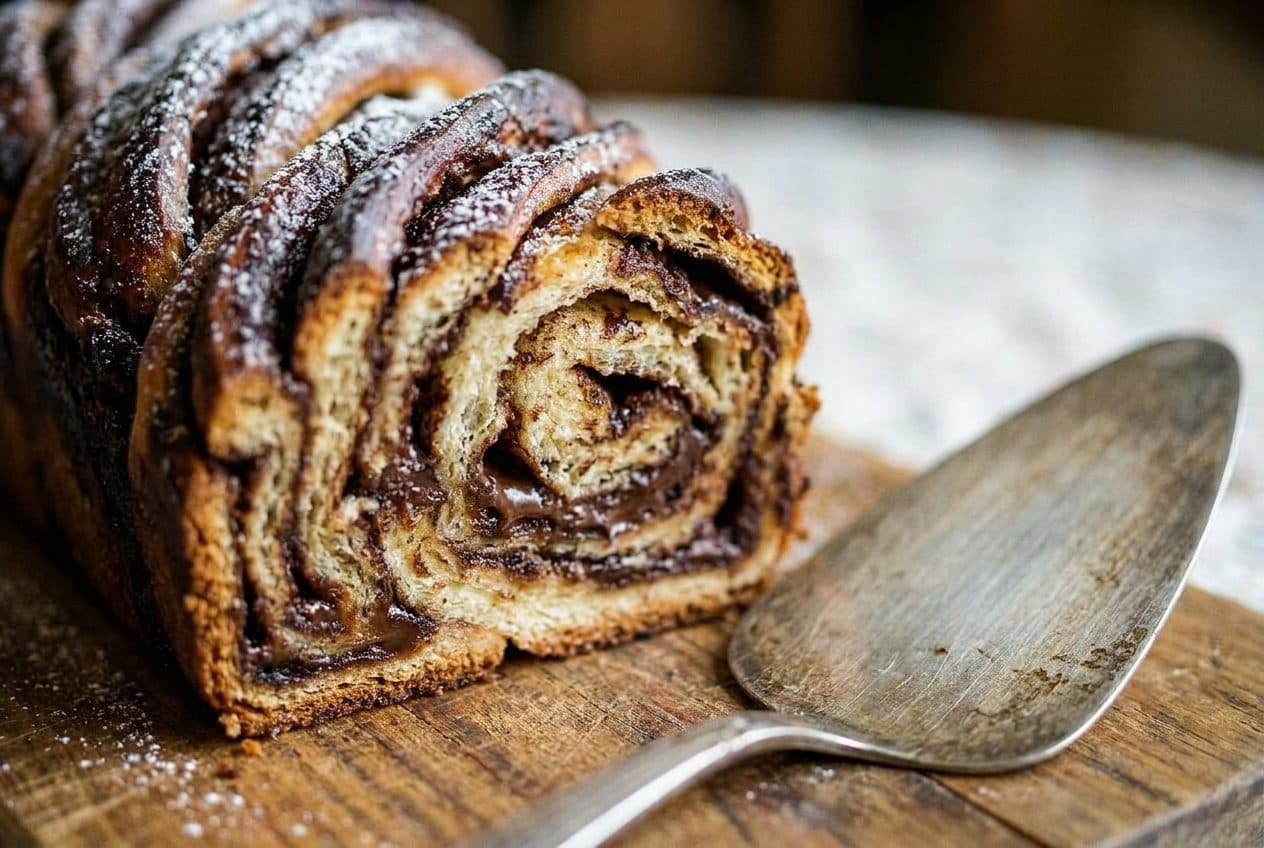
First-timers stand at the counter longer than the regulars do, trying to decode what's what. The babka comes in two versions—chocolate and cinnamon—both baked early each morning in a kitchen no larger than a closet. The chocolate version is the one that sells out first, its swirls dense and not too sweet, the kind of pastry that tastes better with very strong tea. The honey cake sits in thick slices, each layer separated by a thin smear of sour cream frosting that balances the sweetness. The poppy seed rolls are smaller, meant for sharing or for taking home wrapped in wax paper. The woman behind the counter, who has worked here since the nineties, knows the regulars by their order and pours their tea before they sit down. She speaks little English but understands timing: when to refill a cup, when to let a table linger undisturbed.
The Tables Where Time Moves Differently
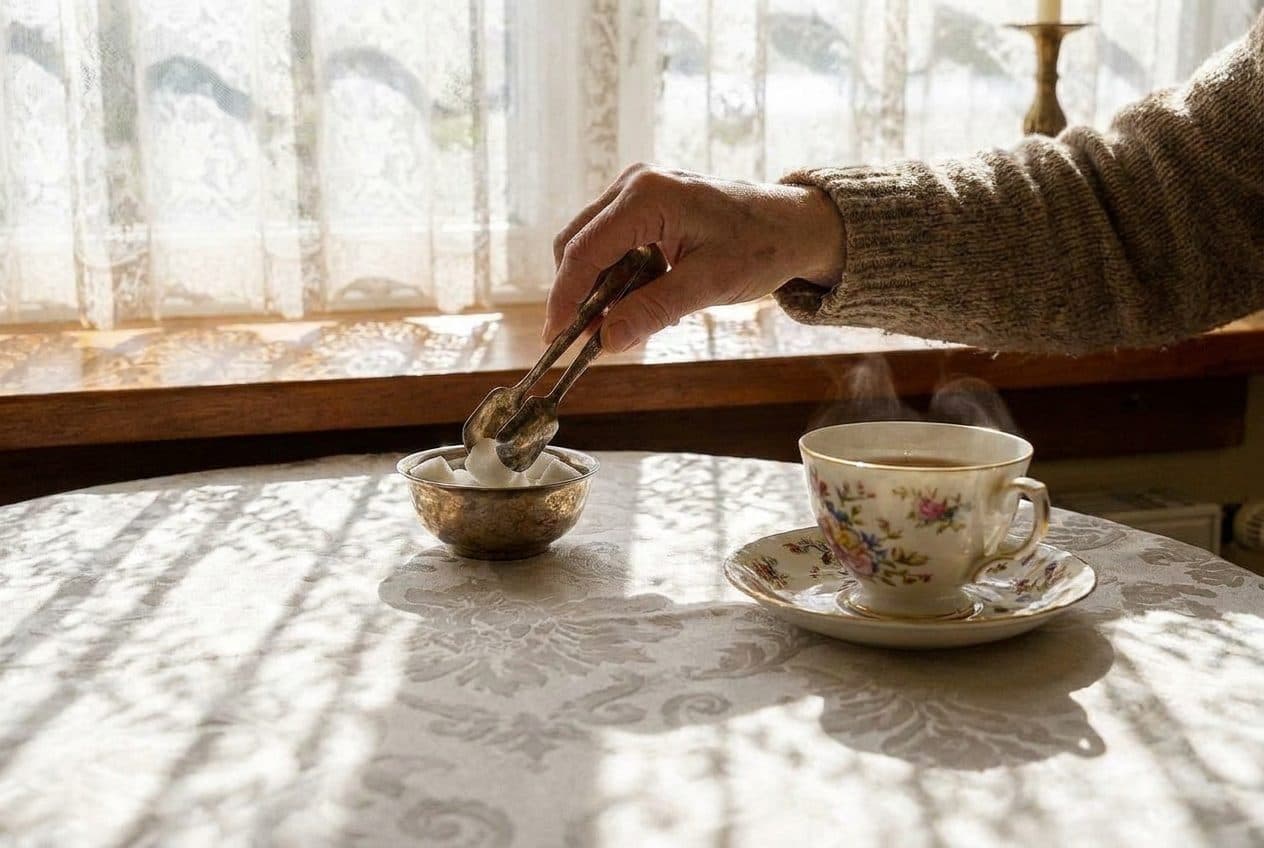
The marble-topped tables have a geography the regulars understand instinctively. The corner table by the window is for the women who arrive earliest, usually mid-morning, and stay through lunch. The center tables fill with pairs and trios who come after errands, shopping bags tucked under chairs, coats draped over the backs of seats even in summer. The table nearest the kitchen is for walk-ins and first-timers, close enough to the counter that ordering feels less intimidating. Conversations at these tables run long and loop back on themselves—grandchildren, doctor's appointments, the price of groceries at the Russian market two blocks over. The tea arrives in small porcelain cups with saucers, no mugs, and the pots are refilled without asking. Those who have been coming since the eighties treat the place like an extension of their living rooms, and the unspoken rule is that no one rushes anyone out.
What the Crowd Knows About Timing
The tea room opens early, around eight in the morning, and the first wave arrives within the hour—retirees who have already walked the neighborhood, women meeting before heading to Brighton Beach or Sheepshead Bay for the day. The mid-morning stretch is the quietest, when a single person might sit with a newspaper and a pot of tea for an hour or more. Lunchtime brings a different energy: younger women on their day off, mothers with small children who get a slice of honey cake and a glass of kompot. The late afternoon crowd, the one that arrives around three or four, is the core group—the women who have claimed this place as theirs for decades. Weekends see a broader mix, including men who come for the pastries and leave quickly, but the weekday rhythm belongs to the regulars. Those who find it early in the week, when the babka is freshest and the tables are less crowded, understand the advantage.
The Details That Reward Attention
The samovar on the back shelf isn't decorative—it's fired up on cold days, and the tea brewed from it tastes noticeably stronger, almost smoky. The menu is handwritten in both languages, taped to the wall behind the counter, but half of what's available isn't listed: ask about the blini on weekends, or the vatrushka, a cheese-filled pastry that appears sporadically depending on the baker's mood. The kompot, a fruit compote served cold in summer and warm in winter, comes in whatever flavor was made that morning—plum, cherry, apple—and is poured from a glass pitcher kept in a small fridge near the register. The regulars know to ask for it. The small jars of homemade jam stacked near the cash register are for sale, though there's no sign indicating this; they're made by someone's cousin and rotate flavors seasonally. The bathroom key hangs on a wooden spoon, a detail no one explains but everyone accepts.
Practical Notes
The tea room sits a few blocks from the Forest Hills–71st Avenue station, reachable by the E, F, M, or R trains. It's also a short walk from the LIRR stop, which makes it a natural landing spot for anyone coming in from Long Island or heading back. Hours run roughly from early morning through early evening most days, though the place closes earlier on Sundays and occasionally without notice if the baker is out. No reservations, no phone orders—just walk in and find a table. Payment is cash only, and prices run a few dollars for pastries, slightly more for a pot of tea and a slice of cake. The crowd skews older and heavily Russian-speaking, but English works fine at the counter. Expect to linger; the rhythm here doesn't accommodate quick stops.
Why It Holds
The tea room survives because it doesn't chase trends or try to appeal beyond the community that built it. The babka recipe hasn't changed because no one has asked it to, and the regulars return because the place feels like a constant in a neighborhood that has shifted around it. Forest Hills has gentrified unevenly, with new restaurants and wine bars opening closer to Austin Street, but this stretch remains quieter, older, more rooted in the immigrant waves that arrived decades ago. The tea room is a node in that network, a place where women who came to New York in the seventies and eighties still gather, where the language spoken is the one they grew up with, and where the pastries taste exactly as they remember. Those who stumble in by accident—following a tip, chasing a craving for real babka—find themselves in a room that wasn't designed for them but doesn't turn them away either. The trick is to sit down, order the chocolate babka and a pot of strong tea, and let the room happen around you.
Tags: #ForestHills #EasternEuropeanFood #TeaRoom #Babka #QueensEats #RussianFood #UkrainianCuisine #NeighborhoodGems #OldSchoolNYC #DiasporaDining #PastryCase #NewYorkTeaRooms #QueensFood #ForestHillsEats #HiddenQueens
Sources consulted: eater.com · timeout.com · infatuation.com
All trademarks are the property of their respective owners.
Ask Karpo first
Want to know which pastries the regulars swear by and the story behind that samovar?
Ask Karpo for the full pastry menu with origins, the best time to get babka fresh from the oven, and what to order with your tea before you head out.