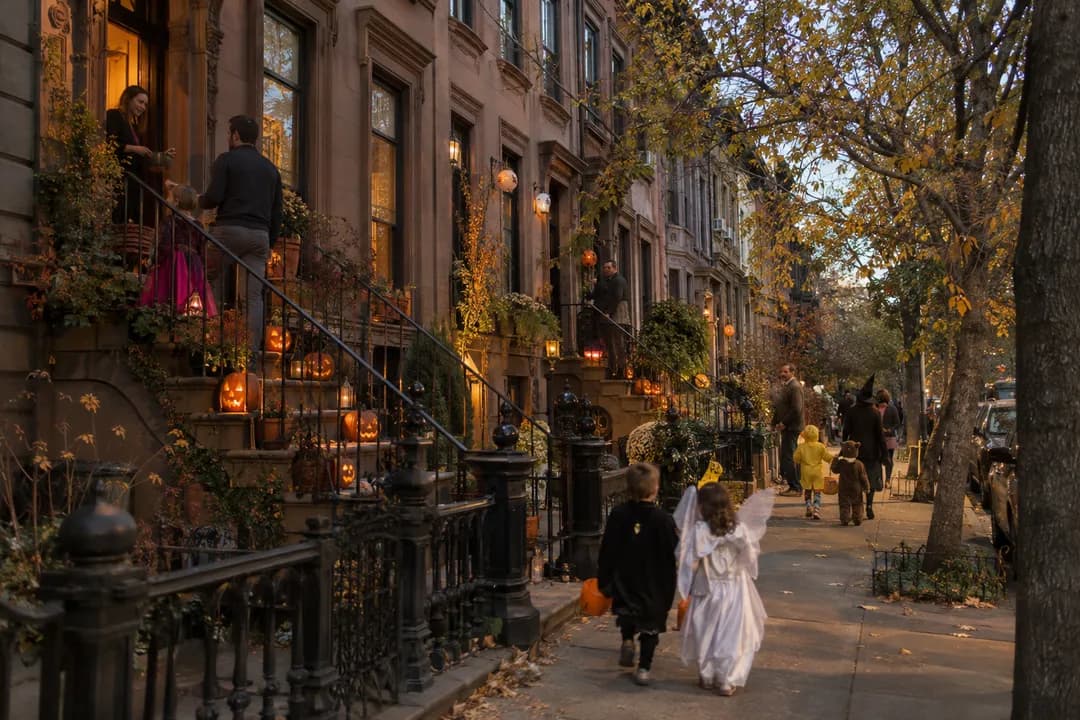
 Best Trick or Treating Neighborhoods Near Me: Park Slope
Neighborhood Guides

East River Ferry Soundview Route Sunset Crossing and Bronx Terminal Wait: A Fresh Field Note
The NYC Ferry Soundview line traces a slow-travel arc from Wall Street to the Bronx, slipping under four bridges at golden hour and pausing at Clason Point for a liminal terminal wait with views across to Rikers.
The Soundview route is the East River Ferry's longest exhale—a ninety-minute round trip that peels commuters and the occasional curious rider away from the subway grid and sets them adrift on a different clock. From the glass towers of Wall Street, the boat noses north through a procession of bridges and industrial shoreline, tracing the water's edge all the way to Clason Point in the Bronx. It's not faster. It's not always cheaper. But it offers something the 6 train cannot: a moving seat on the deck, salt air, and the slow unwinding of the city's eastern flank under changing light.
The Golden Hour Departure
Timing matters. The 6:45pm departure from Wall Street catches the city at the edge of its workday rush, but the real reward comes forty minutes later. Around 7:20pm during summer travel months, the boat slips beneath the Hell Gate Bridge just as the light goes syrupy and horizontal. The steel span—a 1916 marvel connecting Astoria and Randalls Island—glows rust-orange against a softening sky, and the water beneath takes on that brief molten quality that photographers wait for.
This is not accidental geography. The ferry's northern trajectory means the sunset unfolds off the port bow, washing the bridges and the Queens shoreline in amber. Passengers bunch along the rail with phones raised, but the real pleasure is leaning back on the blue plastic bench seating and letting the sequence happen: Roosevelt Island, the Queensboro cantilever, then Hell Gate's arch, each framed and released in turn.
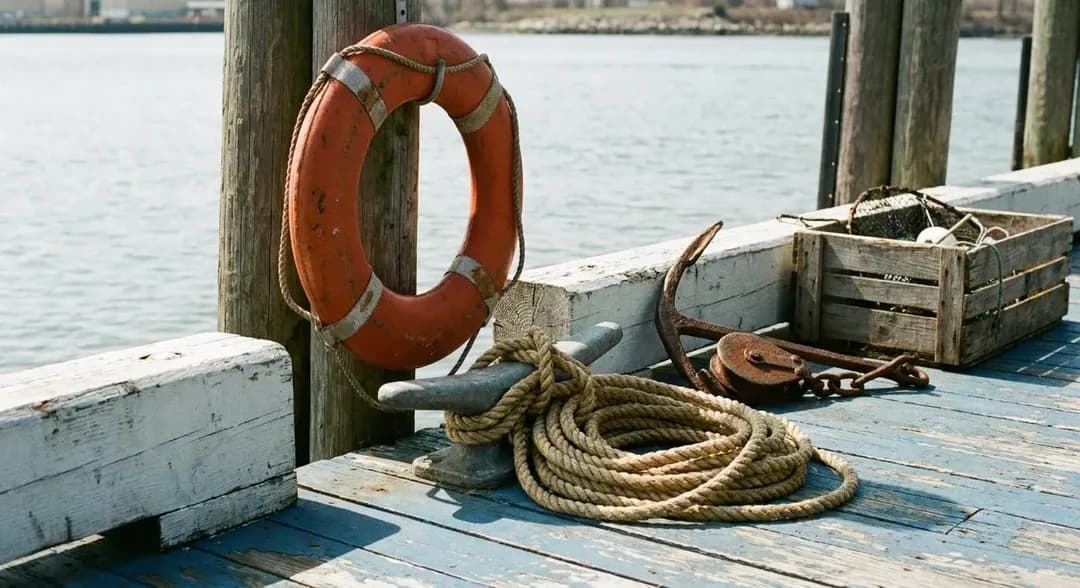
Four Bridges, One Passage
After Hell Gate comes the Bronx-Whitestone, its suspension cables slicing the sky in neat verticals. Then the Throgs Neck farther east, where the river widens and the air smells less of diesel, more of open water. Finally, the RFK Bridge—formerly the Triborough—links the Bronx and Queens in a tangle of ramps and steel. Each crossing feels like punctuation in a long, unhurried sentence.
The parade of bridges imposes a rhythm. You glance up, register the span, return to your book or your companion or the screen in your hand. But the cumulative effect is one of slow movement through scale—the city's infrastructure rendered legible from below, its engineering both monumental and strangely intimate when viewed from a floating deck chair.
Industrial Shoreline and Quiet Deck
Between the bridges, the shoreline scrolls past in muted tones: container yards, low-slung warehouses, the occasional apartment tower planted at the water's edge like an afterthought. This is not the postcard riverfront. It's the working flank of the city, and the ferry traces it without commentary. Gulls wheel overhead. The diesel hum of the engines underfoot is steady, almost soothing.
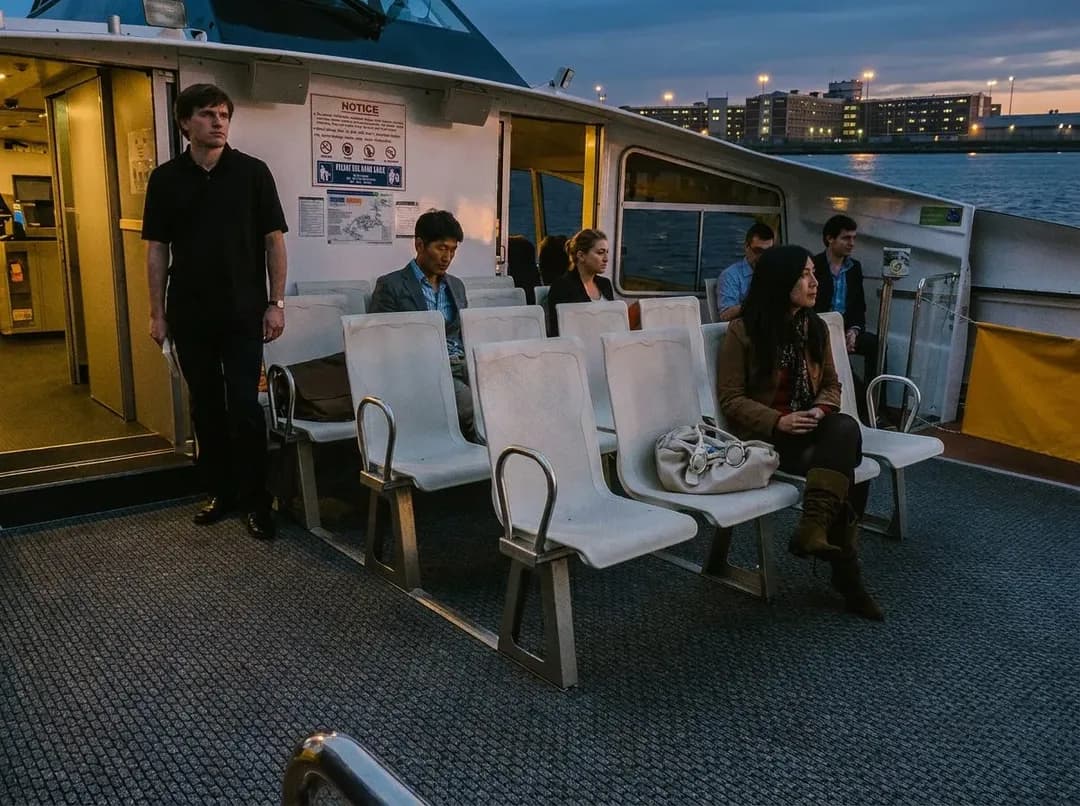
The outdoor deck—open bow and stern—fills with a self-selecting crowd. Commuters who've done this a hundred times claim the sheltered benches near the cabin. First-timers migrate to the rail. A few regulars stretch out with a paperback, legs propped on the opposite bench, fully committed to the long way home. There's little conversation. The wind and the engine noise discourage it. What emerges instead is a rare urban quiet, the kind that comes from forward motion without effort.
The Liminal Wait at Soundview Terminal
The boat docks at Soundview—technically Clason Point—and most passengers disembark. But here's the odd, underappreciated fact: the ferry has a twelve-to-fifteen-minute turnaround with engines idling, and passengers may remain on the outdoor deck during the layover. It's a strange interval, neither arrival nor departure, and it transforms the vessel into a floating observation post.
The terminal itself is spare: a gangway, a small shelter, a handful of benches facing the water. Beyond, the Bronx rises in low density—single-family homes, a scattering of trees, the hum of the Bruckner Expressway audible in the middle distance. But the real geography during this pause is what lies to the west. The port-side deck offers unobstructed views of Rikers Island throughout the northern crossing, and the sight is particularly stark between Hunts Point and Soundview stops. The jail complex sits low and gray on the water, a dense arrangement of buildings ringed by perimeter fencing. It's close enough to read the institutional architecture, far enough to feel the remove.
During the terminal wait, the view doesn't soften. Rikers remains there, fixed and inescapable, a reminder that the city's infrastructures—transit, incarceration, water—share the same narrow channels. A few passengers step off to stretch their legs. Others stay seated, scrolling or staring. The engines idle. Then the deckhand unties the lines and the return voyage begins.
The Return Arc
Heading south, the light shifts again. The bridges reappear in reverse order, now backlit or shadowed depending on the hour. The skyline of lower Manhattan materializes in the distance, a familiar constellation that grows sharper with each mile. The rhythm of the return is different—less discovery, more consolidation. You've seen the route now. You know the stops.
But the slow-travel calculus holds. The subway is faster, yes, but it delivers you underground, compressed and fluorescent. The ferry delivers you gradually, with sky overhead and the city's edges made legible. It's a trade-off, and on certain evenings—when the light cooperates, when you're in no particular hurry—it's the better bargain.
Who Takes This Route
Commuters, mostly, though the demographics shift by stop. Wall Street draws the finance crowd in summer linens. Corlears Hook and East 34th pull a younger, more varied mix. By the time the boat reaches Hunts Point and Soundview, the rider profile tilts Bronx-local: families with groceries, teenagers with headphones, the occasional transit enthusiast with a camera. It's a democratic crossing, stitched together by the single fare.
And then there are the outliers—the ones who board at Wall Street and ride the full loop just to ride it. They're easy to spot: no laptop, no briefcase, no urgency. Just a ticket, a jacket against the wind, and ninety minutes to spend watching the city unspool from the water. It's a particular breed of urban leisure, slow and slightly subversive, and it requires no reservation.
Practical Notes
The Soundview route departs from Pier 11/Wall Street at South Street and Wall Street (near the Wall Street ferry terminals). The northern terminus is Soundview/Clason Point in the Bronx (Soundview Avenue at the waterfront, with local bus access rather than nearby 6 train stops). NYC Ferry operates daily; schedules vary by season—verify departure times at ferry.nyc before traveling. The route includes intermediate stops at Corlears Hook, East 34th Street, East 90th Street, Astoria, Roosevelt Island, and Hunt's Point. Bring layers; the open deck is significantly cooler than land, even in summer. Bikes are permitted. Restrooms and a small snack bar are available onboard. The outdoor decks are accessible, though gangway conditions vary by stop and tide.
Tags: #TheLongWayHome #NYCFerry #SoundviewRoute #EastRiver #BronxWaterfront #SlowTravel #FerryLife #RikersIsland #HellGateBridge #SummerTravel #NYCTransit #ClasonPoint #UrbanExploration #FerryCommute #NYCbyWater
Please drink responsibly. Must be of legal drinking age.
Sources consulted: NYC Ferry · Soundview, Bronx · NYC Ferry Soundview Route · Clason Point Park · East River
All trademarks are the property of their respective owners.
Ask Karpo for more information.
Keep reading
- Best Trick or Treating Neighborhoods Near Me: Park Slope
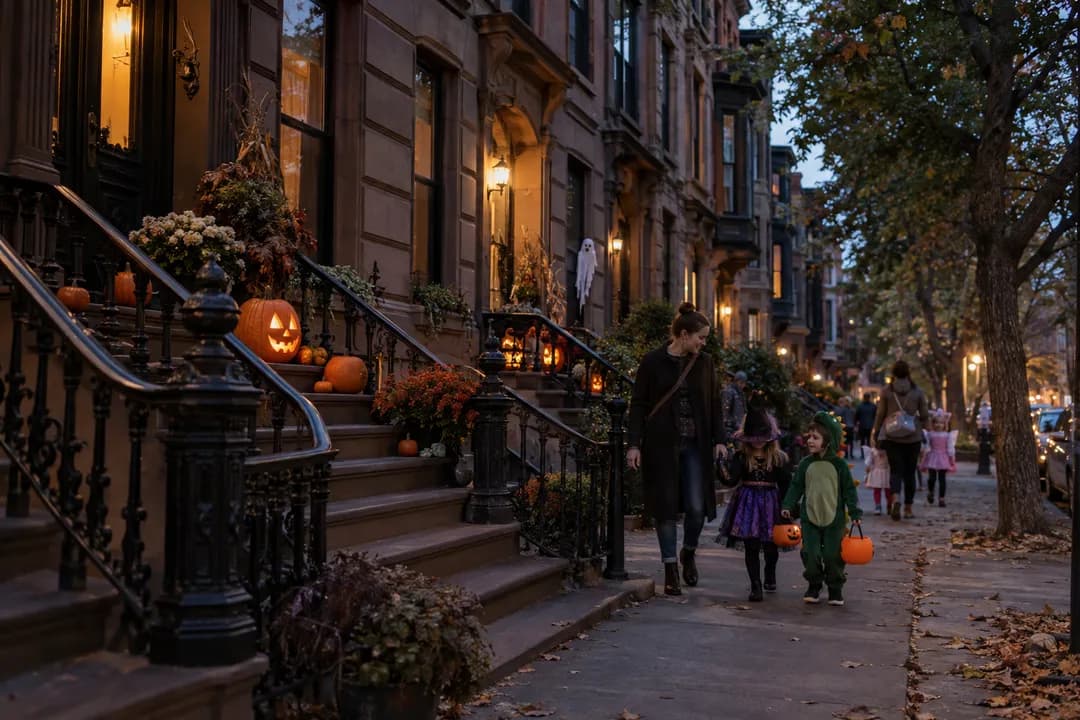 Best Trick or Treating Neighborhoods Near Me: Carroll Gardens
 Best Trick or Treating Neighborhoods Near Me: West Village