 Live Jazz Near Me in Lincoln Square: Dizzy's Club
Bars & Nights Out
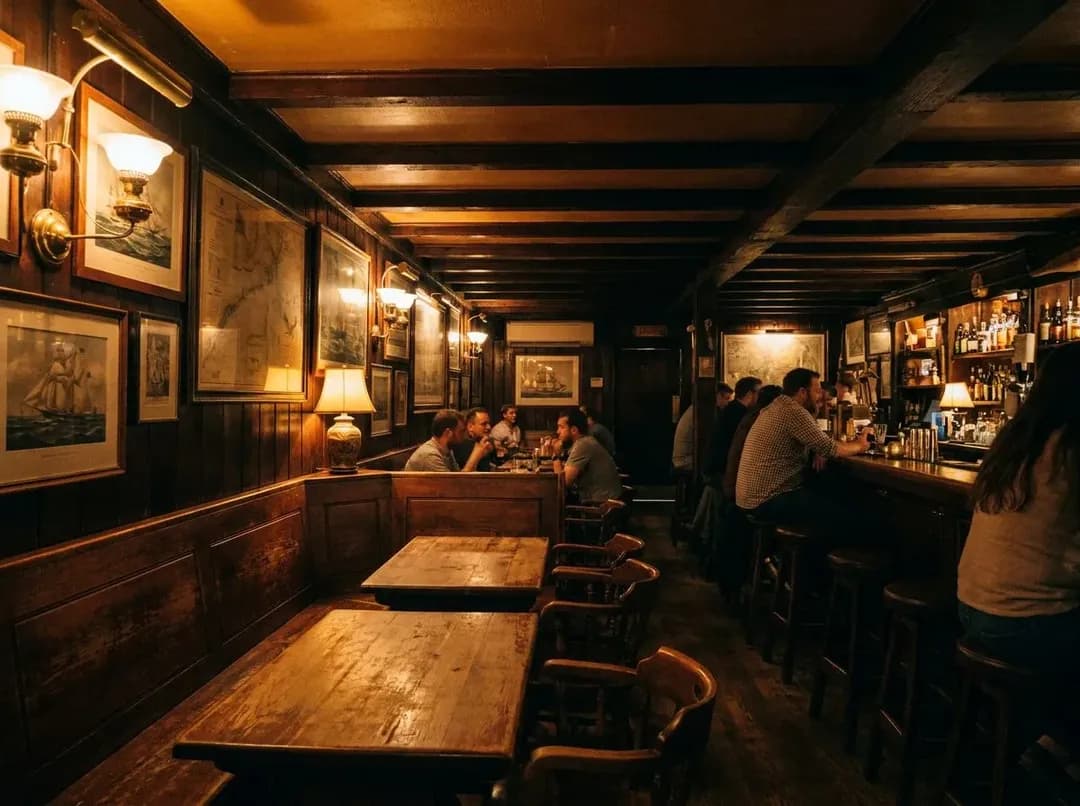
Ear Inn's corner booth when the Hudson wind rattles the windows
Manhattan's oldest bar reveals its true character on February nights when Spring Street empties and the cold settles in. The corner booth by the 1817 window becomes a perfect vantage point for watching the city slow down.
The Ear Inn doesn't announce itself. The faded clapboard facade at 326 Spring Street has weathered two centuries of Manhattan ambition, surviving when neighboring structures fell to fire, speculation, and the inexorable appetite for glass towers. On a weeknight in late winter 2026, when the temperature drops and the Hudson wind funnels through the narrow streets of SoHo, this Federal-era survivor becomes something rare in New York: a place that asks nothing of you but your presence.
The geometry of the corner booth
The booth tucked against the front window is a study in trade-offs. It's the coldest seat in the house during winter months, positioned where nineteenth-century glass meets twenty-first-century drafts and loses every time. The wood creaks when you settle in, a complaint that's probably older than anyone drinking here tonight. But when Spring Street is snowy and quiet, the people-watching reward justifies the chill—passersby hunched against the wind, the occasional taxi hissing through slush, the amber glow of streetlights turning ordinary weather into something cinematic.
The booth itself is scarred pine, darkened by decades of elbows and pint glasses and the油 of a thousand conversations. No cushions, no apology. You slide in and become part of the furniture's history, another layer in the accumulation. The window beside you is original to the early-19th-century structure, wavy and imperfect, refracting the street scene into something slightly unmoored from the present.
The Tuesday night rhythm
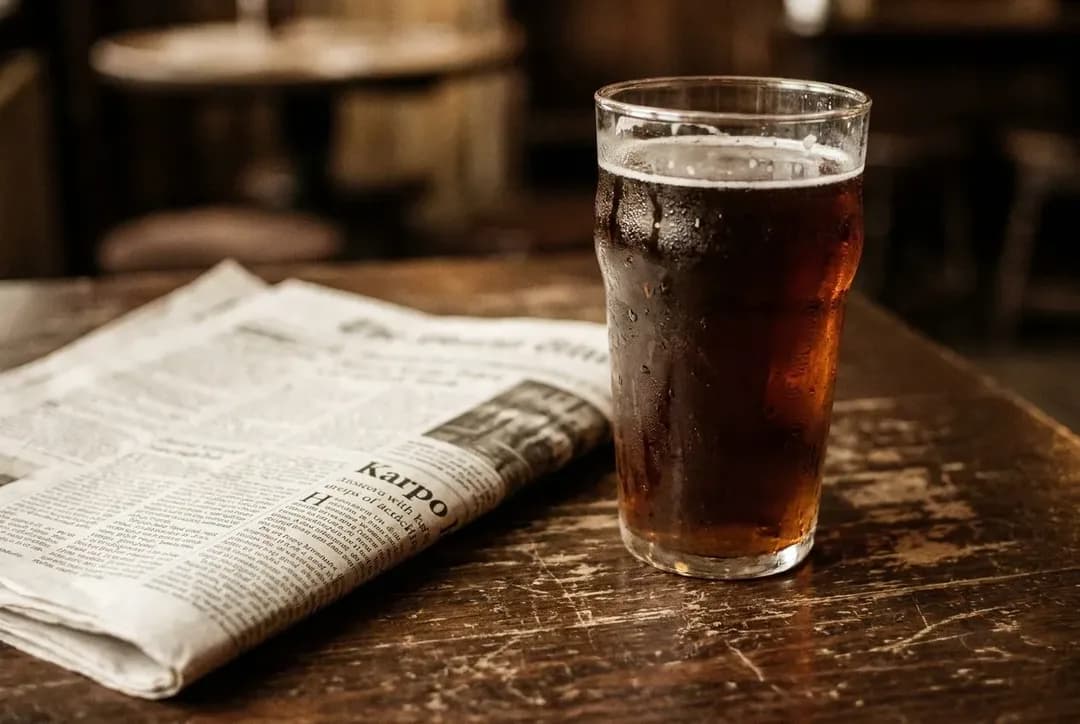
Visit on a Tuesday after nine o'clock and you'll find the bar stripped down to its essential components. Bartenders typically work alone during this shift, a staffing choice that transforms the evening's tempo entirely. Orders arrive more slowly. Conversations unspool at natural length rather than being guillotined by the next customer's impatience. Solo drinkers at the bar settle into the kind of unhurried exchange that feels increasingly anachronistic among the city's nyc restaurants and watering holes—places designed for throughput rather than lingering.
The solitary bartender moves with economy, pulling pints of whatever's on tap with the muscle memory of repetition. There's no craft cocktail theater here, no muddling or smoking or molecular garnishes. Beer, wine, standard pours. The limited menu becomes a feature rather than a bug, clarifying the evening's purpose. You're here to drink and talk and let the hours accumulate without agenda.
The flicker behind the bar
Above the taps, a vintage Schlitz sign flickers intermittently—a sputtering neon hiccup that punctuates the dim interior every few minutes. According to regulars who've occupied these same barstools since the Carter administration, this particular quirk has gone unfixed for at least three years. No one seems in any hurry to repair it. The intermittent glow has become part of the bar's vocabulary, a visual tic as familiar as the creaking floorboards or the permanent smell of beer-soaked wood.
These long-term regulars form the Ear Inn's institutional memory. They remember when Spring Street was desolate after dark, when SoHo meant artists in illegal lofts rather than Balenciaga flagships. They've watched the neighborhood gentrify in waves, each one threatening to sweep away places like this, each one somehow leaving the Ear Inn untouched. Their presence on a winter Tuesday isn't nostalgia—it's continuity, the insistence that not everything needs to evolve into its most profitable form.
Why snowstorms matter
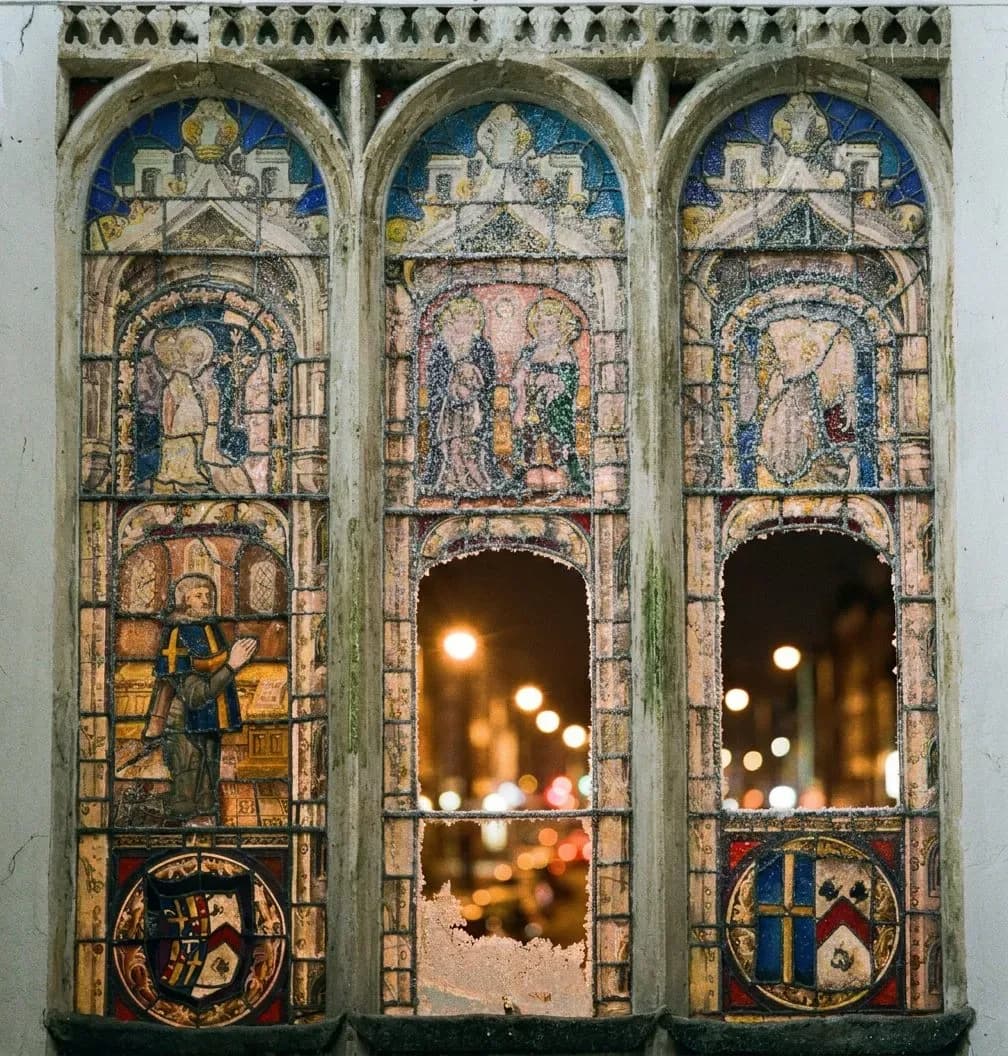
The Ear Inn reveals its full character during weather events. A February snowstorm clears out the casual traffic, the tourists consulting Google Maps, the groups looking for atmosphere to photograph rather than inhabit. What remains is local and self-selecting: people who chose to walk through accumulating snow specifically to reach this dark wooden room. The bar becomes a common shelter, a waypoint where strangers acknowledge the shared decision to be out in this weather, drinking in a building that predates the subway system.
From the corner booth, you watch the street transform. Footprints multiply and overlap in the fresh snow. Cars slow to a crawl. The city's usual velocity downshifts into something almost meditative. Inside, condensation clouds the ancient windows. The radiators clank and hiss. Someone feeds the jukebox. The separation between interior warmth and exterior cold becomes tangible, a membrane you're conscious of existing within.
What the pint service tells you
The glass arrives without ceremony—no coaster, no napkin, no craft-beer dissertation. It's cold, properly filled, set down with a bartender's efficient thunk. This is drinking as utility rather than performance, which at this point in the city's evolution feels quietly radical. The beer is good enough. That's sufficient. The room doesn't need your Instagram approval to validate its existence.
This unpretentious service model has kept the Ear Inn operating since 1819, through depressions and pandemics and the endless churn of New York real estate. The bar knows what it is. You either want that or you don't. There's no mission statement on the wall, no branded merchandise, no attempt to be anything other than a room where people have been drinking for longer than anyone can personally remember.
The staying power of worn wood
By your third pint, the corner booth's cold doesn't bother you anymore. Your body has adjusted, or the alcohol has, or perhaps you've simply accepted the terms of the exchange. Outside, the snow continues. Inside, the Schlitz sign flickers again. The bartender refills someone's glass. A couple shakes snow from their coats and claims the booth opposite yours. The radiator clanks its irregular percussion. Nothing momentous happens, which is exactly the point.
This is what survival looks like for a Manhattan bar entering its third century—not reinvention, not adaptation to trending aesthetics, but a stubborn insistence on remaining precisely what it's always been. The creaking booth, the drafty window, the slow Tuesday nights. The same wooden room, the same basic transaction, the same refuge from a city that rarely slows down enough to let you simply sit and watch the snow fall on Spring Street.
Practical notes
The Ear Inn sits at 326 Spring Street near Greenwich Street, on the corner of Spring and Greenwich near the western edge of SoHo. Nearest subway: 1 train to Canal Street, then a ten-minute walk west; or the C/E to Spring Street. Street parking exists but remains predictably challenging. The bar keeps evening hours most nights; verify timing directly before making the trek, particularly during winter weather. The space is small, with several steps at the entrance—accessibility is limited. Bring cash as backup, dress warmly if you're claiming that corner booth, and don't arrive expecting craft cocktails or an elaborate menu. This is a beer-and-conversation establishment, refined over two centuries into its essential form.
Tags: #PullUpAChair #EarInn #SoHo #NYCBars #WinterInNYC #ManhattanNights #HistoricBars #SpringStreet #OldNewYork #NeighborhoodBars #NYCWinter #TuesdayNight #SnowDayNYC #QuietNights #LocalsOnly
Please drink responsibly. Must be of legal drinking age.
All trademarks are the property of their respective owners.
Ask Karpo for more information.
Keep reading
- Live Jazz Near Me in Lincoln Square: Dizzy's Club
 Live Jazz Near Me in Hell's Kitchen: Birdland Jazz Club
 Live Jazz Near Me in Greenwich Village: Mezzrow Piano Lounge