The smell hits before the presses come into view — machine oil, paper dust, something faintly metallic that belongs to another century. Tucked into Dumbo's cobblestoned arts corridor, a letterpress studio operates on a model that feels almost radical in its simplicity: rent the equipment by the hour, learn enough to be dangerous, leave with something printed. The space draws graphic designers testing analog waters, couples printing their own wedding invitations, and the occasional printmaking student who can't afford their own Vandercook.
Where the Ink Meets the Iron
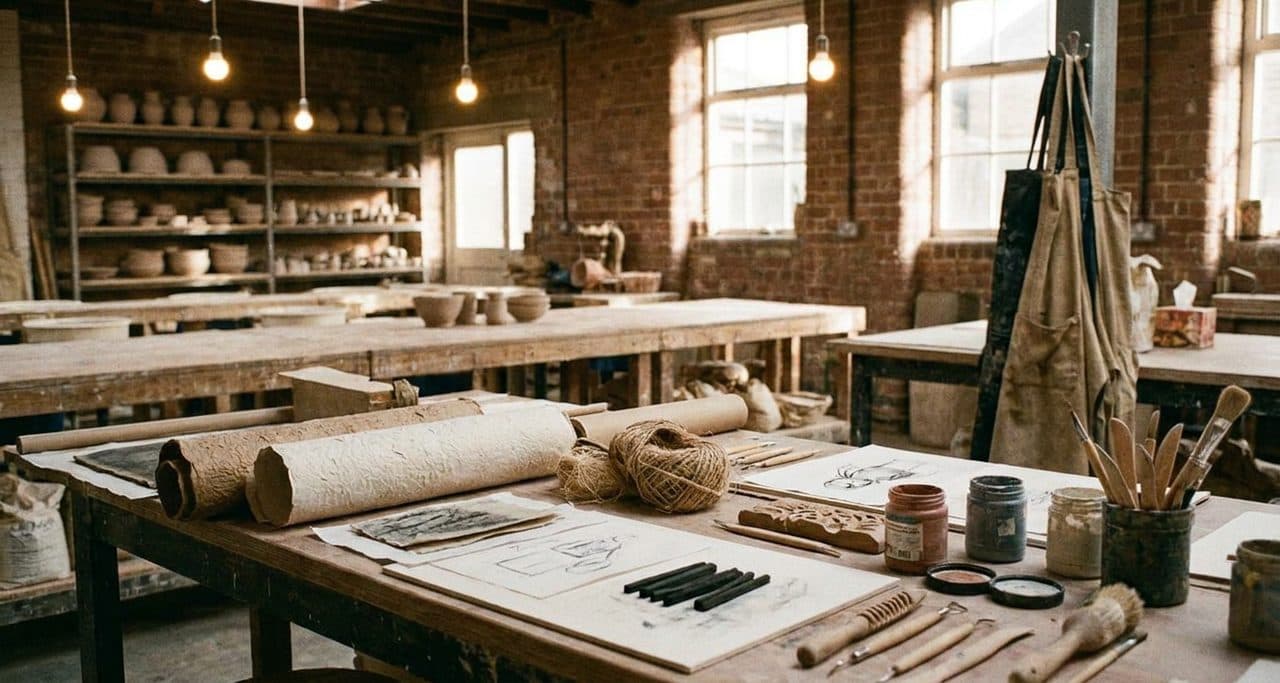
The studio occupies a ground-floor industrial space, the kind of raw Brooklyn real estate that once housed small manufacturers and now incubates creative ventures. Natural light floods through tall windows facing the waterfront direction, though most of the serious work happens deeper inside, where vintage presses line the walls like sleeping machines waiting to be woken. A resident dog — a calm, grey-muzzled mutt who has become something of a studio mascot — tends to greet visitors near the entrance before padding back to a bed wedged between supply shelves. First-timers often spend their initial minutes just walking the perimeter, running fingers along type drawers and breathing in the particular atmosphere of a working print shop.
The Machines and Their Temperaments
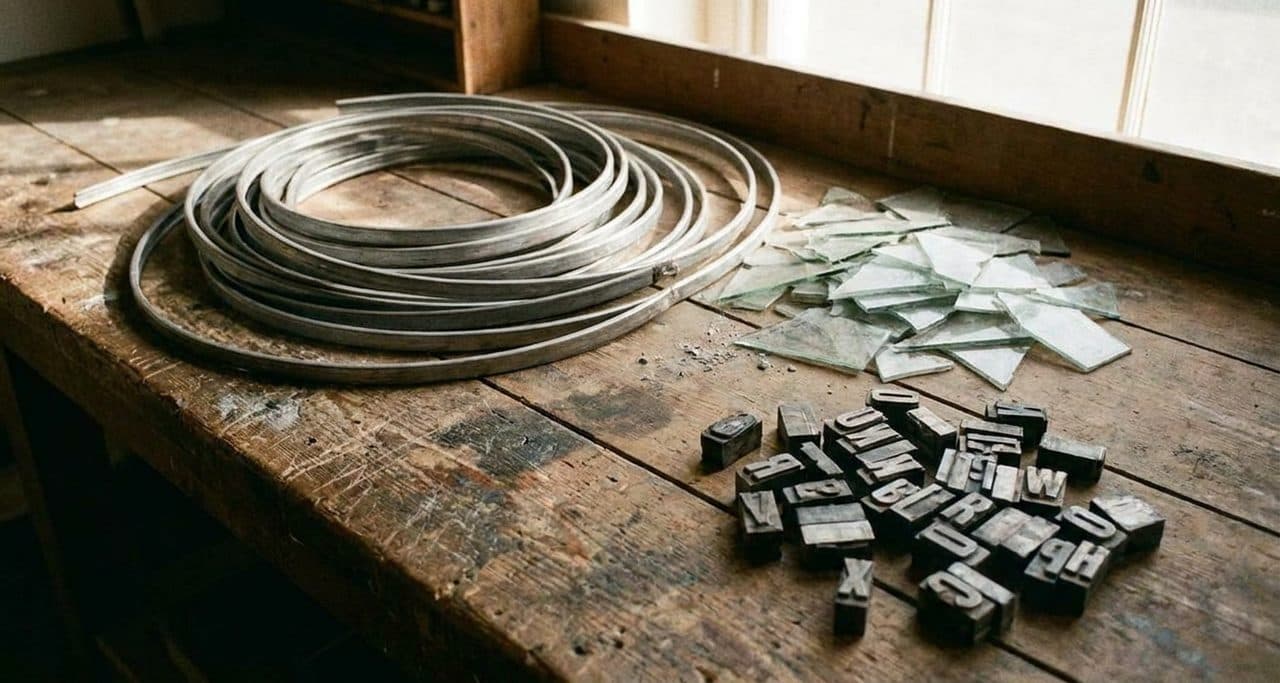
Not all presses are created equal, and the studio's collection spans several generations of printing technology. Beginners typically start on tabletop platen presses — smaller, more forgiving machines that teach the fundamental rhythm of inking, feeding, and pressing without overwhelming the uninitiated. These presses demand attention but reward patience, producing clean impressions once the operator finds the right pressure and timing. The larger Vandercook proof presses occupy prime floor space, their horizontal beds and rolling cylinders representing the next level of complexity. These require demonstrated competence before rental, a sensible policy given that a misaligned roller or rushed pull can damage both the work and the machine. Regulars who have earned Vandercook privileges tend to arrive with specific projects in mind — small-run posters, artist books, edition prints that justify the learning curve.
What Gets Made in Two Hours
The drop-in session structure accommodates a surprising range of projects, though realism serves everyone better than ambition. A two-hour block gives most beginners enough time to set a few lines of metal type, proof their composition, make adjustments, and print a modest run — think business cards, simple bookplates, or a single broadside with minimal text. The studio maintains a lending library of wood and metal type, plus a selection of photopolymer plates for those who arrive with digital designs ready to translate into relief. Wedding invitation season brings a particular crowd: couples who want the tactile satisfaction of printing their own announcements, often booking multiple sessions to complete runs of fifty or a hundred. The staff has learned to gently calibrate expectations — letterpress rewards simplicity, and the most striking pieces tend to be the least complicated.
Tuesday Rhythms and Weekend Rush
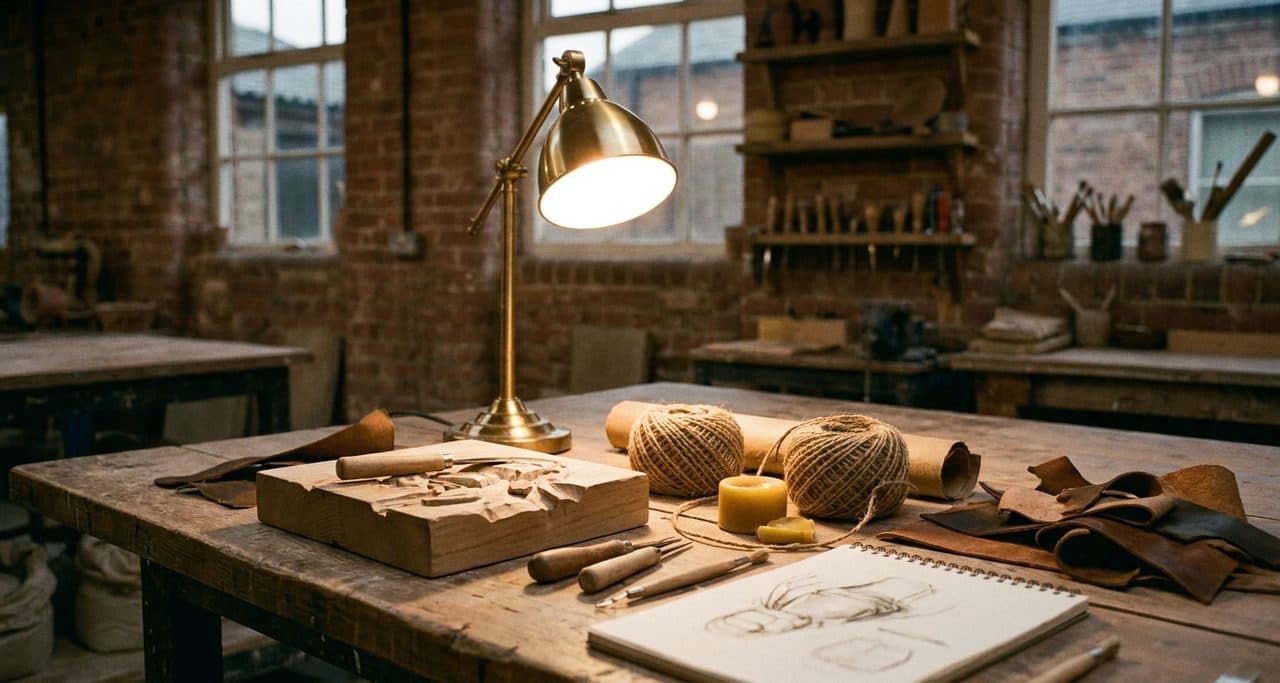
Timing matters more than most visitors realize. Tuesday open-studio sessions run at a lower hourly rate than weekend slots, a pricing structure that attracts freelancers with flexible schedules and students stretching limited budgets. The midweek atmosphere tends toward quiet concentration, with fewer people competing for press time and more opportunity for unhurried experimentation. Weekends bring a different energy — couples working on projects together, birthday parties that have booked group sessions, the general bustle of people treating the studio as an experience rather than a workspace. Neither mode is wrong, but the savvy first-timer books a Tuesday afternoon, learns the basics without audience pressure, then returns on a busier day once the fundamentals feel solid. The dog seems to prefer the quieter sessions too, more likely to wander over for a scratch when the room isn't crowded.
The Dumbo Context
The studio exists within a specific ecosystem, part of Dumbo's long evolution from industrial waterfront to arts district to something more complicated. The neighborhood still supports working artists and makers, though rising rents have pushed many toward the margins. A letterpress operation survives here partly because the equipment itself resists easy relocation — those presses weigh hundreds of pounds each — and partly because the clientele values the setting. Walking to the studio means passing galleries, design firms, and the occasional film shoot using the photogenic bridge views as backdrop. The creative energy is real if increasingly curated, and the letterpress space functions as both participant and counterpoint: a place where the work is physical, the machines are old, and the results depend entirely on the operator's hands.
The Particular Satisfaction
There is a moment in every successful print session when the press makes contact and the paper receives the impression. The sound is distinctive — a firm, satisfying thunk that announces the transfer of ink to surface. First-timers often pause after their initial clean pull, holding the still-wet print at arm's length with an expression somewhere between surprise and pride. The satisfaction is partly about making something tangible in an increasingly digital world, but it runs deeper than that. Letterpress printing requires presence. The mind cannot wander to email or social media when hands are feeding paper into a moving press. The studio offers, in its modest way, a two-hour vacation from distraction — a chance to focus entirely on a single physical task and emerge with proof of the effort.
Practical Notes
The studio sits within walking distance of the York Street F train station, also reachable via the waterfront ferry landing at Dumbo. Reservations are strongly recommended, especially for weekend sessions or groups larger than two. The booking system operates online, with hourly slots available most days from late morning through evening. Complete beginners should expect to spend the first portion of any session on orientation — learning safety protocols, understanding the equipment, selecting type. Bringing a simple design concept saves time; arriving with overly complex ambitions invites frustration. Closed-toe shoes are required on the press floor. The dog is friendly but not a guaranteed presence — some days involve vet appointments or home rest.
Tags: #LetterPressBrooklyn #DumboArts #PrintmakingNYC #AnalogCraft #CreativeWorkshops #BrooklynMakers #TypeAndPress #HandPrinted #NYCCreatives #VandercookPress #WeddingDIY #ArtisanPrinting #BrooklynWeekend #MakeThingsWithHands
Sources consulted: timeout.com · nycgo.com · thrillist.com
All trademarks are the property of their respective owners.
Ask Karpo first
Want to know whether this week's drop-in session has spots available, which press setup is right for a complete beginner, and how long a first session usually runs? Ask Karpo for real-time availability and a Dumbo creative afternoon route.