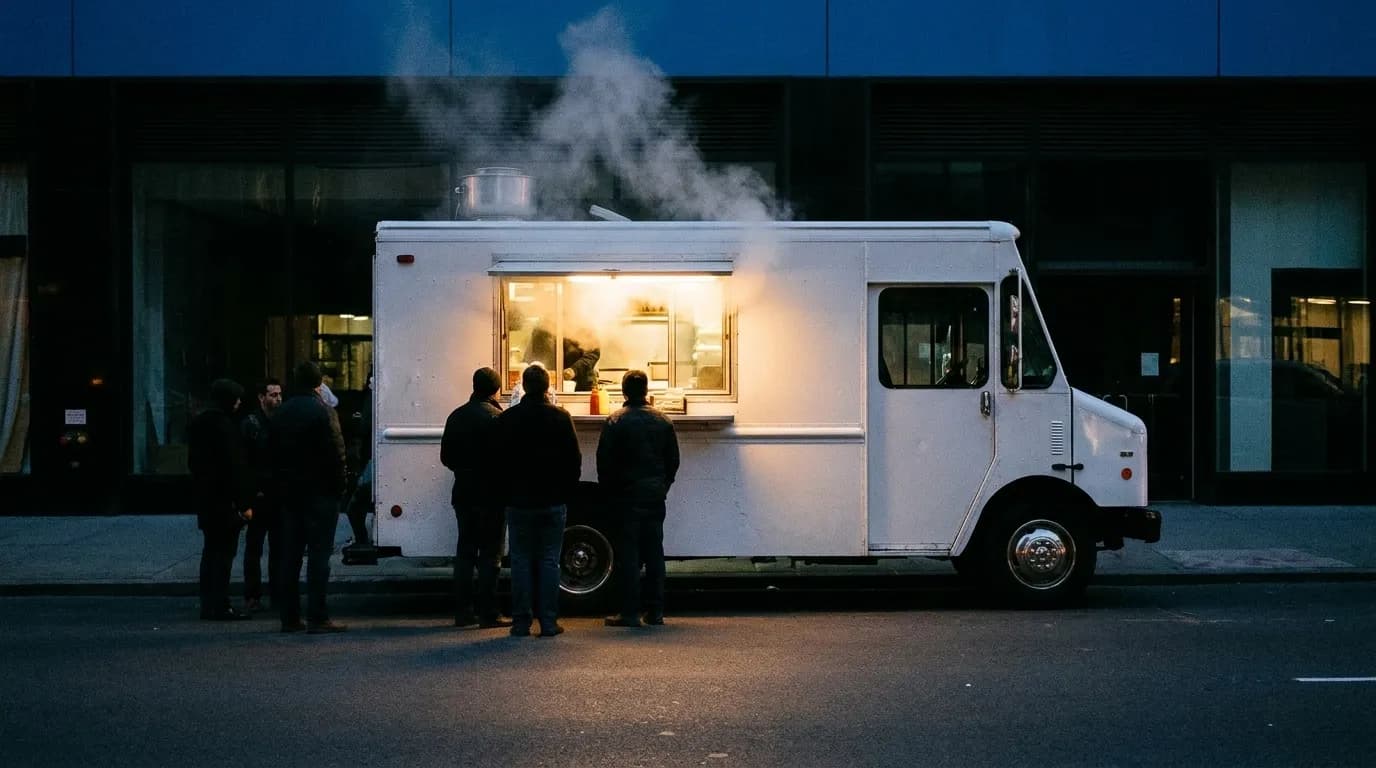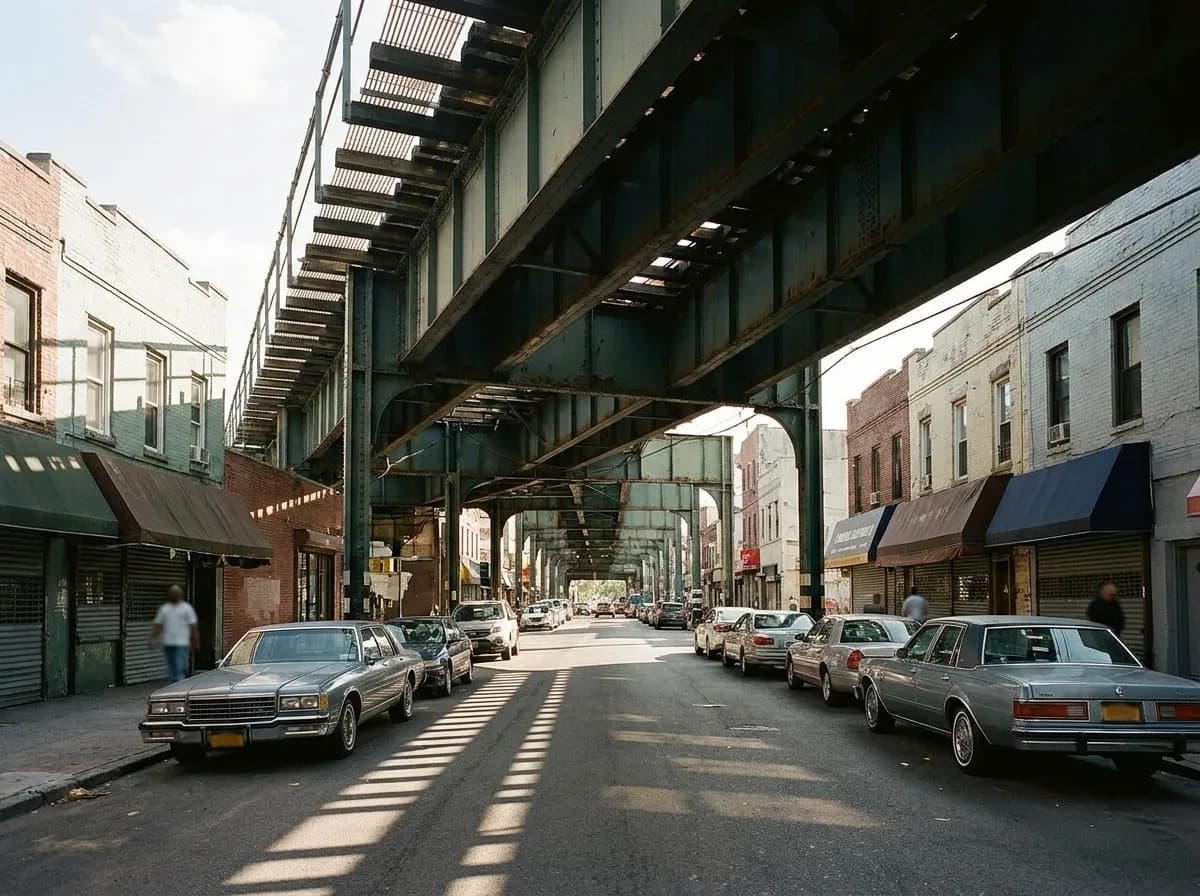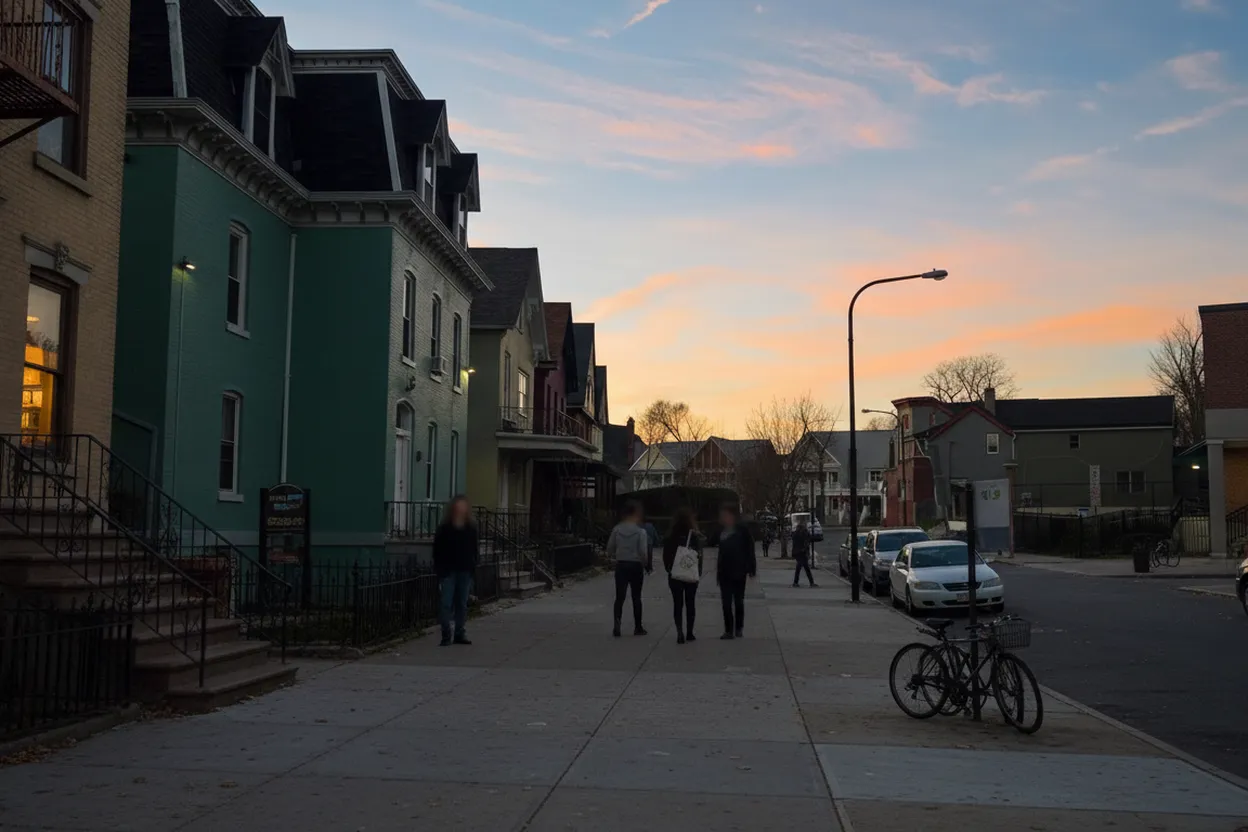
Tribeca's "Dream House" offers a singular escape from the city's relentless pace, presenting an environment where sound and light coalesce into a meditative experience. This isn't a quick stop; it's a destination for those seeking profound sensory immersion and a recalibration of perception. Conceived by La Monte Young and Marian Zazeela, it's a testament to sustained artistic vision, providing an enduring space for contemplation. For the New Yorker or visitor who values depth over diversion, and quietude over clamor, planning a visit to the Dream House promises an encounter unlike any other urban attraction.
Want a personalized itinerary that includes the Dream House and other unique NYC spots? Text Karpo your interests, and we'll craft your perfect day.
Understanding the Ethos of Dream House
The Dream House is not merely an exhibit but an environment, a "Sound and Light Environment" as it's precisely described. It operates on principles of sustained tones and carefully modulated light, designed to induce a state of altered perception and deep listening. Visitors are encouraged to surrender to the experience rather than actively seek out individual elements. This approach distinguishes it from conventional art installations, demanding a different kind of engagement from its audience.
The creators, La Monte Young and Marian Zazeela, are pioneers in minimalist art and music, and their influence is palpable throughout the Dream House. Understanding this lineage helps frame expectations: this is a work of sustained, deliberate artistic research, not a fleeting spectacle. Approaching it with an open mind and a willingness to simply 'be' within the environment will yield the most rewarding experience.
Pacing Your Visit: The Art of Slow Observation
Unlike most NYC attractions, the Dream House rewards extended, unhurried visits. Rushing through will diminish its impact, as the subtle shifts in sound and light often require time for the senses to adjust and truly perceive. Allocate a minimum of 45 minutes to an hour, but ideally, plan for 90 minutes or more if your schedule allows. Consider this time an investment in sensory recalibration, a deliberate pause in your day.
The optimal way to experience the Dream House is to find a comfortable spot, sit or recline if possible, and allow the environment to wash over you. Resist the urge to constantly check your phone or engage in conversation. Let your eyes adjust to the light and your ears attune to the intricate sonic tapestry. Many visitors report that the experience deepens significantly after initial acclimation, revealing layers not immediately apparent.
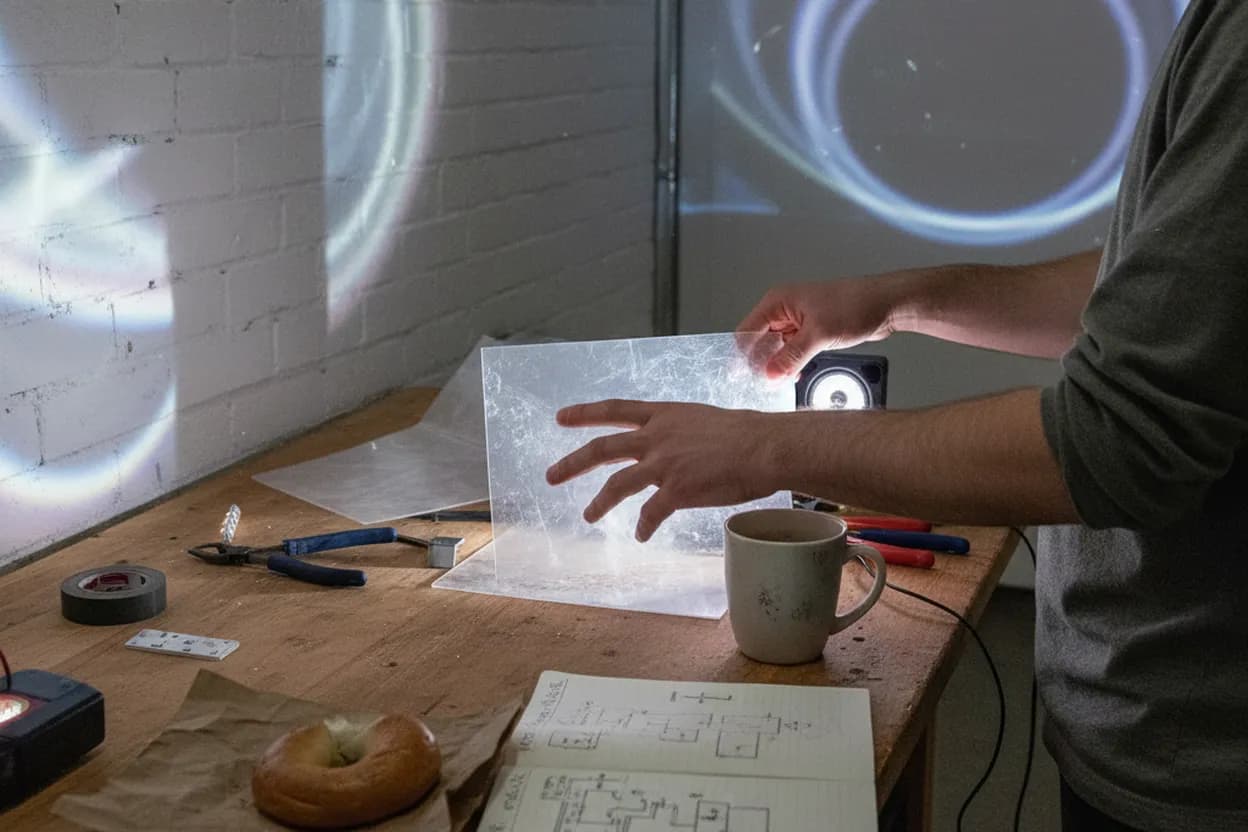
Who Will Appreciate This Unique Offering?
The Dream House is particularly suited for individuals drawn to experimental art, minimalist aesthetics, and meditative practices. Those who find solace in quiet environments, who appreciate subtle sensory phenomena, or who are curious about the interplay of sound and light will find this a compelling destination. It's an ideal experience for solo contemplation or for a very small, like-minded group comfortable with extended silence.
Conversely, it may not appeal to those seeking high-energy entertainment, interactive exhibits, or traditional visual art. Individuals with limited patience for abstract experiences or those who prefer constant stimulation might find the Dream House challenging. It's a niche experience, but for its intended audience, it offers profound artistic and personal resonance.
Navigating Potential Disruptions
The immersive nature of the Dream House makes it susceptible to external disruptions. Loud conversations or sudden movements by other visitors can break the delicate atmosphere. If you encounter such instances, try to shift your focus back to the sound and light, or consider moving to a different spot within the environment. Remember that the space encourages quietude, and contributing to that silence benefits everyone.
Another potential disruption can be your own internal chatter. The quiet environment might highlight mental distractions or restlessness. Instead of fighting it, acknowledge these thoughts and gently guide your attention back to the sensory input. Treat any internal noise as part of the overall experience, a challenge to be overcome through patient observation.
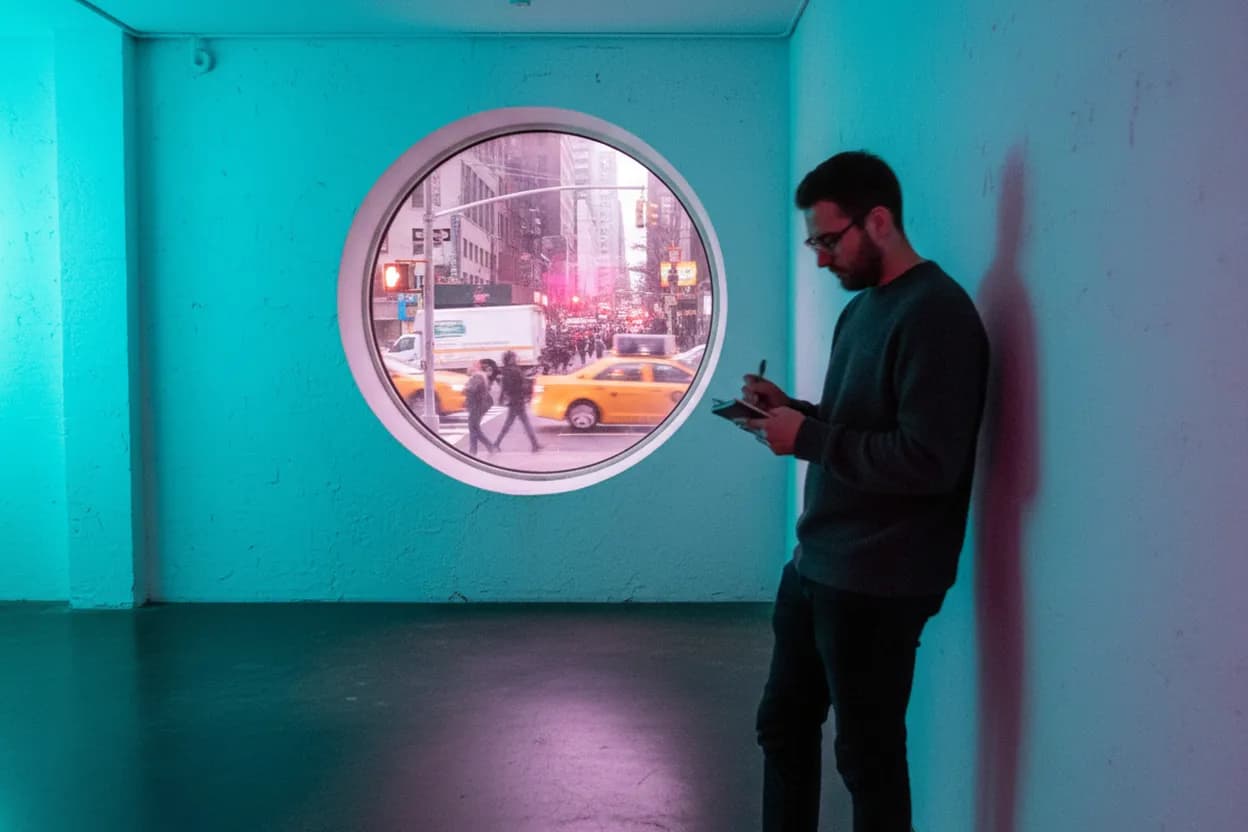
Preparing for Your Visit: Practical Considerations
Comfort is key for an extended, meditative experience. Wear comfortable clothing and shoes, as you may be sitting or standing for a prolonged period. Consider leaving bulky bags or coats at home or utilizing available storage options if provided. The less physical distraction, the easier it will be to fully immerse yourself in the environment. Arriving well-rested and with an open mind will also enhance your experience.
While specific information on accessibility, facilities, or amenities is not consistently provided, it is generally good practice to assume minimal services in such unique art spaces. Plan to use restrooms before or after your visit and bring any personal items you might need, such as a small water bottle. The focus here is purely on the artistic environment itself.
Beyond the Experience: Reflection and Integration
The impact of the Dream House often extends beyond the immediate visit. Allow yourself time afterward to reflect on the experience. How did the sound affect your perception? What did you notice about the light? Discussing your observations with a companion, if you have one, can deepen your understanding and appreciation. This reflective period is an integral part of engaging with such profound art.
Consider how the principles of sustained attention and subtle shifts might apply to other aspects of your life. The Dream House offers a unique training ground for focused awareness, a skill that can be carried into daily routines. It's an opportunity not just to see and hear, but to learn how to truly perceive.
Final Checks Before Heading Out
Before making your way to Tribeca, it is crucial to verify the Dream House's current operating hours and any specific visitor guidelines directly on the official Mela Foundation website. As a unique art space, schedules can be subject to change, and ensuring the venue is open when you plan to visit will prevent disappointment. Look for a dedicated 'Visit' or 'Calendar' section on their site.
Additionally, confirm any entry requirements or recommendations, such as whether advance booking is necessary or if there are specific times for different types of visits. While the official source indicates the 'Dream House' as a 'Sound and Light Environment,' always double-check for any temporary installations or changes that might affect your experience. A quick check of the official site is the best way to ensure a smooth and rewarding visit.
Tags: #DreamHouseNYC #Tribeca #SoundArt #LightInstallation #MinimalistArt #NYCArt #HiddenGemsNYC #MeditationNYC #SensoryExperience #LaMonteYoung #MarianZazeela #MelaFoundation #AskKarpo #BeforeYouGo
Sources consulted: Dream House — official site · MTA service information · NYC 311
All trademarks are the property of their respective owners.
Ask Karpo first
Tell Karpo your date, group size, budget, and starting neighborhood. We’ll check current access, timing, transit, and the cleanest plan for Dream House before you head out.