 Mediterranean Food Near Me: Mandolin Aegean Bistro's Blue Garden
Hidden Gems & Odd Finds
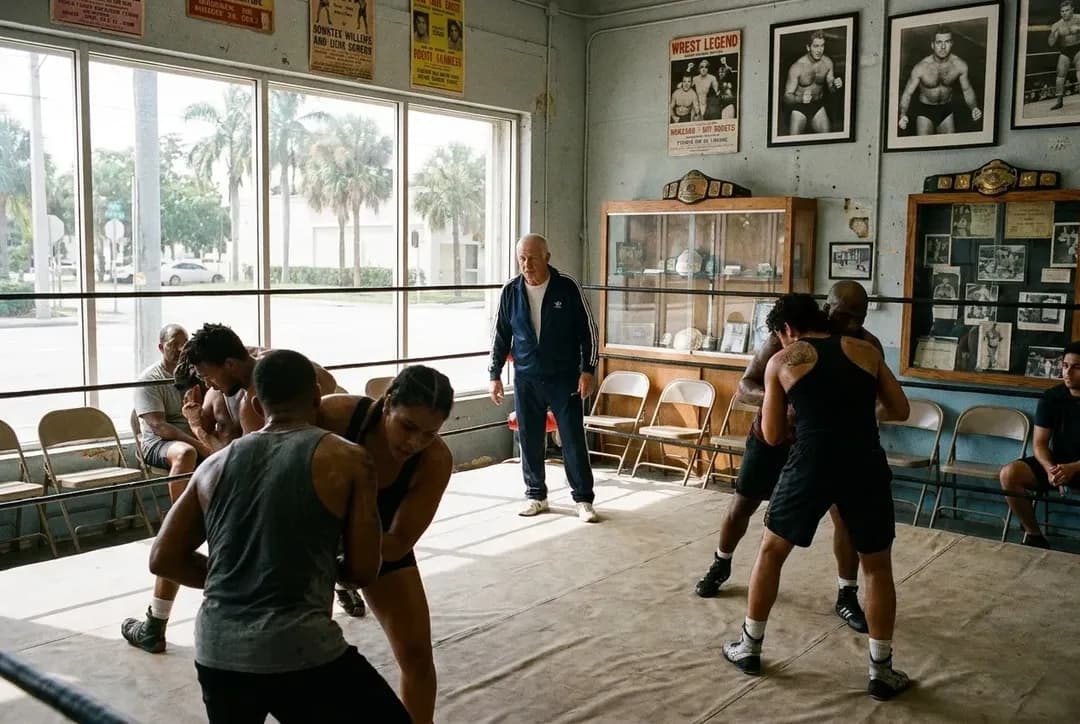
Dory Funk Jr Wrestling History: Miami Gyms With Old-School Training and Memorabilia
Miami's handful of wrestling gyms preserve old-school training methods inspired by legends like Dory Funk Jr, blending nostalgia with hands-on grappling for solo enthusiasts. Verify schedules, spectator policies, and whether memorabilia is on display before your weekday-evening visit.
Miami's wrestling scene hides a handful of gyms and martial-arts schools that keep the flame of professional wrestling's golden era alive, drawing inspiration from legends like Dory Funk Jr and the technical, territory-system roots he represents. While Dory Funk Jr himself built his legacy in the Amarillo territory and later through his Florida training camps, his influence ripples through Miami's niche venues where coaches teach catch-wrestling holds, chain grappling, and the psychology of ring storytelling. For the solo enthusiast chasing nostalgia on a weekday evening, these spots offer more than workouts—they're living museums where faded posters, championship-belt replicas, and instructor war stories collide with the smell of canvas and sweat. Yet finding the right gym means navigating tradeoffs: some prioritize competitive training over spectator access, others display memorabilia but limit open-mat times, and schedules shift with instructor availability.
Text Karpo whether you want to watch a training session or try a beginner class, your preferred Miami area, and if you're interested in lucha libre or American pro-wrestling styles. We'll send a ranked list of Miami wrestling gyms with visitor policies and a backup list of wrestling-themed sports bars if gyms don't allow drop-ins.
Verifying Class Schedules and Spectator Policies
Before committing to a weekday-evening visit, contact gyms directly to confirm current class schedules, since many wrestling programs run on rotating calendars tied to instructor availability or private bookings. Some venues welcome walk-in spectators during open sessions, allowing you to watch rope-running drills and sparring rounds from folding chairs along the wall, while others restrict observation to enrolled students or require advance permission to protect training privacy. Ask whether the gym distinguishes between beginner fundamentals classes—where you might see wrist-lock sequences and bump drills—and intermediate sessions focused on match choreography or live rolling, since the latter often showcase the old-school chain-wrestling style associated with Dory Funk Jr's teaching lineage.
Spectator policies also hinge on whether the venue doubles as a performance space for independent wrestling events; gyms hosting weekend shows may close training floors for ring setup on certain evenings, or conversely, invite curious visitors to watch rehearsals if you arrive during off-peak hours. Confirm whether photography is permitted, as some schools prohibit phones to maintain a focused atmosphere, while others encourage social-media posts that highlight vintage training equipment or wall-mounted tributes to wrestling history. If your goal is pure observation rather than participation, clarify whether a drop-in fee applies or if the gym offers free spectator nights as community outreach.
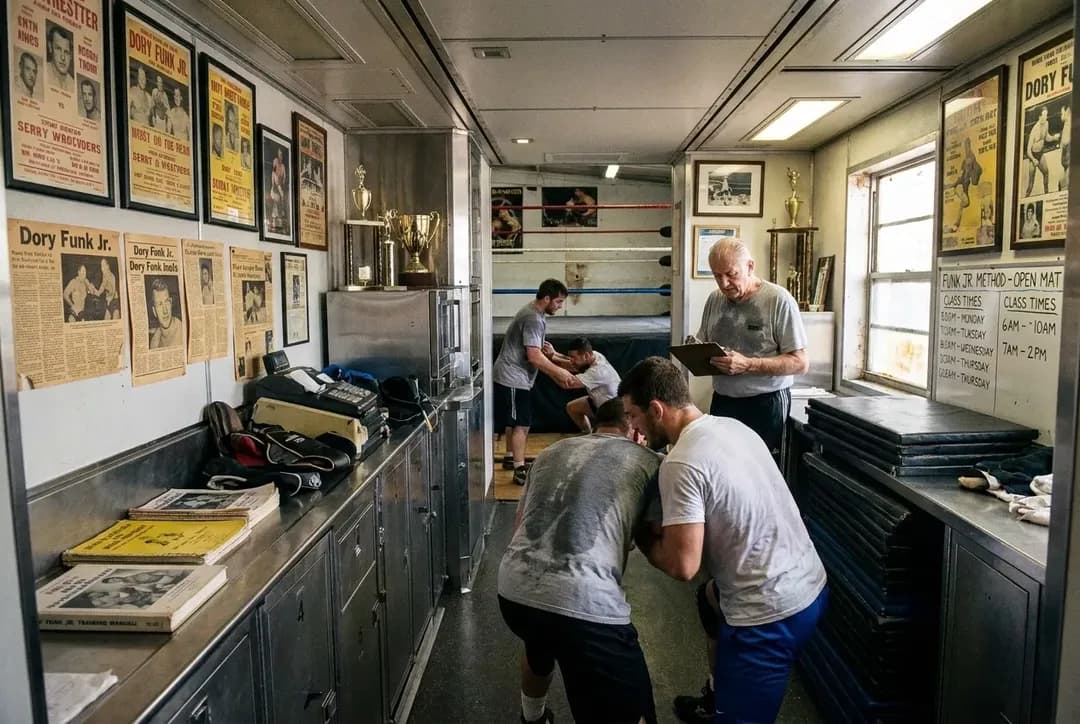
Memorabilia Displays and Historical Atmosphere
The presence of wrestling memorabilia varies dramatically across Miami's gyms, creating a spectrum from bare-bones training warehouses to shrine-like spaces where every wall tells a story. Some venues feature glass cases holding autographed 8x10s of territory-era stars, replica championship belts from defunct promotions, and yellowed programs from 1970s cards—artifacts that nod to the technical, storytelling-driven style Dory Funk Jr epitomized during his NWA World Heavyweight Championship reign. Other gyms prioritize function over nostalgia, offering spotless mats and modern equipment but minimal historical decoration, which suits trainees focused on conditioning rather than heritage.
When scouting for memorabilia-rich environments, ask whether the gym's owner or head coach has personal connections to wrestling's golden age—veterans who trained in Florida's beach towns or worked independent circuits often curate informal museums within their schools, displaying their own match-worn gear alongside photos of legends they've met. However, don't assume every gym advertising "old-school" methods will showcase physical artifacts; some emphasize technique and ring psychology through oral tradition and coaching philosophy rather than visual displays. Balance your expectations: a gym heavy on memorabilia might offer limited training hours, while a competition-focused facility with sparse decor could provide more consistent weekday-evening access.
Old-School Training Methods and Intermediate Difficulty
Miami gyms preserving old-school wrestling methods typically emphasize catch-wrestling fundamentals, chain grappling, and the deliberate pacing that defined territorial-era matches, contrasting sharply with the high-flying, spot-heavy style prevalent in modern independent wrestling. Intermediate students—those comfortable with basic bumps and lockups—will find these sessions challenging yet accessible, as coaches drill sequences like collar-and-elbow tie-ups, hammerlock reversals, and the methodical build toward finishing holds that characterized Dory Funk Jr's technical mastery. Expect instructors to critique your ring positioning, sell timing, and the subtle weight shifts that make a headlock look credible, skills that demand body awareness beyond raw athleticism.
The intermediate difficulty level also reflects the mental demands of old-school training: you'll learn to structure a match as a narrative arc rather than a sequence of moves, studying how to work a body part, build crowd sympathy, and execute clean finishes. Some gyms incorporate conditioning drills inspired by territory-era road schedules—endless Hindu squats, bridging exercises, and rope-running stamina work—that test endurance as much as technique. However, verify whether the gym separates intermediate students from advanced competitors preparing for professional bookings, since mixed-level sessions can leave you either overwhelmed by complex sequences or under-challenged by repetitive basics. Ask about the typical class size and student-to-instructor ratio, as old-school coaching thrives on hands-on correction that's difficult to deliver in overcrowded rooms.
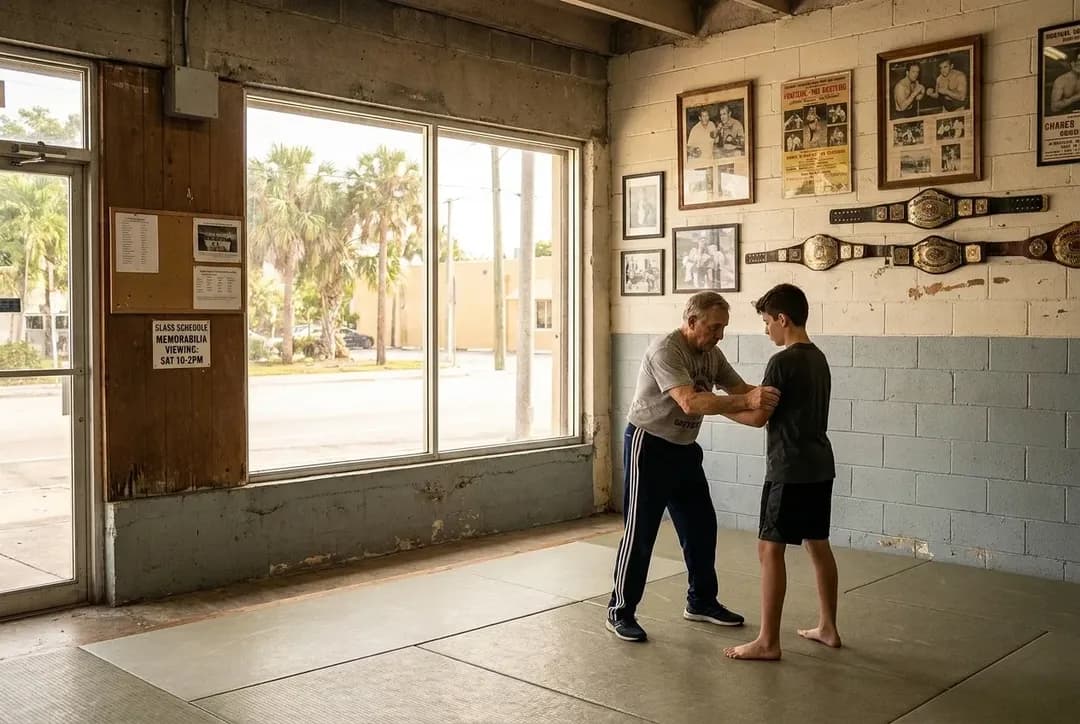
Solo Enthusiast Considerations and Weekday Timing
Visiting as a solo enthusiast offers flexibility but requires extra diligence in assessing gym culture, since wrestling training often revolves around partner drills and the camaraderie of regular training crews. Weekday evenings attract a mix of hobbyists, aspiring independents, and fitness-focused students, creating a less intimidating atmosphere than weekend sessions dominated by tight-knit competition teams. Introduce yourself to the coach upon arrival and clarify whether you're observing, participating in a trial class, or seeking ongoing training, as transparency helps gyms gauge how to integrate you into drills without disrupting established pairs.
Solo visitors should also consider transportation logistics, since many wrestling gyms occupy industrial areas or strip-mall spaces with limited street parking and minimal pedestrian infrastructure. Miami-Dade Transit's Metromover operates until 10 p.m. on weekdays, offering free service through downtown, Brickell, and Omni areas, though you'll likely need to combine it with Metrobus or rideshare for final-mile access to gyms in Allapattah, Wynwood, or West Miami corridors. Confirm whether the gym provides secure storage for bags and valuables, as training spaces in converted warehouses may lack locker facilities. Finally, gauge your comfort level with the gym's social dynamics during your first visit—old-school wrestling communities value respect and humility, so approach with genuine curiosity rather than expectations of instant insider access, and be prepared to earn your place through consistent attendance and willingness to learn.
Tradeoffs Between Training Focus and Tourist Appeal
Miami's wrestling gyms force a choice between venues optimized for serious training and those catering to curious visitors seeking a taste of wrestling culture. Competition-focused schools often limit public access to protect their students' preparation and maintain intensity, offering little in the way of guided tours or memorabilia explanations, but delivering authentic, no-frills instruction rooted in the technical traditions Dory Funk Jr championed. These gyms suit solo enthusiasts willing to commit to multiple sessions and integrate into the training community, rather than one-time visitors hoping for a curated experience.
Conversely, gyms that embrace their role as cultural preservers may offer more flexible drop-in policies, host open houses, or maintain social-media presences that highlight their historical collections and old-school ethos. However, this accessibility sometimes comes at the cost of training rigor—classes may cater to beginners or fitness clients rather than intermediate students seeking advanced chain-wrestling instruction, and peak hours might prioritize paying members over walk-in spectators. Weigh your priorities: if memorabilia and atmosphere matter most, target gyms with active online galleries and community-event calendars; if you want hands-on instruction in territory-style psychology and holds, seek referrals from local independent wrestlers or martial-arts networks that can point you toward coaches with legitimate lineage to wrestling's technical golden age. Either way, verify current operations before traveling, as niche venues often adjust schedules around instructor availability, private seminars, or the unpredictable rhythms of Miami's independent wrestling calendar.
Tags: #DoryFunkJr #Miamiwrestlinggyms #oldschoolwrestlingtraining #catchwrestlingMiami #wrestlingmemorabilia #professionalwrestlinghistory #territorywrestling #chaingrappling #independentwrestlingMiami #nichefitnessvenues #weekdayeveningactivities #soloenthusiastguide #Miamihiddengems
Sources consulted: Source 1: miamidade.gov · Source 2: miamidade.gov · Source 3: mdpls.org · Source 4: miamibeachfl.gov
All trademarks are the property of their respective owners.
Ask Karpo first
Ask Karpo to turn this Miami idea into a current plan for your date, budget, companion, transit preference, and energy level. Karpo can narrow the route and flag what to verify before you go.
Ask Karpo for more information.
Keep reading
- Mediterranean Food Near Me: Mandolin Aegean Bistro's Blue Garden
 Fast Food Near Me in Miami: Latin American Cafeteria Presses Cuban Sandwiches
 Fast Food Near Me: El Mago de las Fritas Stacks Cuban Burger