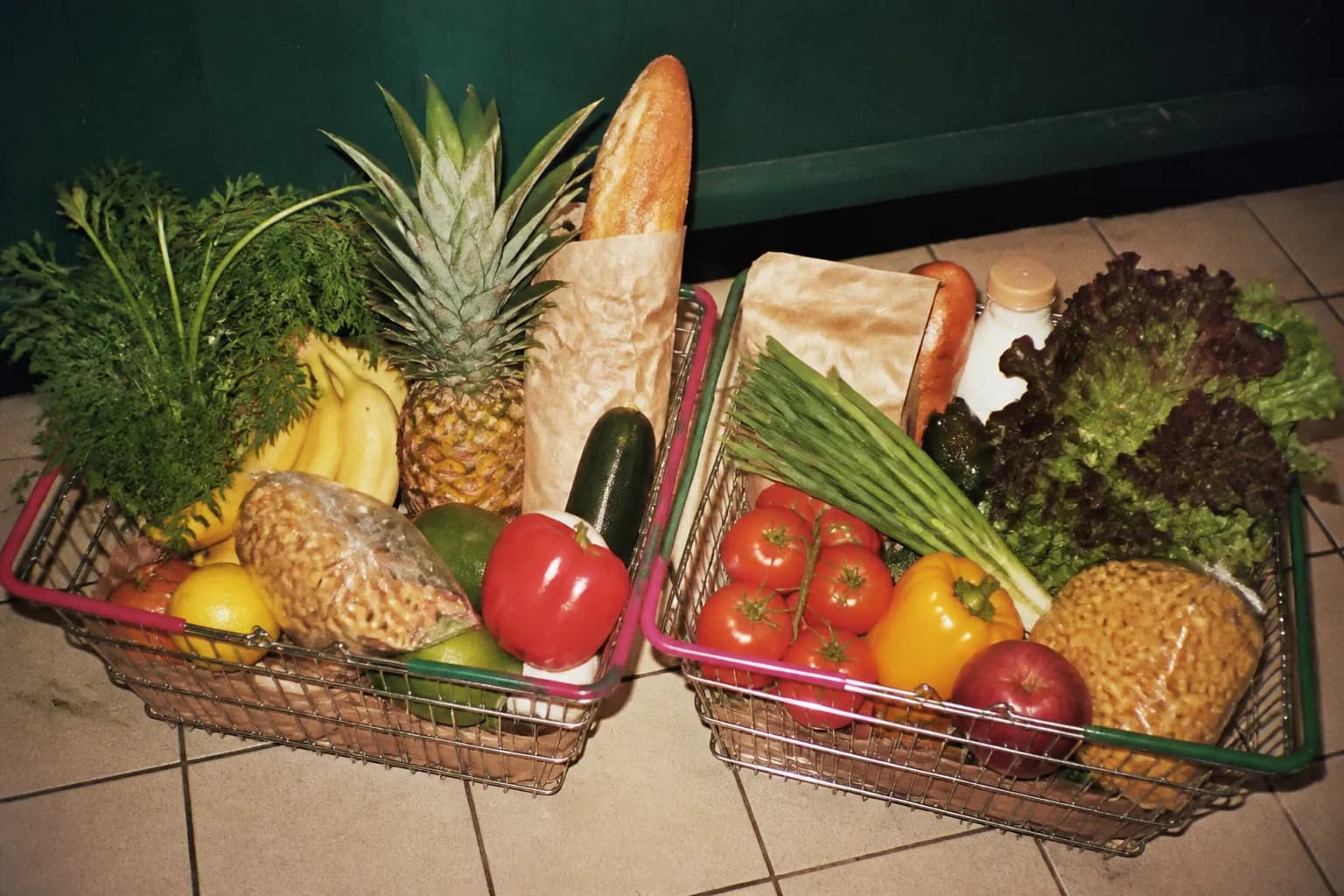
Dollar Tree vs Dollar General: which saves more? Dollar Tree sells most items at a single low fixed price, ideal for small essentials and party goods. Dollar General carries varied prices and bigger sizes, closer to a small grocery run. The winner depends on your shopping list.
How The Two Stores Differ
The core difference is the pricing model. Dollar Tree built its name on selling most goods at one consistent low price point, which makes budgeting simple and predictable. Dollar General works more like a compact general store, with a wider range of prices, brands, and pack sizes, including groceries and household staples you'd buy in larger quantities.
Where Dollar Tree Wins
For small, single-use, and party-oriented items, the fixed low price is tough to beat. When you need a handful of inexpensive things and want to know the total before you reach the register, this format shines. It's especially strong for celebrations, quick crafts, and grab-and-go basics.
- Party supplies, gift wrap, and greeting cards at a predictable price.
- Single-use and small-quantity items you don't need in bulk.
- Craft and seasonal finds worth experimenting with cheaply.
- Simple trips where a flat price keeps the math easy.
Where Dollar General Wins
For a broader shopping list, larger sizes, and pantry restocking, the wider selection can lower your cost per use even if the sticker price is higher. Bigger packs of household staples and a deeper grocery range mean fewer trips, which is handy when you're stocking up rather than grabbing one or two things.
- Larger sizes where cost per unit can come out lower.
- Grocery and pantry staples for a fuller shopping list.
- Household brands you want in bigger quantities.
- One-stop trips that cover more of your weekly needs.
Comparing Real Cost, Not Just Sticker Price
The smartest way to judge value is cost per unit, not the shelf price alone. A larger container that costs more up front can be cheaper per ounce or per use, while a low flat price is a clear win when you only need a small amount. Do a quick per-unit comparison on the specific items you buy most, since the answer changes by product.
A Simple Way To Decide
Match the store to the mission. If you're grabbing party goods, cards, or a few small essentials, the fixed-price format usually saves more. If you're doing a broader restock with groceries and larger sizes, the wider selection often wins. Many savvy shoppers simply use both, picking whichever fits the trip.

Text Karpo before you head out — it'll check who's actually open right now, remember the spots you love, and save you the endless searching.

Frequently Asked Questions
Is Dollar Tree cheaper than Dollar General?
For small, single items, Dollar Tree's fixed low price is often cheaper up front. For larger sizes and grocery staples, Dollar General can win on cost per unit. Compare the per-unit price on the specific items you buy to see which saves more.
Which store is better for groceries?
Dollar General generally carries a wider grocery and pantry range with larger sizes, so it tends to fit a fuller shopping list. Dollar Tree is better for small snacks and single items. Selection varies by location, so check what your local stores stock.