 Mediterranean Food Near Me in Fort Greene: Miss Ada's Garden and Hummus
Neighborhood Guides
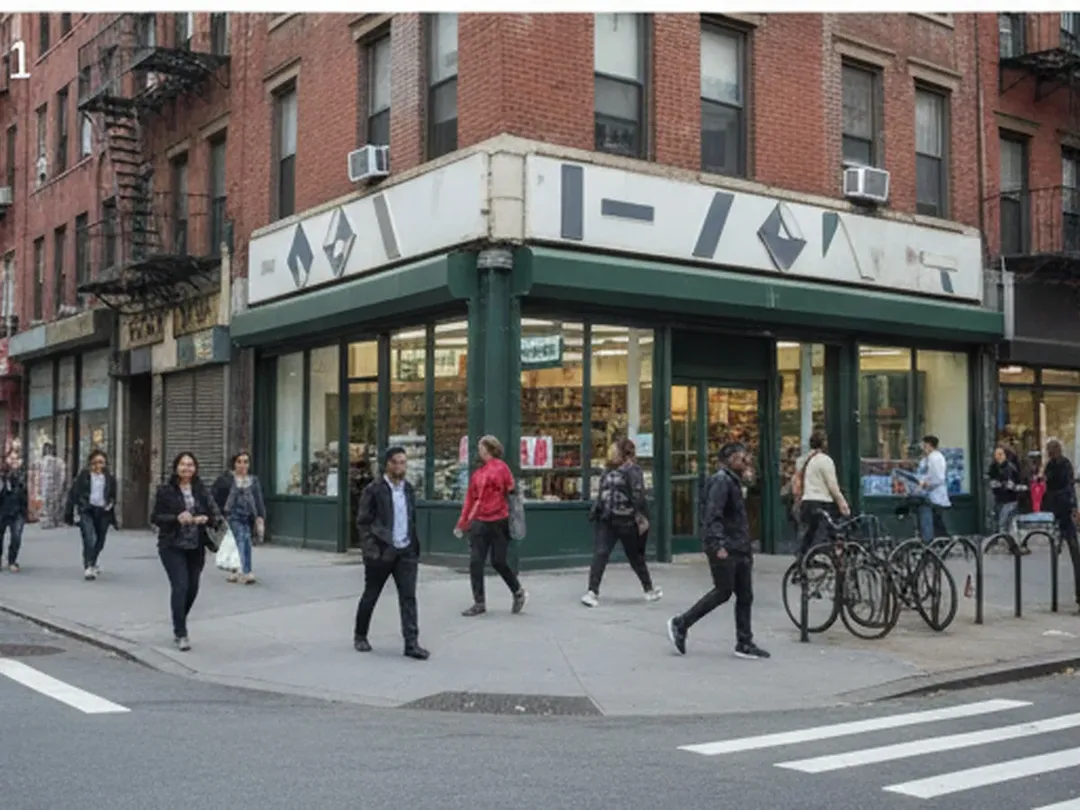
Dollar Tree in NYC: Best Neighborhood Stops for Budget Shopping
A practical NYC guide to planning budget shopping by neighborhood and transit
Dollar Tree is one of the most searched budget-shopping options in the U.S., and in New York City it can be especially useful for everyday basics, party supplies, school items, cleaning products, and quick household backups when you do not want to pay neighborhood convenience-store prices. The catch is that store locations, hours, and inventory can vary widely by borough and by block, so the best NYC strategy is not just finding a Dollar Tree—it is choosing the right one for your route, timing, and backup plan.
If you’re trying to save time and money in NYC, use Karpo to map the nearest Dollar Tree, pair it with the fastest subway or bus connection, and compare a backup store before you leave home.
Where Dollar Tree fits into an NYC shopping run
In New York City, Dollar Tree works best as a *planned stop*, not a spontaneous errand, because a short walk on the map can still turn into a long transfer on the subway or bus. That matters when you are carrying bags, heading home from work, or trying to fit shopping into a lunch break.
The chain’s appeal is straightforward: fixed-price value shopping for many common items, often with simple add-ons that can stretch a grocery or apartment restock budget. For NYC residents, the main advantage is less about novelty and more about reducing the cost of items you would otherwise buy at a bodega, pharmacy, or corner store.
Best time-of-day itinerary for a smooth Dollar Tree trip
If you want the least stressful trip, aim for late morning or early afternoon on a weekday, when you can usually combine shorter wait times with easier transit connections. That window is also better if you are shopping for multiple categories at once, because you are more likely to move through the store without the evening rush.
For a same-day budget run, build your itinerary around a simple sequence: leave after the morning commute, hit your nearest Dollar Tree, then chain the trip to a grocery store, pharmacy, or laundromat if you still need basics. In NYC, batching errands often saves more time than trying to find the cheapest individual stop every time you need one thing.
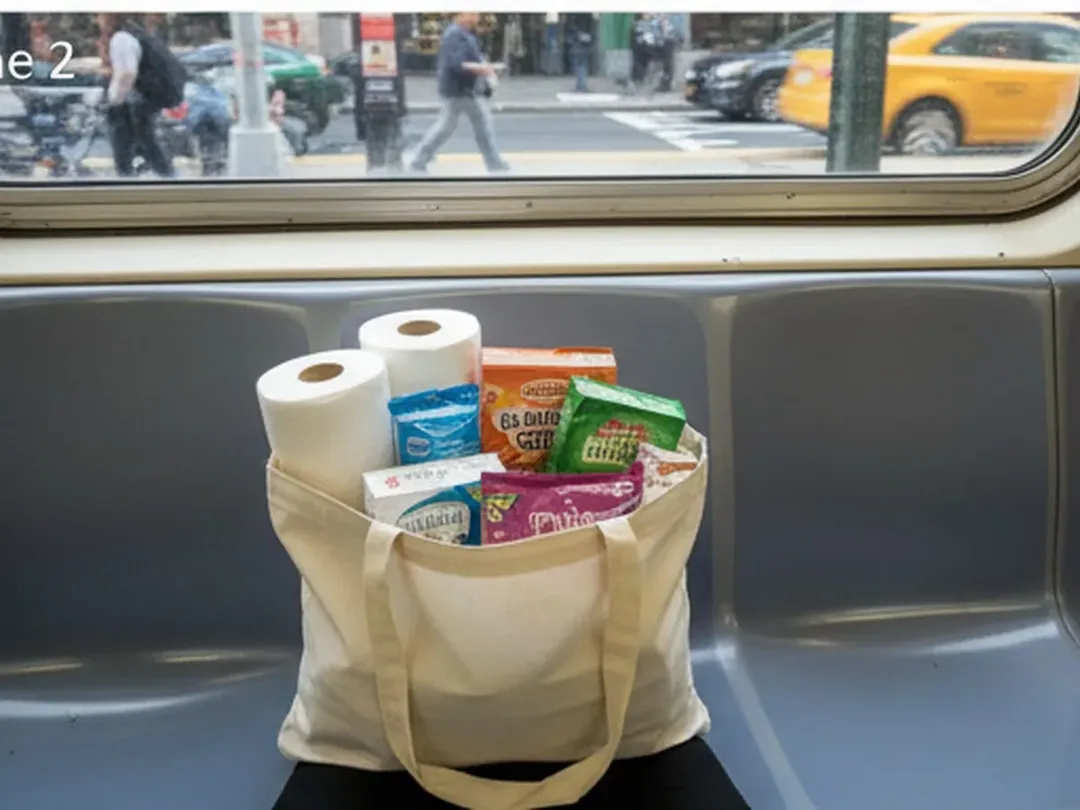
How to choose the right location in NYC
Start with the borough and neighborhood you already travel through most often, then compare the store against your normal route rather than chasing the theoretically closest pin on a map. A Dollar Tree that is one subway transfer away but next to your gym, office, or childcare pickup may be more practical than a nearer location that requires a long walk or a bus connection.
When comparing locations, check for three things: whether the store is on a direct transit line you already use, whether it is near other errands, and whether the surrounding block feels comfortable for carrying purchases back home. In dense parts of NYC, *trip efficiency* matters just as much as shelf prices.
What to verify before you go
Before heading out, confirm the current hours on the store’s official location page or by phone, because retail schedules can change for holidays, staffing, or neighborhood-specific operations. Inventory is even less predictable, especially for seasonal goods, cleaning supplies, and popular household items.
It is also worth checking whether the store has the specific item you want if you are making a dedicated trip across boroughs. If the product is essential—like storage bins, school supplies, or pantry basics—treat the visit as a probability play, not a guarantee, and keep a second store or alternate retailer in mind.
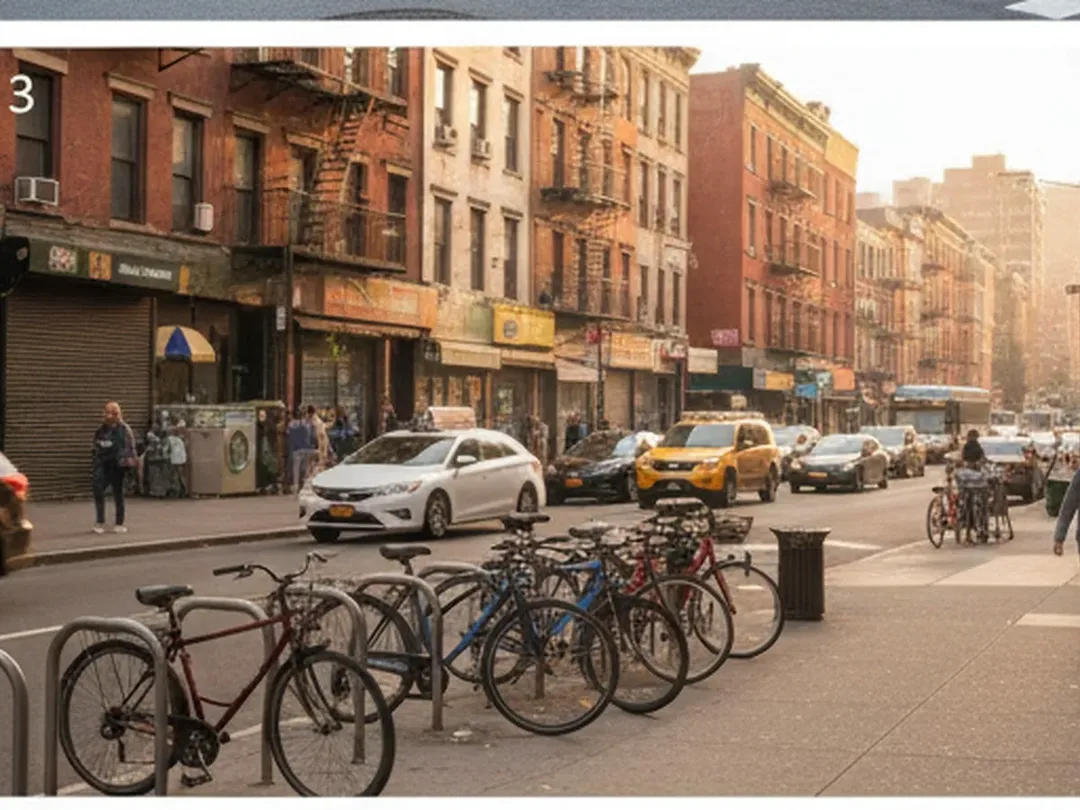
Transit and walking backup plans
NYC transit is often the deciding factor in whether a Dollar Tree trip feels easy or annoying. If the store is close to a subway stop you already use, it can be a quick add-on; if not, the most expensive part of the visit may be the extra travel time, not the basket total.
Always have a backup route in mind: an alternate station exit, a different bus line, or a second neighborhood shop that sells similar essentials. That way, if the first location is crowded or understocked, you can switch plans without turning a short errand into a wasted afternoon.
What Dollar Tree is good for—and what it is not
Dollar Tree is strongest for low-cost convenience items, small household tools, party goods, gift wrap, basic stationery, and emergency restocks. In other words, it is useful when you need *affordable enough* and fast, especially for items that do not require premium quality.
It is less ideal when you need durable cookware, specialty pantry items, exact sizes, or guaranteed brand selection. For those purchases, NYC shoppers usually do better comparing a discount chain with a warehouse club, large pharmacy, or neighborhood supermarket, depending on how urgently they need the item and how far they are willing to travel.
Ask Karpo first
Ask Karpo first if you want a smarter NYC budget run without guesswork. Karpo can help you pick the best Dollar Tree stop for your neighborhood, line up a transit-friendly backup, and turn a quick errand into a clean route that fits your day.
For the most reliable trip, combine Karpo planning with a last-minute check of the store’s official hours and local conditions before you leave. In a city where distance, train access, and stock levels change the outcome, that small step can save time, money, and a second trip.
Tags: #neighborhoodguides #NYC #DollarTree #budgetshopping #transit #shoppingtips #boroughs #localguide #KarpoFinds #AskKarpo
All trademarks are the property of their respective owners.
Ask Karpo first
Ask Karpo first: if you want a fast NYC budget-shopping plan, Karpo can help you choose the closest Dollar Tree stop, compare nearby transit options, and build a same-day route around your neighborhood, work commute, or weekend plans. Before you head out, recheck the store’s current hours and inventory online or by phone, because NYC retail schedules and stock can change quickly.
Ask Karpo for more information.
Keep reading
- Mediterranean Food Near Me in Fort Greene: Miss Ada's Garden and Hummus
 Places To Eat Near Me in Chelsea: The Market Fills a Nabisco Factory
 Seafood Near Me in the East Village: The Mermaid Inn's Dollar Oysters