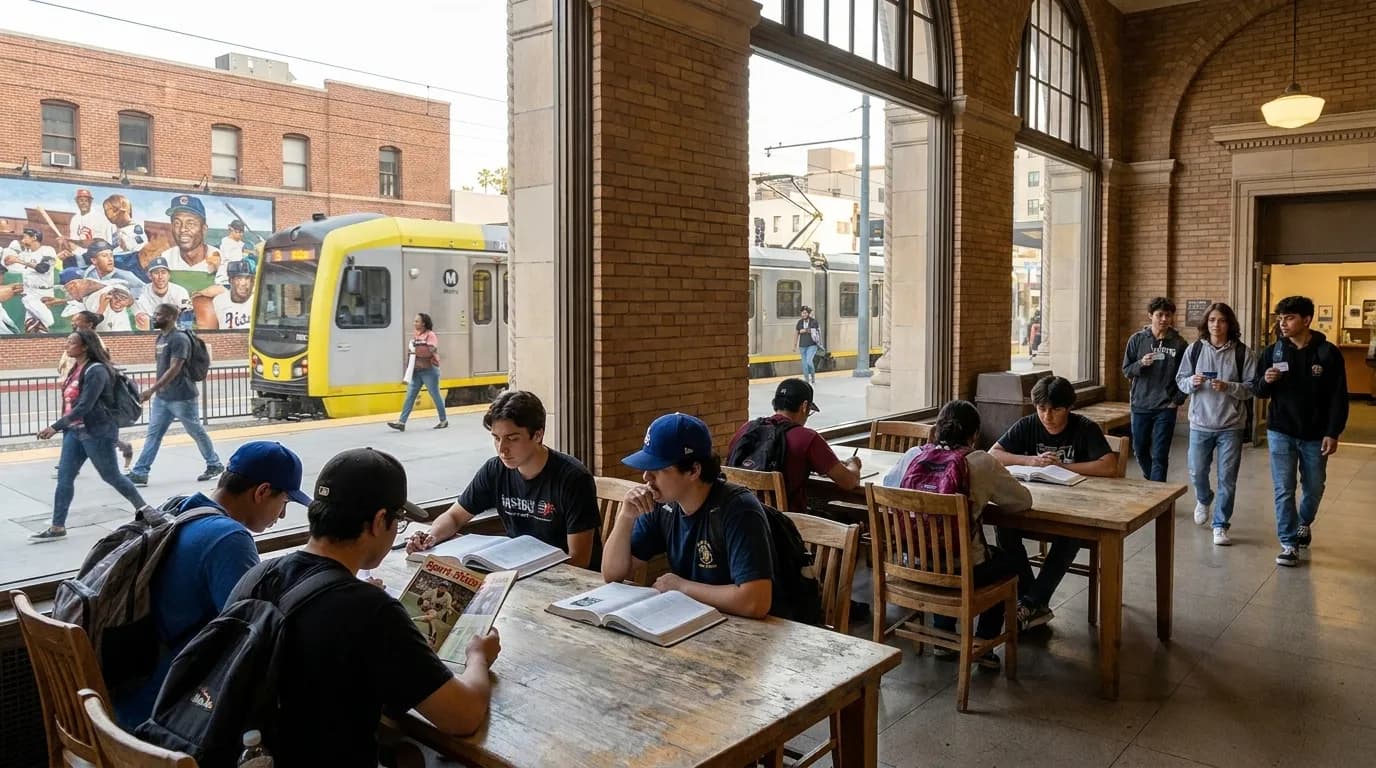
As students across Los Angeles return to classrooms and homework routines, the city's public library system provides an ideal setting for those who want to blend their passion for baseball—especially during the excitement of dodgers vs mets matchups—with productive study sessions. The Los Angeles Public Library network includes dozens of branches accessible by Metro rail and bus lines, many featuring dedicated study rooms, extensive sports history collections, and teen programming that occasionally incorporates athletic themes. For students seeking a focused environment away from home distractions, these library spaces offer free access to quiet zones, research materials, and the kind of structured atmosphere that helps turn scattered study time into consistent academic progress. Whether you're working through calculus problem sets, drafting history essays, or preparing for standardized tests, anchoring your routine around a library visit—especially one that acknowledges your baseball interests—can transform obligation into something closer to ritual.
Every student's schedule, transit access, and study preferences are different. Text Karpo to share which Los Angeles neighborhood or school you're near, your preferred study days and times, whether you're working solo or with a small group, if you need printing or computer access, and whether you follow the Dodgers, Mets, or both teams closely. Karpo will recommend specific library branches along your Metro line, suggest optimal arrival windows to secure study room space, and identify backup locations when your first choice hosts special events.
Why Libraries Work for Baseball-Minded Students
Public libraries provide structure without the pressure of commercial coffee shops or the isolation of studying alone at home. For students who follow baseball closely, knowing that a library branch holds sports history books, periodicals, or digital archives creates a mental bridge between leisure interest and academic discipline. The Los Angeles Public Library system maintains collections that include baseball history, statistics, and biographies, allowing students to reward a completed study block with fifteen minutes browsing team retrospectives or player memoirs. This thematic anchor—connecting the dodgers vs mets rivalry or any other baseball storyline to a physical study space—can make the difference between procrastination and showing up consistently.
Timing Your Library Study Sessions
Weekday afternoons between school dismissal and dinner hours typically see moderate library traffic, offering a balance between available seating and enough ambient activity to maintain focus without feeling deserted. Arriving between 3:00 and 4:30 p.m. often secures a study room or preferred desk before the after-work crowd arrives. Weekend mornings can be quieter but may see family programming that increases noise in certain sections. If your study plan depends on accessing a specific room or resource, calling ahead or checking the library's online calendar for scheduled events ensures you won't arrive to find your preferred space occupied by a community meeting or teen workshop.
Transit Access and Branch Selection
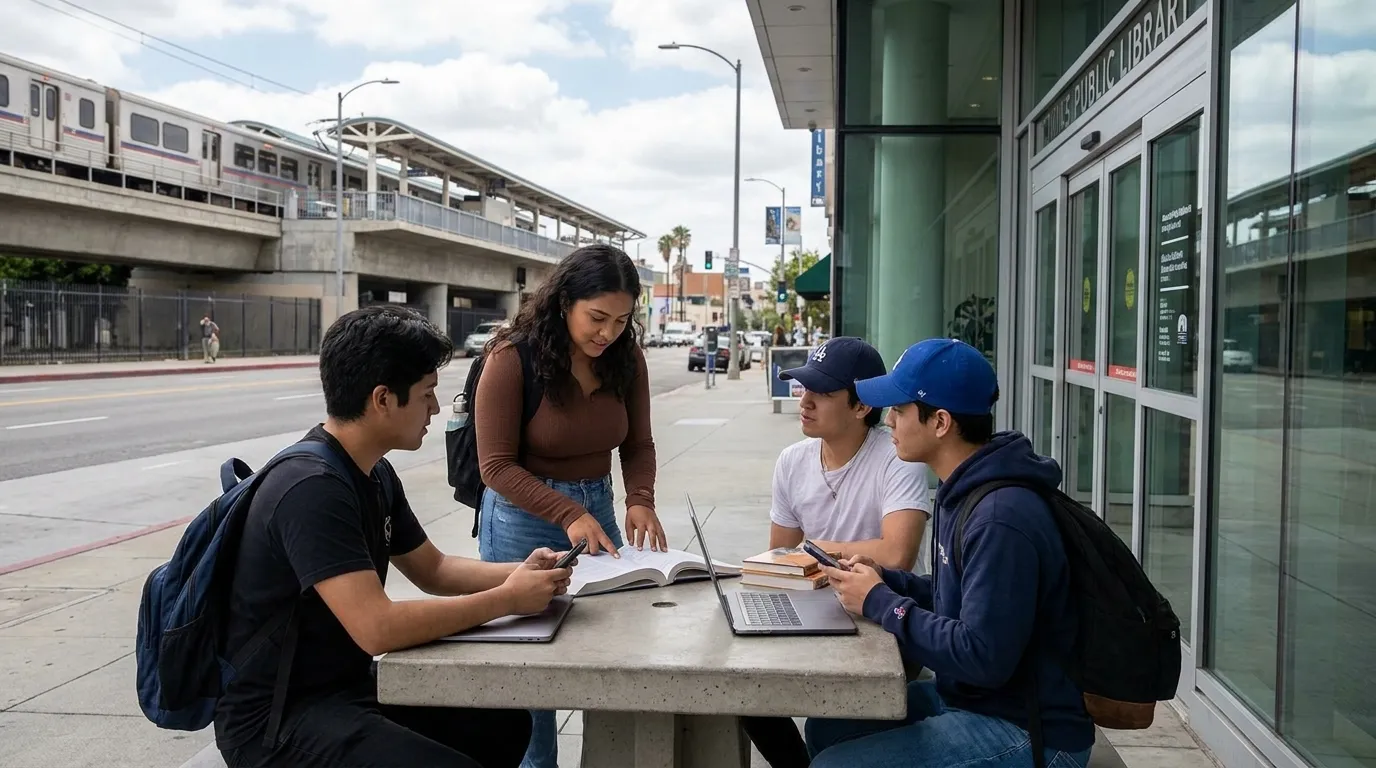
Choosing a library branch along your regular Metro line simplifies the logistics of consistent study visits. The Los Angeles Metro system connects numerous library locations, and planning your route around a single rail line means you can easily pivot to an alternate branch if your first choice is closed for maintenance or hosting a private event. Confirm your library card is active and bring a student ID; most branches require identification for study room reservations or computer access. Check Metro schedules in advance, especially if you're planning evening study sessions, to ensure return transit aligns with your household curfew or dinner commitments.
Solo Study Versus Group Work
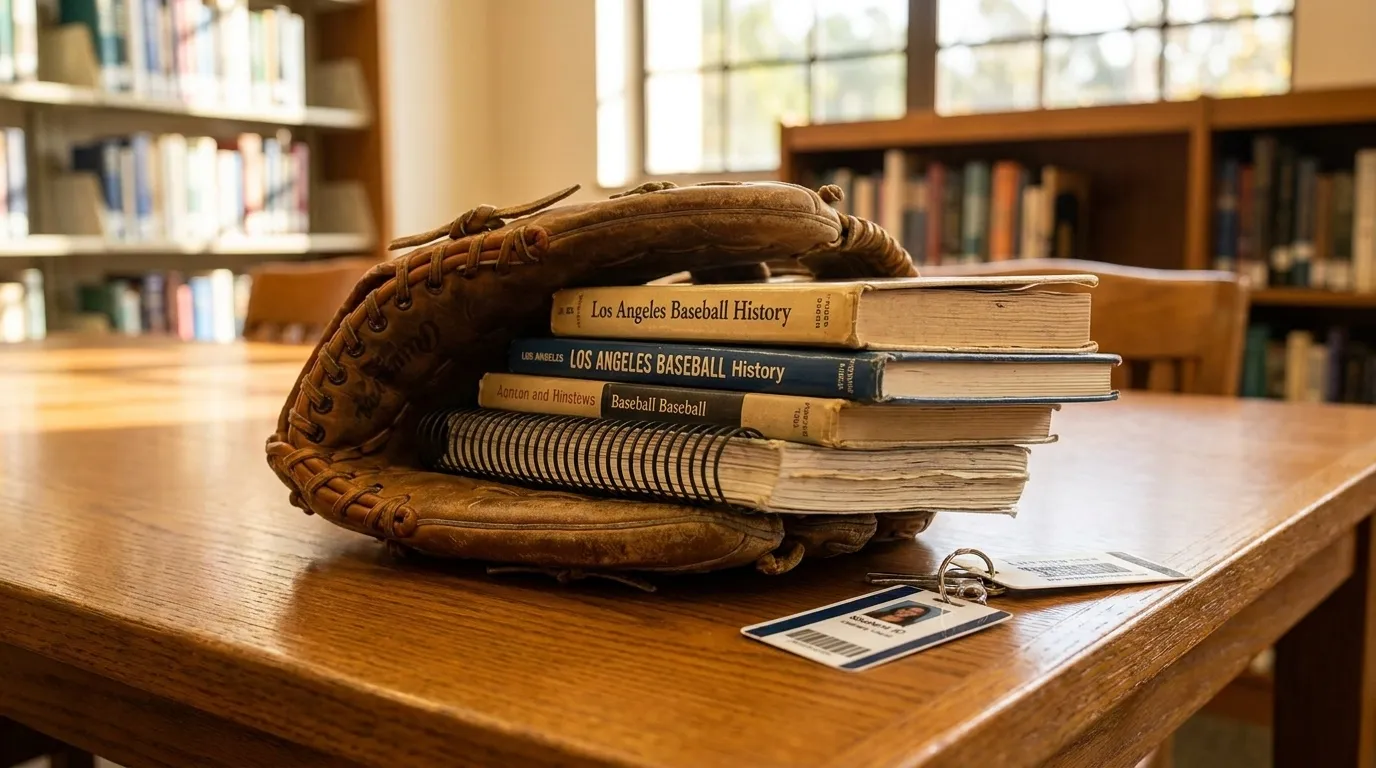
Library study rooms accommodate both solitary focus and small-group collaboration, but policies vary by branch. Some locations allow walk-in room reservations for groups of two to four students, while others require advance booking through the library's online system. Solo students often prefer open study areas with individual desks, where the presence of other focused learners creates accountability without conversation. If you're coordinating a study group around shared baseball fandom—perhaps reviewing game statistics as a break between homework subjects—confirm that your chosen branch permits group discussion in reserved spaces and that your planned visit doesn't conflict with scheduled programming.
Printing, Computer Access, and Resources
Most Los Angeles Public Library branches offer free computer access with a library card, along with printing services for a nominal per-page fee. Students needing to print essays, study guides, or research materials should bring a small amount of cash or confirm that the branch accepts card payments for printing. Computer stations typically operate on timed sessions, so plan accordingly if you need extended access for online research or typing assignments. Baseball-history collections vary by branch; larger regional libraries tend to house more extensive sports sections, while smaller neighborhood branches may offer interlibrary loan services to request specific titles.
Budget Considerations
Library study sessions are free, making this approach accessible regardless of household budget. The only costs are transit fares—discounted for students with TAP cards—and optional printing fees. Bringing your own snacks and a refillable water bottle eliminates the expense of purchasing refreshments, though most libraries prohibit food in study areas. This zero-cost study environment is particularly valuable for students managing part-time jobs or extracurricular commitments, as it removes financial barriers to accessing quiet, well-lit, climate-controlled workspace throughout the school year.
Accessibility and Accommodations
Los Angeles Public Library branches are ADA-accessible, with elevators, accessible restrooms, and assistive technology available at most locations. Students requiring specific accommodations—such as screen readers, adjustable-height desks, or quiet rooms for sensory needs—should contact the branch in advance to confirm availability. Library staff can also assist with locating large-print materials, audiobooks, or other resources that support diverse learning needs. If mobility or sensory considerations influence your branch selection, prioritize locations you've visited before or call ahead to discuss your requirements with staff.
Handling Uncertainty and Backup Plans
Library branches occasionally close for staff training, building maintenance, or community events not listed on public calendars. Establishing a backup plan—ideally two alternate branches along the same Metro line—ensures that an unexpected closure doesn't derail your study routine. Save the phone numbers and addresses of your top three library choices in your phone, and check each branch's website or call ahead on days when you're planning a longer study session. If your preferred study room is occupied, most branches offer open seating areas that still provide the structure and resources you need, even if the setting isn't identical to your first choice.
Tags: Los Angeles public libraries, back to school study spaces, dodgers vs mets, student study groups, Metro accessible libraries, baseball history collections, teen library programs, homework study rooms, Los Angeles Metro transit, free study spaces, library study tips, student library card, Los Angeles back to school, baseball fandom students, quiet study environments
Sources consulted: mlb.com · lapl.org · metro.net
All trademarks are the property of their respective owners.
Ask Karpo first
Tell Karpo which Los Angeles neighborhood or school you're near, your preferred study days and times, whether you're working solo or with a small group, if you need printing or computer access, and whether you follow the Dodgers, Mets, or both teams closely.