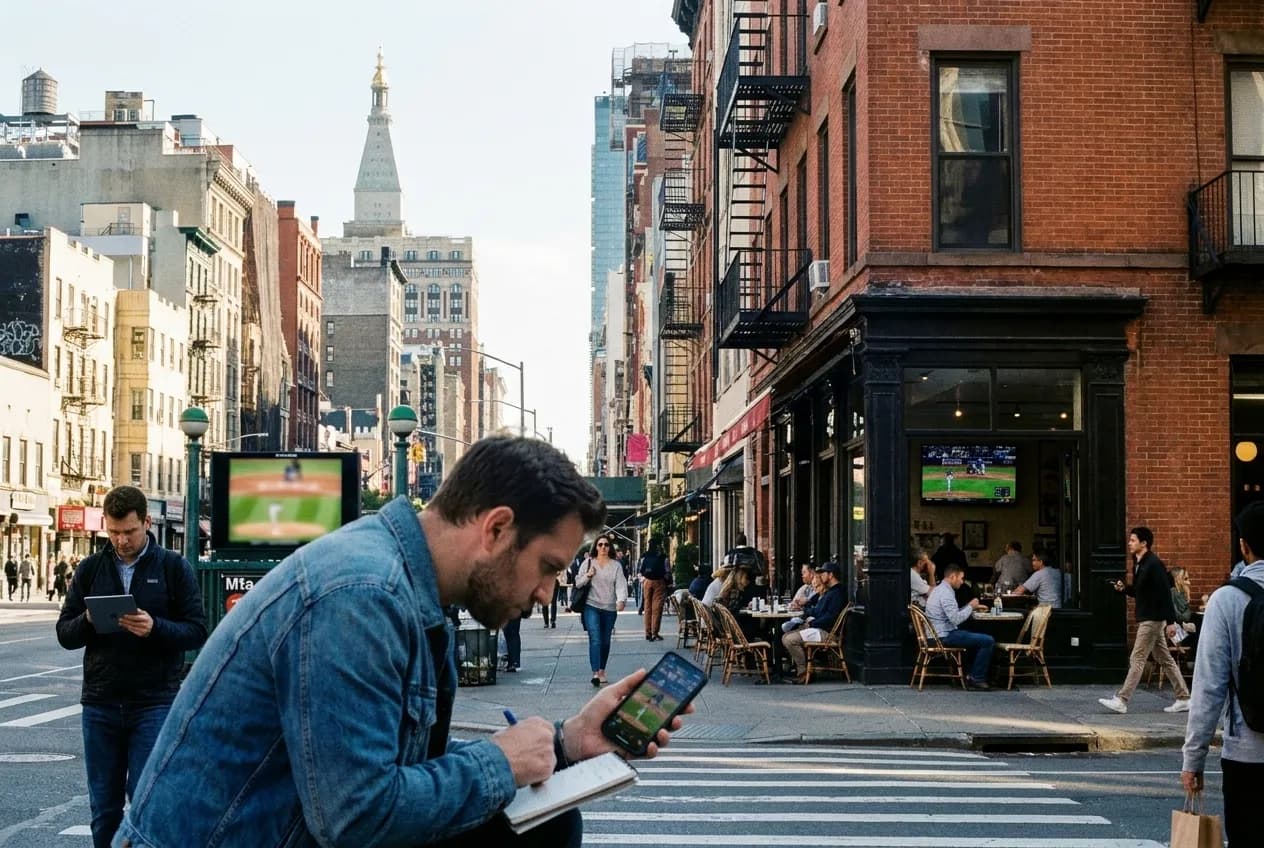
Weekend afternoon baseball draws transplants from Los Angeles and Chicago to NYC bars, but watching Dodgers vs Chicago Cubs requires more than nostalgia—it demands a verification-first approach. No venue guarantees MLB.TV availability, local broadcast rights, or audio for out-of-market games, so fans arriving solo or with fellow transplants must confirm same-day coverage before settling in. This guide prioritizes decision tradeoffs over assumptions: transit access versus screen visibility, reservation friction versus walk-in flexibility, food needs versus bar minimums, and backup methods when your first choice fails. The plan fits fans comfortable with neighborhood research, willing to call ahead, and prepared to pivot if a venue switches to a different game. August 2026 weekend schedules shift rapidly, so treating every step as conditional protects your afternoon from wasted subway rides and silent televisions.
Text Karpo which team you support, your neighborhood, whether you want a rowdy or chill vibe, and if you're going solo or with a group—we'll send two bars with active fan clubs, confirm game-day hours, and suggest one backup sports bar that always shows NL games.

Comparing Transit Routes to Candidate Neighborhoods Without Guaranteeing Venue Availability
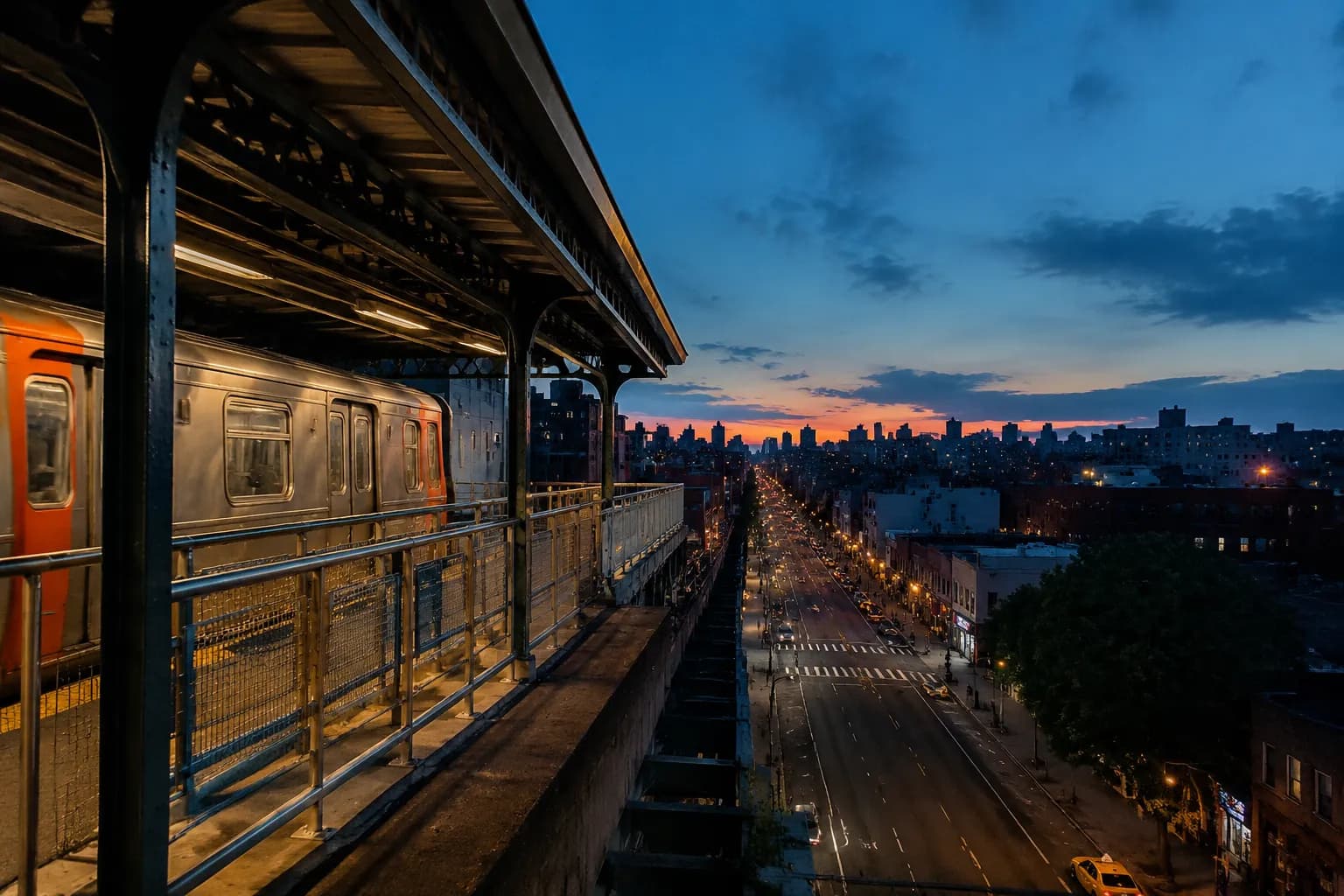
MTA subway lines connect transplant-dense neighborhoods—Williamsburg, Astoria, Upper East Side, Hell's Kitchen—but transit speed matters less than venue density and willingness to walk between backup options. The L train to Bedford Avenue or the N/W to 30th Avenue places you near multiple sports bars within a ten-minute radius, reducing the cost of discovering your first choice lacks the game. Conversely, single-venue destinations in lower-density areas leave you stranded if broadcast rights shift or the bar prioritizes a Yankees overlap. Check MTA planned service changes before departure; weekend work on the 1, 2, 3, and G lines in 2026 may add fifteen to thirty minutes, compressing your window to verify audio and claim a seat.
Evaluate whether your group tolerates standing-room uncertainty or requires reserved seating. Bars near transit hubs fill faster during weekend day games, but walk-in policies let you assess screen angles and audio mix before committing. Venues farther from subway exits may offer phone reservations, yet calling ahead reveals only table availability—not whether they will carry your game or enable sound over a competing broadcast. Weigh the friction of a longer walk against the flexibility to tour three bars in twenty minutes, using visible TV lineups as real-time confirmation rather than relying on outdated online promises.
Screen Visibility and Audio Verification Tradeoffs in Multi-Game Environments
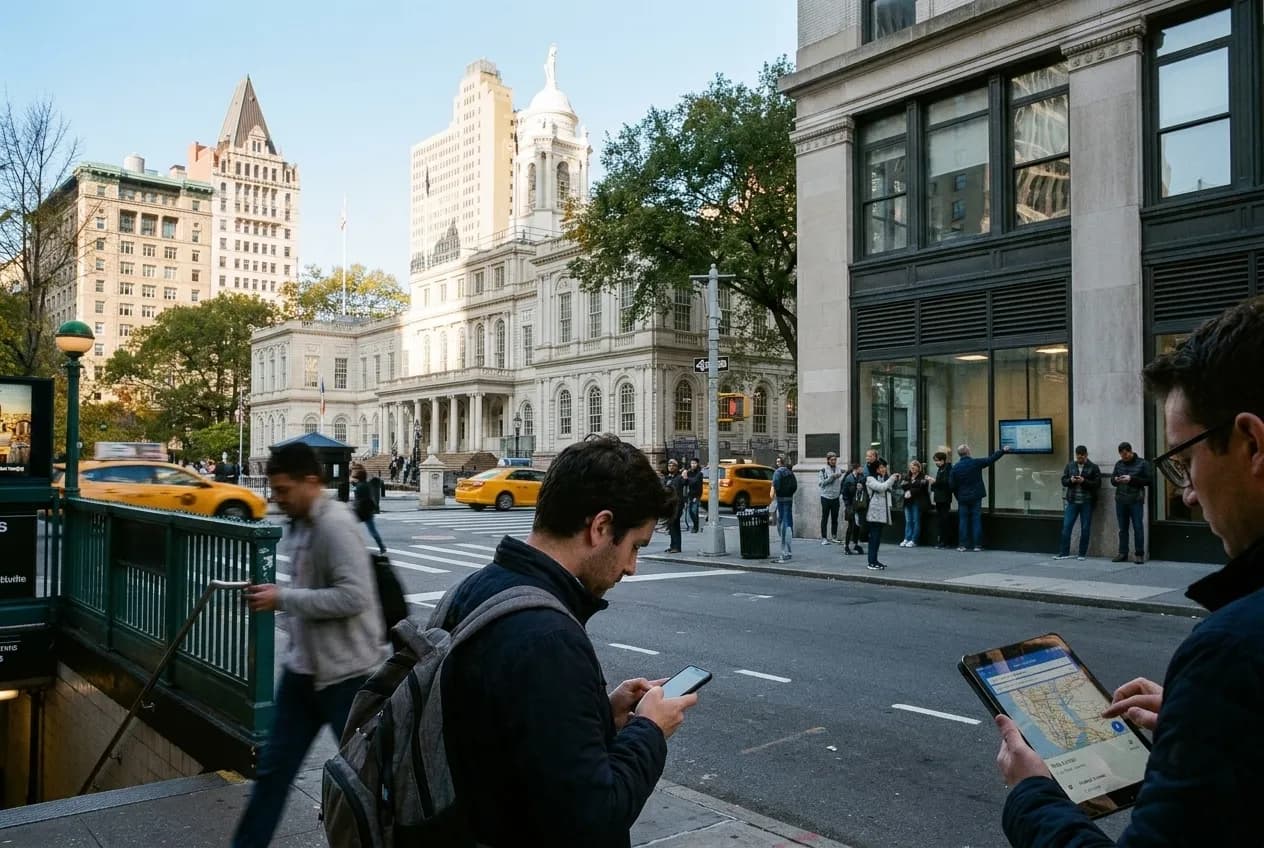
Sports bars in NYC typically display six to twelve games simultaneously, but only one receives house audio unless you request a specific feed—and even then, staff may decline if another game draws a larger crowd. Arriving thirty minutes before first pitch lets you observe which screens default to MLB Network, local YES or SNY broadcasts, or streaming packages, then negotiate audio before the room fills. Corner seats near smaller monitors often guarantee sightlines but sacrifice sound clarity, while communal tables under main screens expose you to audio switches when a Mets or Yankees game starts. Transplants seeking immersive nostalgia should prioritize venues with booth seating directly below large screens, accepting that these spots require earlier arrival or reservation deposits.
Confirm closed captioning as a fallback if the bar refuses to change audio. West Coast game times—often 4:10 PM or 7:10 PM Eastern—overlap with East Coast evening broadcasts, so a Dodgers vs Chicago Cubs matchup competes with local teams and NFL preseason in late August. Ask whether the venue uses MLB.TV (which blacks out in-market games but shows out-of-market feeds) or cable packages with MLB Extra Innings. If staff cannot name their broadcast source, treat the venue as unreliable and move to your next candidate. Visibility without audio still allows you to follow the game, but it eliminates the communal energy that justifies leaving your apartment.
Reservation Friction Versus Walk-In Flexibility for Solo and Small Groups
Solo transplants benefit from walk-in strategies that let them sample multiple venues, while groups of three or more face table-availability constraints that favor advance reservations. Calling a bar on game day to reserve a table rarely confirms broadcast details—hosts answer only seating questions, leaving you to verify coverage upon arrival. This creates a dilemma: commit to a reservation and risk discovering the game isn't shown, or remain flexible and accept standing-room or poor sightlines during peak hours. For weekend afternoon games, walk-in flexibility works best before 2:00 PM; after that, neighborhoods near Prospect Park, Central Park, or waterfront areas see foot traffic spikes that fill bars regardless of the game schedule.
Groups should designate one person to arrive early, verify the broadcast and audio, then text confirmation before others leave home. This scout approach wastes one subway fare if the venue fails, but it prevents the entire group from traveling to a dead end. Bars that accept OpenTable or Resy reservations often cater to diners rather than game-watchers, meaning they may refuse to hold audio for a three-hour baseball game. Ask whether the reservation includes screen proximity; generic "table for four" bookings frequently place you in dining sections with obstructed views. Weigh the psychological comfort of a guaranteed seat against the tactical advantage of mobility.
Food Needs and Spending Minimums in Extended Viewing Sessions
A nine-inning game spans two and a half to three and a half hours, and most NYC bars enforce per-person minimums—typically one drink per hour or a food order—to justify table occupancy. Transplants on tight budgets should calculate total spend before committing: two beers and an appetizer often reach thirty to forty dollars before tip, and bars in Manhattan or gentrified Brooklyn charge more than Queens or Bronx equivalents. Venues with full menus accommodate fans who want a meal, but kitchen delays during busy weekend shifts may leave you hungry in the fifth inning. Confirm whether the bar allows outside food; some permit snacks if you maintain drink orders, while others strictly prohibit it.
Assess whether your group prefers a restaurant-bar hybrid or a pure sports bar. Hybrid venues offer better food quality but slower service and less tolerance for lingering without ordering additional rounds. Pure sports bars accept that patrons nurse drinks during tense innings, but their menus often consist of frozen appetizers and limited vegetarian options. Check NYC health inspection data via the ABCEats-Restaurants portal if food safety matters to your decision, though the database provides grades rather than real-time cleanliness guarantees. For solo fans, bar seating reduces minimum-spend pressure and improves your ability to leave quickly if the game isn't shown, while table seating locks you into a longer commitment.
Backup Methods for Same-Day Broadcast Confirmation and Pivot Plans
No online resource reliably lists which NYC bars will carry a specific out-of-market MLB game on a given day, so phone verification remains the only trustworthy method. Call your top three venue choices between 11:00 AM and 1:00 PM on game day, asking explicitly whether they will show Dodgers vs Chicago Cubs and whether audio is negotiable. If the bartender cannot confirm, ask when the manager arrives—managers control broadcast decisions, while early-shift staff often guess. Write down the name of the person who confirms coverage; this creates accountability if you arrive and find a different game on screen. Expect that one in three bars will give vague answers or promise to "try" to get the game, which translates to no guarantee.
Prepare a pivot plan that includes a public library branch with free Wi-Fi or a park with good cell reception, allowing you to stream the game on a personal device if all bar options fail. The MTA website offers real-time service updates, so you can reroute quickly if your primary neighborhood proves unworkable. Transplants traveling with fellow fans should agree in advance on a maximum number of venue attempts—typically two or three—before switching to a private apartment stream. This prevents the afternoon from devolving into frustration. Accept that verification effort scales with your emotional investment: casual fans may tolerate a silent TV in a mediocre bar, but nostalgic transplants seeking community need audio, sightlines, and fellow fans wearing team colors, which requires more upfront research and willingness to walk away from suboptimal situations.
Tags: #DodgerswatchpartiesNYC #ChicagoCubsbarsNewYork #transplantsportsfans #MLBviewingguide #outofmarketbaseball #sportsbarverification #NYCtransittobars #weekendbaseballNYC #broadcastaudioconfirmation #walkinvsreservationbars
Sources consulted: Source 1: nycgovparks.org · Source 2: new.mta.info · Source 3: nypl.org · Source 4: a816-health.nyc.gov
All trademarks are the property of their respective owners.
Ask Karpo first
Ask Karpo to turn this NYC idea into a current plan for your date, budget, companion, transit preference, and energy level. Karpo can narrow the route and flag what to verify before you go.