 Best Trick or Treating Neighborhoods Near Me: West Portal
Neighborhood Guides
the distillery district before the brunch crowds arrive
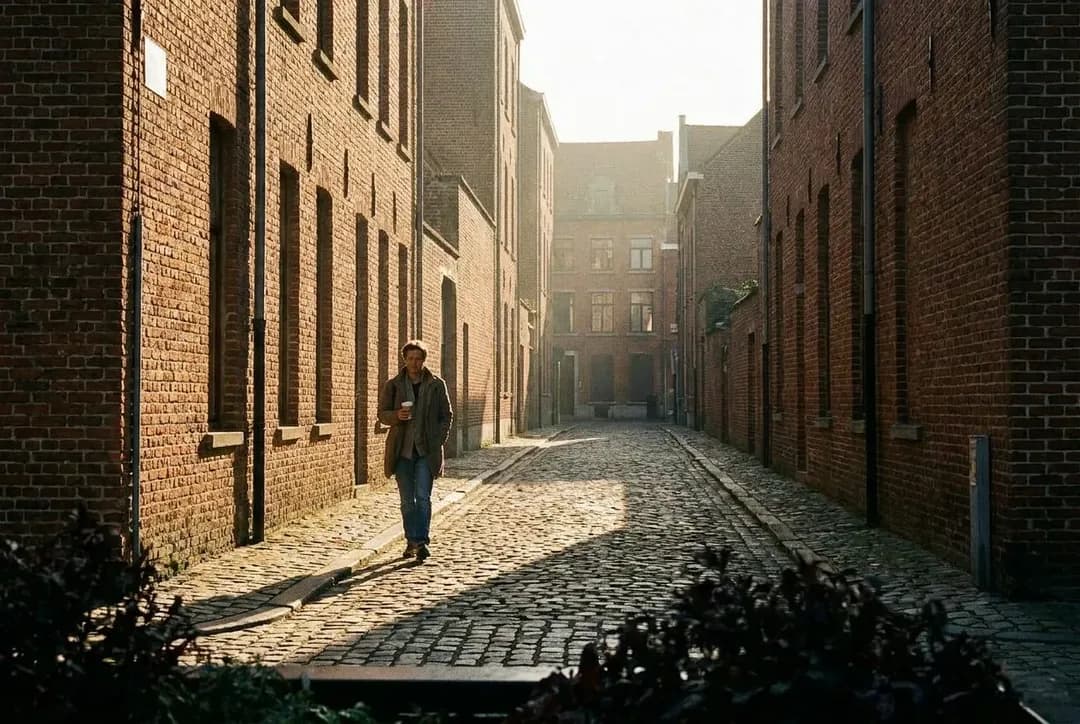
Toronto's Victorian industrial quarter transforms into a serene, nearly empty stage on Sunday mornings before 10:30. Long shadows, echoing footsteps, and unobstructed brick facades reveal the architecture that afternoon crowds obscure.
There's a specific window—narrow, repeatable, and criminally underused—when the Distillery District belongs to roughly two dozen people instead of two thousand. It opens around eight on Sunday mornings and closes, with gentle finality, sometime after ten-thirty, when the first wave of brunch reservations disgorges onto the cobblestones and the pedestrian lanes fill with strollers, phone cameras, and the low hum of competing conversations. Before that tipping point, the nineteenth-century industrial bones of the place come forward. You hear your own footsteps. You notice the brick. And if you're inclined to fold this into your weekend plans without the usual sensory overload, you'll find the district at its most generous.
The architecture in relief
The Victorian warehouse facades—red brick, cast iron, limestone lintels—read differently when they're not competing with a few hundred people in athleisure. Early Sunday light, especially in fall, rakes across the western elevations and picks out every corbel, every shadow line, every century of weathering. You can stand in the middle of Trinity Street and actually see the proportions of the place, the way the buildings frame the sky, the rhythm of the window bays. It's quietly cinematic, and it doesn't require a photography degree to notice.
If you do want to photograph the architecture—and the urge is hard to resist—weekend mornings before ten o'clock offer the best natural light and the fewest inadvertent photobombs. The southern courtyard near the main entrance tends to catch softer, more even illumination in this window, though the northern lanes can be moodier if you're after contrast. Either way, you won't be jostling for a clear sightline or waiting for a tour group to move along.
Where to find early coffee
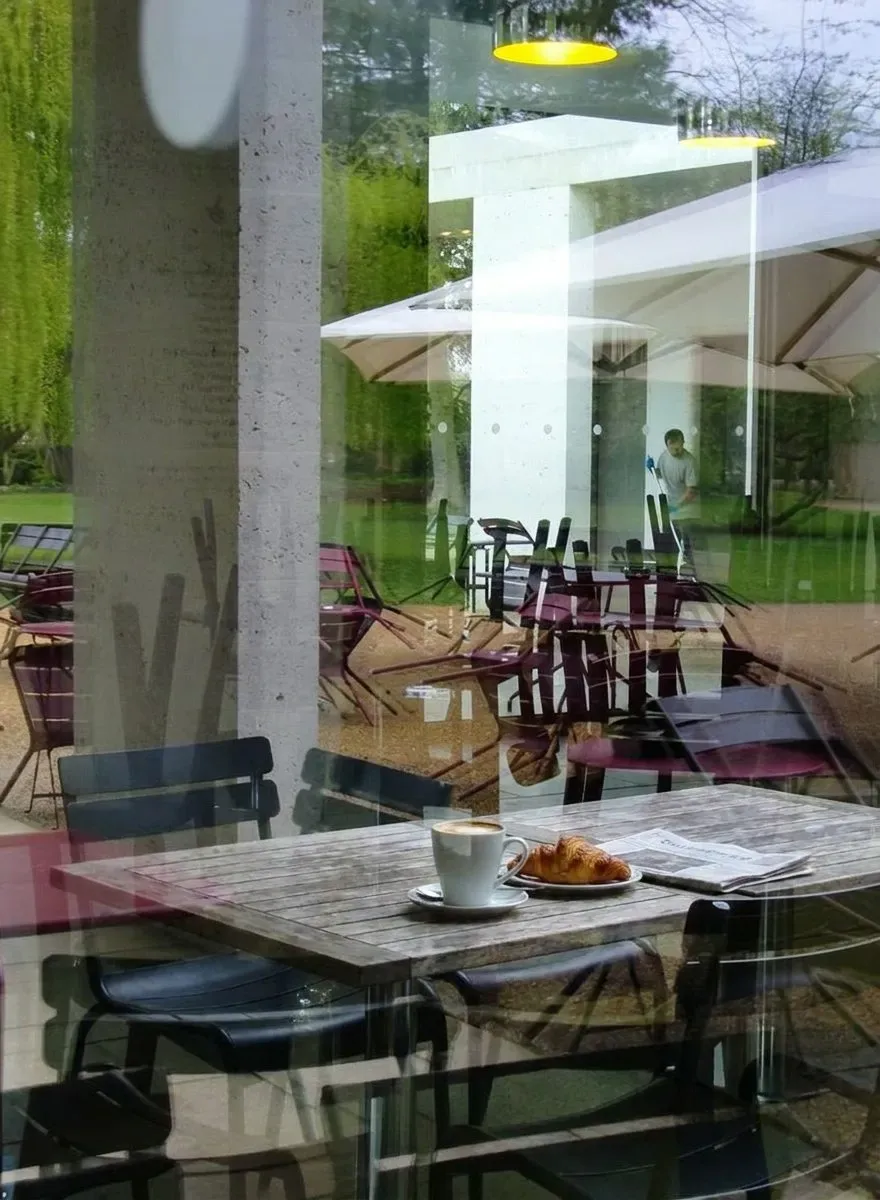
Most cafés in the district crack their doors open between eight and nine on Sundays, a civilized hour that still beats the brunch stampede by a comfortable margin. The handful of spots that do open earliest tend to be smaller operations—single-origin specialists, minimalist counters with pastry cases that refill once and then sell out. You won't find elaborate table service at this hour, but you will find good espresso, warm scones, and the kind of quiet where you can actually hear the hiss of the steam wand.
Claiming a patio table in this early stretch feels like a minor act of urban luxury. The wrought-iron chairs are cold, the October air hasn't quite warmed, and you'll want a second layer. But the cobblestones are empty, the light is slanted and golden, and the sense of having discovered something—even though it's wholly public and happens every week—is hard to shake. Bring a book or don't. Either way, you're positioned to watch the district wake up in real time.
The nine-to-eleven gradient
At nine, you can hear the fountain. At nine-thirty, a few more tables fill, a dog or two appears, someone unlocks a gallery door. By ten, the hum begins—not unpleasant, but unmistakable. And by eleven, the transformation is complete: the lanes are packed, the patios overflow, and the architecture recedes behind a foreground of bodies and noise. It's a reliable gradient, week after week, and the difference between nine and eleven o'clock is the difference between a place you can breathe in and a place you have to navigate.
If you're trying to time it, aim to arrive no later than eight-forty-five. That gives you an hour and change of near-solitude, plus a buffer before the first wave. The district remains genuinely quiet until around ten-thirty, when brunch reservations kick in and the family crowds arrive. After that, it's a different experience entirely—still worth visiting, but no longer serene.
The northern lanes
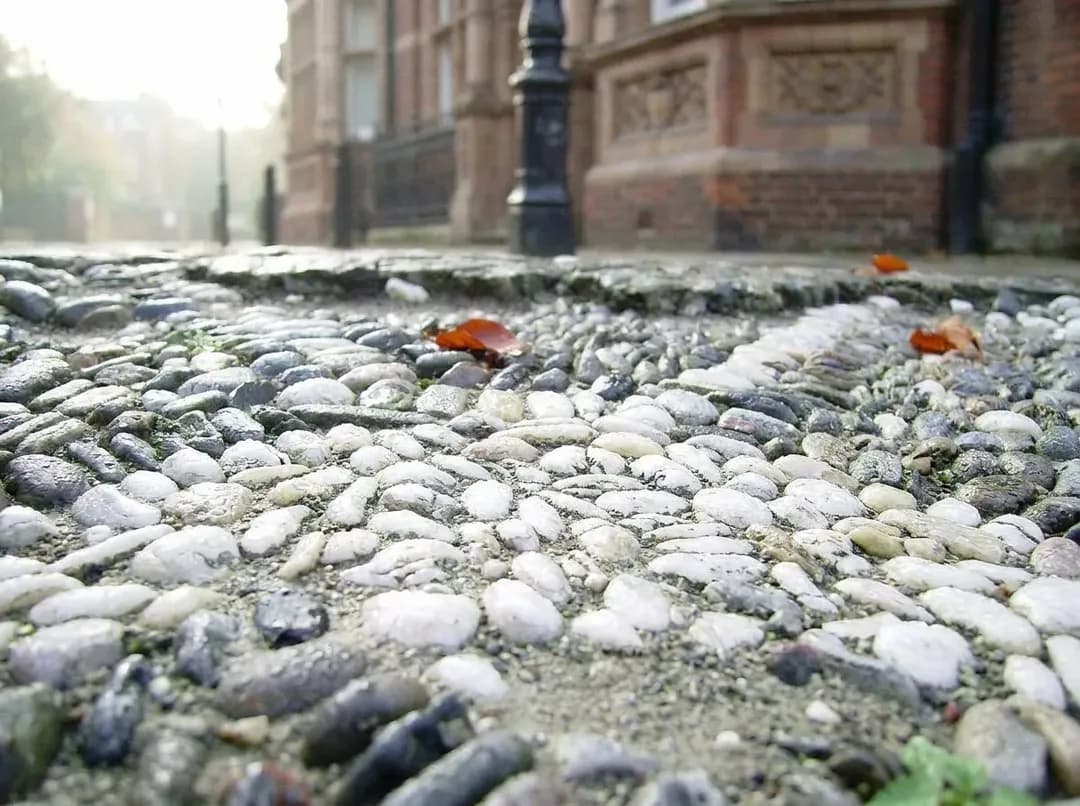
While most early risers gravitate toward the southern courtyard and its central plaza, the northern lanes near the Mill Street Brewery entrance see noticeably less foot traffic in the morning hours. These narrower passages—Case Goods Lane, parts of Trinity Street—feel more like back-alley discoveries, and they're often entirely empty before ten. The brick facades here are a shade darker, the shadows deeper, and the sense of stepping back a century or two comes on a little stronger.
It's also quieter in a literal sense. The southern courtyard picks up ambient noise from Distillery Lane and the main entrance; the northern routes muffle it. If you're after maximum solitude or a particularly atmospheric stretch for a slow walk, veer north. You'll loop back to the cafés soon enough, but the detour pays off.
What the morning light does
Fall in late 2026 has been cooperative—clear mornings, crisp air, that particular quality of light that makes brickwork look like it's been art-directed. The low-angle sun in October casts long, clean shadows across the cobblestones and picks out the texture in the masonry. By mid-morning the light flattens and softens; by noon it's overhead and architectural detail recedes. The magic hour here isn't sunset. It's the ninety minutes after the district opens, when the geometry of the place comes into focus.
You don't need to be precious about it. Just notice the way the light hits the north-facing walls, the way shadows pool in doorways, the way the whole ensemble feels composed rather than chaotic. It's a standing invitation to slow down, and Sunday mornings are when the district makes that easiest.
Why it matters
The Distillery District is one of Toronto's most-photographed, most-recommended, most-crowded heritage sites. It's also, for a few hours each Sunday, genuinely peaceful. That duality matters. The district's appeal—the preserved industrial architecture, the pedestrian-only lanes, the sense of texture and history—gets buried under its own popularity most of the time. Early Sunday mornings let you experience the actual bones of the place without mediation. It's not a secret, exactly. It's just a matter of showing up before everyone else does.
Practical notes
The Distillery District is located at 55 Mill Street, Toronto, roughly a fifteen-minute walk south and east from the King streetcar or a five-minute ride from Castle Frank subway via a short streetcar connection. On-street parking is limited; there's a Green P lot on lower Parliament. Most cafés and a few galleries open between 8:00 and 9:00 a.m. on Sundays; verify hours directly with individual venues. The district is largely accessible, though cobblestones can be uneven. Bring layers—October mornings are cooler than you think—and a reusable cup if you're café-hopping. Washrooms are available at select venues once they open. The crowds arrive reliably after 10:30 a.m., so plan accordingly.
Tags: #DistilleryDistrict #TorontoMornings #RightOnTime #QuietToronto #UrbanExploration #HeritageArchitecture #SundayMorning #TorontoCoffee #FallInTheCity #CityTexture #TOCulture #EarlyBird #ArchitectureLovers #TorontoWeekend #CobblestoneCharm
All trademarks are the property of their respective owners.
Ask Karpo for more information.
Keep reading
- Best Trick or Treating Neighborhoods Near Me: West Portal
 Best Trick or Treating Neighborhoods Near Me: Noe Valley
 Best Trick or Treating Neighborhoods Near Me: Bernal Heights