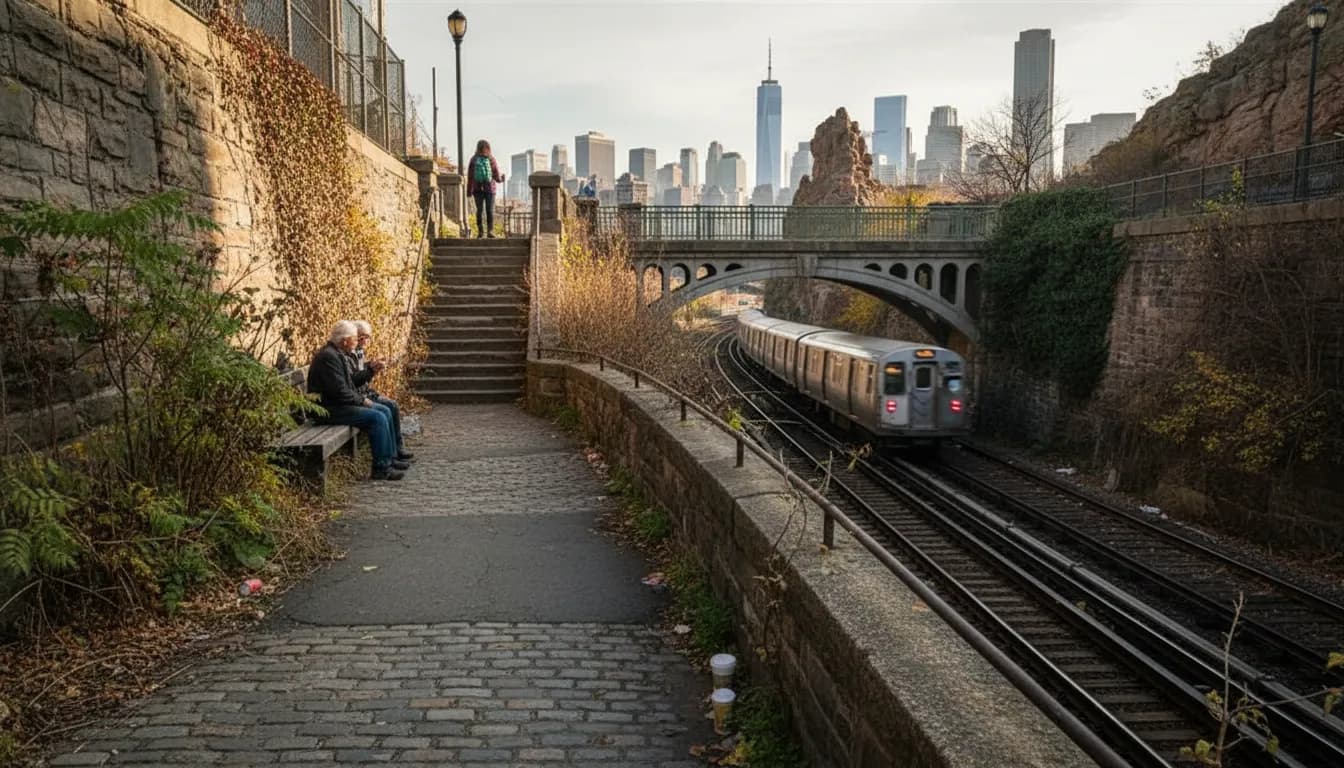
New York City might be famous for its skyline and bustling streets, but hidden within its urban fabric are remarkable natural havens that channel the unspoiled spirit of Big Bend National Park. Though thousands of miles apart, these spots provide a rugged, almost wild experience amid the city’s noise and crowds. With convenient public transit access and clear guidance, you can find paths lined with trees, rocky outcrops, and quiet water views that offer a semblance of the expansive landscapes Big Bend is known for. Whether seeking solitude or a quick nature reboot, these areas bring a touch of the untamed right to NYC’s doorstep.
Ready to trade the subway rush for serene nature paths? Keep reading to find your next green escape within city limits.

Exploring Inwood Hill Park's Rugged Terrain
Inwood Hill Park, located at Manhattan’s northern tip, provides one of the city’s most rugged natural landscapes. Unlike manicured Central Park, it boasts forested trails, rocky cliffs, and a salt marsh, echoing Big Bend National Park’s raw terrain. The park’s old-growth trees and winding paths create an immersive experience that feels far removed from typical city parks.
Accessible via the A train to 207th Street, Inwood Hill is ideal for those seeking a quick escape without leaving Manhattan. Early mornings and weekdays generally offer peaceful hikes with fewer visitors, allowing for uninterrupted nature immersion. The terrain is moderately challenging, with uneven trails and steep sections, so sturdy shoes are recommended.
Visitors should stay on marked paths to protect sensitive habitats and avoid disorientation. The park closes at dusk; check seasonal hours on NYC Parks’ official site to plan accordingly. Carry water and inform a friend if exploring harder-to-reach areas, especially during off-peak times.
Van Cortlandt Park’s Diverse Hiking Trails
Van Cortlandt Park in the Bronx is a sprawling green space that offers forest trails, hills, and wetlands reminiscent of Big Bend’s diverse environments. Its extensive trail system provides a feeling of solitude rarely found in a city park. Sections like the John Muir Trail wind through wooded ridges and along water bodies, inviting hikers to explore varied terrain.
The park is accessible by the 1 subway line to Van Cortlandt Park-242nd Street, making it convenient for city dwellers. Popular times include weekends, but weekdays see lighter foot traffic if you prefer quieter explorations. The park’s size means you can tailor your hike from easy strolls to more demanding treks.
Staying on established trails is vital to protect wildlife habitats and prevent erosion. Since some trails are less frequented, check closing times on the NYC Parks website and avoid venturing out after dark. Hydration and informing someone of your route remain essential safety tips.
Pelham Bay Park’s Wild and Expansive Landscapes
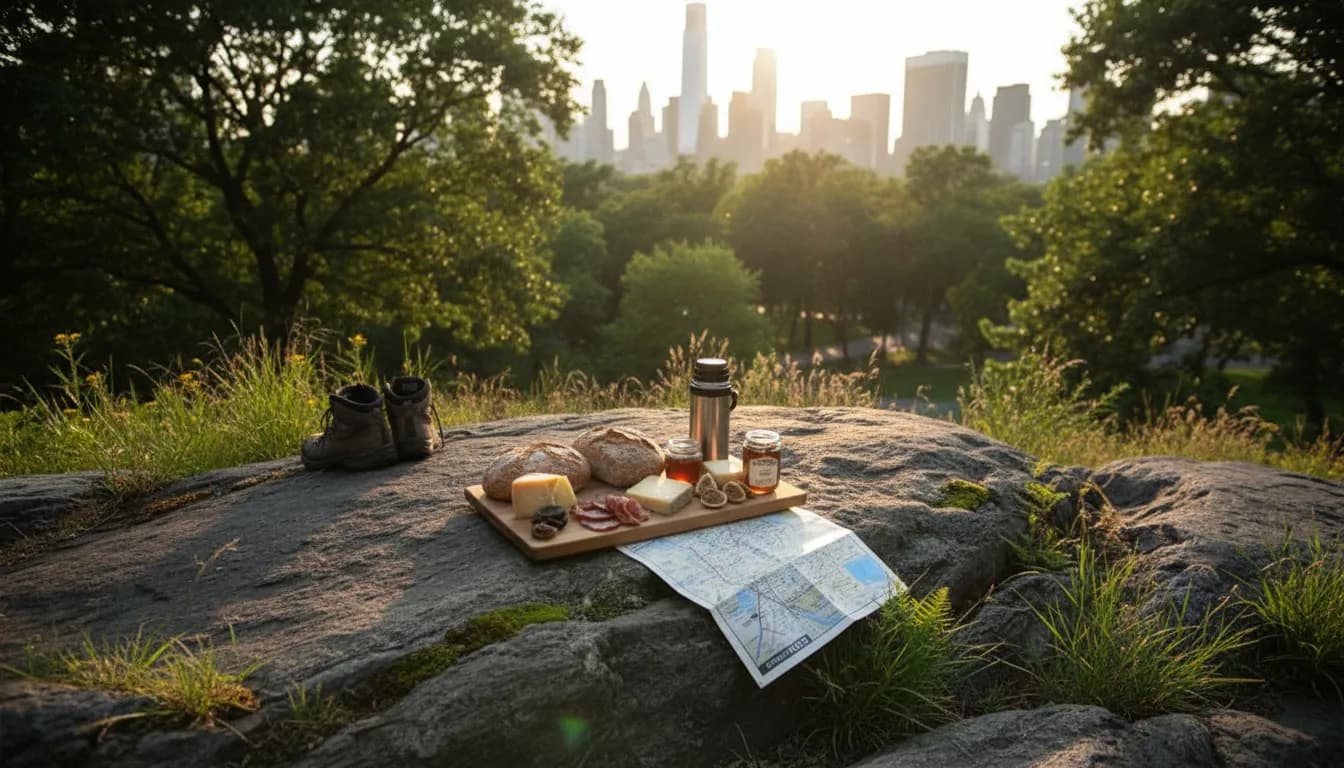
Pelham Bay Park, the city's largest park, offers landscapes that recall the expansive feel of Big Bend National Park. It features salt marshes, rocky outcrops, and dense woodlands that create a wild atmosphere rarely expected in New York City. The park’s Split Rock Golf Course area and Hunter Island provide particularly rugged natural settings.
Accessible via the 6 train to Pelham Bay Park station, it’s an easy day trip for those outside the Bronx. The park's vast size distributes visitors, so even weekend afternoons provide ample space for quiet hikes. Expect a mix of trail surfaces, from dirt paths to rocky sections that require comfortable, sturdy footwear.
As with all natural areas, following marked trails is important for your safety and the environment’s preservation. Check the official NYC Parks website for seasonal hours and alerts on trail conditions. Carry sufficient water and avoid isolated spots alone.
Discovering Prospect Park’s Secluded Wilderness Area
Brooklyn’s Prospect Park contains a hidden gem known as the Wilderness Area, a 53-acre section where nature thrives with minimal human intervention. This area’s dense woodlands and quiet ponds evoke the solitude and natural beauty of Big Bend National Park in miniature form. Birdwatching and peaceful hikes are highlights here.
Reaching the Wilderness is simple by subway, with the F or G trains stopping near Prospect Park stations. Weekdays and early mornings tend to be less crowded, offering a more authentic wilderness experience within an urban park. The terrain is generally flat but rich with native plants and wildlife.
Visitors should respect the wilderness rules by staying on trails and not disturbing habitats. Hours vary seasonally, so consult the NYC Parks website before visiting. Bringing water and informing someone of your visit plans is advised, especially for solo explorers.
Embracing NYC’s Urban Wilds and Conservation Tips
While New York City’s pockets of wilderness can never replicate Big Bend National Park’s vastness, they embody its spirit through rugged landscapes and tranquil escapes. These urban natural areas offer a chance to reconnect with untamed surroundings without leaving the city, accessible via reliable public transit.
Exploring these parks provides a dual benefit: experiencing nature’s restorative effects while cultivating an appreciation for local ecology within a metropolitan context. Each park showcases unique features — from rocky hills to woodlands and wetlands — inviting visitors to appreciate nature’s variety close to home.
When visiting, safety is paramount: stay on trails, respect wildlife, and be mindful of park hours and weather conditions. These thoughtful practices ensure these natural havens remain welcoming for future generations seeking their own wild refuge within the city.
Practical notes
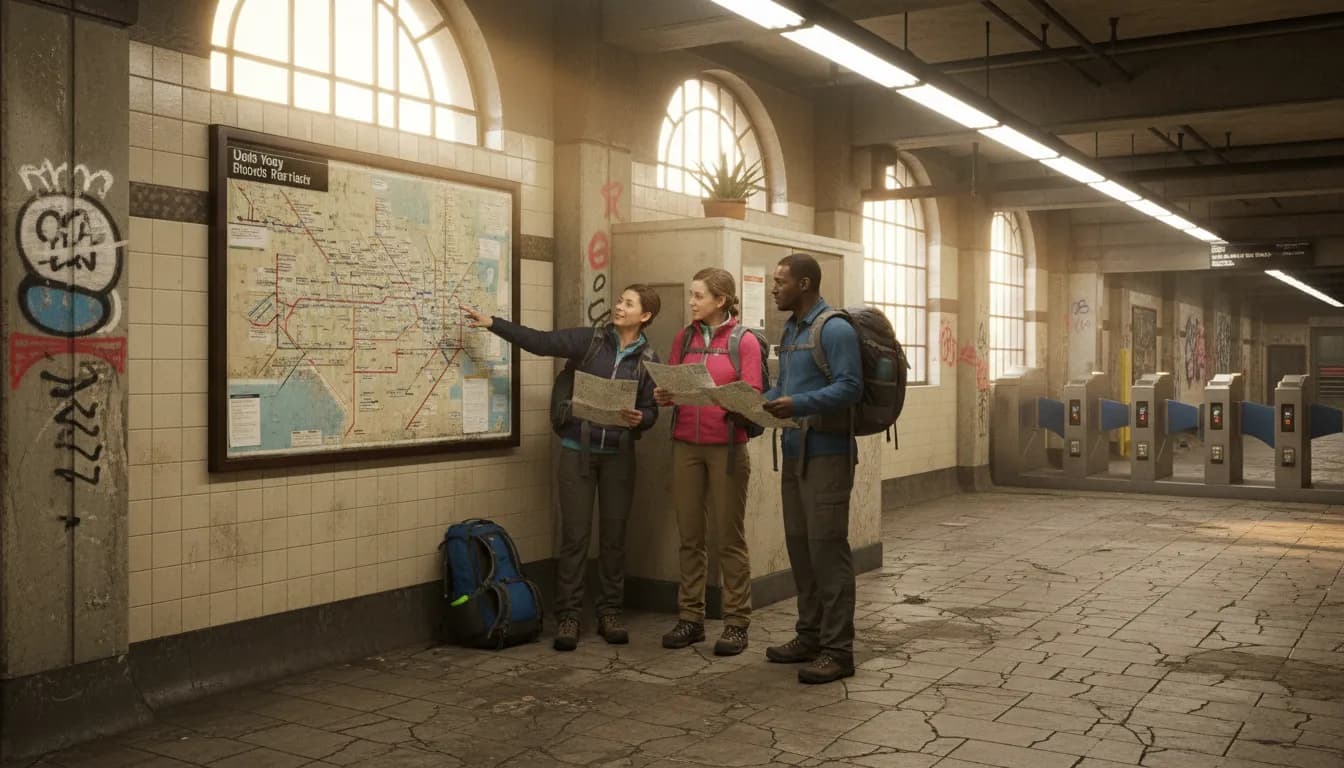
When planning visits to these natural areas, always verify park hours on official NYC Parks resources, as seasonal changes affect closing times. Use the MTA website to check subway schedules and plan routes for the smoothest transit experience. Wear sturdy footwear suitable for uneven terrain and bring enough water to stay hydrated, especially in warmer months. Staying on marked trails preserves habitats and prevents getting lost. Inform a trusted contact when exploring less-trafficked areas. If consuming alcohol after your hike, ensure you are of legal age and practice responsible consumption. Always prioritize safety to fully enjoy NYC’s urban wilderness.
Tags: #NewYorkCity #UrbanHiking #NatureInTheCity #BigBendNationalPark #NYCParks #InwoodHillPark #VanCortlandtPark #PelhamBayPark #ProspectPark #PublicTransit #OutdoorAdventure #WildlifeWatching #CityEscape #NeighborhoodGuide #HikingTips
Sources consulted: MTA · NYC Tourism · NYC Parks
All trademarks are the property of their respective owners.
Ask Karpo first
Curious about discovering more lesser-known natural gems and how to access them? Ask Karpo first for personalized neighborhood guidance tailored to your outdoor adventure preferences within New York City.


