Six is the number where San Francisco restaurants start to get difficult. Below it you are a normal booking; at six and above you become a large party, which means a different table, a different service pattern, frequently a set menu and sometimes a deposit. A lot of people discover this on a Thursday afternoon trying to book for Saturday, which is the worst possible moment to find out.
Six people is where the booking rules change and most rooms stop saying yes. Ask Karpo which restaurants near you can genuinely take your number this week.
Why six is the threshold
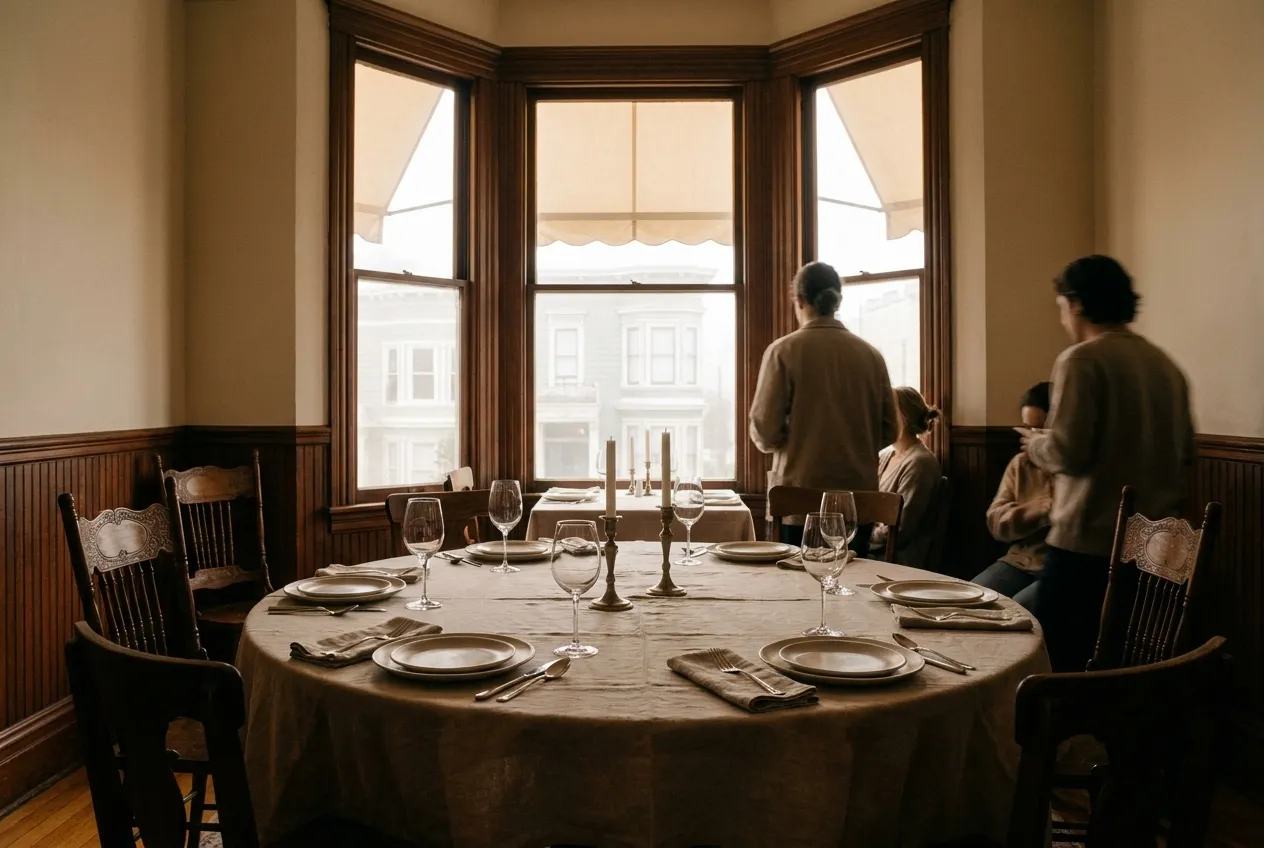
It is a physical constraint before it is a policy. Most dining rooms are built around two-tops and four-tops, and a six is either a pair of tables pushed together — which blocks a whole section — or one of a small number of large tables that the restaurant has and cannot easily replace. A restaurant with three six-tops has three of them all night, and once they are booked the answer is genuinely no rather than strategically no.
That is why the platforms show nothing for six when they show plenty for two. It is also why calling works when the app does not: the person on the phone can see the shape of the room, can combine tables, and can offer you a 5:30pm or a 9pm that the system will not surface.
The formats that absorb a group
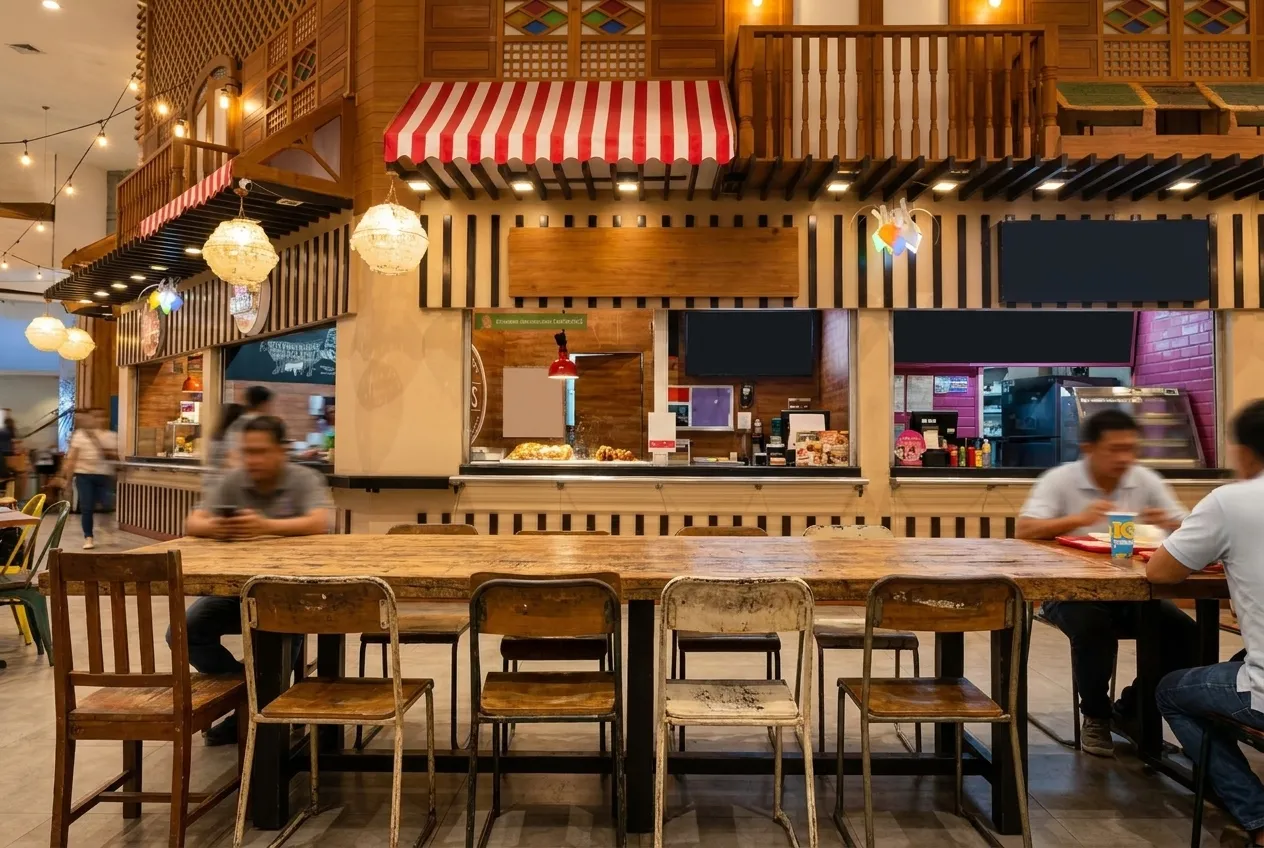
Chinese banquet rooms are the best answer in San Francisco and it is not close. R&G Lounge at 631 Kearny Street in Chinatown has multiple floors and round tables that seat ten, and the food is designed for exactly this — shared dishes on a lazy Susan, arriving over an hour, with a salt-and-pepper crab that is the most group-appropriate dish in the city. The round table is a genuinely better piece of furniture for eight people than a long rectangle, because everyone can hear everyone.
Old-school American rooms are the second category. House of Prime Rib on Van Ness has run essentially one menu since 1949, seats large parties routinely, and carves from a trolley at the table — which turns dinner into a piece of theatre that a group responds to. It books weeks ahead and it is worth the planning.
Italian-American institutions are the third. Original Joe's in North Beach, on Washington Square, is built for big tables, has been doing it for generations, and has a menu long enough that nobody at a table of eight is unhappy. The North Beach cluster generally — the older, larger, family-run rooms — is the most group-friendly geography in San Francisco.
The rules that make it work
Call, do not book online, and call at three in the afternoon rather than at seven in the evening, when the person answering has time. Ask four things: can you take six, is there a set menu requirement, is there a deposit or minimum spend, and how long do we have the table.
That last question is the one people skip and the one that causes the argument. A large party in a busy room may have a two-hour limit, and knowing that in advance changes how you order rather than producing a surprise at nine o'clock. Then confirm the final number the day before — restaurants plan staffing around your number, and turning up with four when you booked eight is genuinely costly to them.
The practical group rules
Order for the table wherever the format allows it, because per-head cost falls sharply and the food arrives together rather than in three waves. Take the earlier seating: 5:30 or 6pm with a group of eight is dramatically calmer than 8pm, and the kitchen has more capacity to send things out at once. Sort the bill before the food arrives rather than after — an agreed split, one card, or a nominated payer decided in advance removes the single worst ten minutes of any group dinner. And if the restaurant adds an automatic service charge for large parties, which many in San Francisco do, look for it on the bill before adding another one on top.
The group dynamics nobody plans for
Two things reliably go wrong with a table of eight and both are solvable in advance. The first is arrival time: a group booked for seven will arrive between six-fifty and seven-thirty, and most restaurants will not seat a party until everyone is there. Tell people six-forty-five and mean it, or accept that the table starts late and the kitchen's patience starts shorter. The second is the bill, which is the worst ten minutes of most group dinners. Decide the method before the food arrives — an even split, one card with reimbursement, or a nominated payer — because negotiating it at the end with eight people and a service charge is how an otherwise good evening finishes badly.
Practical notes
Six is the threshold at which San Francisco restaurants apply large-party rules, because most rooms are built from two- and four-tops and hold only a few larger tables. Phone rather than booking online, and call mid-afternoon rather than during service. R&G Lounge, 631 Kearny St, Chinatown: multiple floors, round tables for ten, salt-and-pepper crab designed for sharing. House of Prime Rib on Van Ness: running essentially one menu since 1949, carved tableside, takes large parties, books weeks ahead. Original Joe's in North Beach on Washington Square and the wider North Beach cluster are the most group-friendly geography in the city. Ask about set menu requirements, deposits or minimum spend, and any time limit on the table. Reconfirm the final headcount the day before. Order for the table, take a 5:30pm or 6pm seating, settle the bill arrangement before the food arrives, and check for an automatic large-party service charge.
Tags: #DinnerNearMe #SanFrancisco #GroupDinner #RandGLounge #HouseOfPrimeRib #OriginalJoes #Chinatown #NorthBeach #BigTable #Reservations #SportsSocial #SFEats #LazySusan #SharedPlates
All trademarks are the property of their respective owners.
Ask Karpo first
A table for eight is a different product from a table for two and most booking systems will not show you one. Ask Karpo which San Francisco rooms can actually take your number this week, what their large-party terms are, and which format will keep everyone at one table rather than two.