Searching dinner near me in San Francisco gets you a ranked list, and a ranked list is the wrong shape for the decision you are actually making. Booking a table here means committing two or three hours of a specific evening, with specific people, at a specific noise level, in a city where a fifteen-minute difference in geography can mean a forty-minute difference in getting home. The restaurants below are grouped by the reason you would spend a reservation on them, because that is the filter that decides whether the night works.
Most people book the restaurant first and work out the evening afterwards, which is backwards. Tell Karpo who you are eating with and what the night is for — a catch-up, a first date, a group of eight — and it will match the room to the occasion before you spend a booking on it.
The catch-up: rooms you can actually talk in
The single most underrated variable in San Francisco dining is volume. The city's prevailing room design — hard floors, high ceilings, exposed brick, open kitchen — is a reverberation chamber, and a lot of very good food is served in rooms where you will spend the evening saying 'sorry, what?' For a proper catch-up with one or two people, book the older, softer rooms: the carpeted Italian dining rooms of North Beach, the wood-panelled places downtown that have been there for decades, the small Japanese counters where the room tops out at fourteen people.
A reliable trick is to book the earliest slot the restaurant offers. Between 5:30 and 6:45 almost any room in this city is quiet, and the same restaurant that is unbearable at 8:30 is genuinely pleasant at six. It also happens to be the easiest window to get into, which makes it the rare case where the convenient answer and the right answer are the same.
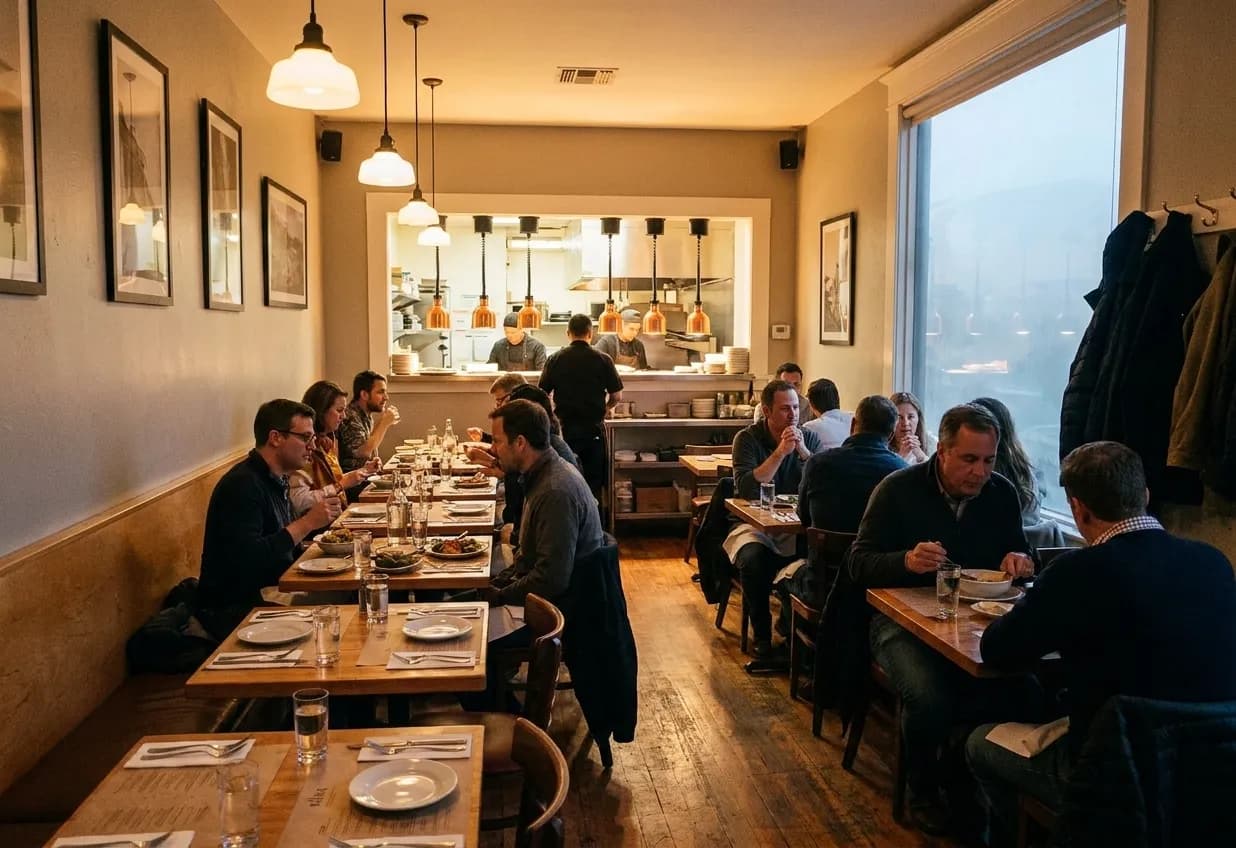
The first date: short menus, no ceremony
A tasting menu is a poor first date, because it locks you into three hours and removes every decision you might have made together. What works better in San Francisco is a room with a counter, a menu you can read in ninety seconds, and a natural exit after two courses. The city is unusually rich in this format — wine bars with a real kitchen, izakaya counters, small Cal-Mediterranean rooms where the menu is a single card.
Book these for 7 or 7:30, not later. The reason is practical rather than romantic: it leaves the option of walking somewhere else afterwards, and in a city where a lot of kitchens close at 9:30 on weeknights, a late booking removes the second act.
The group of six or more: book long, order family style
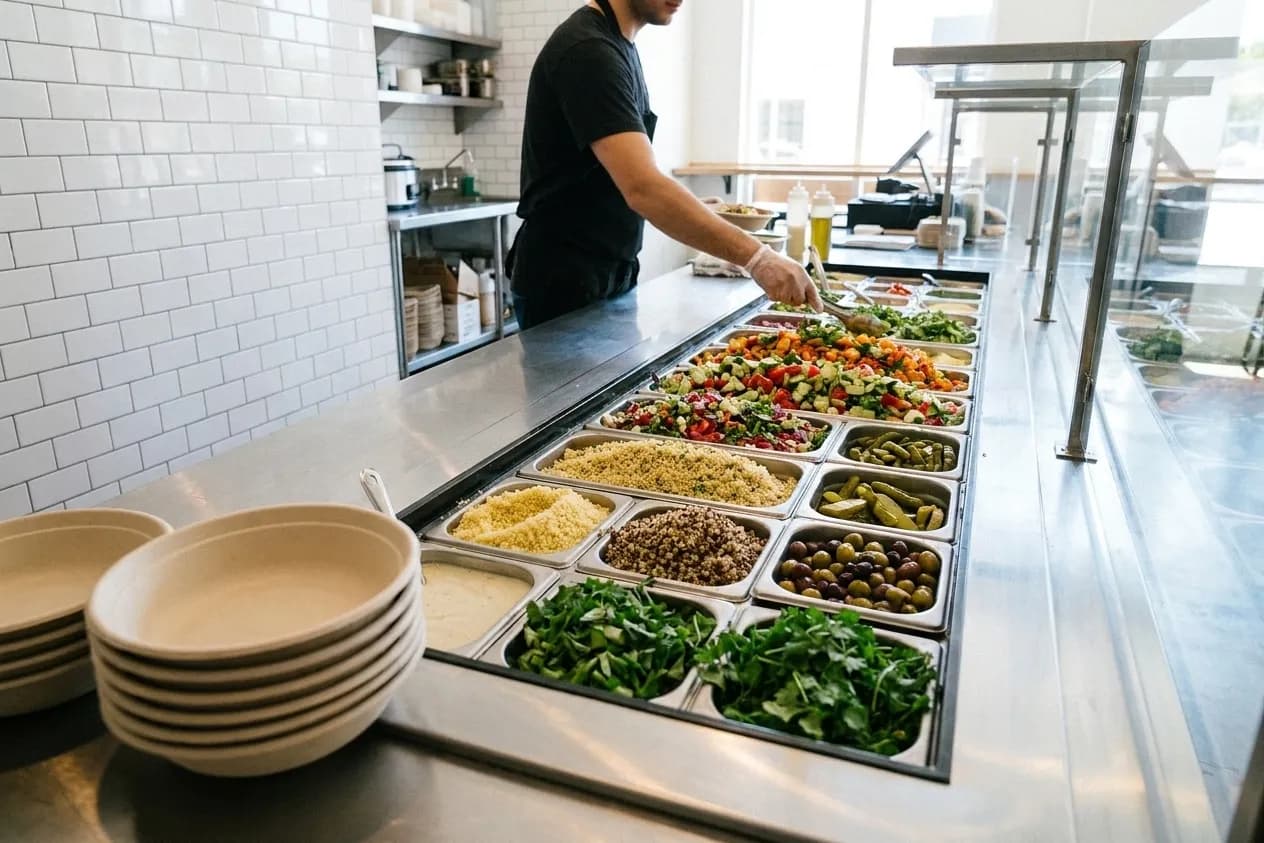
Large tables are the hardest booking in San Francisco and the one where the online grid helps least, because most systems simply hide anything over six. For groups, the answer is usually a cuisine built around shared plates and round tables — the Chinatown and Richmond banquet rooms, Sichuan and Hunan rooms in the Sunset, Indian and Pakistani restaurants on the peninsula side of the city, and the older North Beach dining rooms that still keep a back room.
Call rather than click. A phone call to a banquet-style restaurant will get a table for eight on a Friday that the app swears does not exist, and it is also the only way to find out about deposits, set menus and corkage before you arrive with a bottle you cannot open.
The visitor: something the city does that nowhere else does
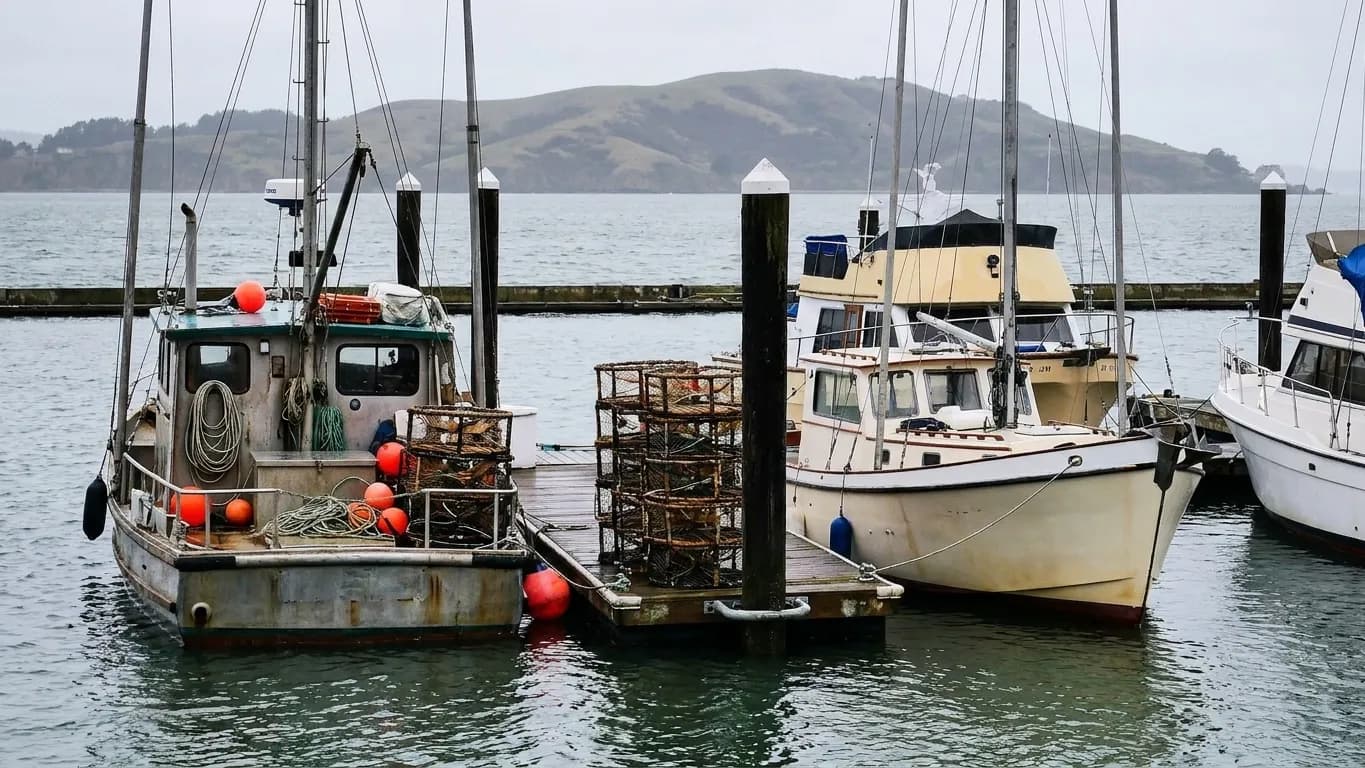
When you are booking for someone from out of town, the instinct is to book the most expensive room you can get into. The better instinct is to book the thing that is specifically San Franciscan: sourdough-crusted pizza, Dungeness crab in season, Cal-Italian cooking with produce that came from within a hundred miles, a Cantonese banquet, or the modern Californian tasting format that this region invented. A visitor can get an excellent generic dinner in any large city, and cannot get those anywhere else.
Season matters more here than the guides suggest. Dungeness runs roughly from mid-November into spring and the opening date shifts with testing; asparagus, peas and morels in spring; tomatoes and stone fruit late in summer, which in San Francisco means September and October rather than July. Book around what is in, and the same restaurant will be twice as good.
The solo dinner: the counter is the best seat in the city
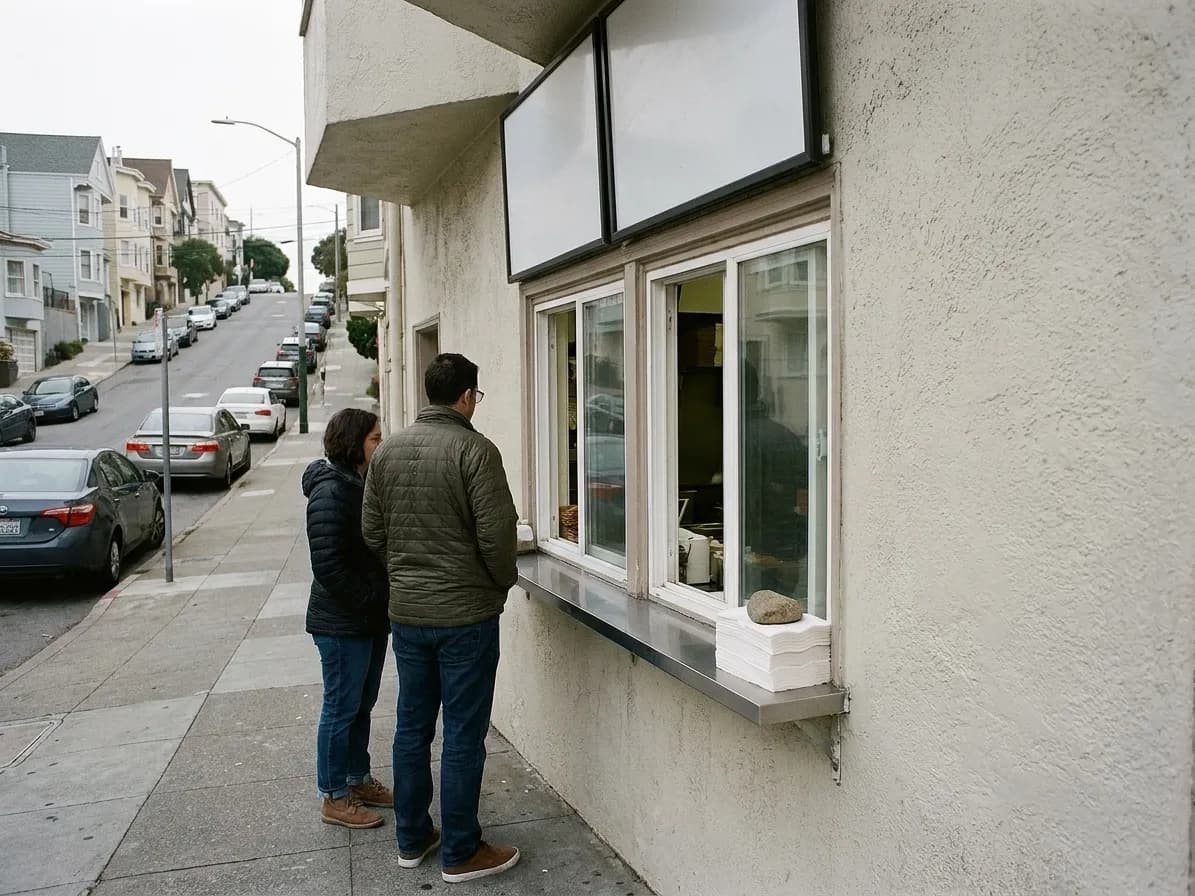
San Francisco is one of the easiest cities in America to eat alone in, because the counter is a normal place to sit rather than a consolation. Sushi counters, ramen bars, the pass at a wine bar, the window seats at a taqueria — all of these take one person without any ceremony, and several of the city's better rooms hold counter seats specifically for walk-ins.
The reservation advice for solo dining is simply to book anyway where you can. A single seat at 6:15 is available at rooms that show nothing for two people all week, and eating well alone on a Tuesday is one of the genuine pleasures of living here.
Tags: #SanFrancisco #SFRestaurants #DinnerInSF #SFDining #WhereToEatSF #SFFoodie #NorthBeach #Chinatown #SFEats #DateNightSF #Reservations #BayArea #SFNightOut #GroupDinner
Sources consulted: sf.eater.com · resy.com · sfstandard.com
All trademarks are the property of their respective owners.
Ask Karpo first
Booking windows, corkage rules and large-party policies change constantly and are almost never on the listing page. Ask Karpo what will actually seat your group size at the hour you want, near the part of the city you can get back from, and it will do the checking before you commit the evening.