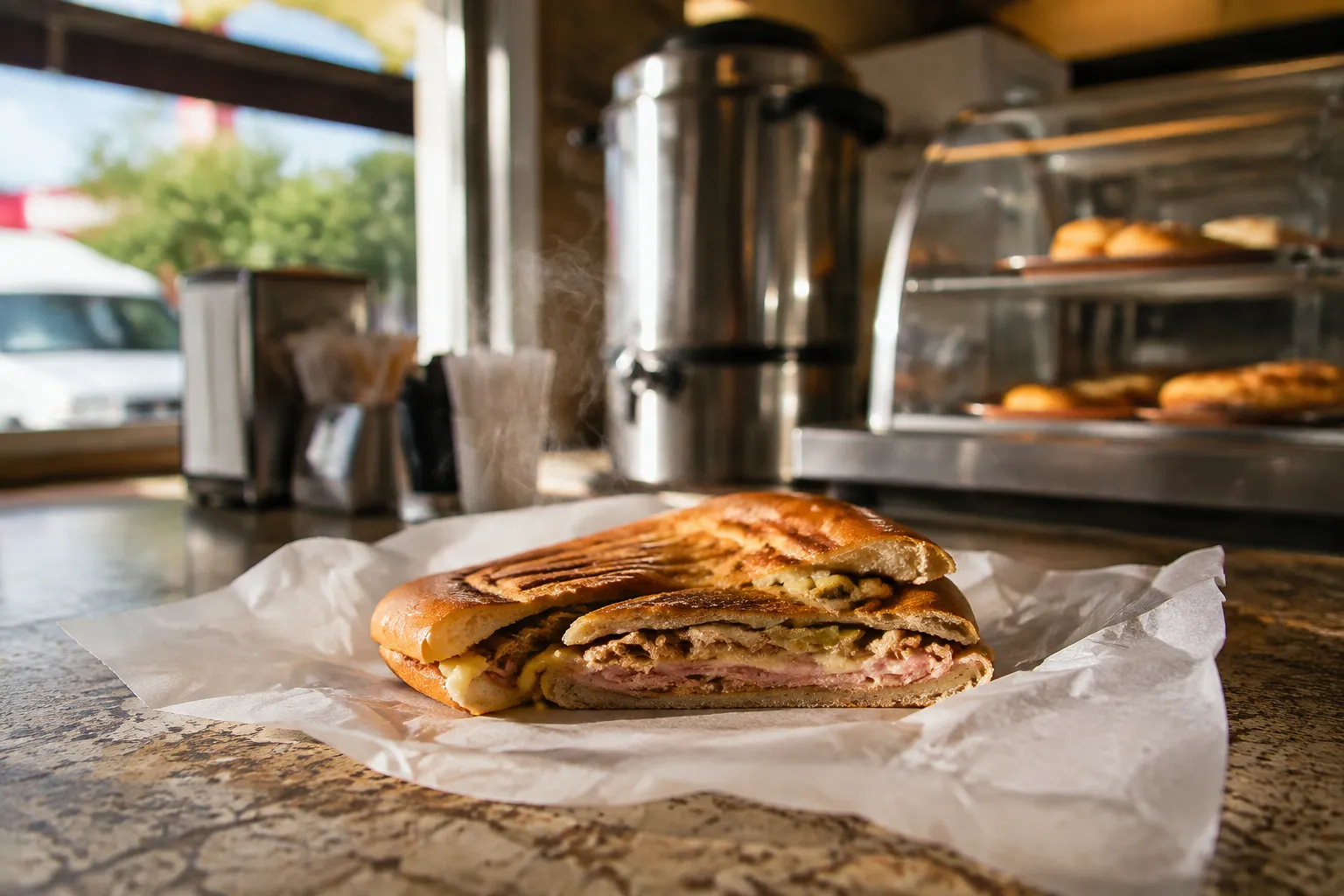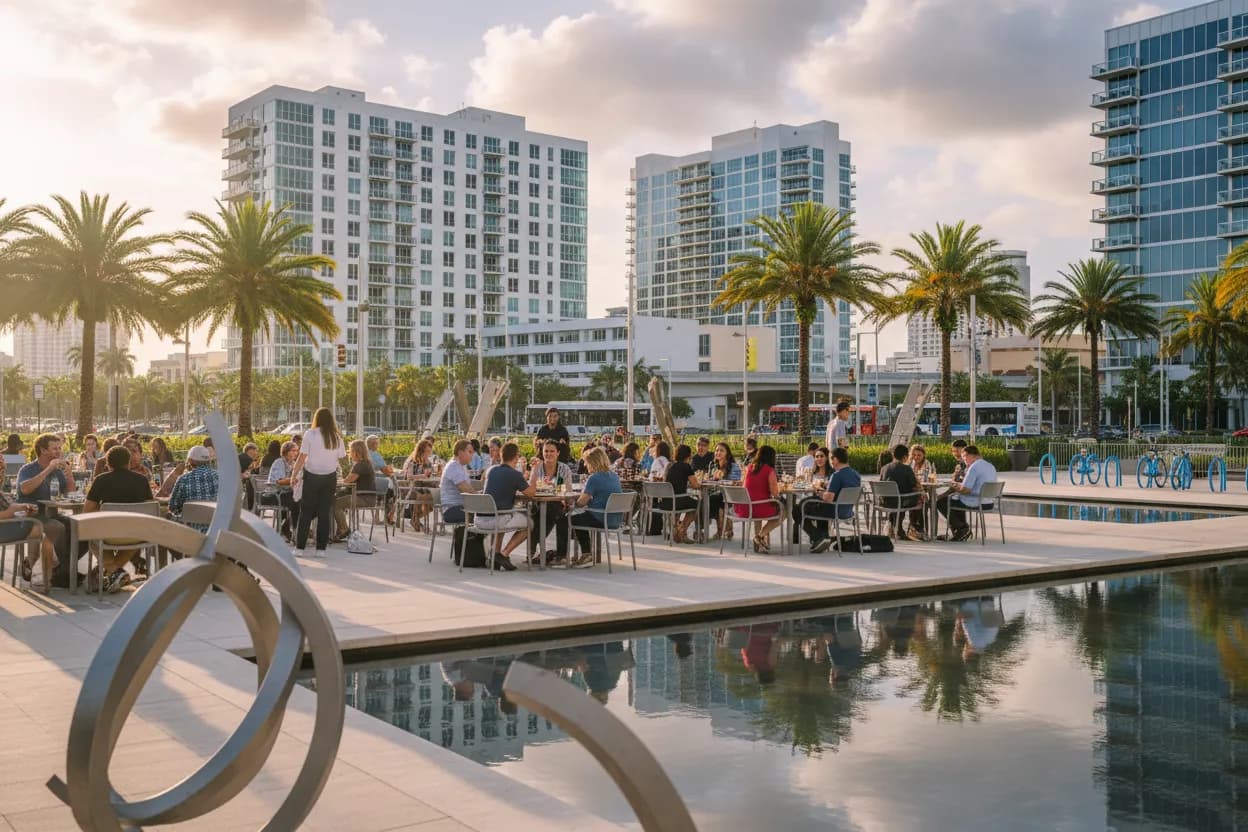
dijonai carrington: Where Miami Groups Can Eat Smoothly is not a rumor guide, a celebrity-spotting map, or a promise that anyone famous will be in town. Treat the phrase as a timely conversation starter, then do the practical work Miami rewards: pick a room that fits your group, verify hours on official restaurant or venue pages, check Miami-Dade Transit alerts before committing to a route, and keep a second choice close enough that nobody has to restart the night from scratch. Greater Miami and Miami Beach promote a broad restaurant scene shaped by Latin and Caribbean flavors, celebrity-chef dining, food festivals, and distinct neighborhoods. That variety is useful, but only if your plan is built around timing, mobility, and crowd risk.
Want a smoother Miami group dinner before the chat gets chaotic? Text Karpo with your neighborhood, group size, arrival window, and access needs, and ask for a verification-first plan.

Use the trend as a dinner conversation hook
If dijonai carrington is what got the group texting, let it do only that job. Use it to open the thread, then move quickly to verifiable decisions: who is coming, when people can arrive, whether anyone needs step-free access, and how far the group is willing to travel after dinner. A trending name is not a local schedule, an endorsement, or a booking signal.
Miami is especially bad for vague plans because the city gives groups too many tempting directions at once. The official visitor site frames Greater Miami and Miami Beach as a culinary destination with bold Latin and Caribbean flavors, high-profile restaurant names, food festivals, and distinct neighborhoods. That is a strength, but it also means the best answer is rarely “where is hot?” The better question is “which part of Miami can this group reach, wait in, and leave from without friction?”
Choose the room before choosing the menu
Start with the room type. A seated restaurant works when the group can arrive near the same time and wants one bill, one table, and a clearer arc to the evening. A counter-service setup, market, or hall can be easier when people are drifting in from different parts of Miami, but it may add noise, seat hunting, and split-up ordering. None of those tradeoffs is automatically better; they depend on the people actually coming.
Before anyone falls in love with a menu screenshot, check the official page for hours, reservation rules, group guidance, accessibility notes, and current contact information. If the official page is unclear, call during a quieter service window rather than assuming a social post is current. For Miami groups, the difference between a smooth night and a stalled one is often not the food; it is whether the place can absorb your group at the time you plan to arrive.
Be skeptical of “must-go” recommendations that ignore weather, parking pressure, transit changes, or mobility needs. A great dining room that strands half the group is not a great group pick. Put the practical constraints in the chat first, then let cuisine preference decide among the options that survive.
Match the market or hall to the group
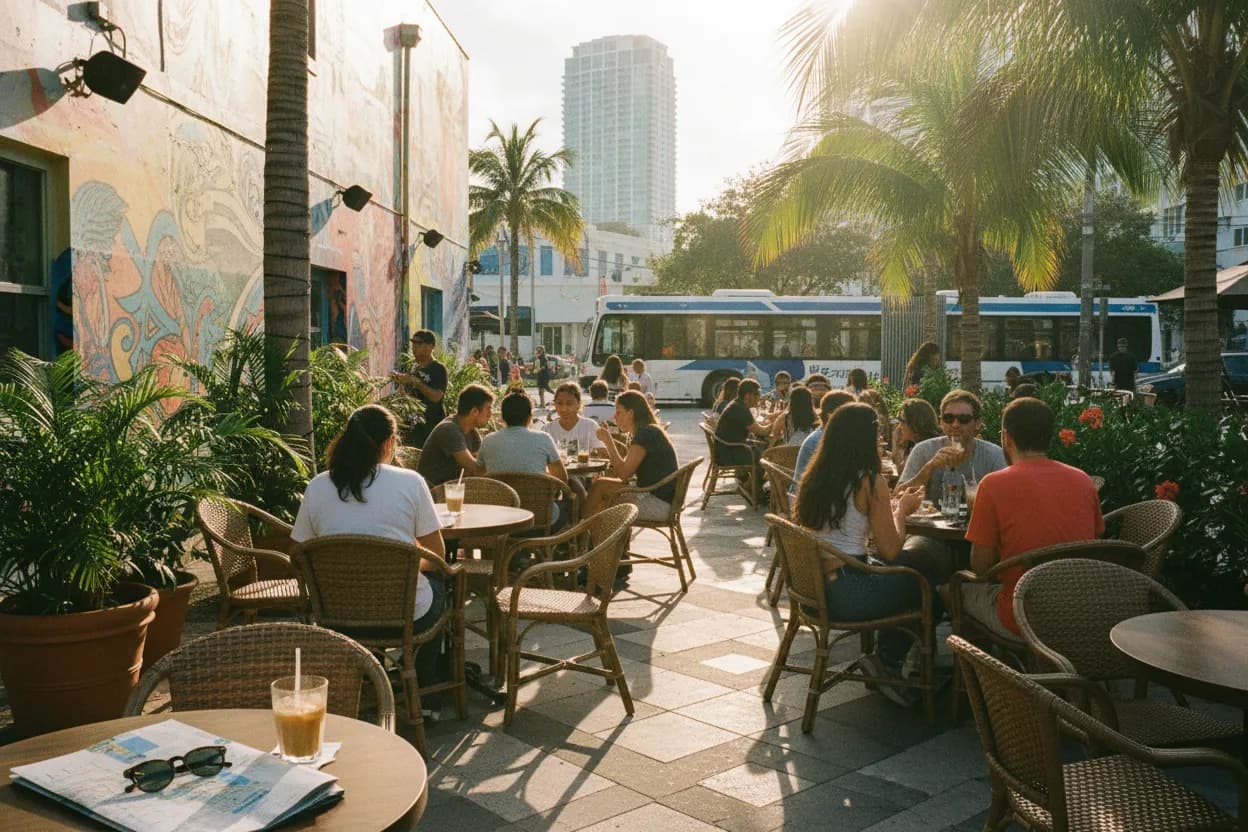
Markets and food halls can solve one common Miami problem: different appetites in one group. They are useful when one person wants something quick, another wants to linger, and someone else is still deciding. The tradeoff is that shared seating, vendor hours, and crowd flow may vary, so the group should not assume every vendor is operating just because the broader venue appears open.
Use a simple test before choosing that format. Can the group find each other easily? Is there a clear meeting point outside the busiest ordering area? Is there a nearby transit stop, rideshare pickup zone, or walkable backup? If the answer is no, a conventional restaurant with a confirmed table may be less stressful.
Miami’s neighborhood variety is part of the appeal, and the official visitor site describes each Greater Miami city and neighborhood as its own destination shaped by diverse cultures, landscapes, and people. That also means “central” depends on your group. Central for someone near Metrorail may not be central for someone crossing the causeway or coming from a neighborhood better served by bus.
Keep the first stop easy to reach
For the first stop, prioritize access over novelty. Miami-Dade County’s Department of Transportation and Public Works identifies Metrobus, Metrorail, Metromover, MetroConnect microtransit, BRT Metro Express, and Special Transportation Service as parts of the county mass transit system. That gives groups several ways to build a plan, but the workable option depends on the exact origin, destination, and service conditions that day.
Use the county’s trip planner, rider alerts, service updates, and real-time bus and train tracking before leaving. The official transportation page also directs riders to elevator and escalator status, which matters for anyone using a wheelchair, pushing a stroller, traveling with luggage, or avoiding stairs. If accessibility is part of the plan, do not treat it as a last-minute check.
Metromover can be a useful downtown connector, but service details can change. The county page includes an important message that on Saturday, Aug. 15, Metromover service will begin operating at 2 p.m. during upgrade work. That kind of notice is exactly why a Miami dinner plan should be checked on the day of travel, not copied from memory.
Save a nearby option for long waits
Every group plan needs a backup that is close, not just better. If the first choice has a long wait, a fully booked dining room, a private function, or a vendor closure, the backup should be reachable without another long ride. In Miami, distance on a map can understate the time cost once weather, traffic, parking, or transfers enter the picture.
Pick the backup at the same time as the first stop. It should fit the same basic group needs: similar neighborhood, tolerable walking distance or easy transit connection, and a format that can handle staggered arrivals. If your first choice is a full-service restaurant, the backup might be a more flexible market or hall. If your first choice is a hall, the backup might be a quieter seated spot where the group can regroup.
Do not turn the backup into a consolation prize. Tell the group in advance: “If the wait is over our limit, we switch.” Set that limit before arrival, because hungry people negotiate badly in crowded entryways.
Verify vendor hours before leaving
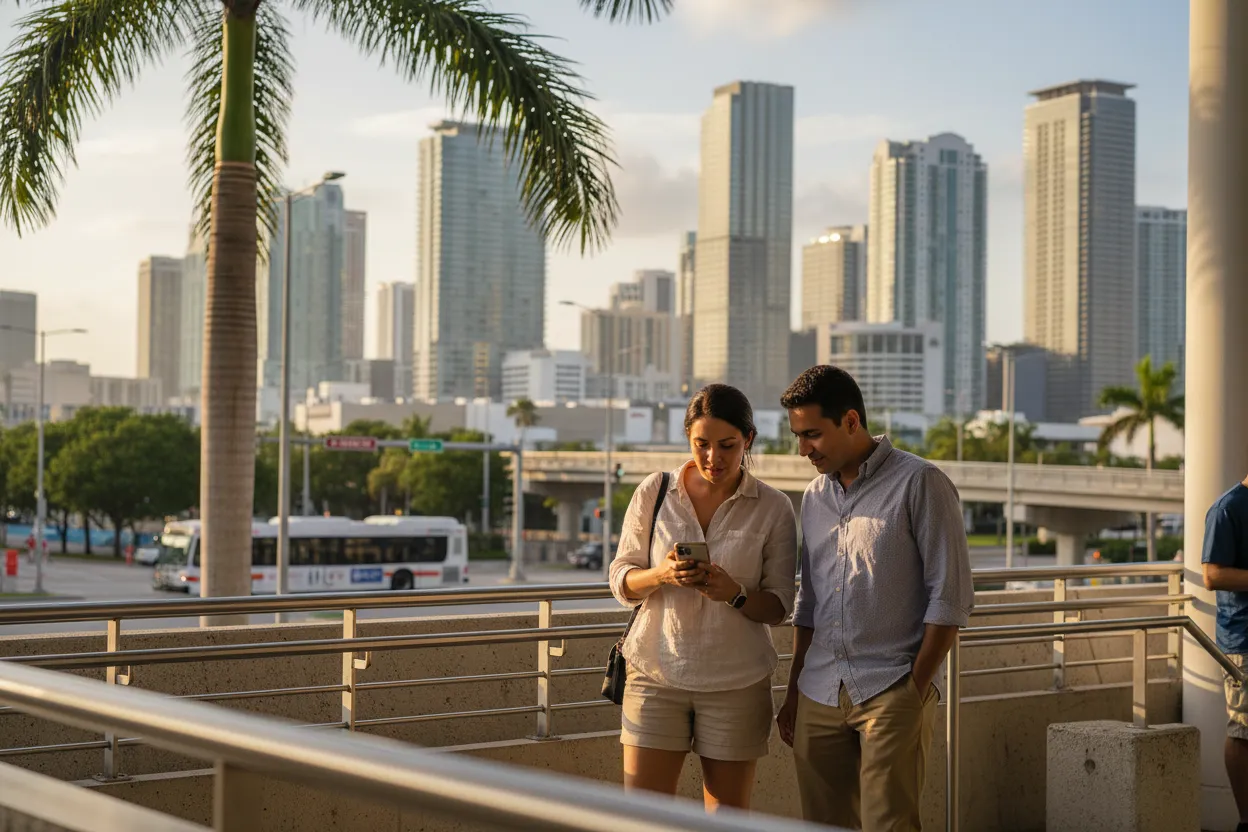
The final check should happen close to departure. Confirm official hours, current service notes, reservation status, vendor participation if applicable, and any posted access information. If a restaurant, market, or hall uses multiple vendors, verify the specific vendor the group cares about, not only the umbrella venue.
Then confirm transportation. Miami-Dade Transit’s official page points riders toward service updates, rider alerts, transit tracker tools, and trip planning. It also notes that the department is working on Metromover upgrades and Metrorail single-tracking work for reliability and safety. Those are not reasons to avoid transit; they are reasons to verify the route and leave with enough margin.
A smooth Miami night is not built on hype around dijonai carrington or any other fast-moving search term. It is built on public information, realistic timing, and a backup that is ready before the first plan fails. That is how a group gets through dinner with fewer surprises and more actual time together.
Tags: #AskKarpo #BeforeYouGo #MiamiRestaurants #MiamiDining #GroupDining #MiamiFood #GreaterMiami #MiamiBeach #MiamiTransit #Metrobus #Metrorail #Metromover #FoodHall #RestaurantPlanning
Sources consulted: miamiandbeaches.com · miamidade.gov · miamidade.gov
All trademarks are the property of their respective owners.
Ask Karpo first
Ask Karpo first before you turn a trending name into a Miami plan. Share your neighborhood, timing, group size, mobility needs, and backup tolerance, then ask for official-page checks, transit alerts, and a nearby second option before anyone leaves.